
10月の雨と12月の風(2026)
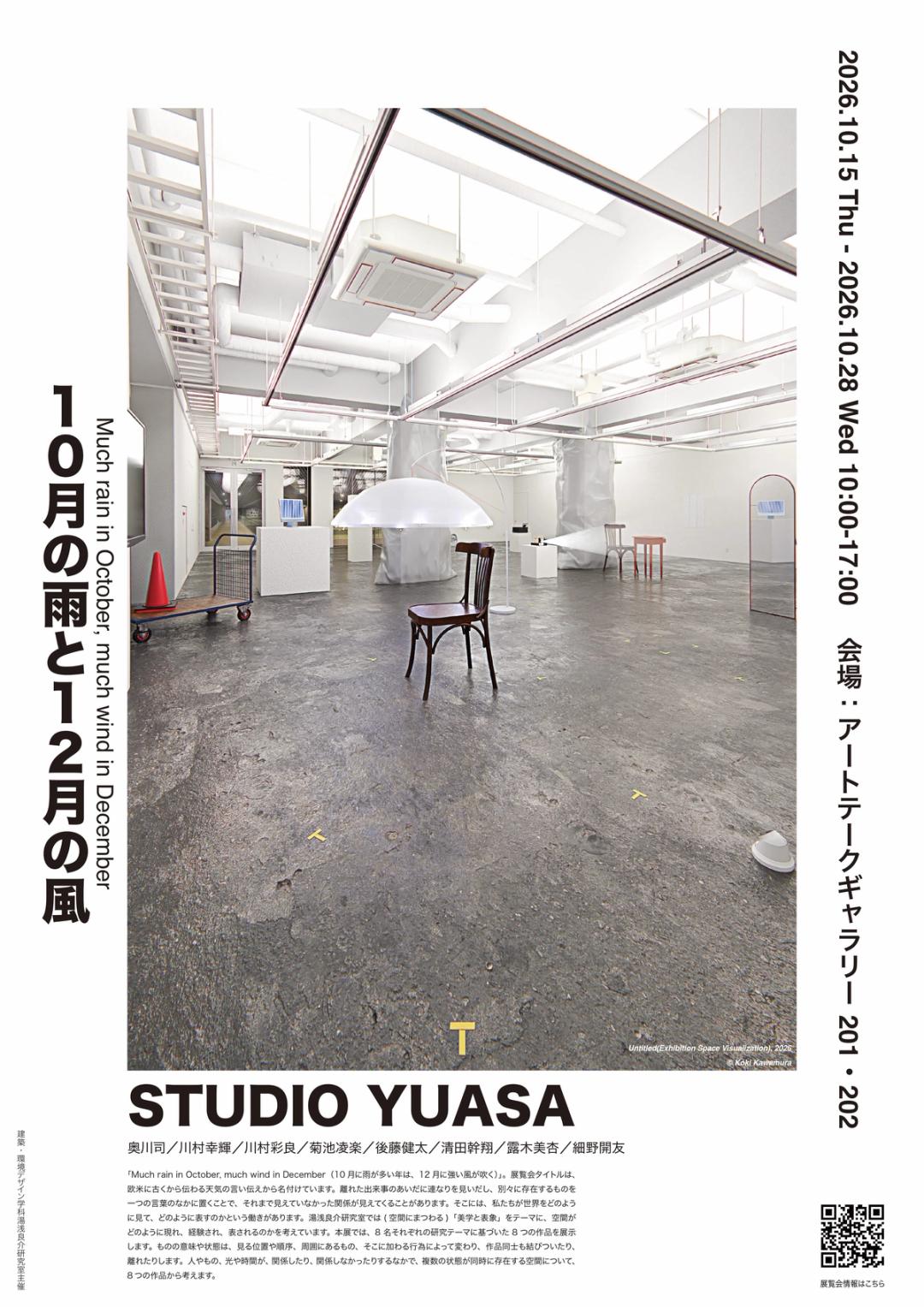
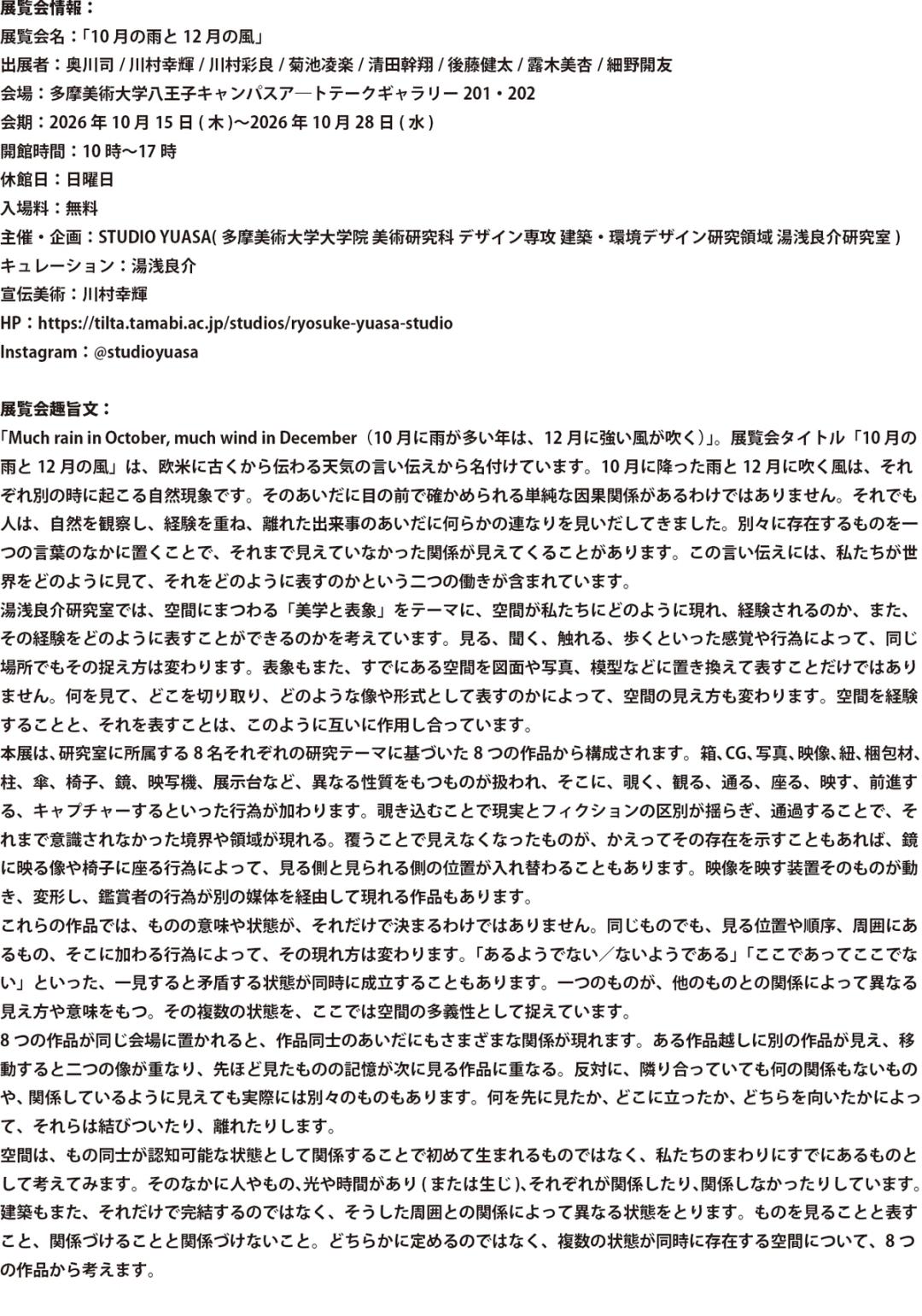
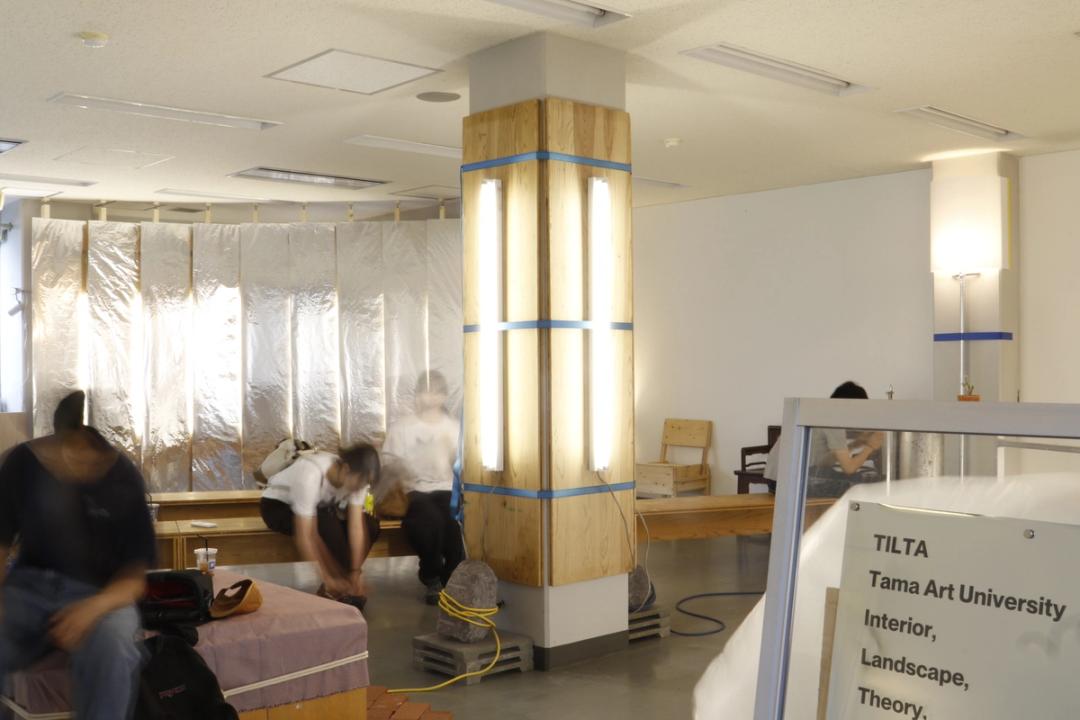
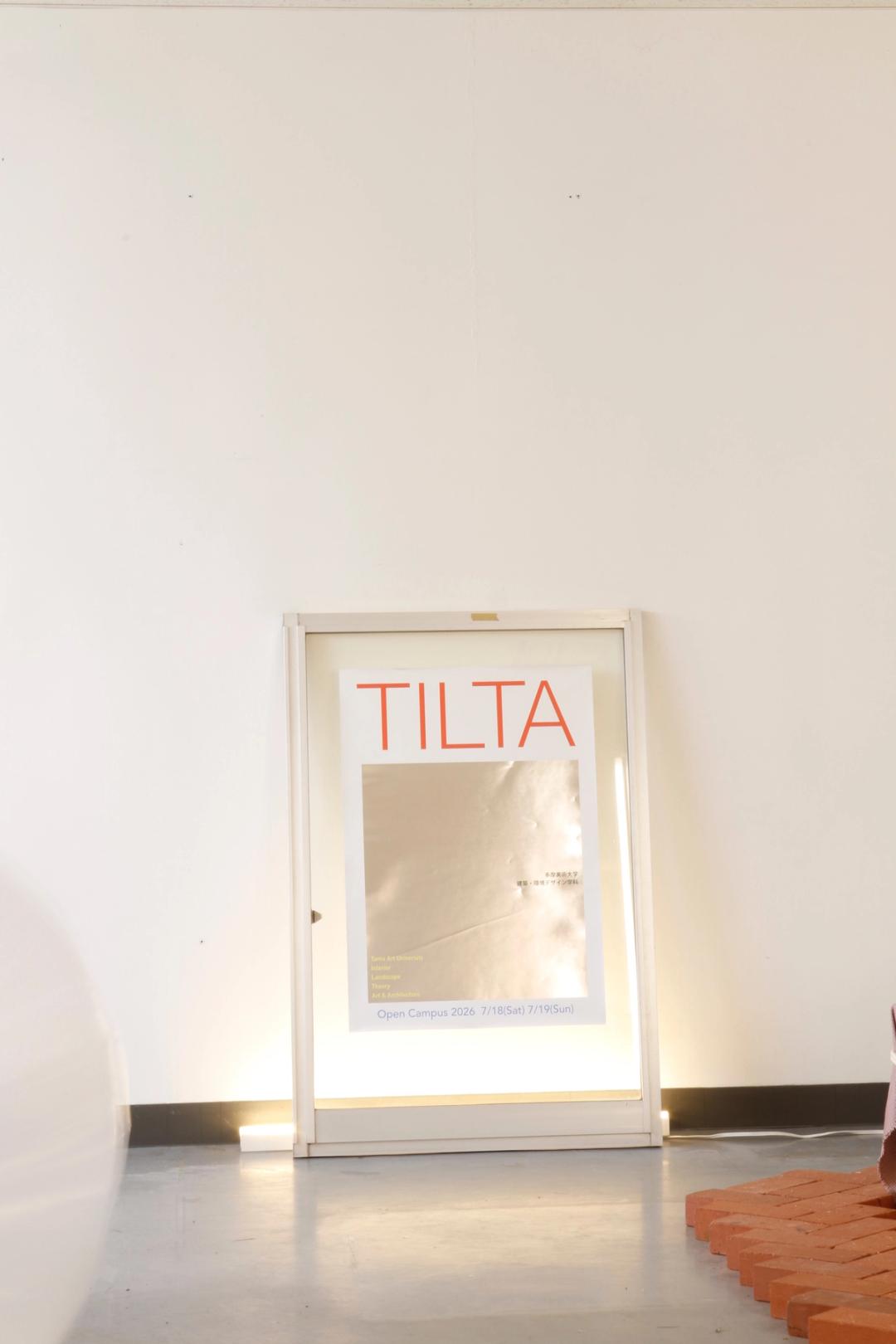
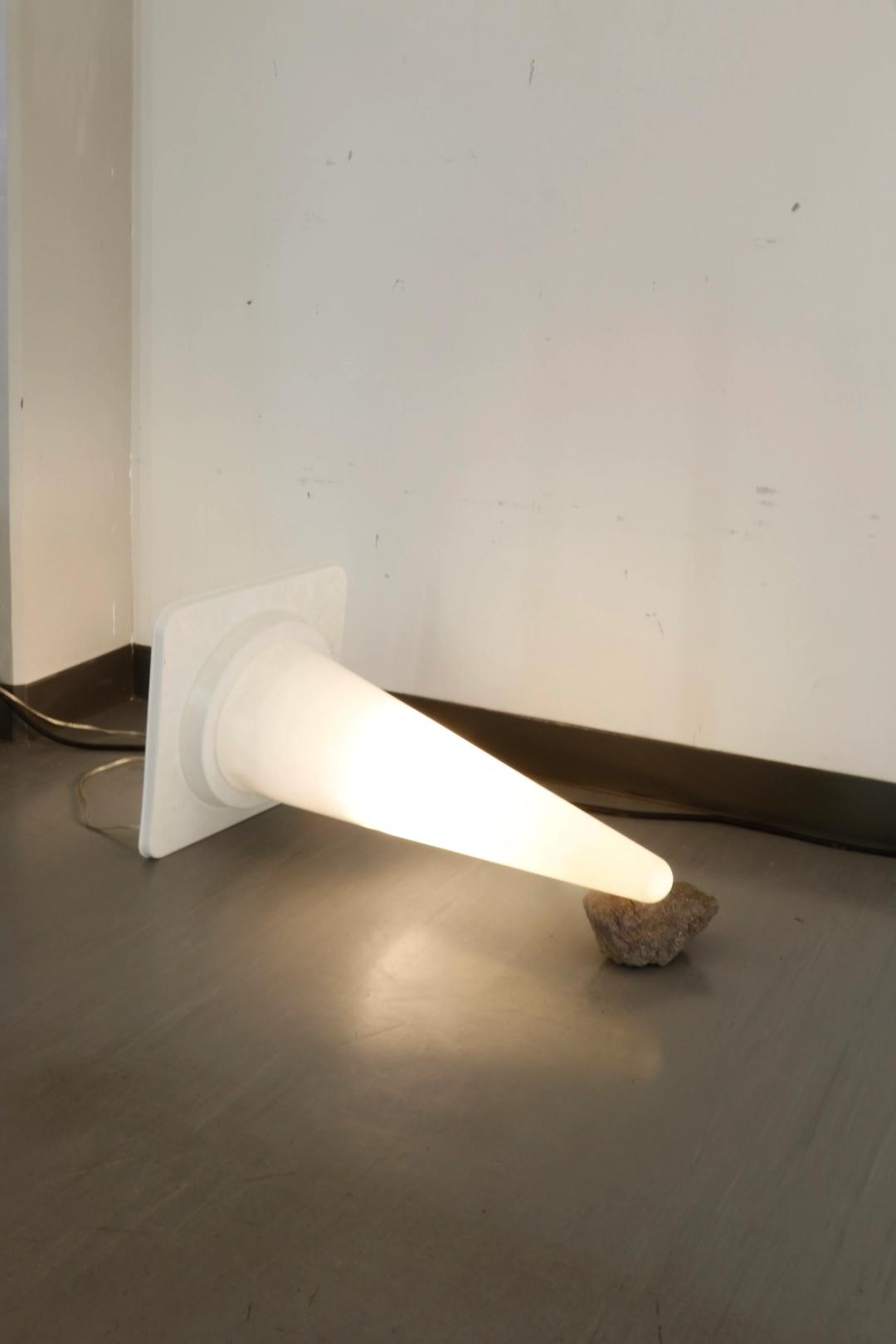
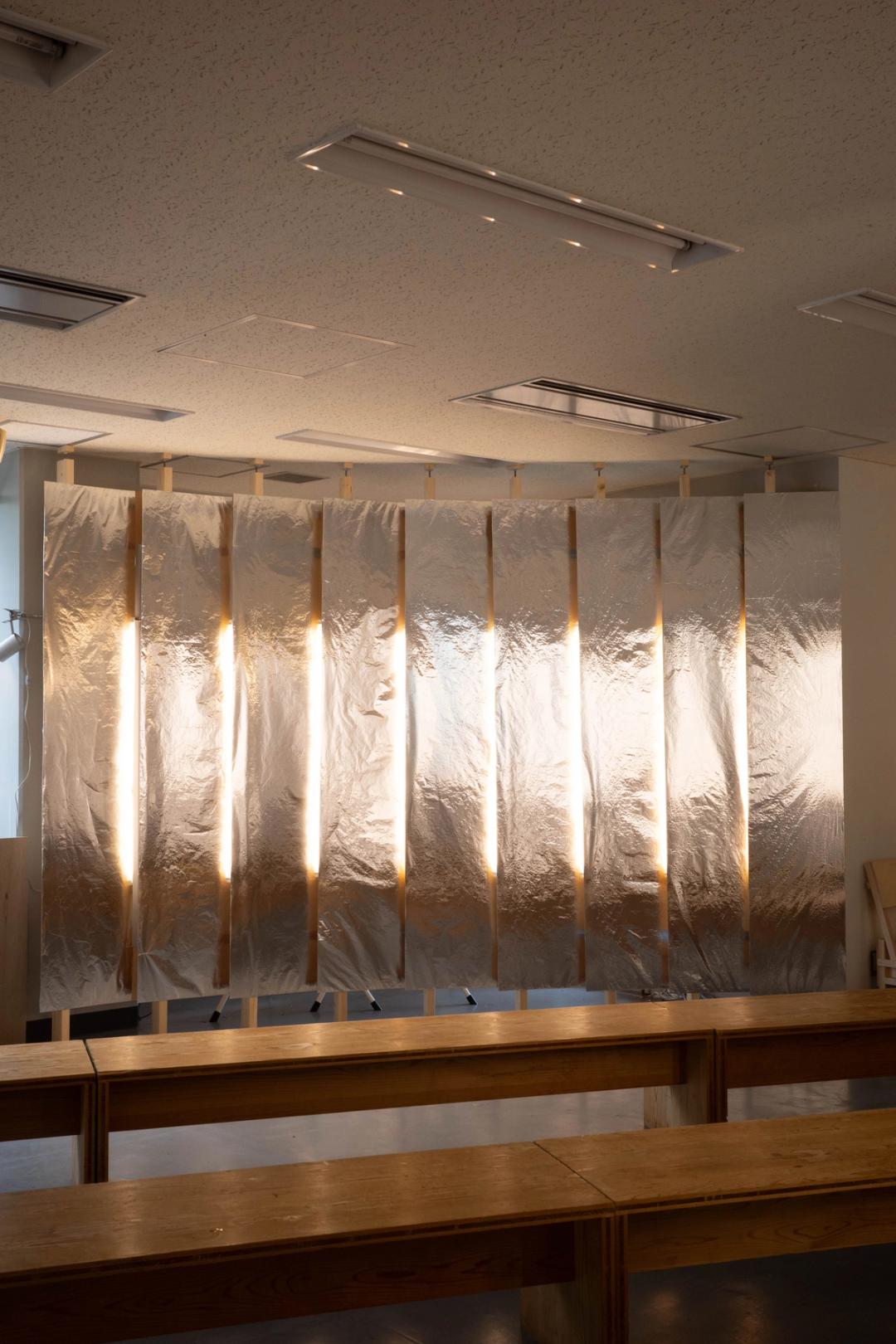
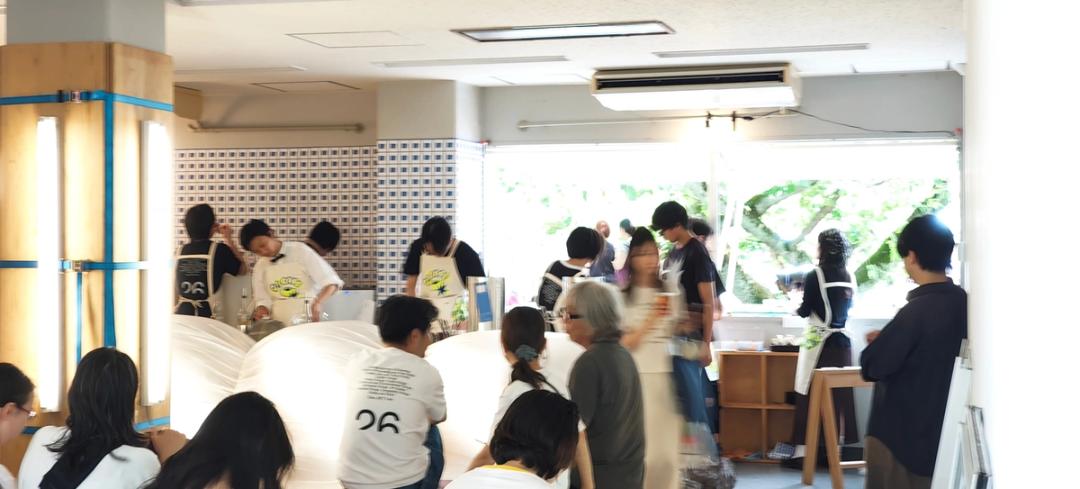
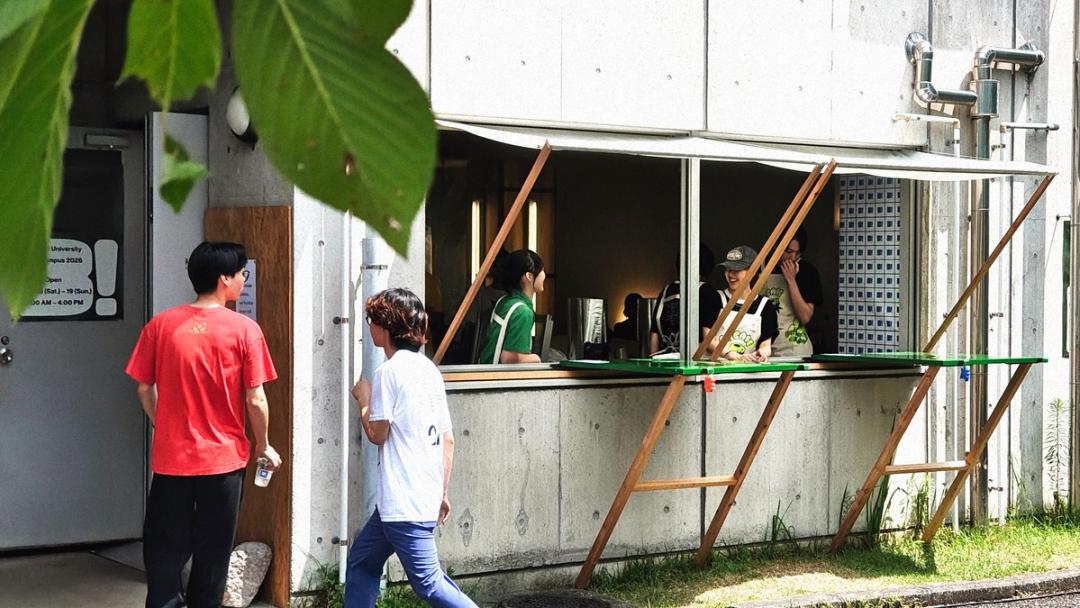
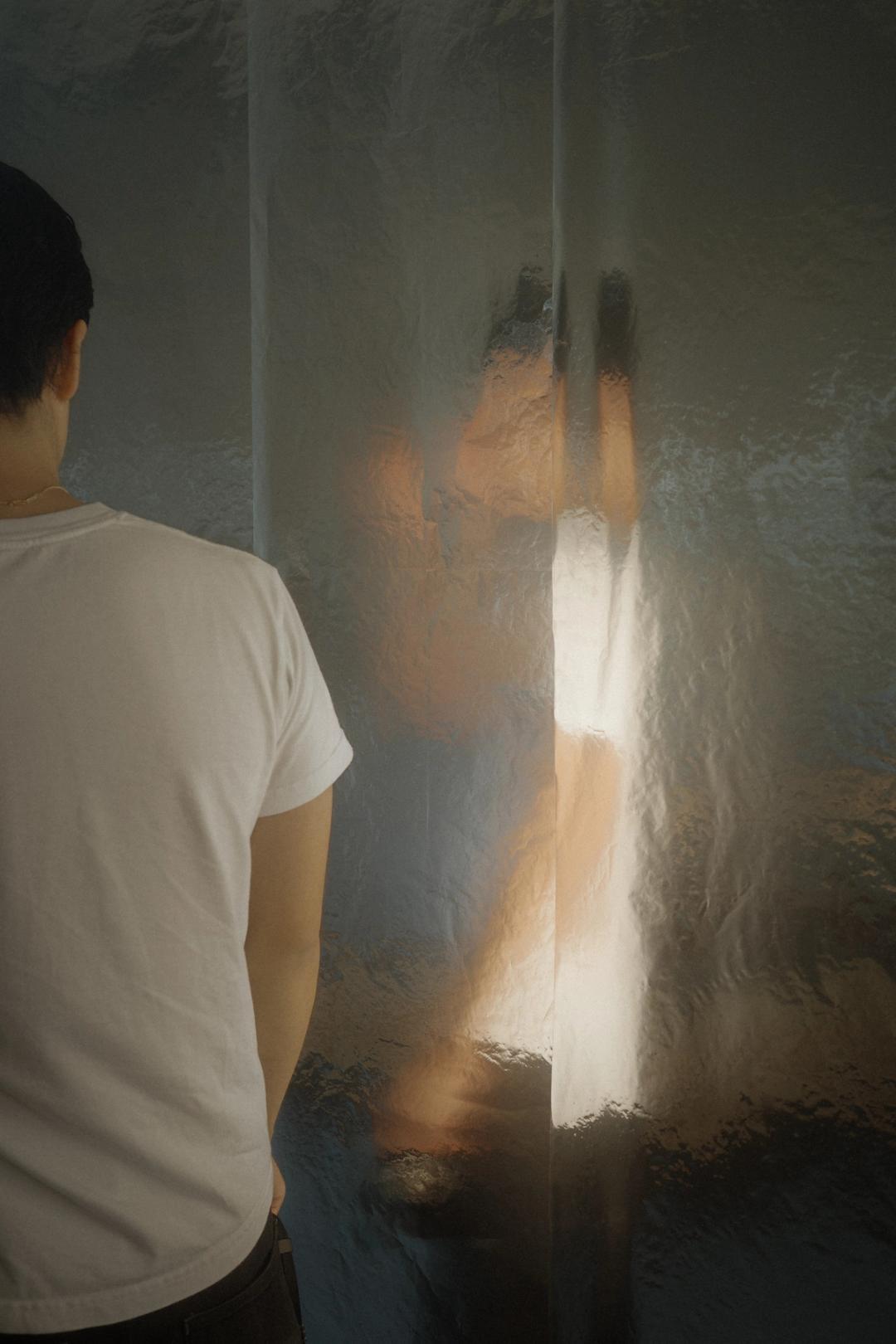
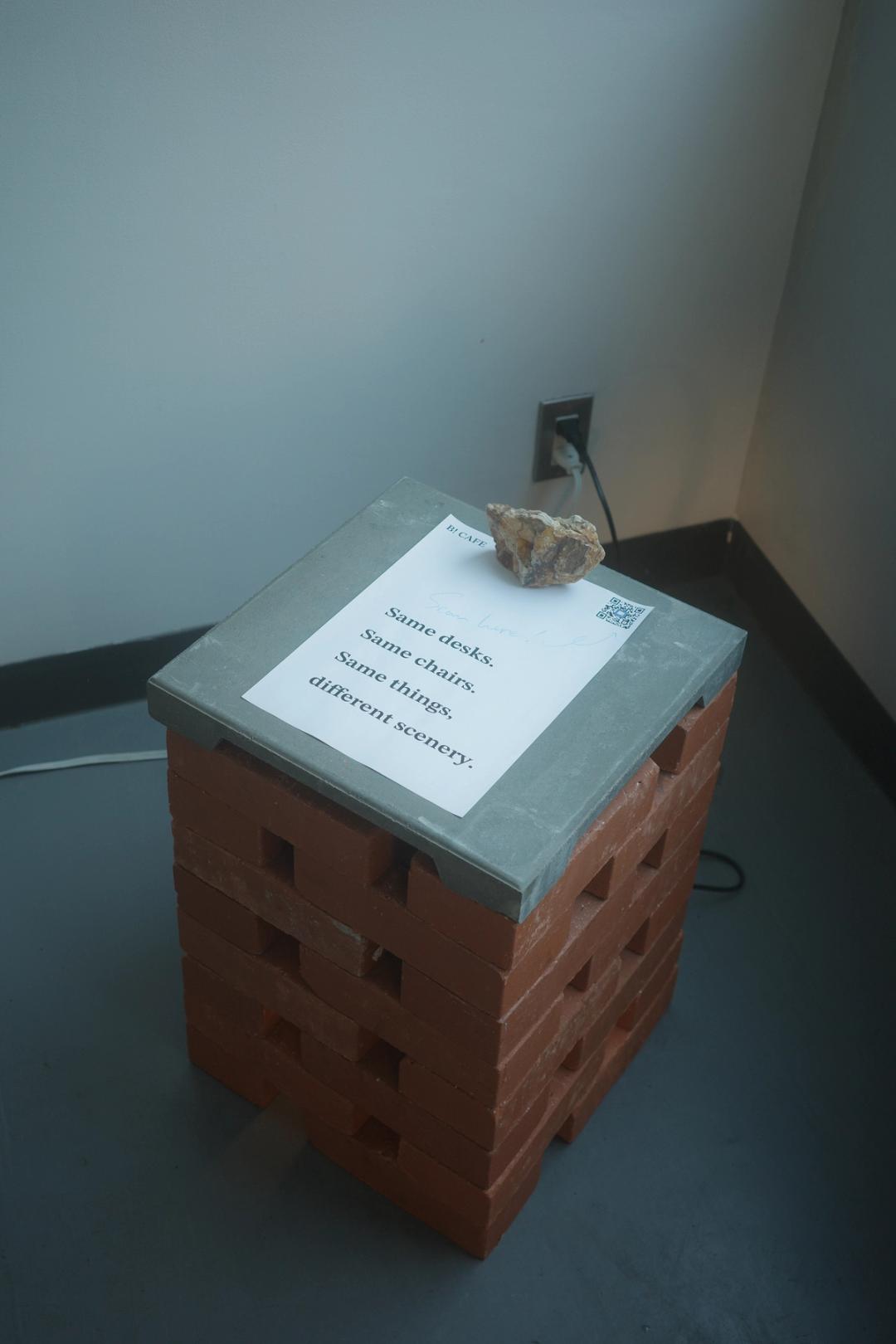
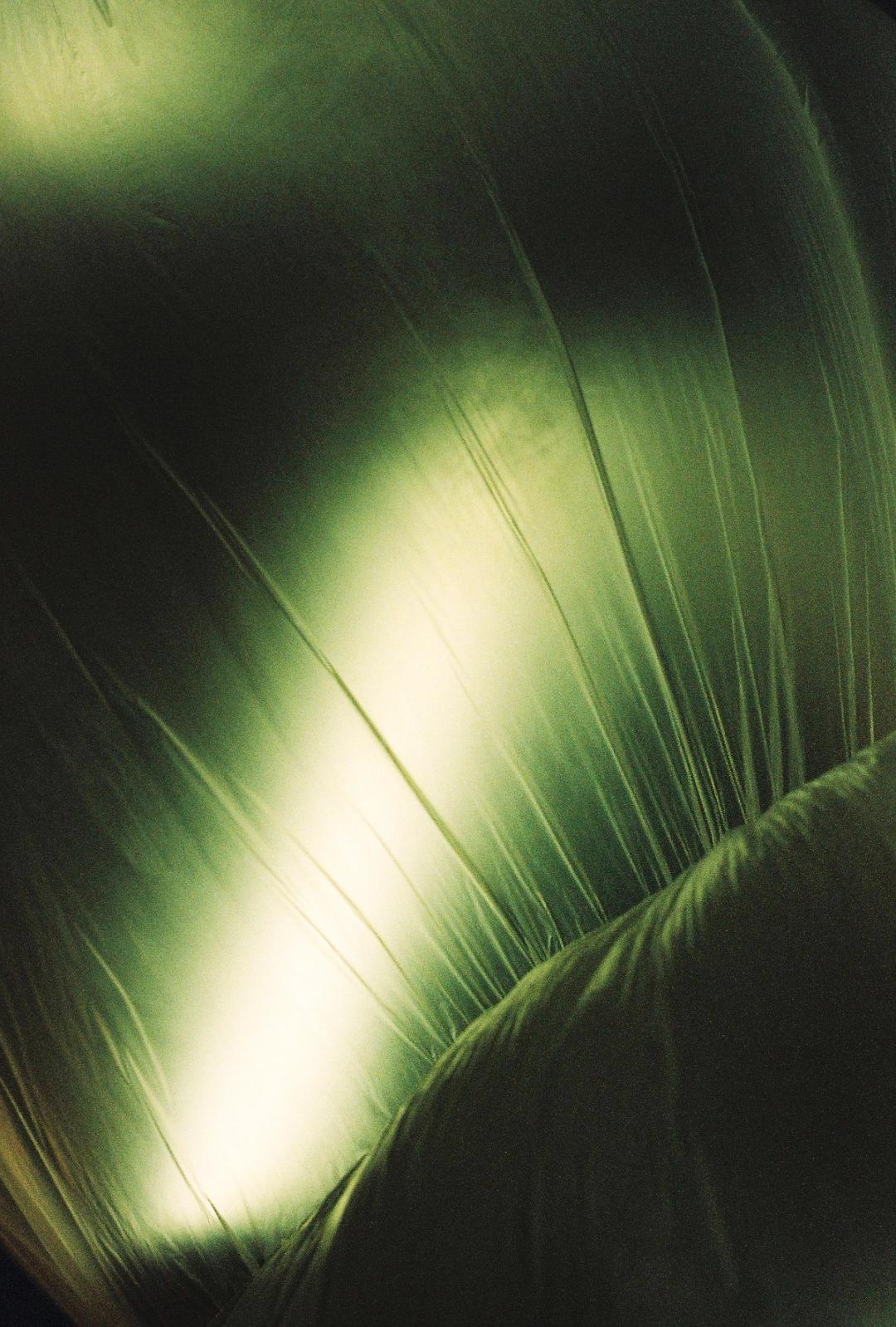
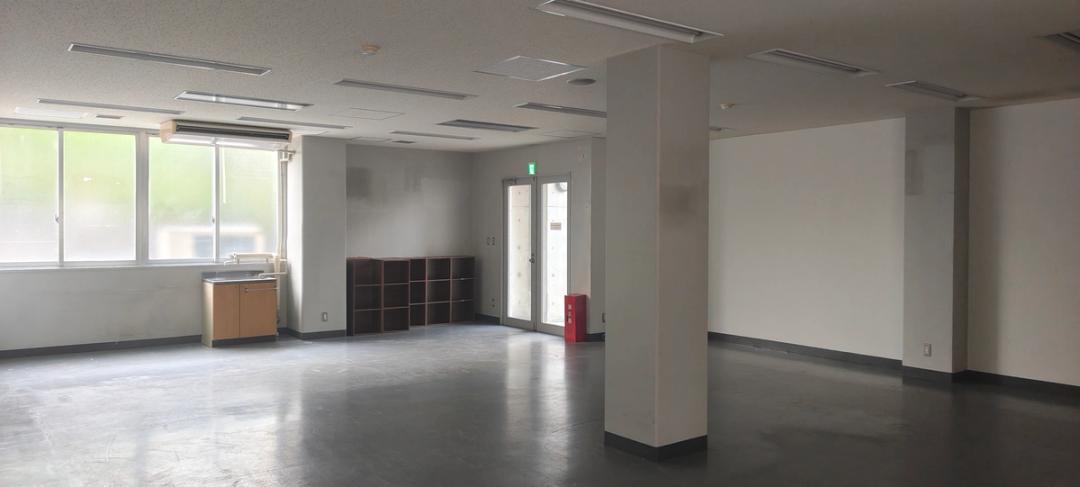
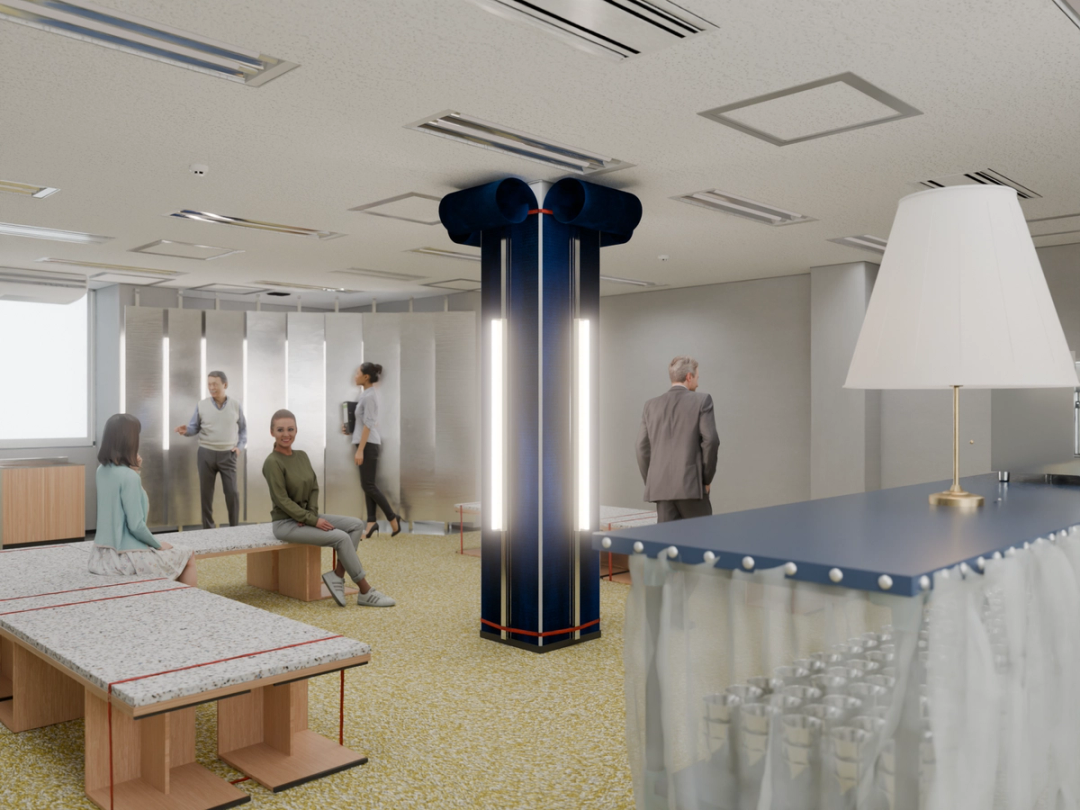
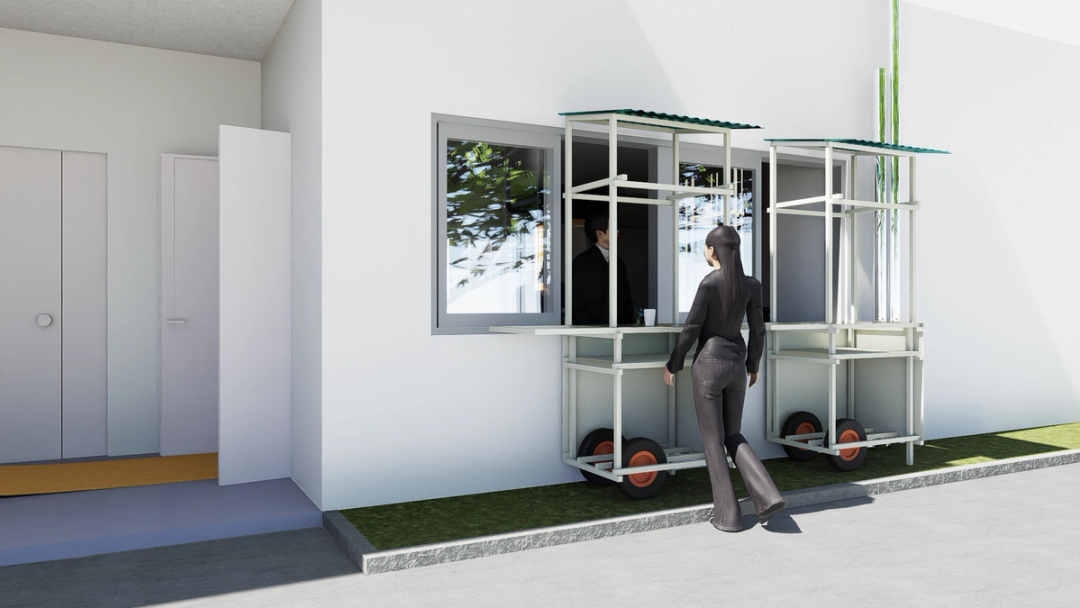
B! CAFE (2026, STUDIO YUASA and undergraduate volunteers)
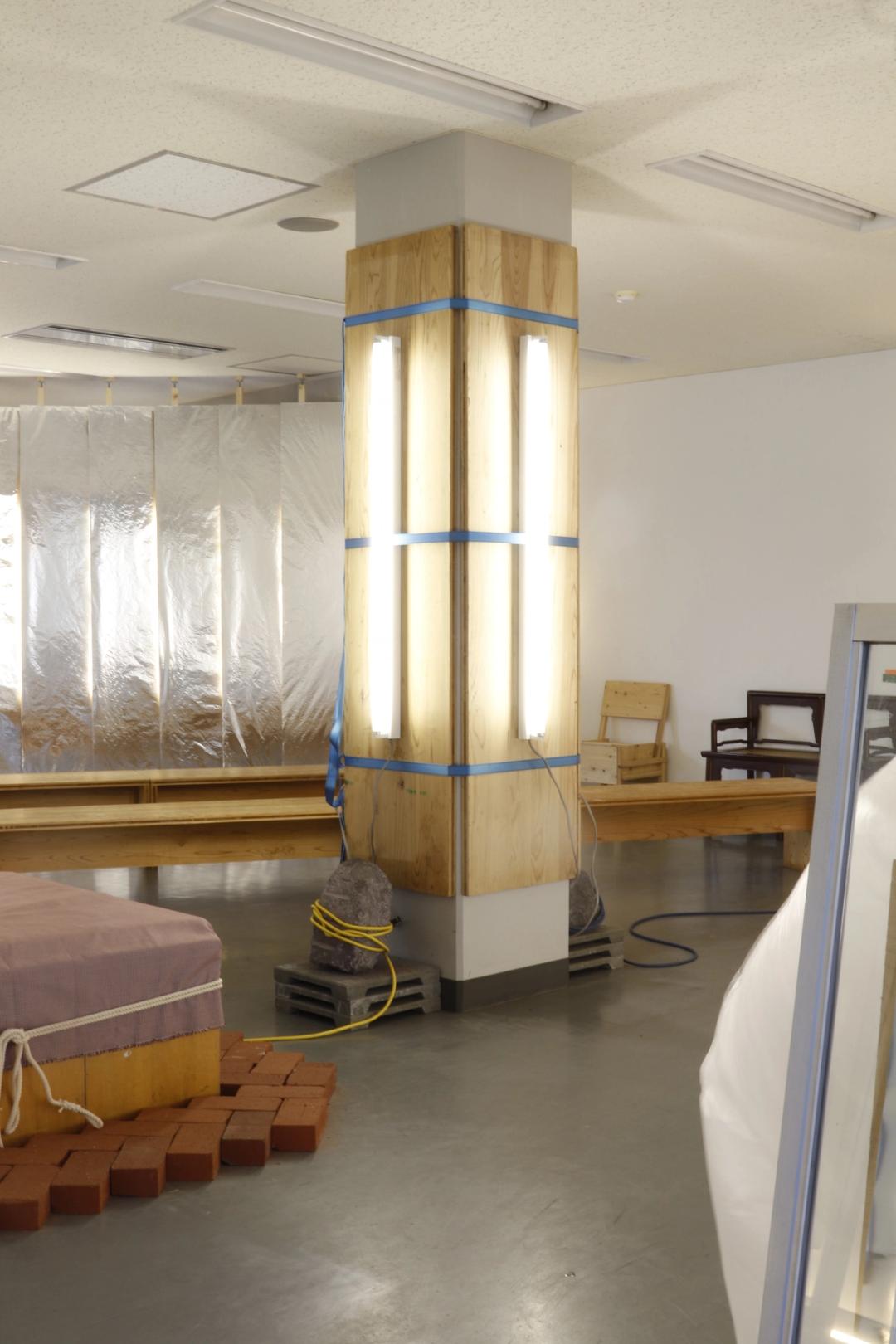
2-day temporary site-specific installation Found objects and materials from around the campus
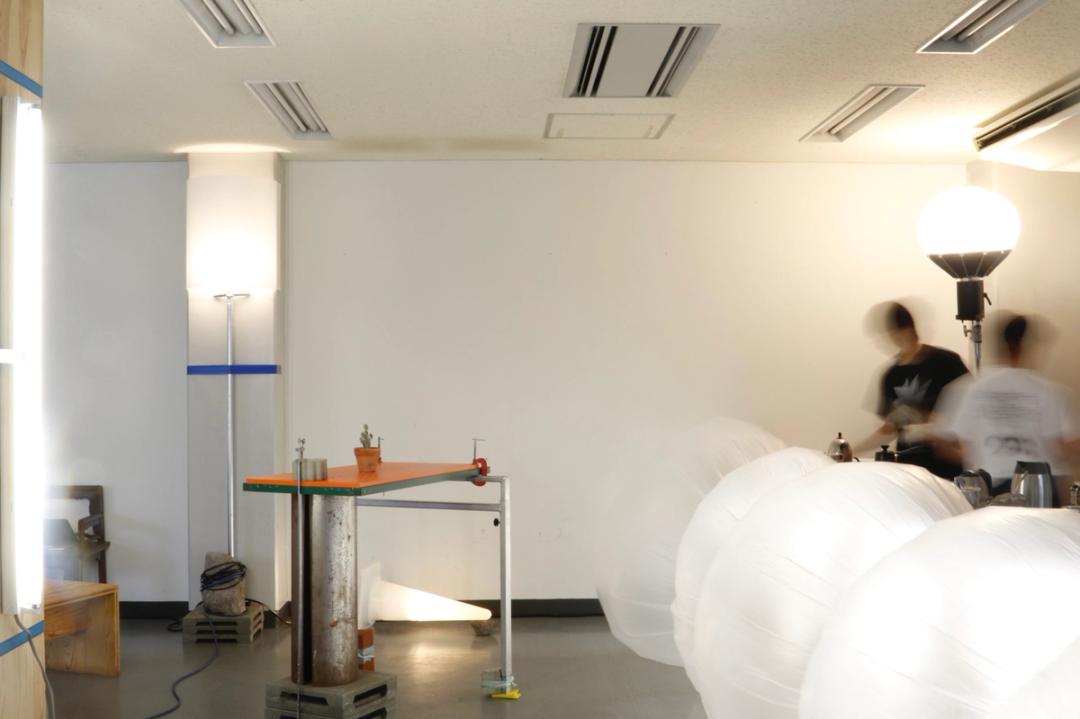
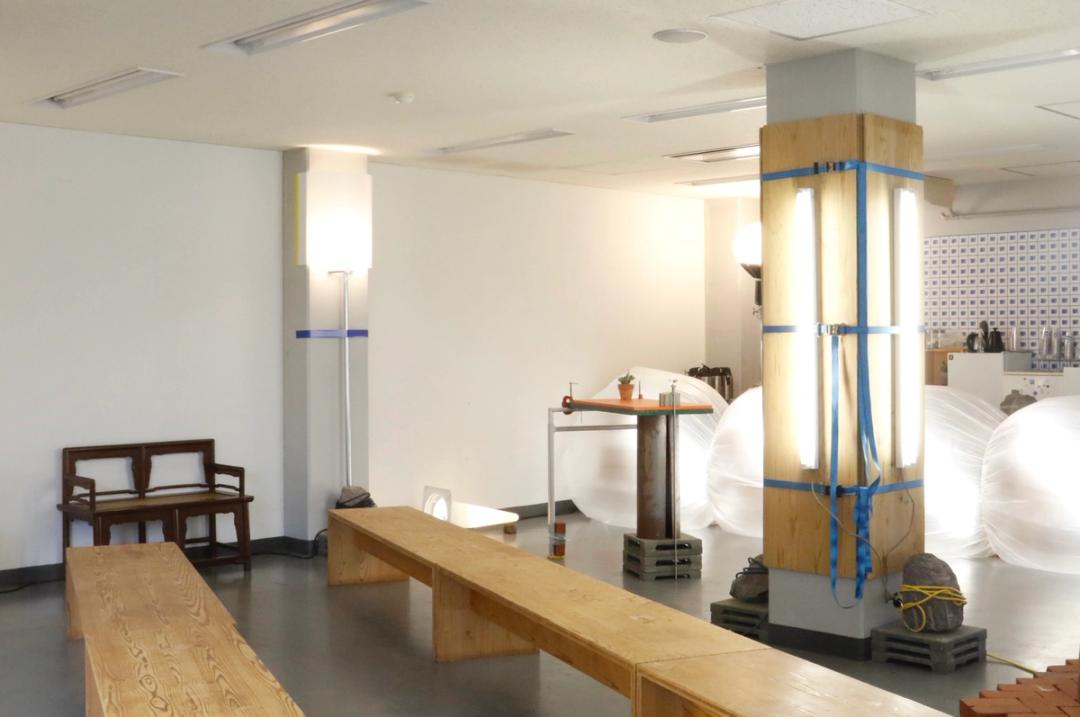
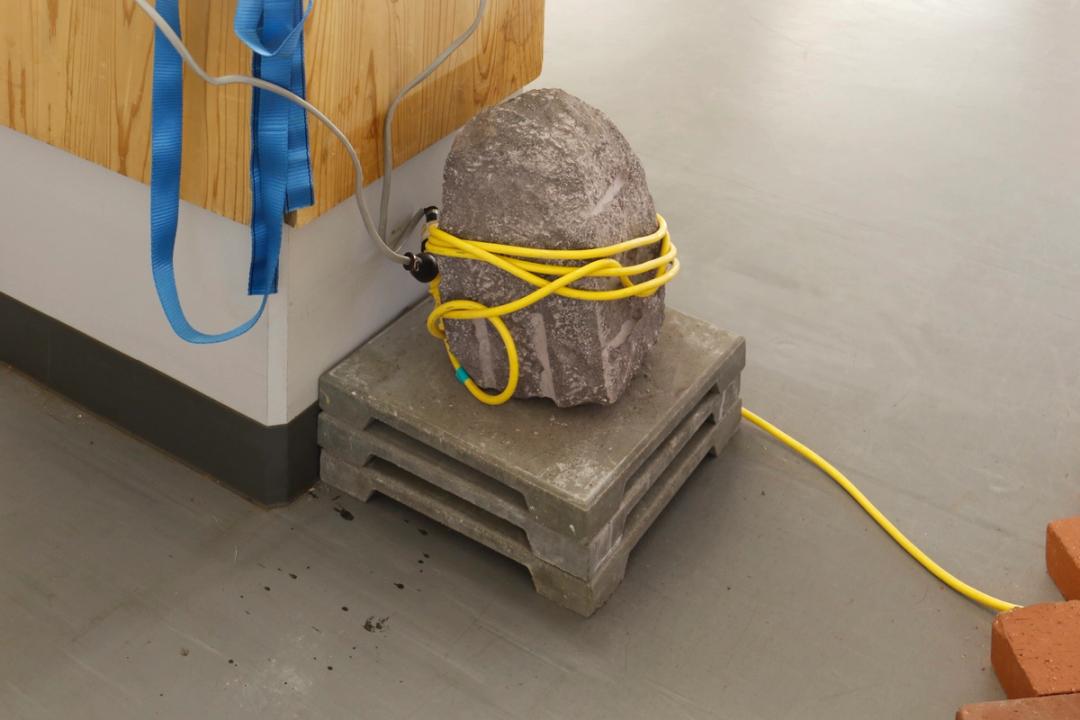
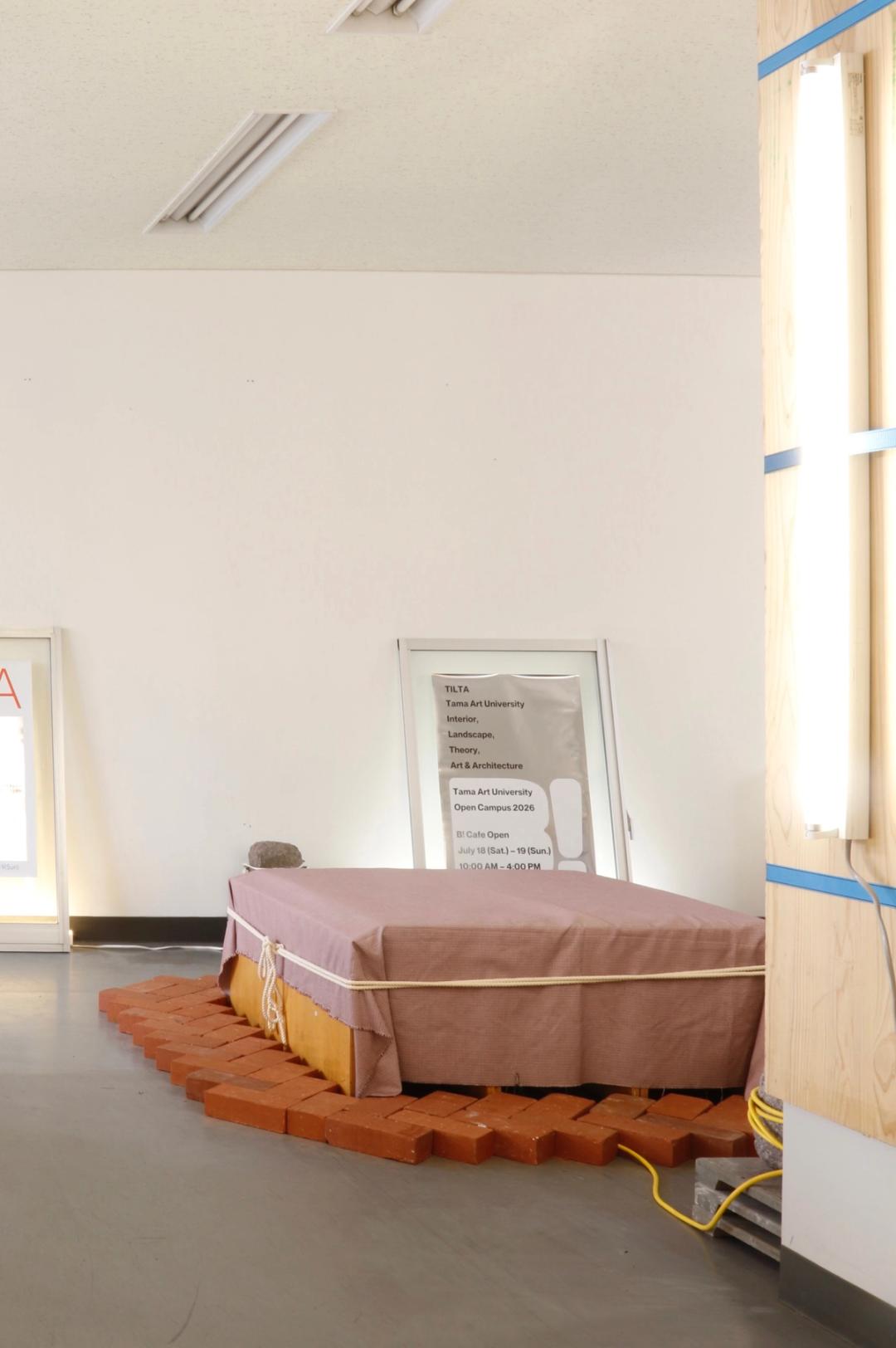
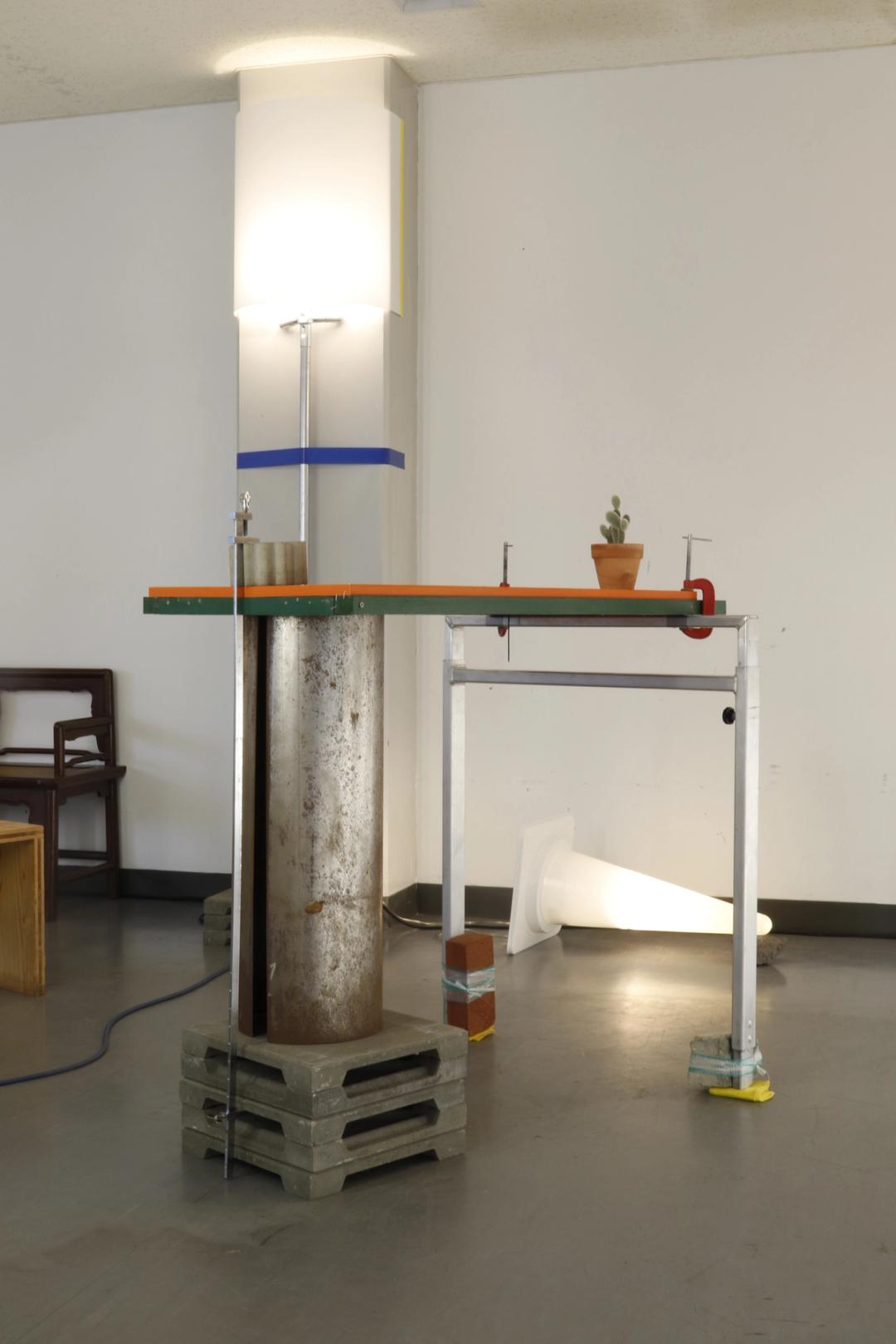
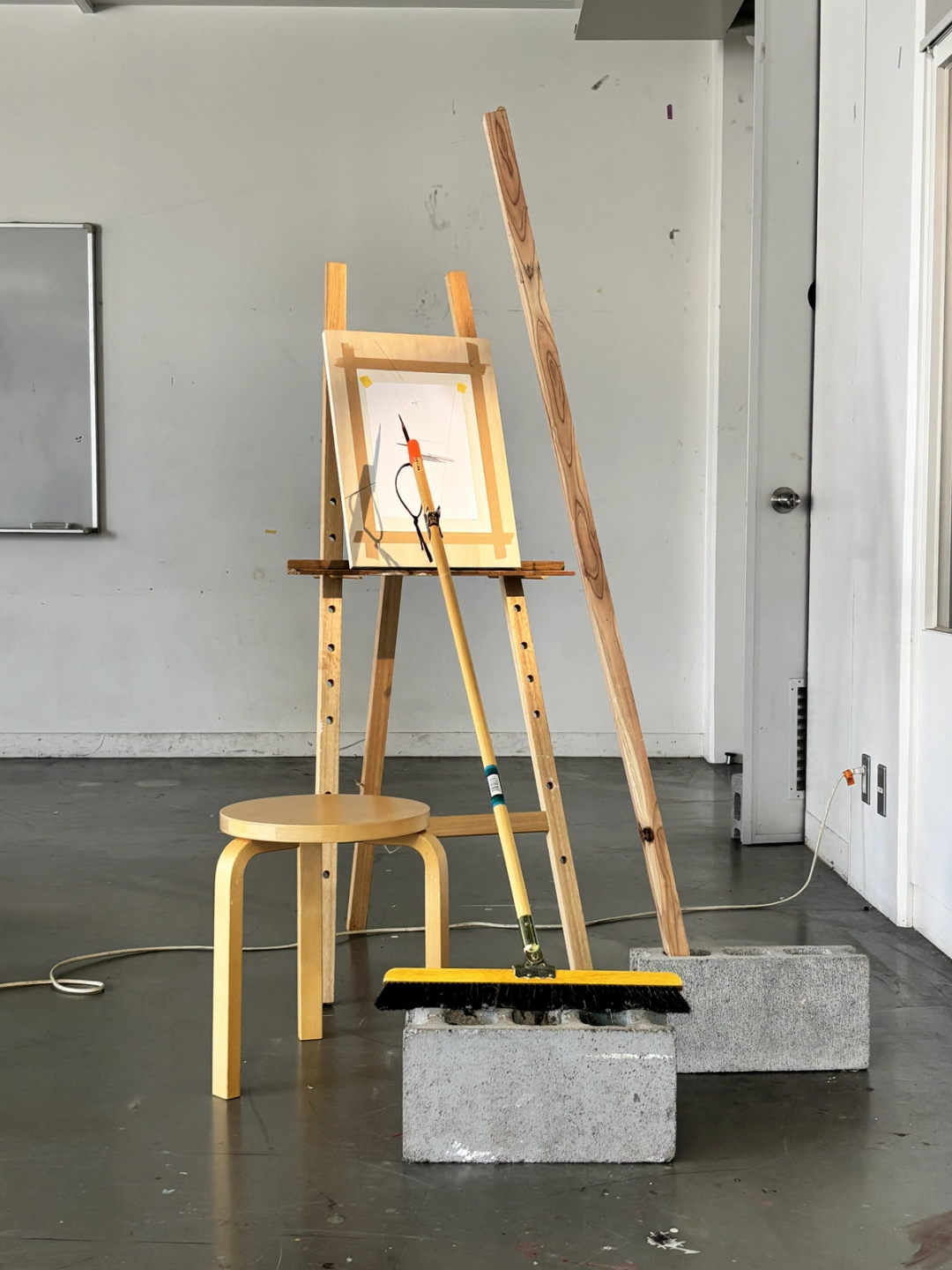
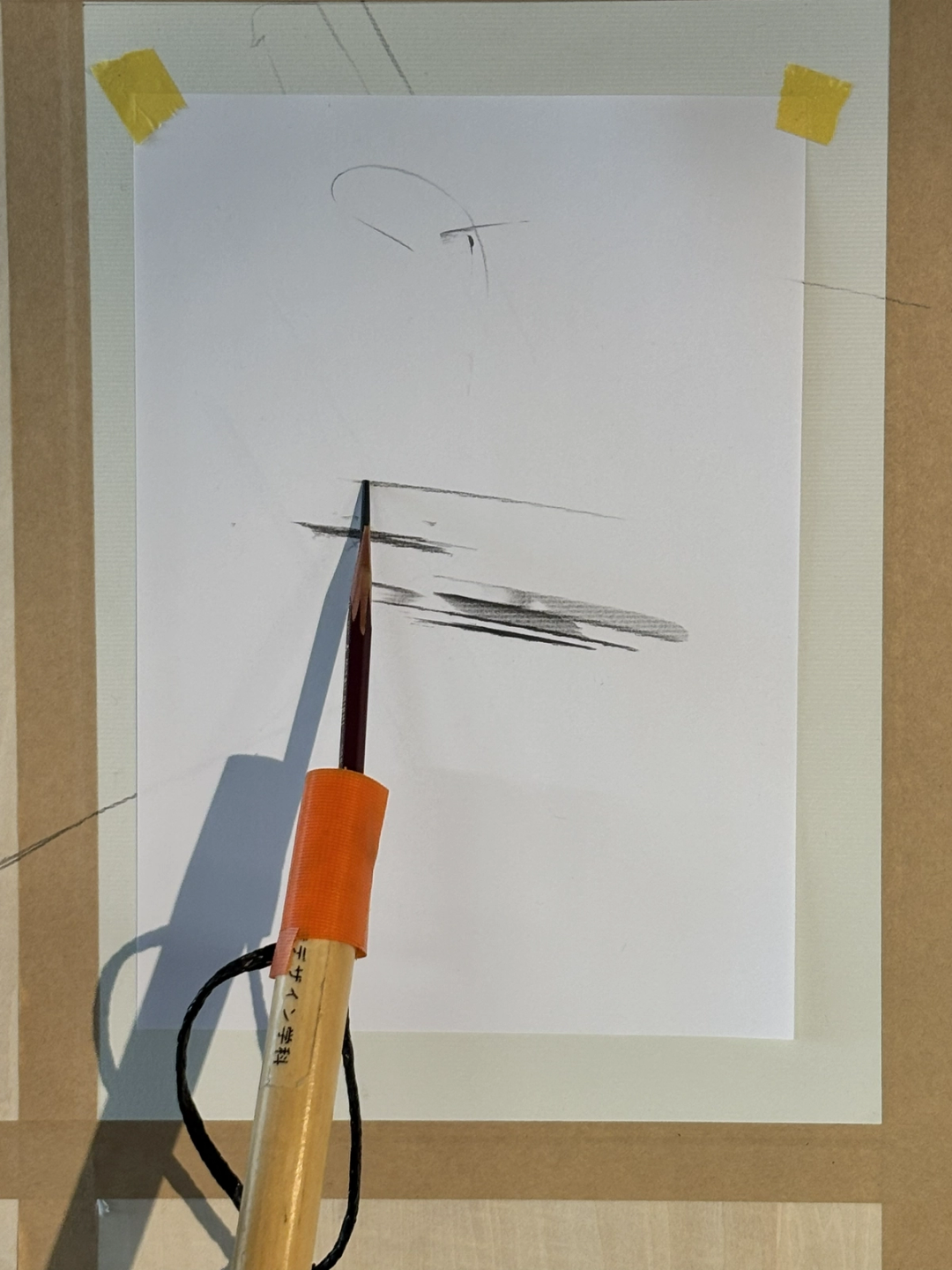
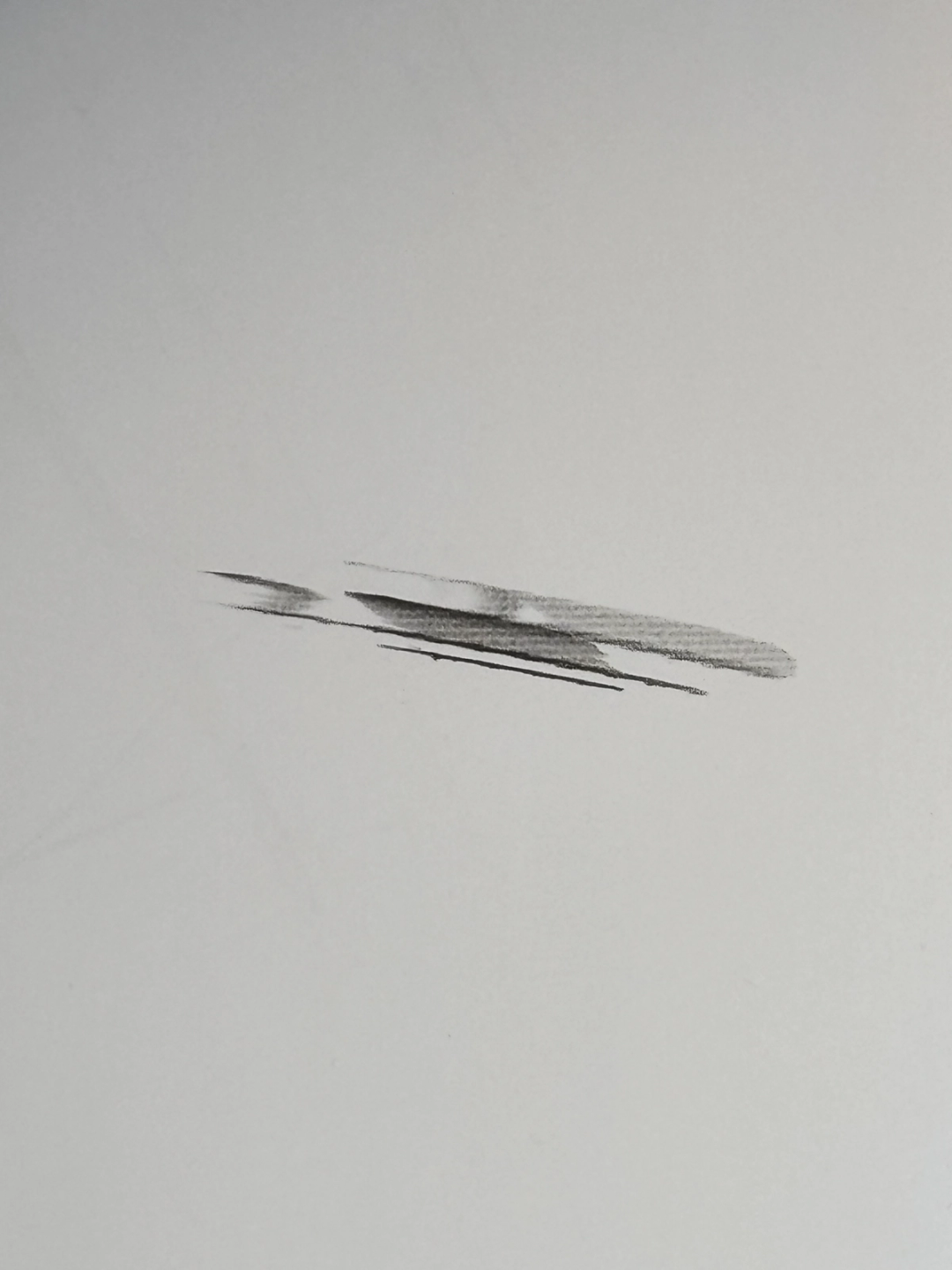
Oscillation 17 (2026)
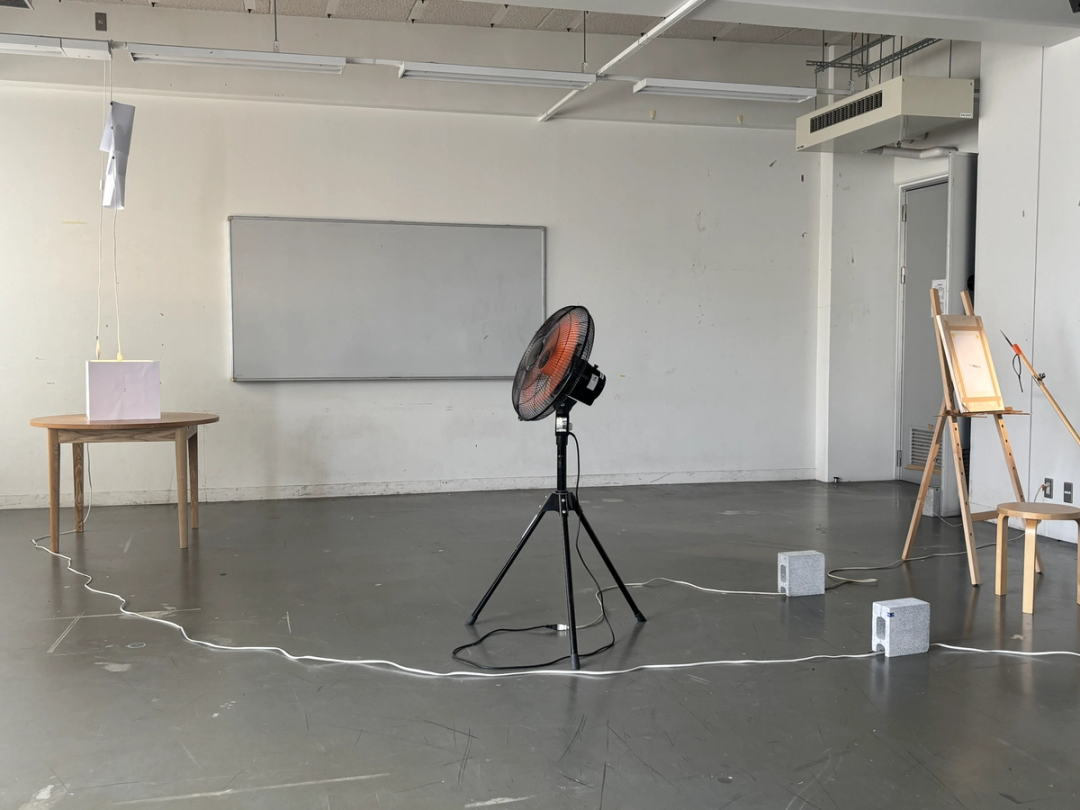
Electric fan, broom, easel, concrete block, string, pencils, table, light bulb, paper, peephole, extension cord, drawing machine
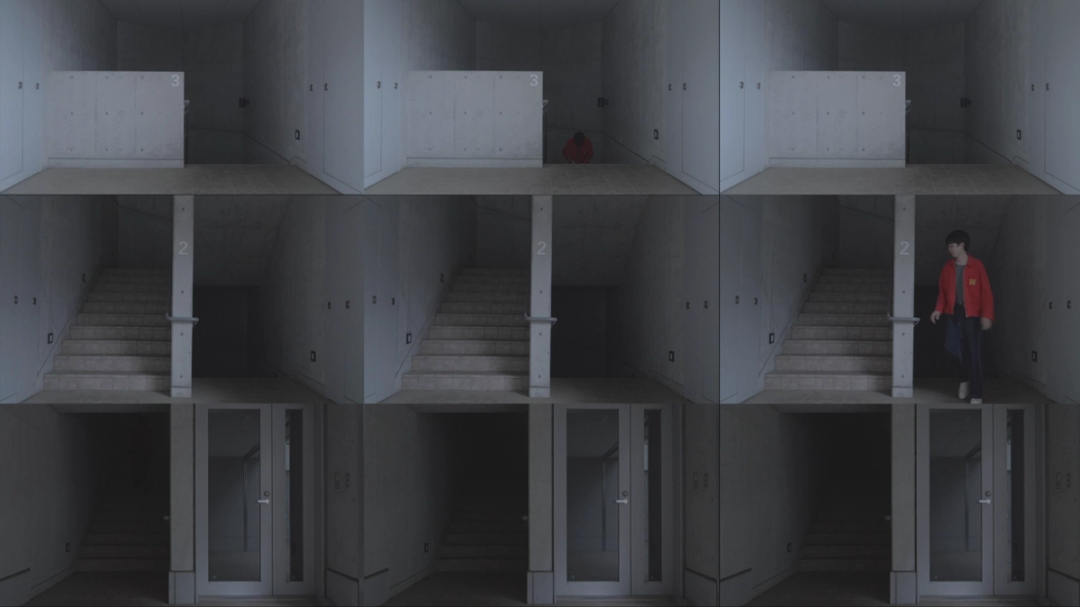
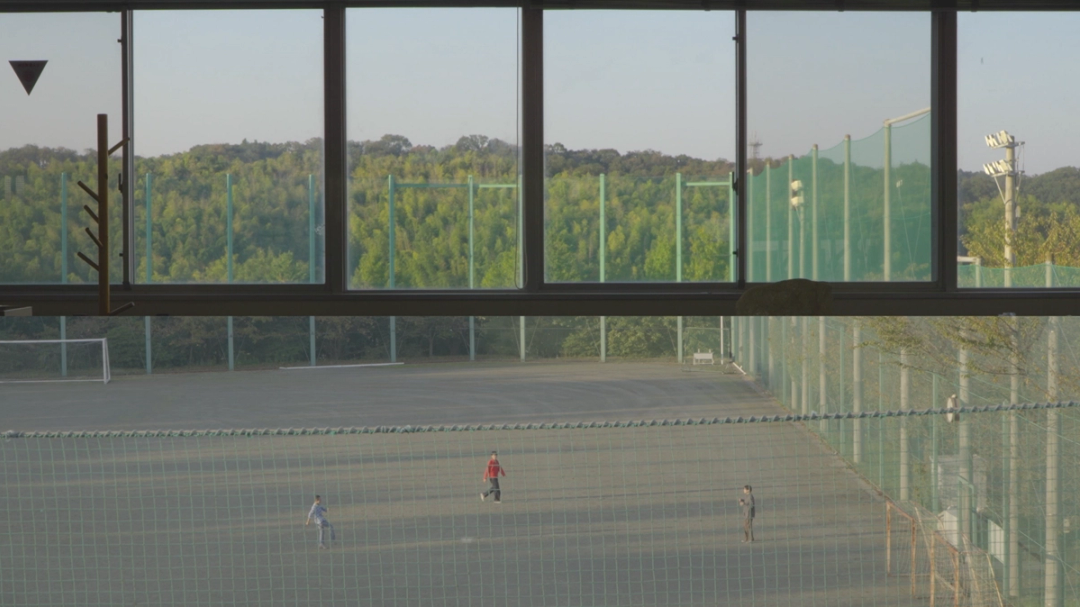
《Before, After Cognition》 (2025, Hitoki Keino)
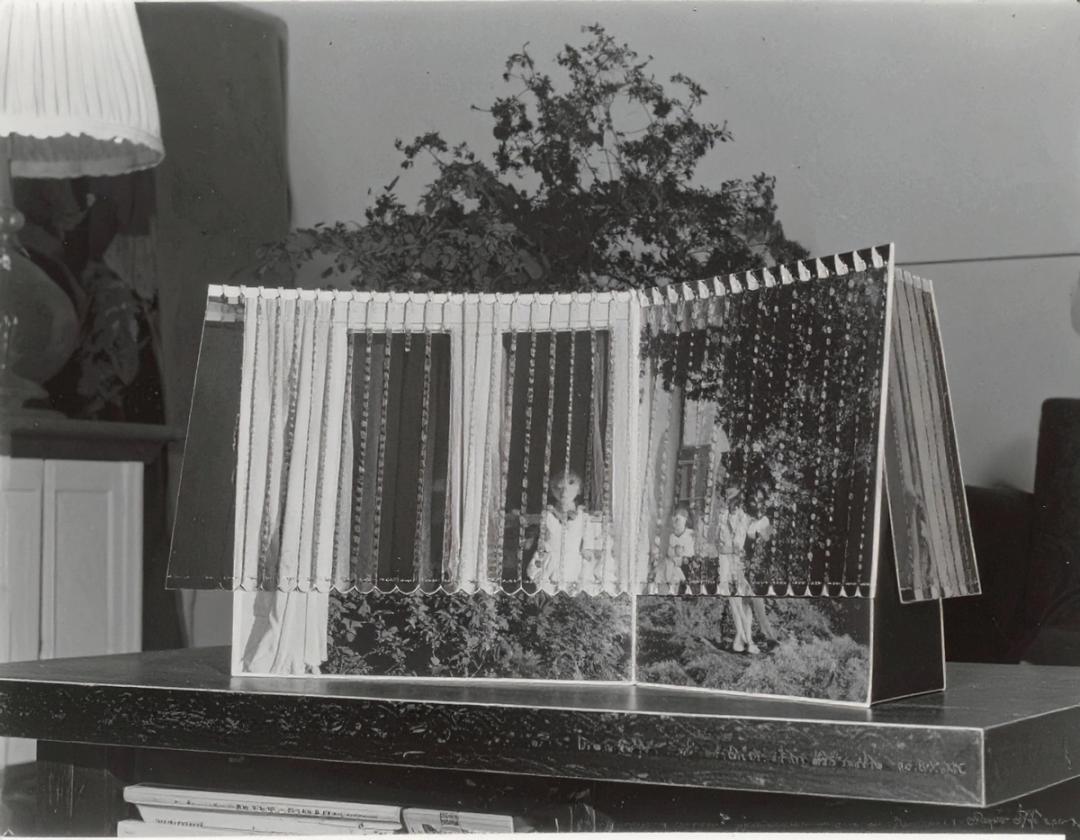
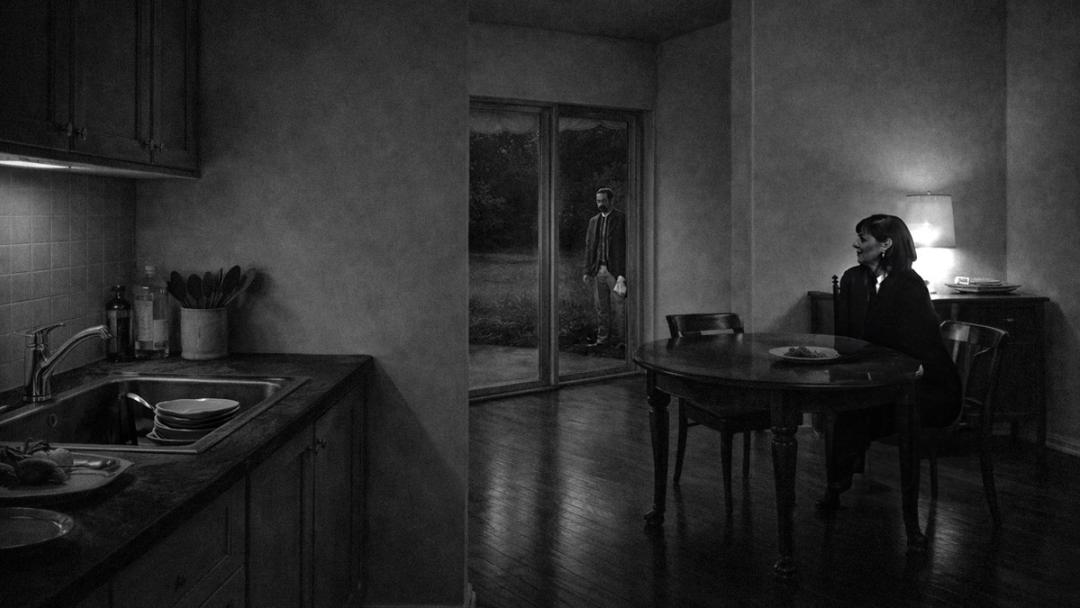
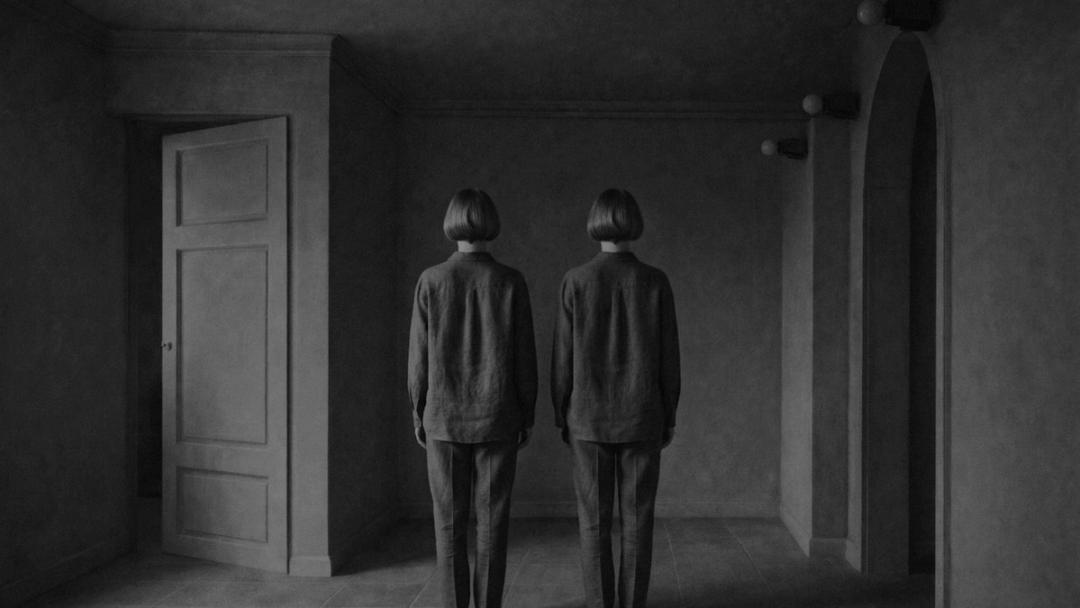
祖父母の家で体験した、夜間に外部から差し込んだ〈ある光〉は、事件として特定できるものではなく、主体や行為の意図を欠いたまま記憶に残存している。この体験は反復的に想起されることで、親しみのある家を次第に「全体を捉えることのできないもの」へと変質させていった。本研究は、フロイトの「不気味なもの」の概念を理論的基盤とし、抑圧されたものが偶然や反復を契機に回帰する現象を、恐怖としてではなく、向けられるべき対象の定まらない不安として捉える。そしてその感覚を、精神分析として内面に回収するのではなく、幼少期に祖父母の家で体験した説明不可能な出来事をアブダクションによって構成されたフィクショナルな家として外在化し、現実世界へ問い返すことを試みる。さらに、マーク・フィッシャーのいう「不在の失敗/現前の失敗」の概念を参照し、認識以前(Before)と認識以後(After)の状態を意図的に生成する。その操作は、ファウンドフッテージ的な映像における現実と虚構の狭間の揺らぎを表現する。そこから仮説形成的推論(アブダクション)によって設計された〈Abduction House〉は、予測不可能なプロパビリティを内包しながら、確定しえない出来事の気配を視覚表象として空間化する。このフィクショナルな家は、存在しないにもかかわらず、私たちが当然視している「現実」そのものが、知覚と記憶の編成によって成立していることを可視化させる。かつて18世紀ピ ラネージの幻想建築がそうであったように、私たちの知覚や記憶が構築する建築の姿は、単なる物理的な実体以上の意味を持ち得るのである。
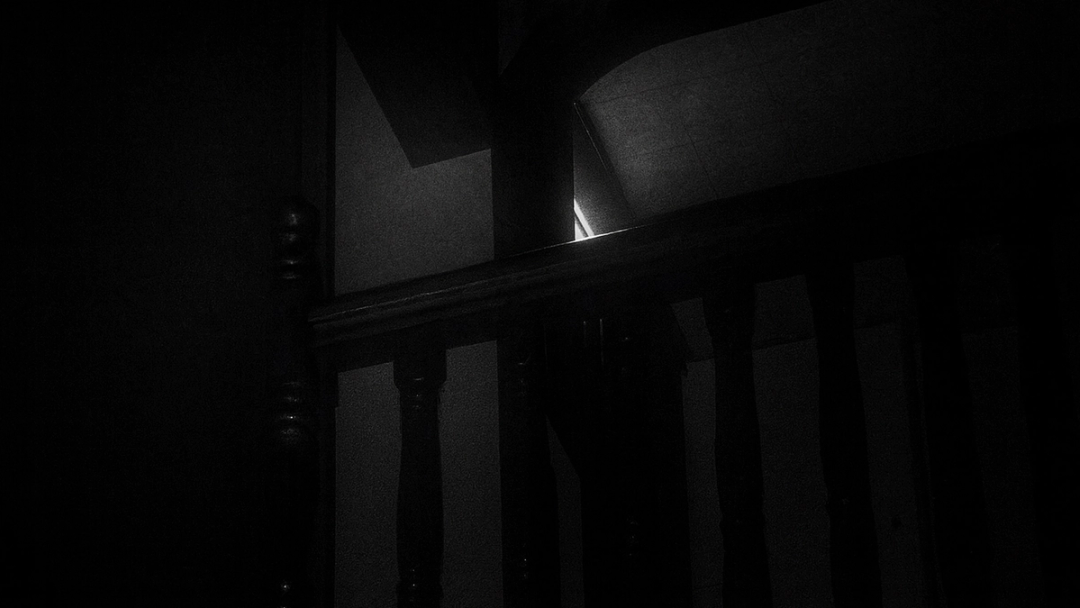
Video, Photo, Novel, Model, Box Model, Installation, Short film, 6min 18sec
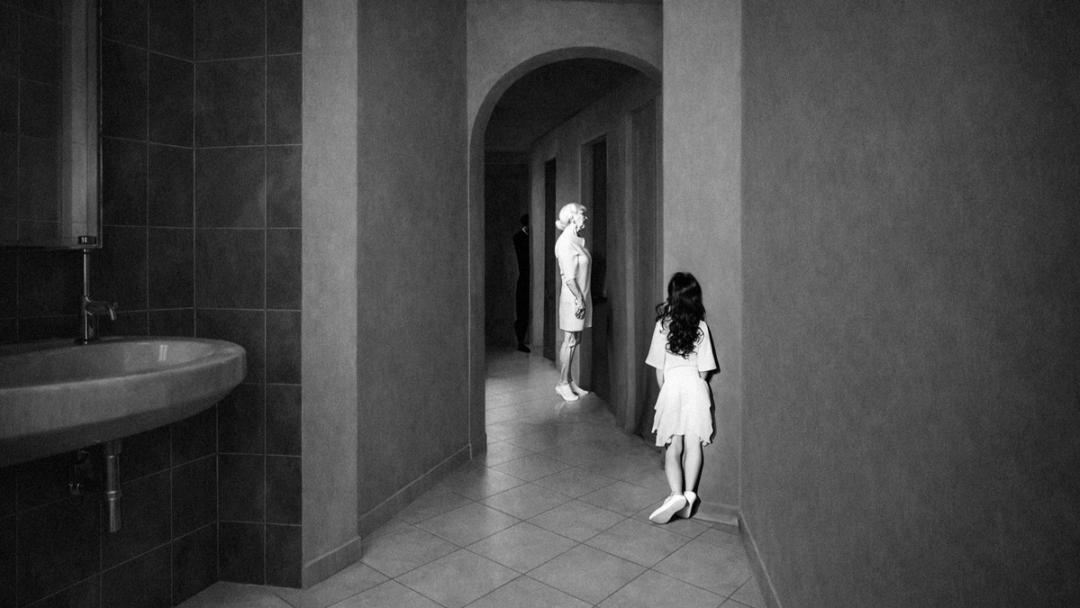
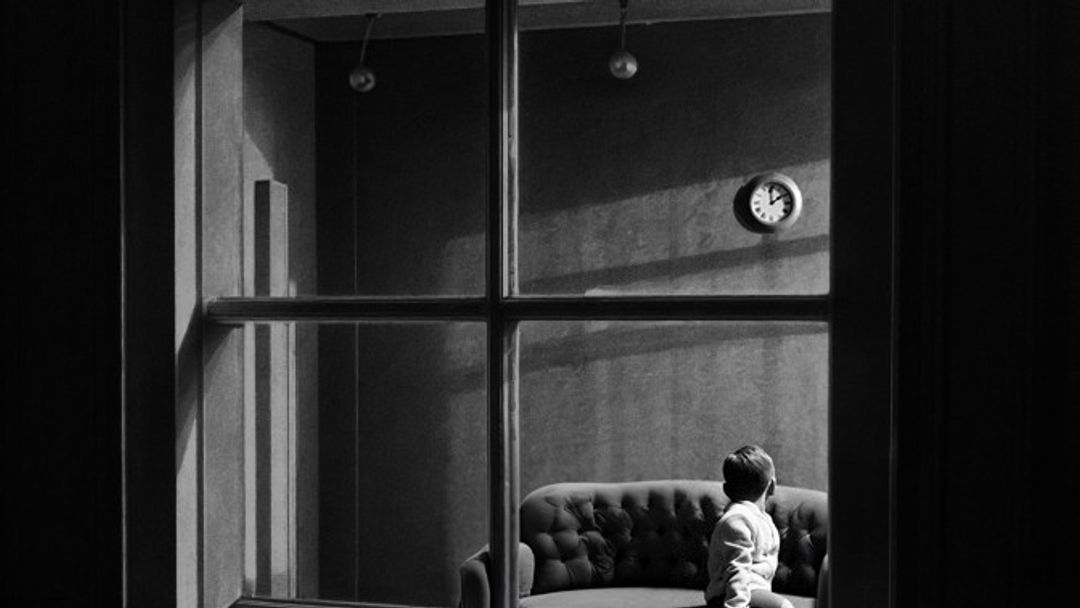
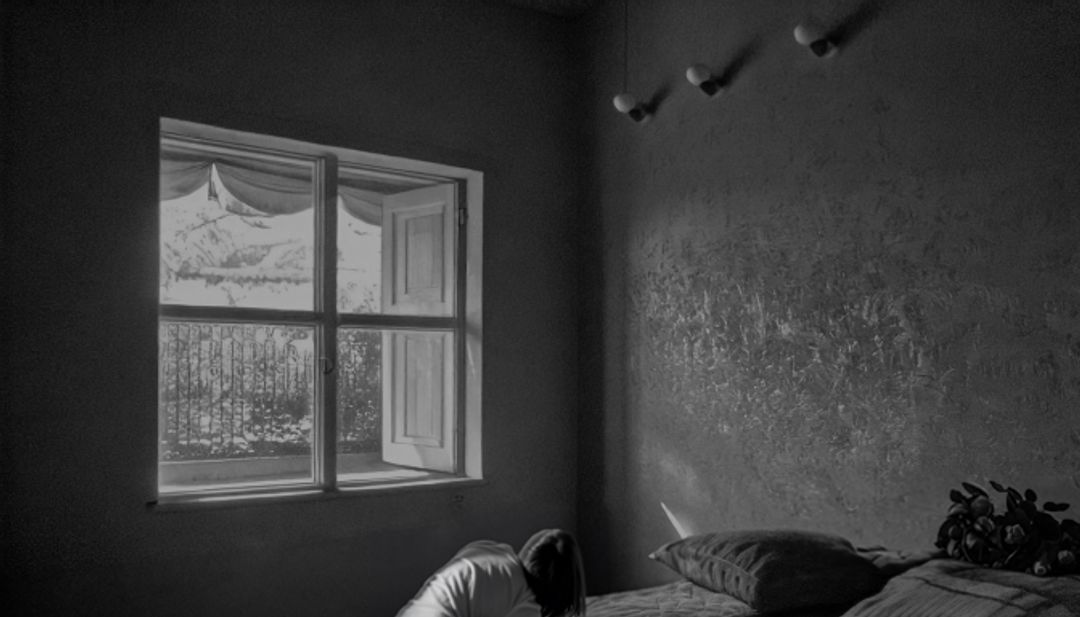
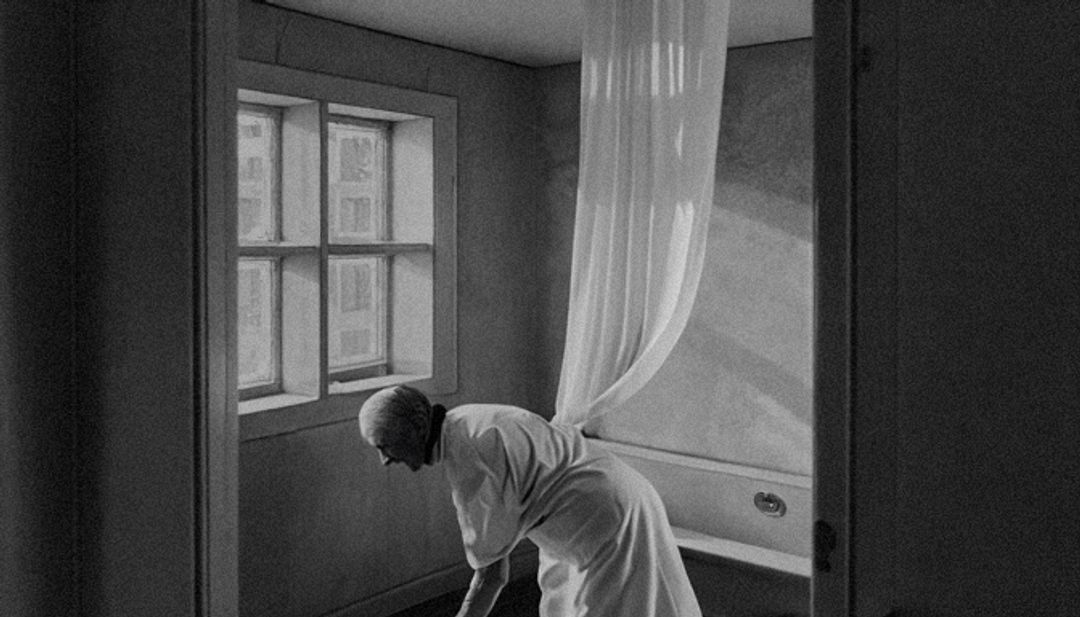
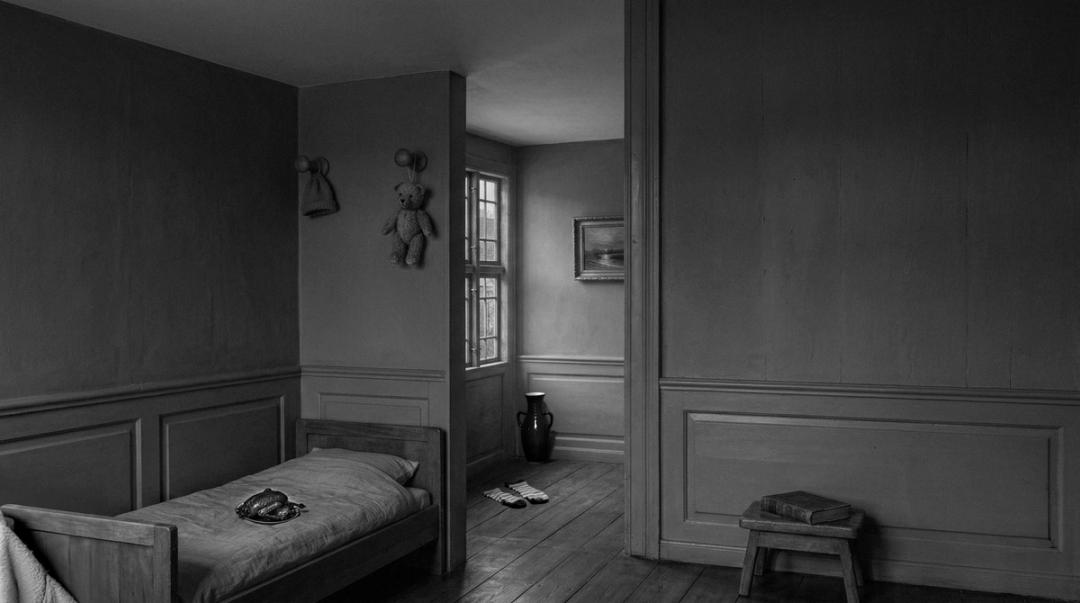
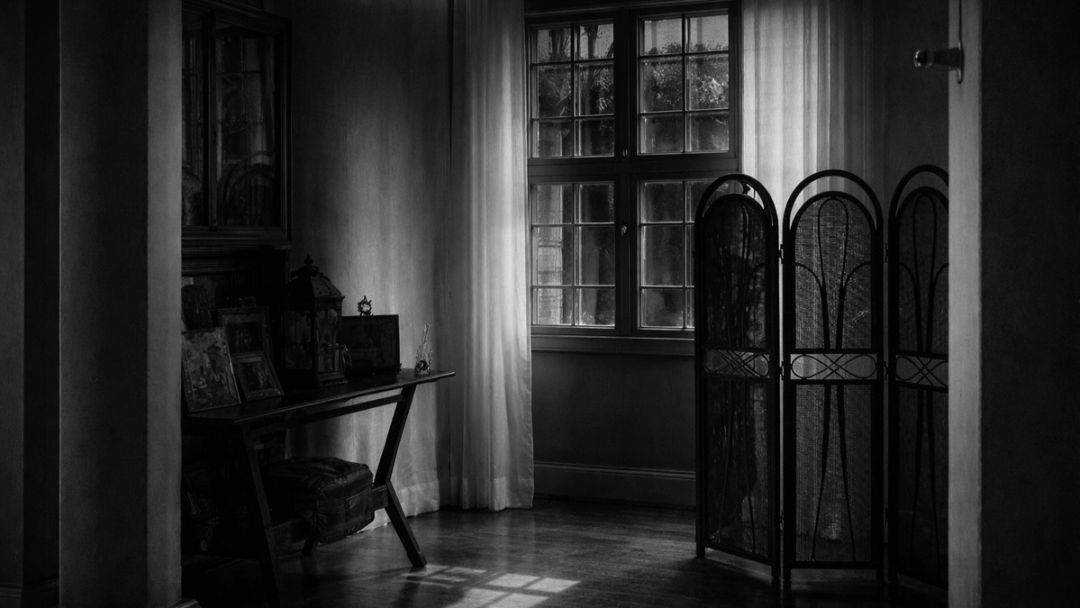
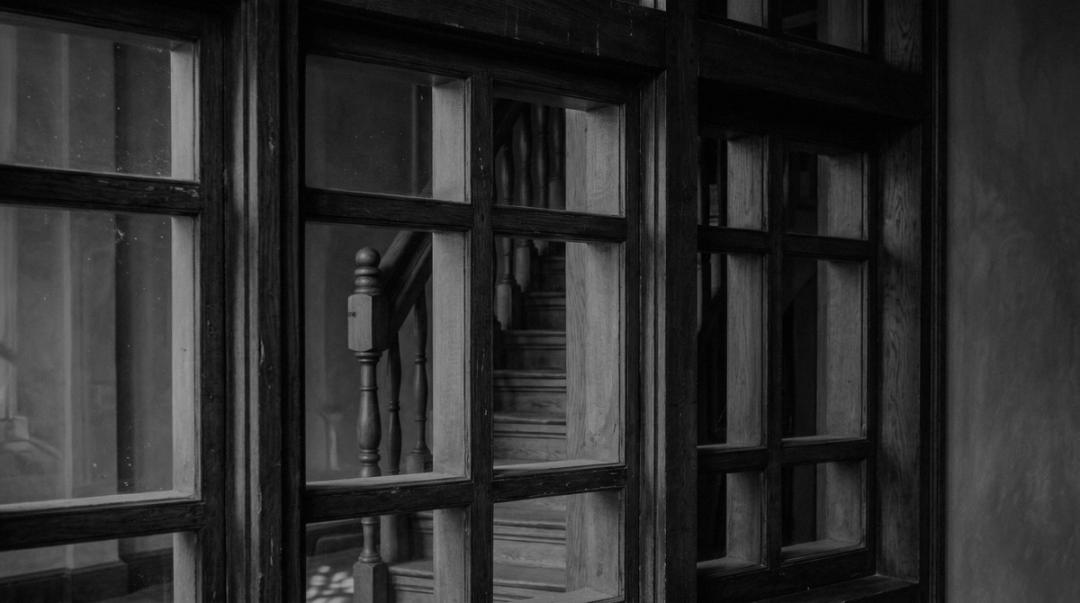
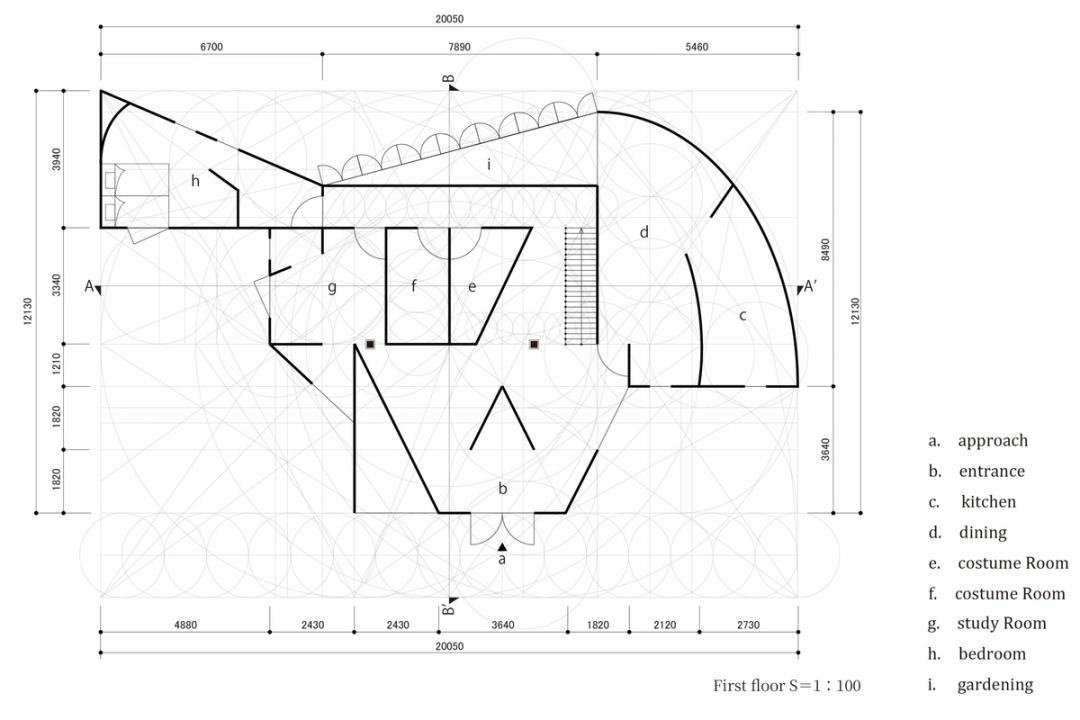
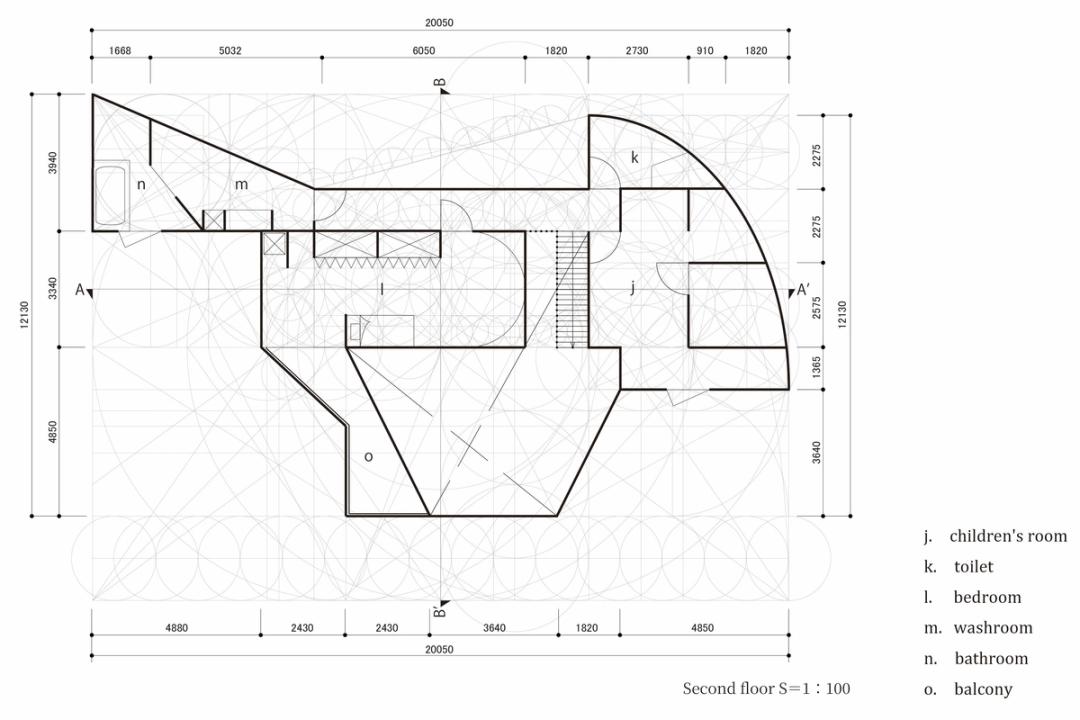
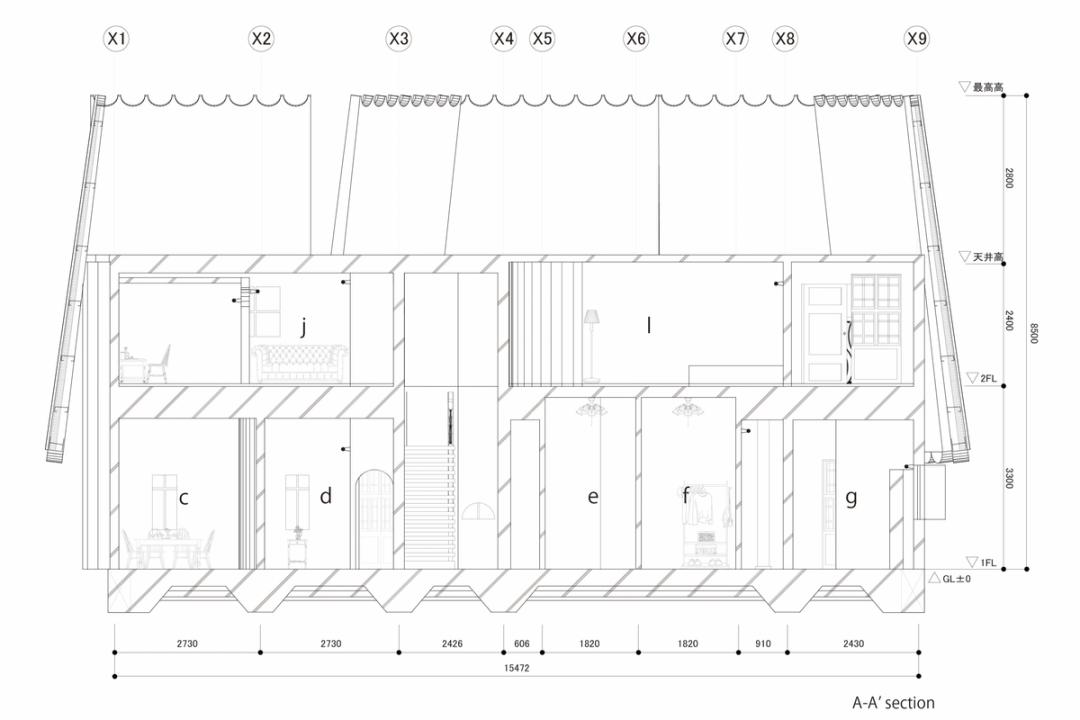
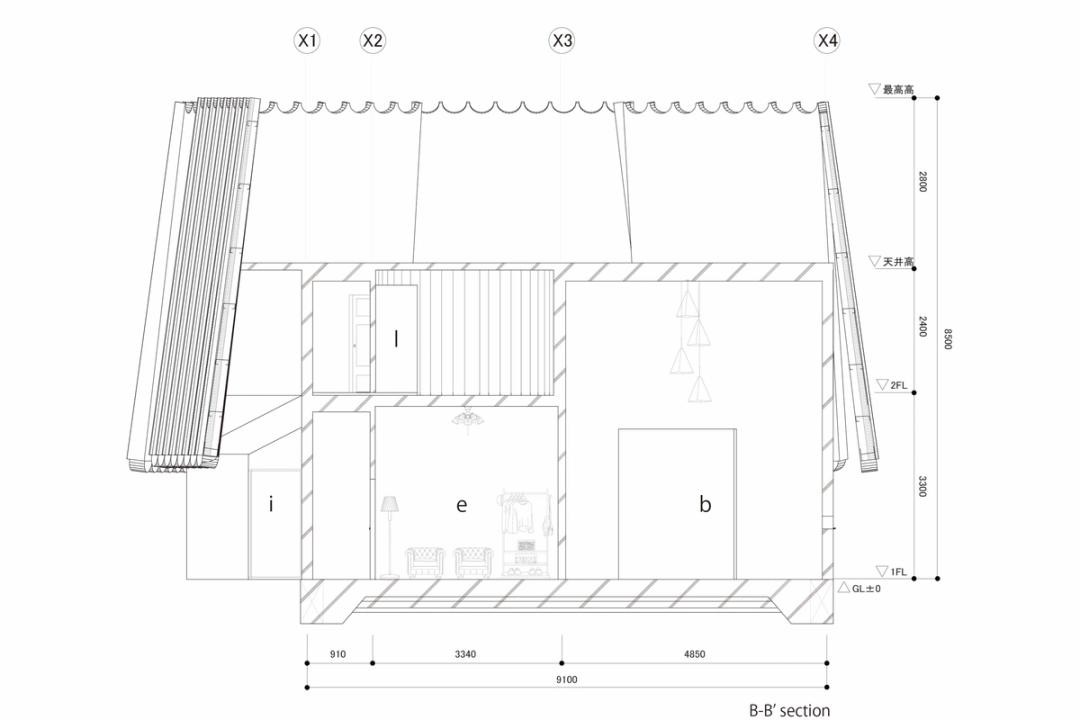
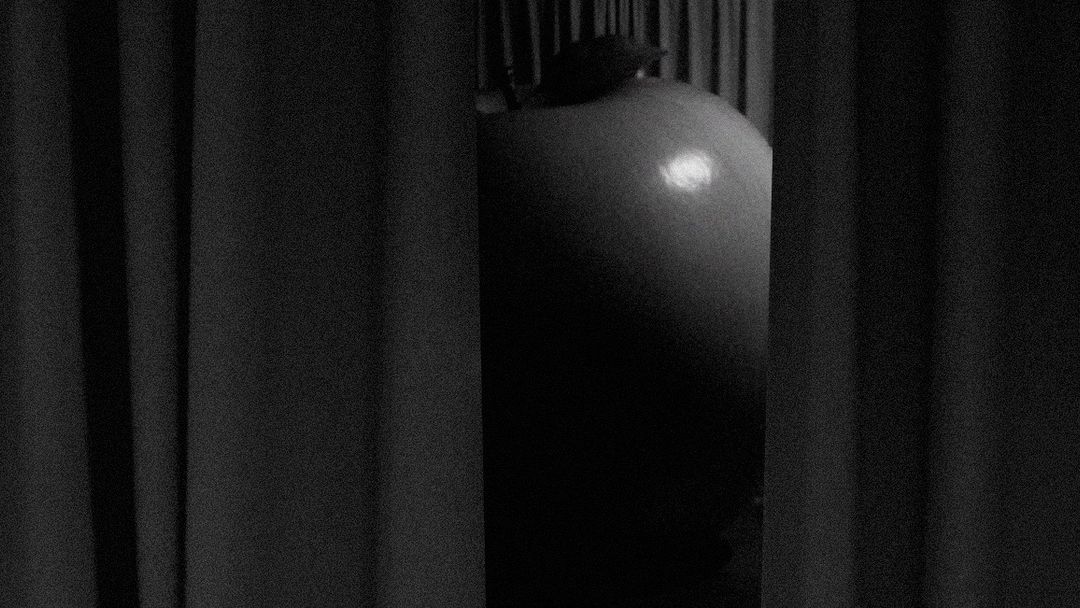
Video:https://youtu.be/Mk_2PDhDYXA
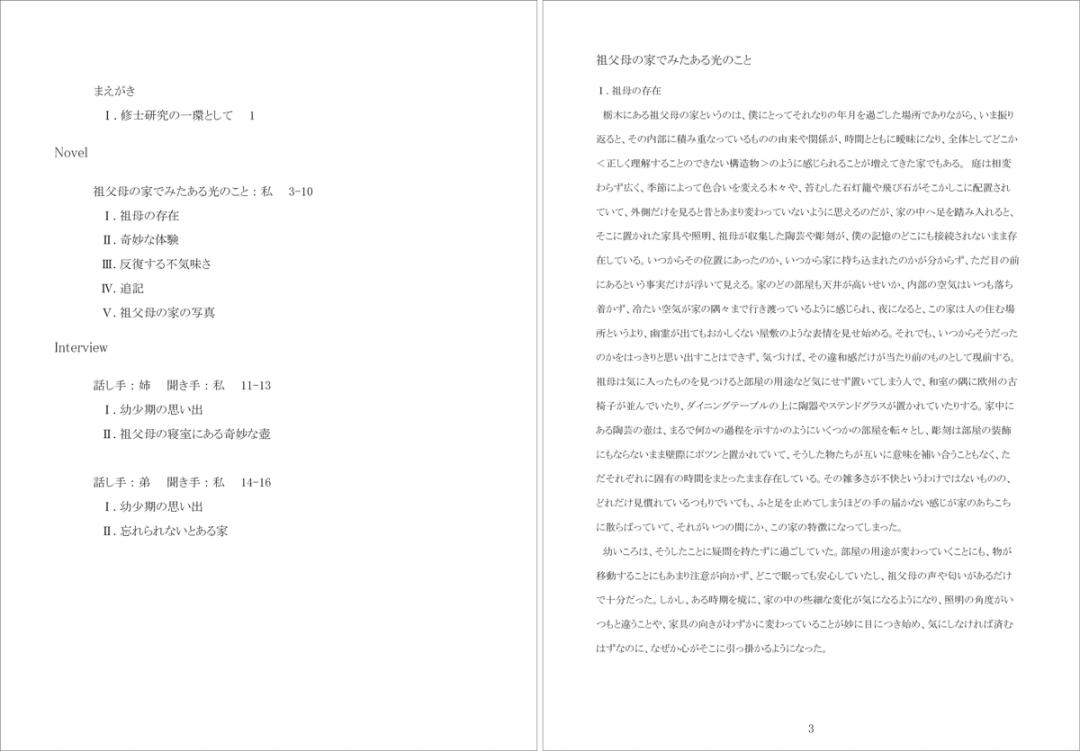
Novel:https://x.gd/jBEV3
"TAMABIRIUM" Project (2026-, STUDIO YUASA Koki Kawamura/Ryota Kikuchi/Kaiyu Hosono)
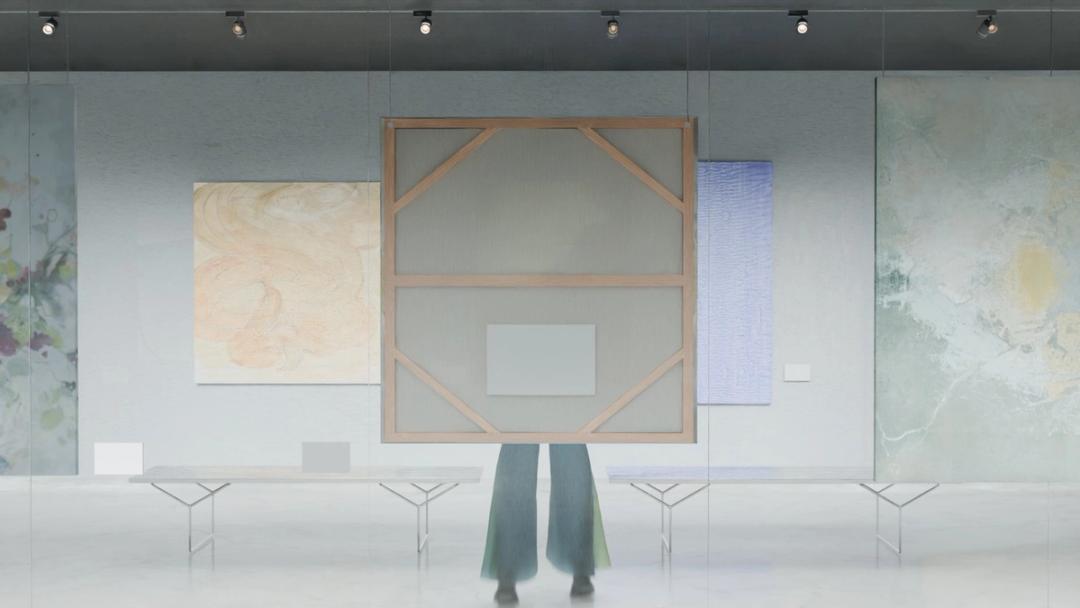
《 Plan A : Glass Wall》 Kaiyu Hosono 2026-
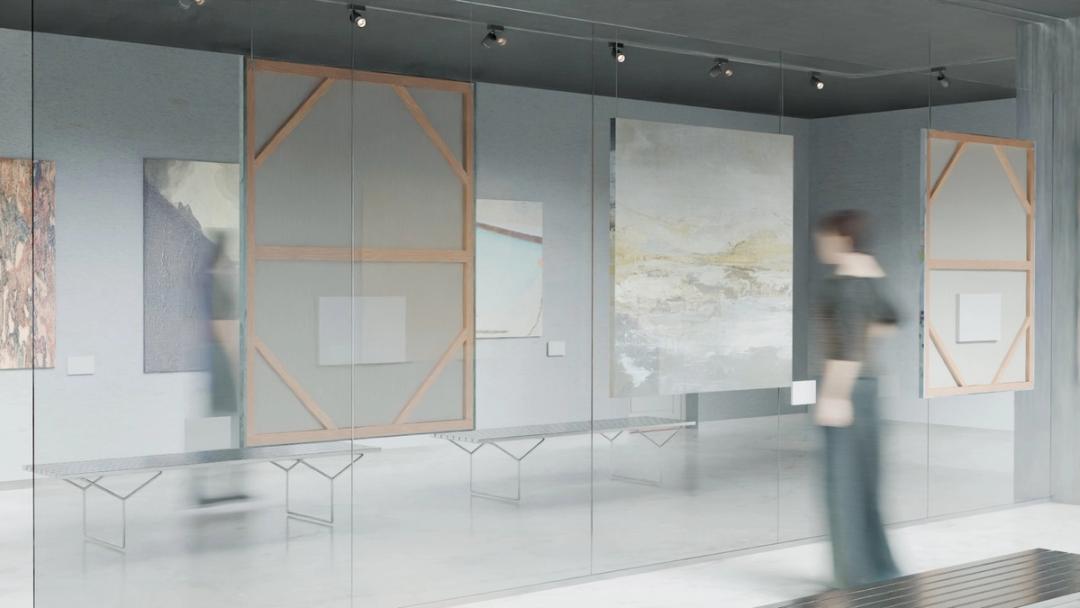
(gallery1・2)
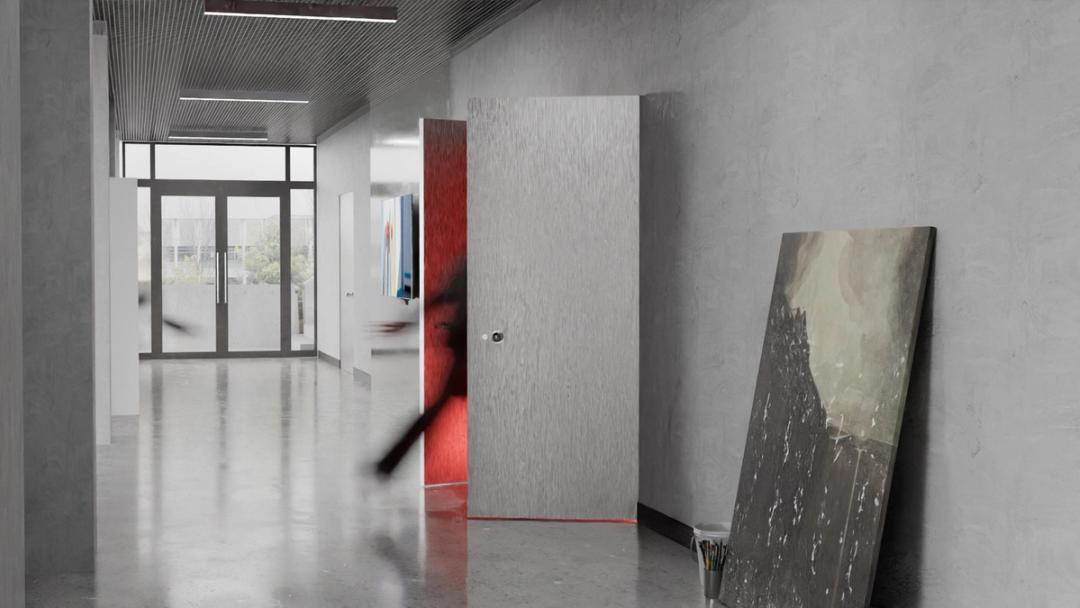
(Entrance)
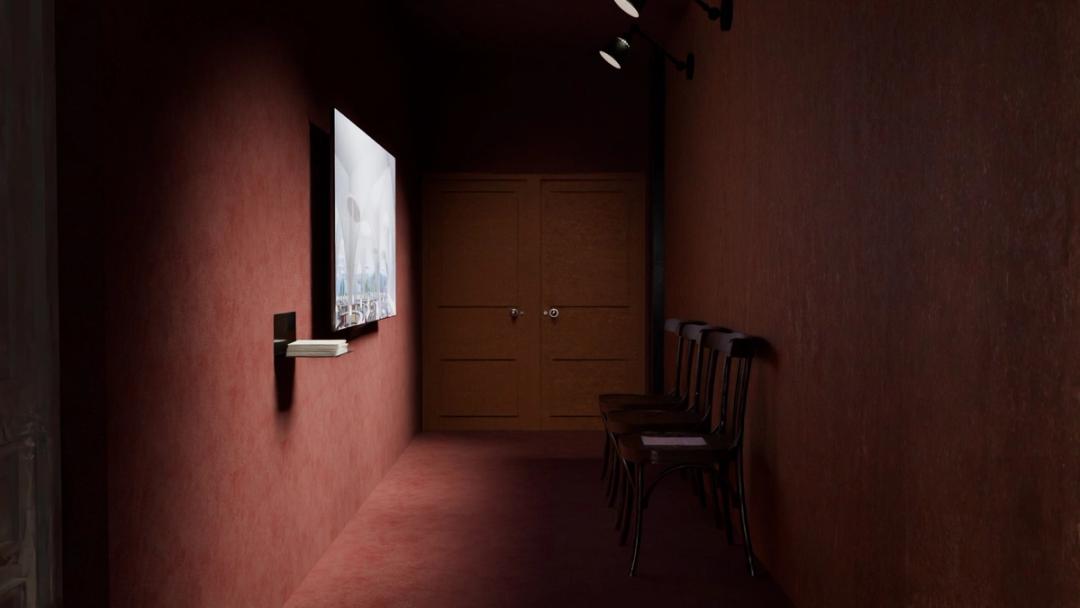
(Theater room)
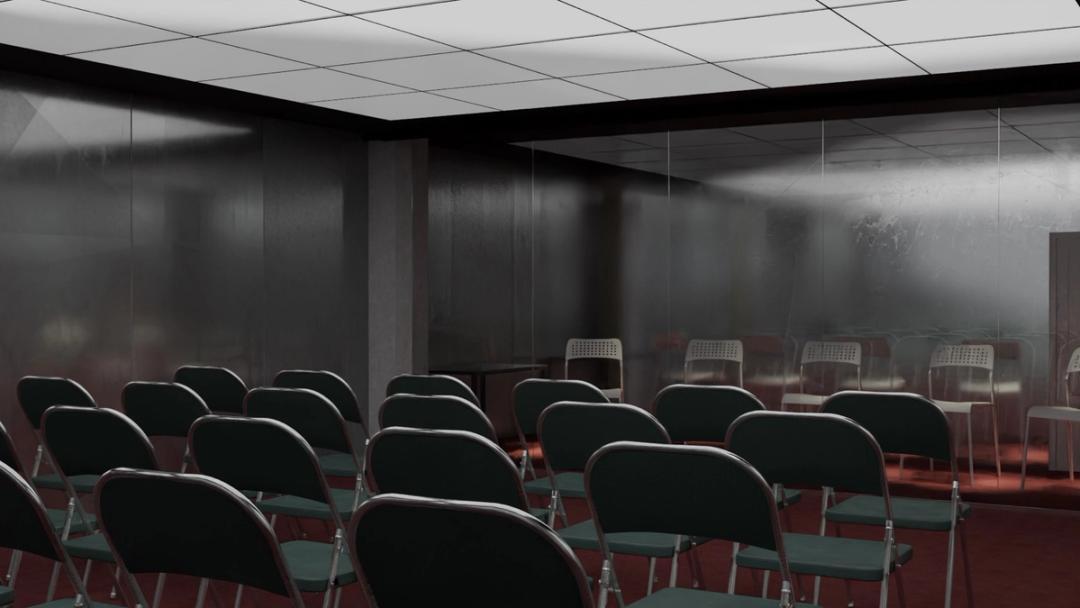
(Salon, Radio Booth)
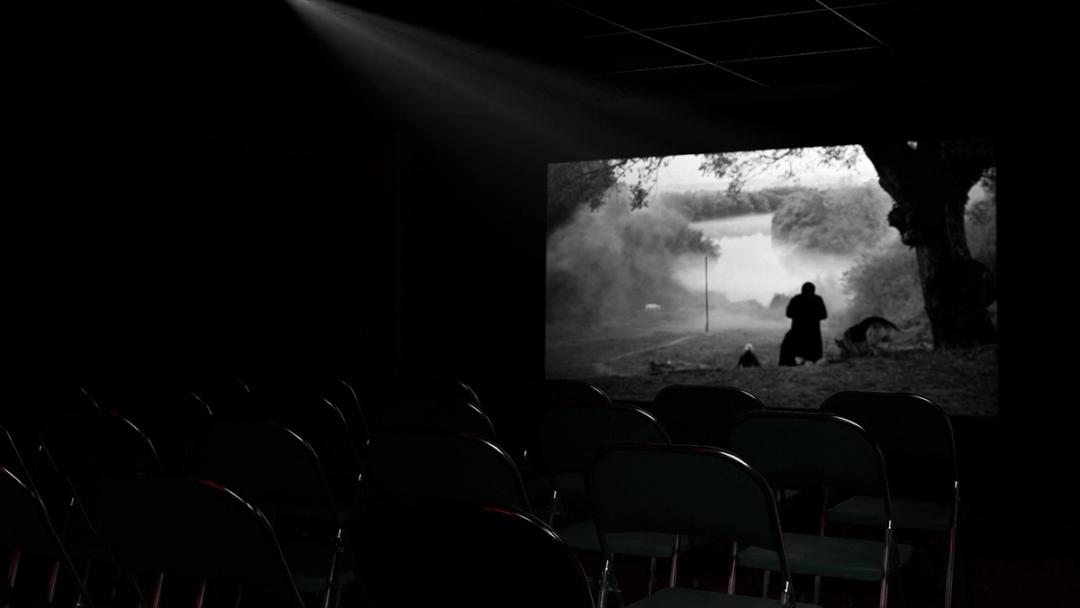
(Salon, Radio Booth (-Now on air-))
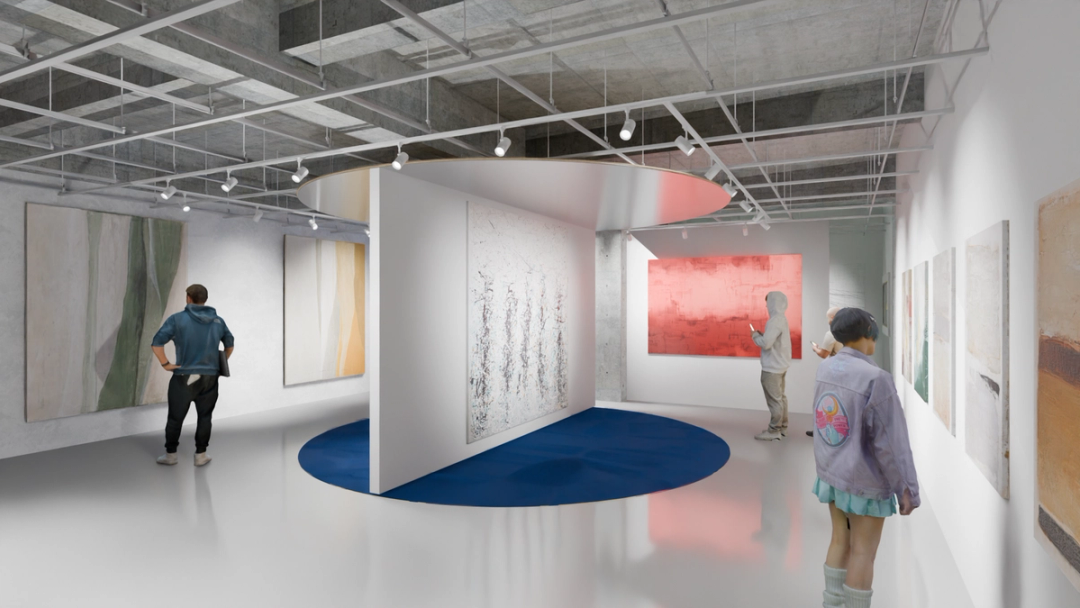
《Plan B : Rotatable Wall》 Koki Kawamura 2026-
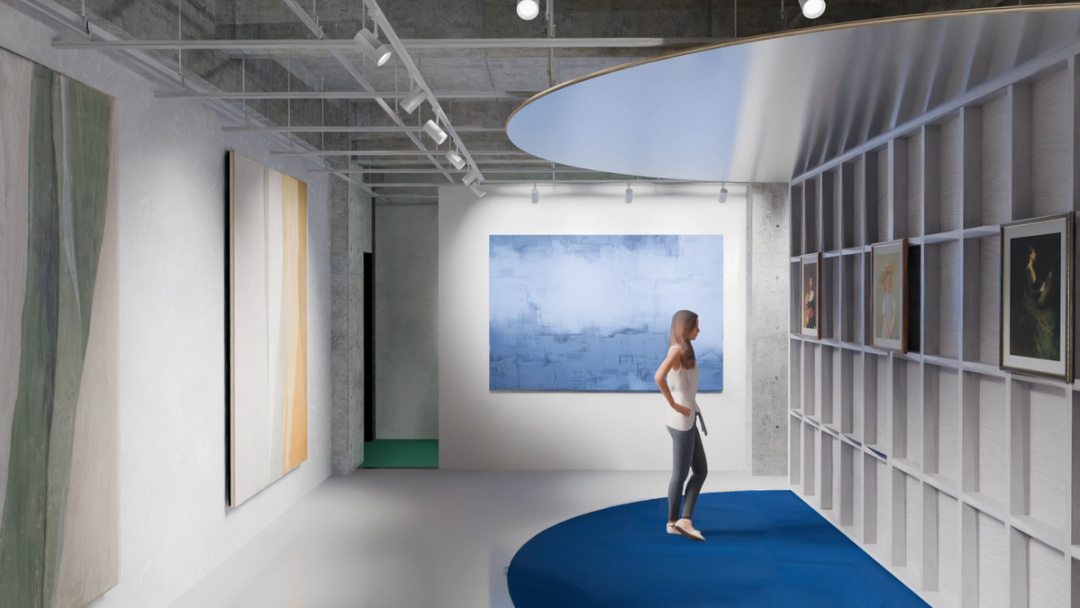
(gallery1)
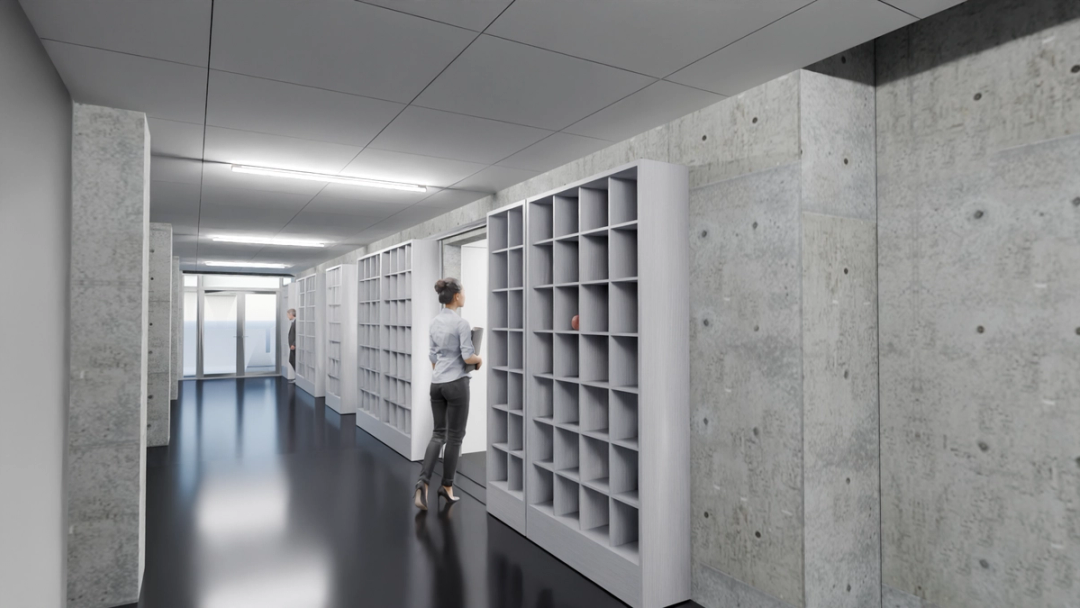
(Entrance)
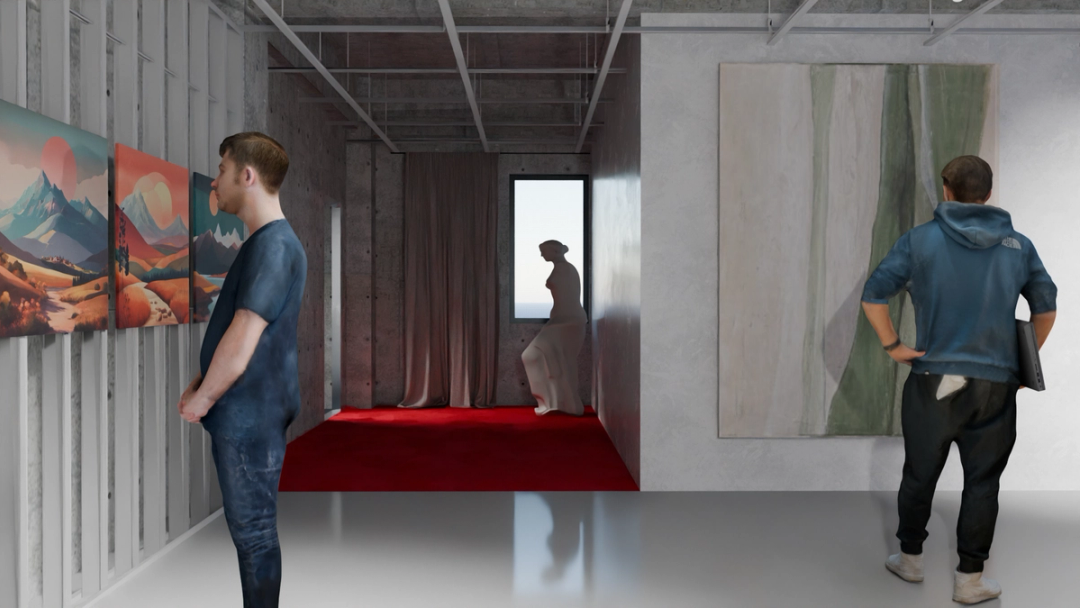
(gallery4)
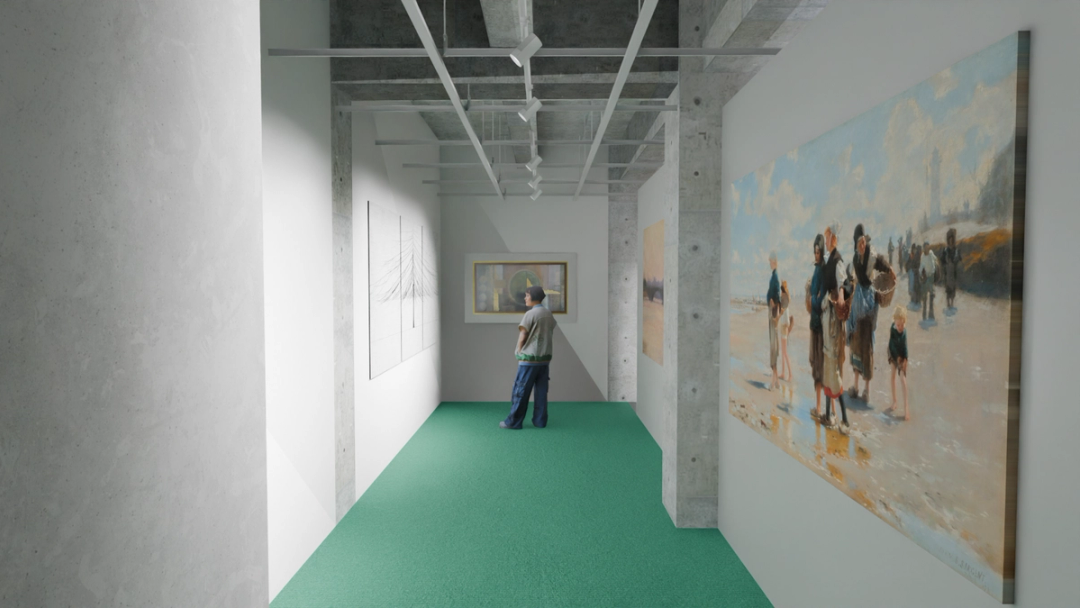
(gallery3)
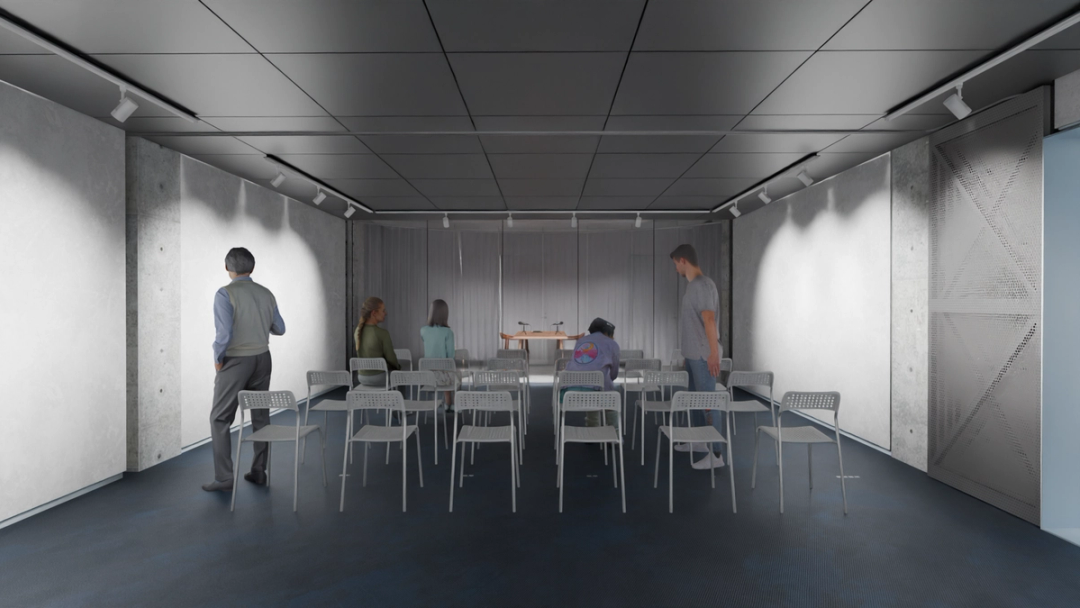
(Salon, Radio Booth)
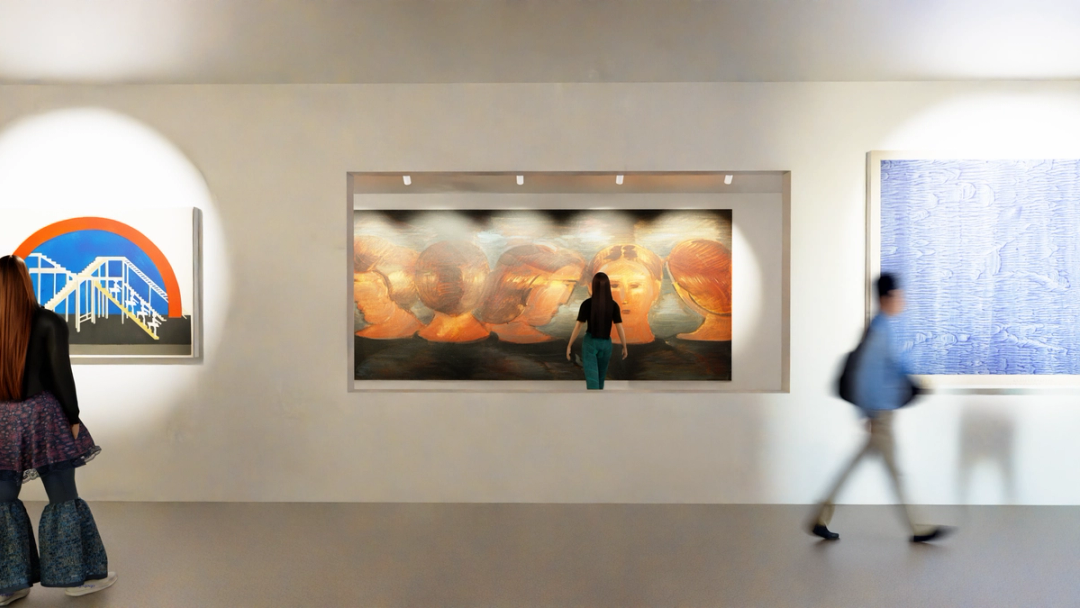
《Plan C : Wall with Opening》 Ryota Kikuchi 2026-
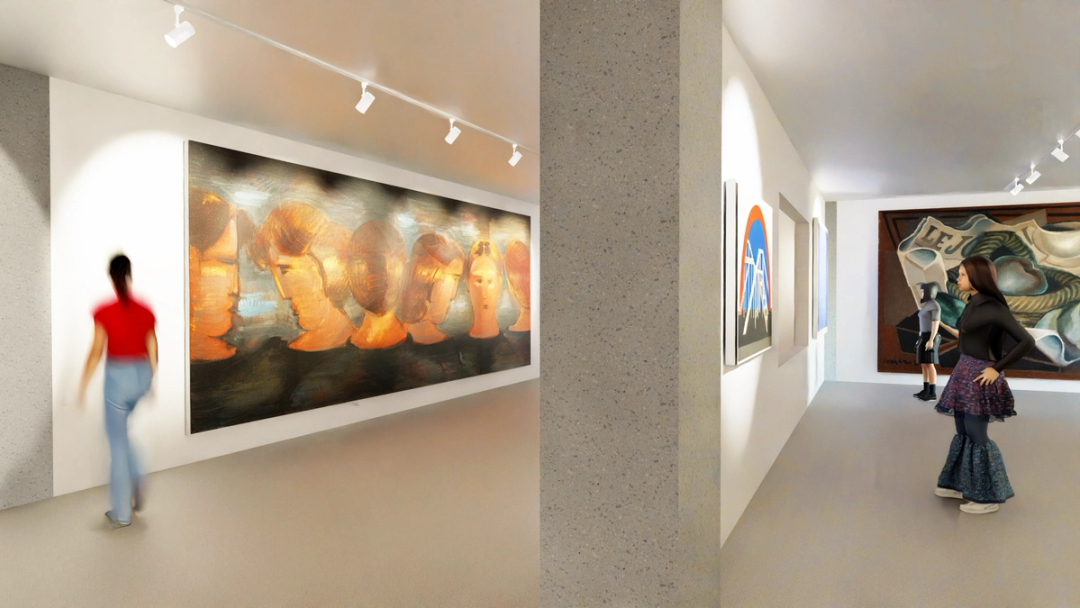
(gallery2・3)
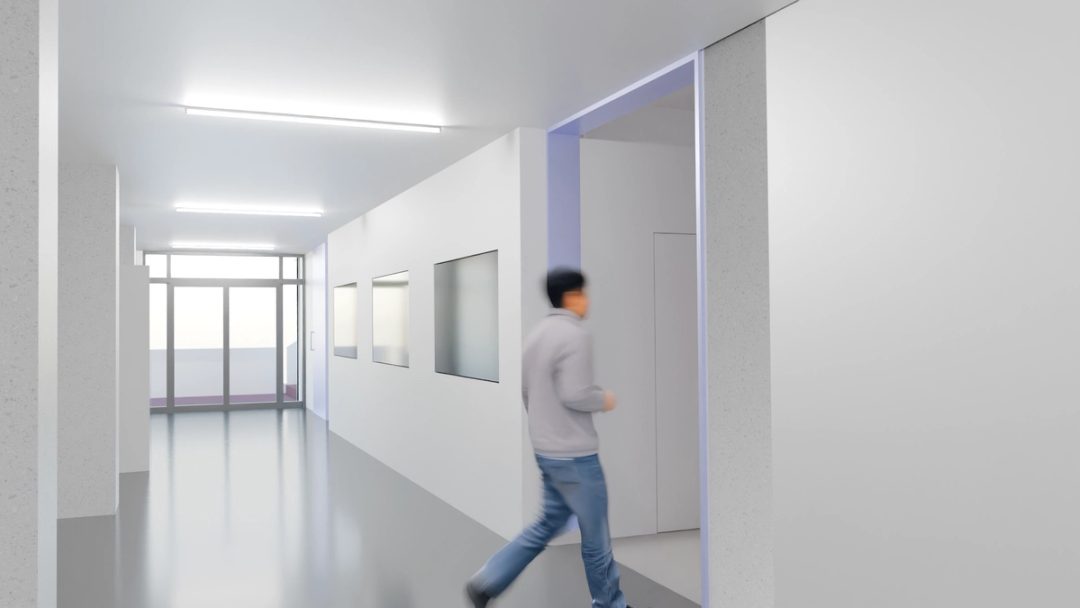
(Entrance)
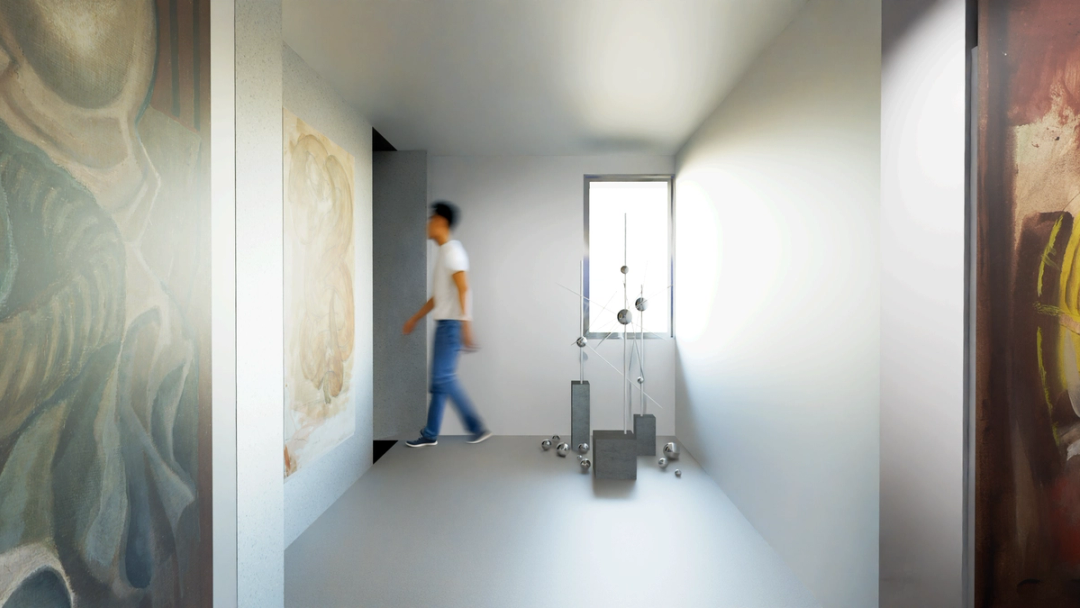
(gallery4)
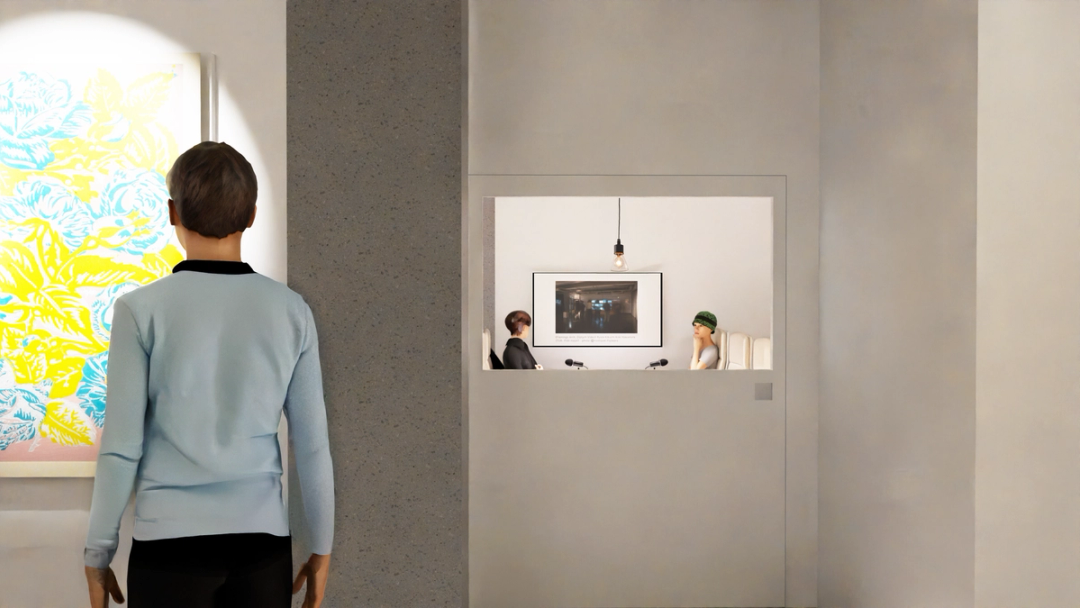
(Radio Booth)
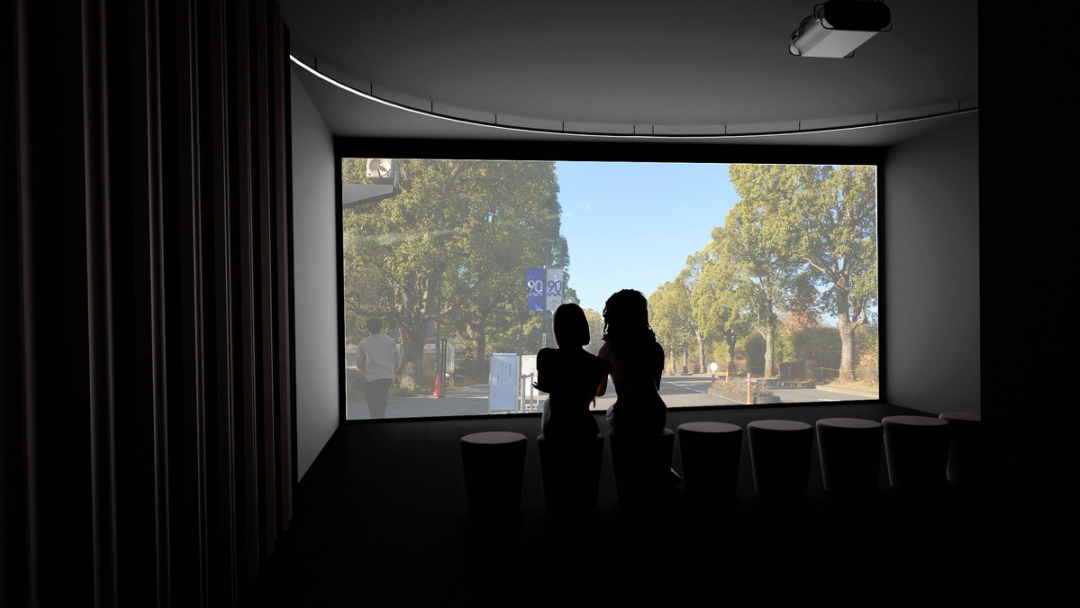
(Theater room)
《Hologram House》 Mixed media(2025,Koki Kawamura)
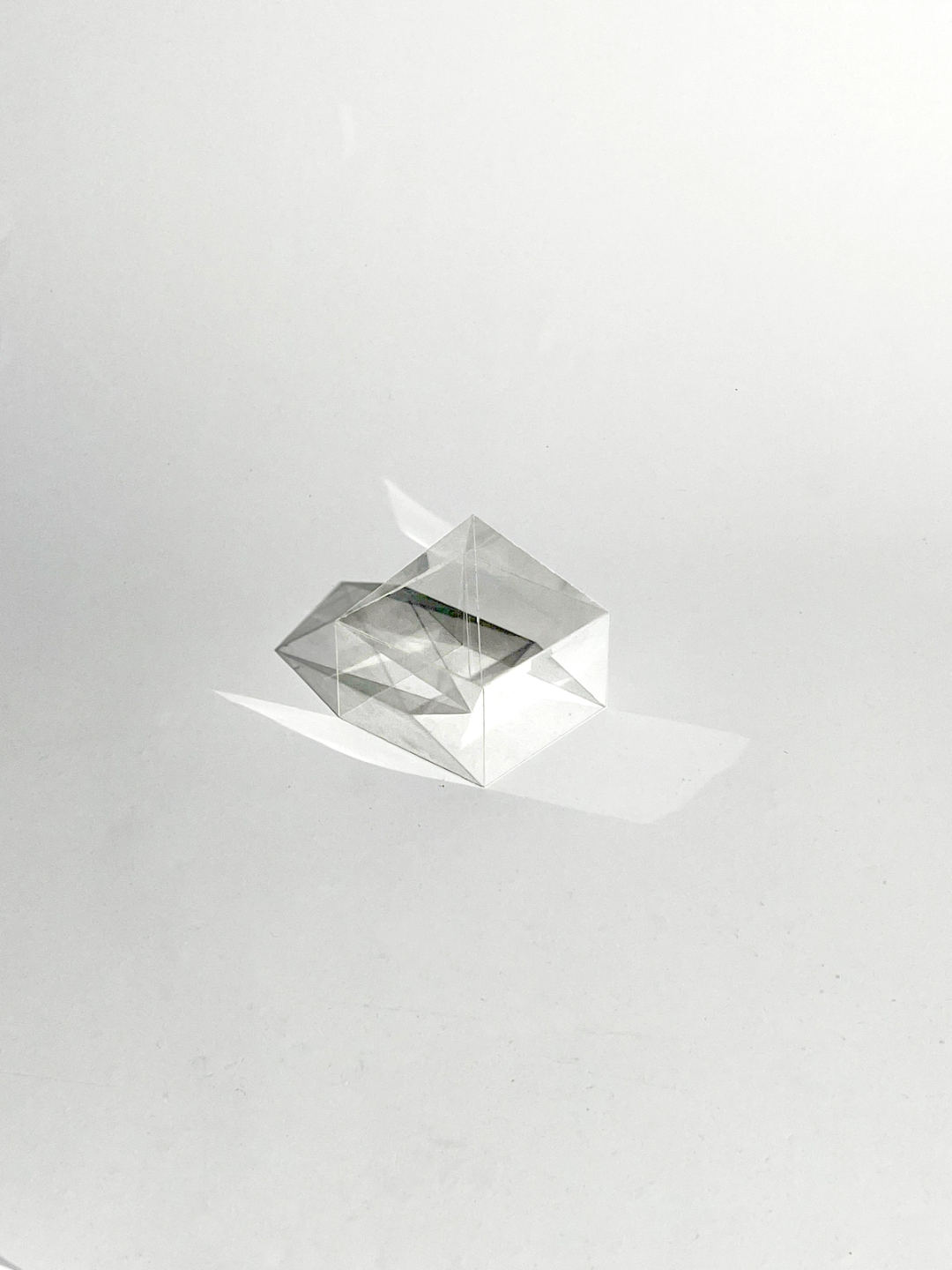
本作《Hologram House》は、変容し続ける媒体を光源とし、平面の枠組みを超えた立体的な像を現出させる試みである。
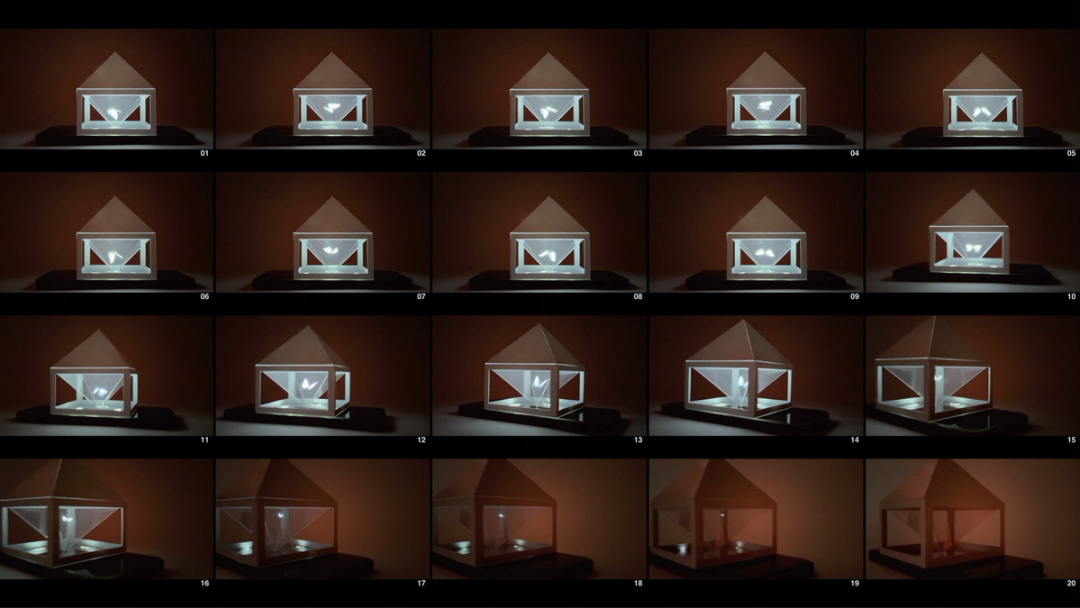
デバイスからの光が空間で交差し、像を結ぶとき、鑑者は物理的な実体を伴わないはずの「形」を知覚する。特定の場所に定着することなく、光の干渉によって浮遊する像の可能性を探り、対象が「ある」のか、「ない」のかという二元論の間に横たわる、境界域の検証である。
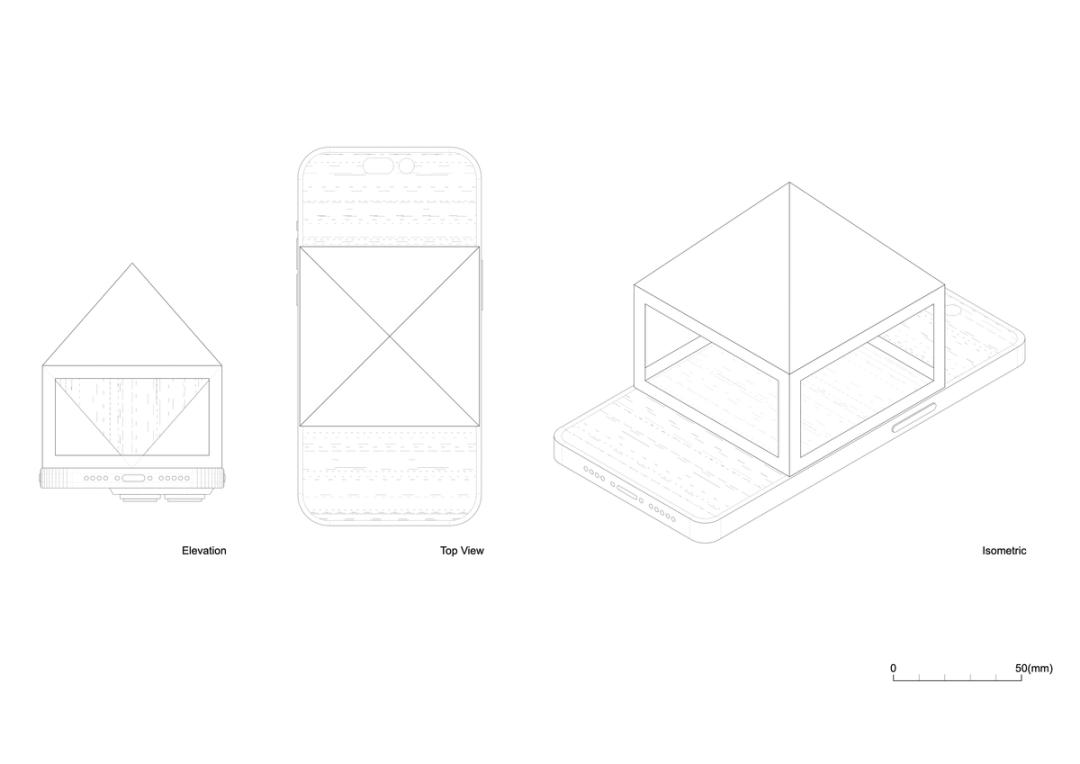
Elevation + Top View + Isometric Diagram
《Mirror House》 Mixed media(2025,Koki Kawamura)
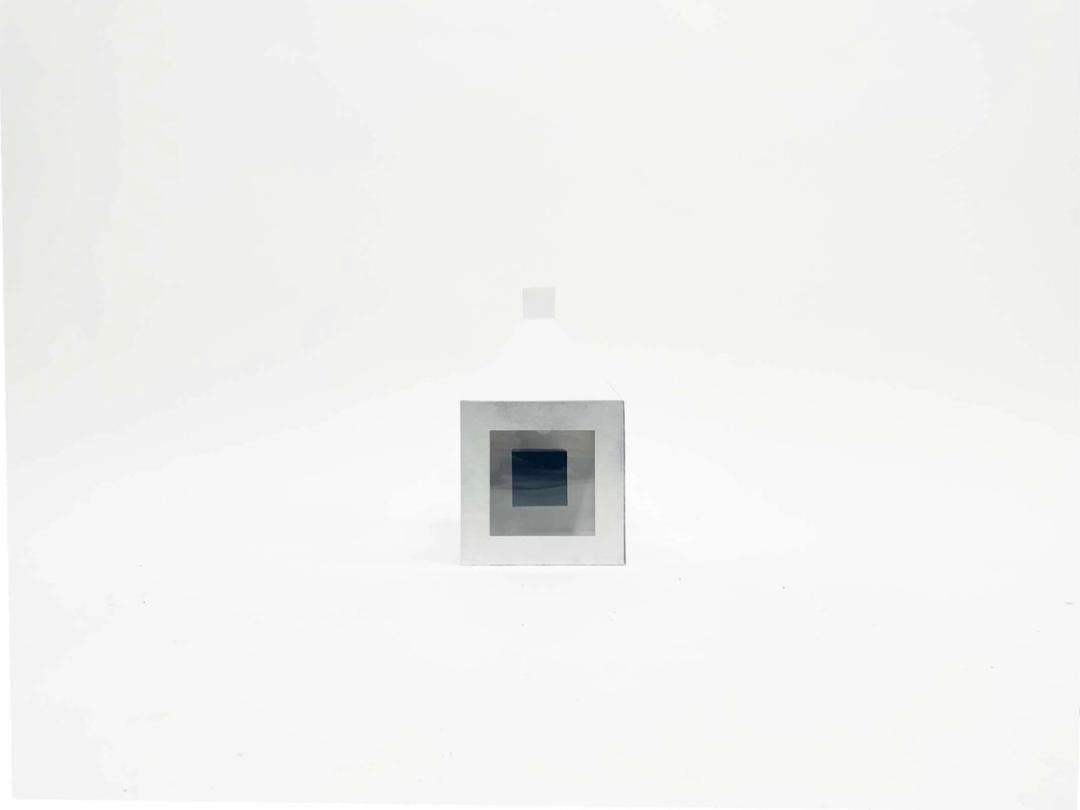
■
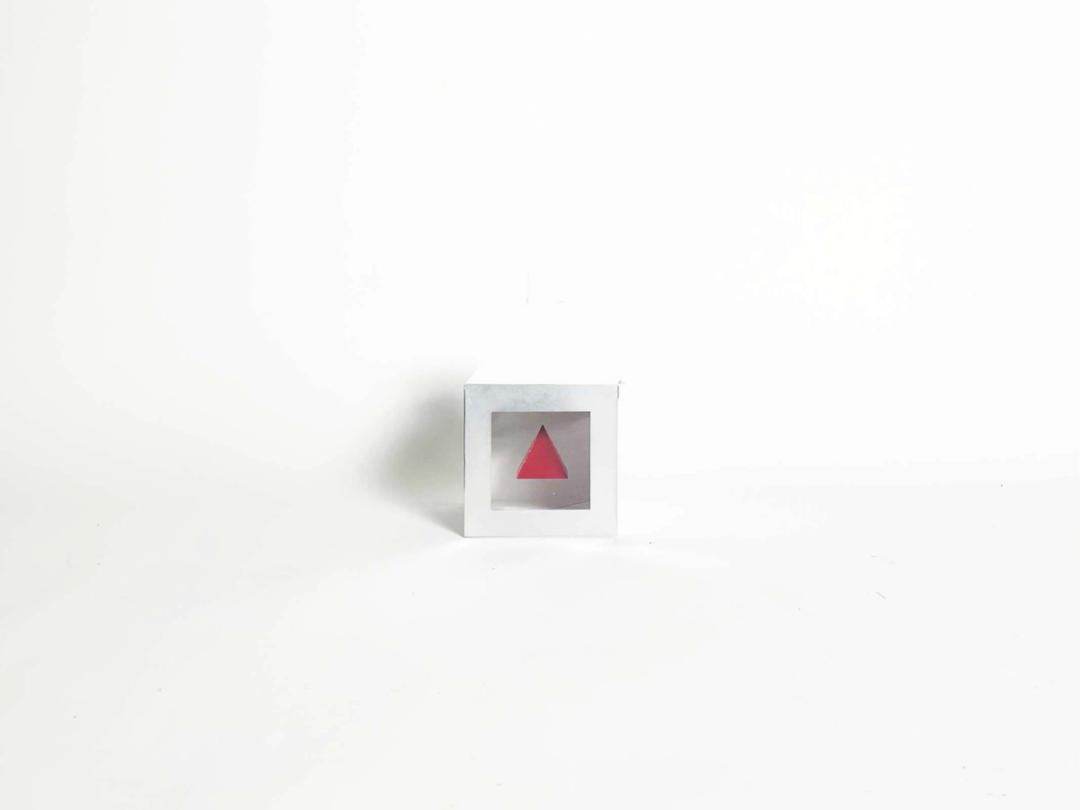
▲
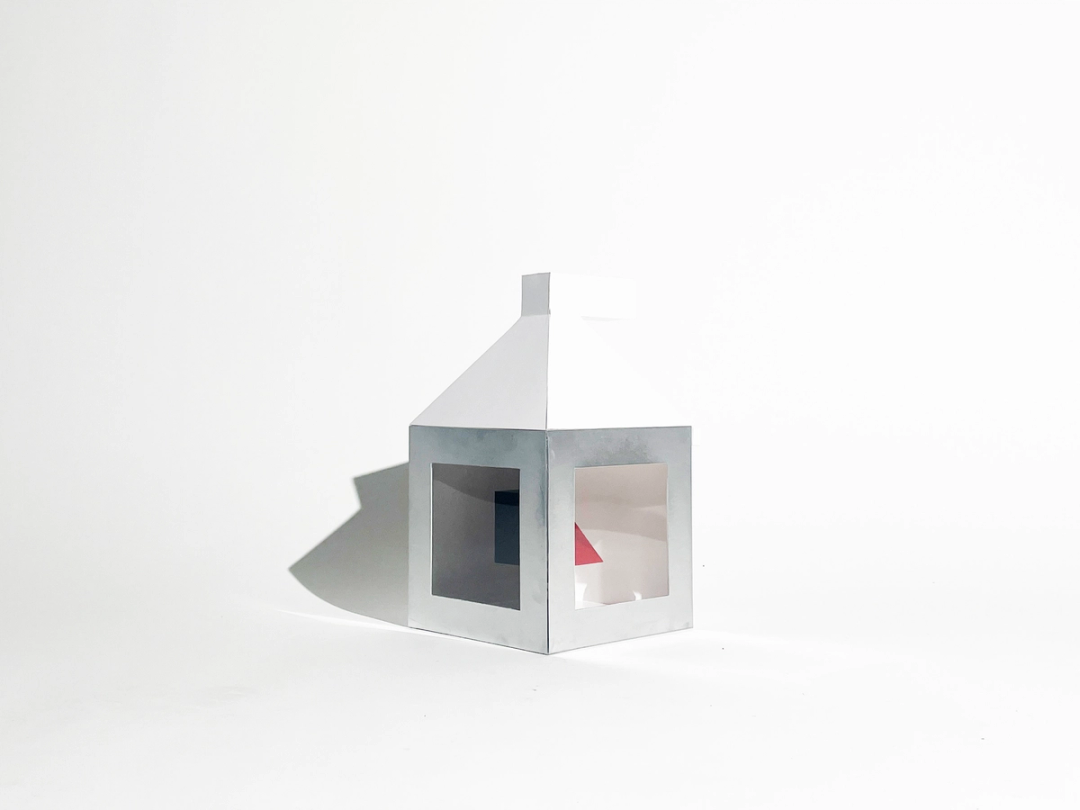
視覚表象の多義性をテーマとした本作は、鑑者の視点によってその姿が変容する。ある一点からは■が、別の角度からは▲が浮かび上がり、同一の客体でありながら相容れない二つの像を提示する。デュシャンが、ある状態が異なる状態へ移行するときに生まれる微妙な境界域を「アンフラ・マンス」と呼んだように、本作も知覚の僅かな差異が対象の在り方を決定づける境界を探る。
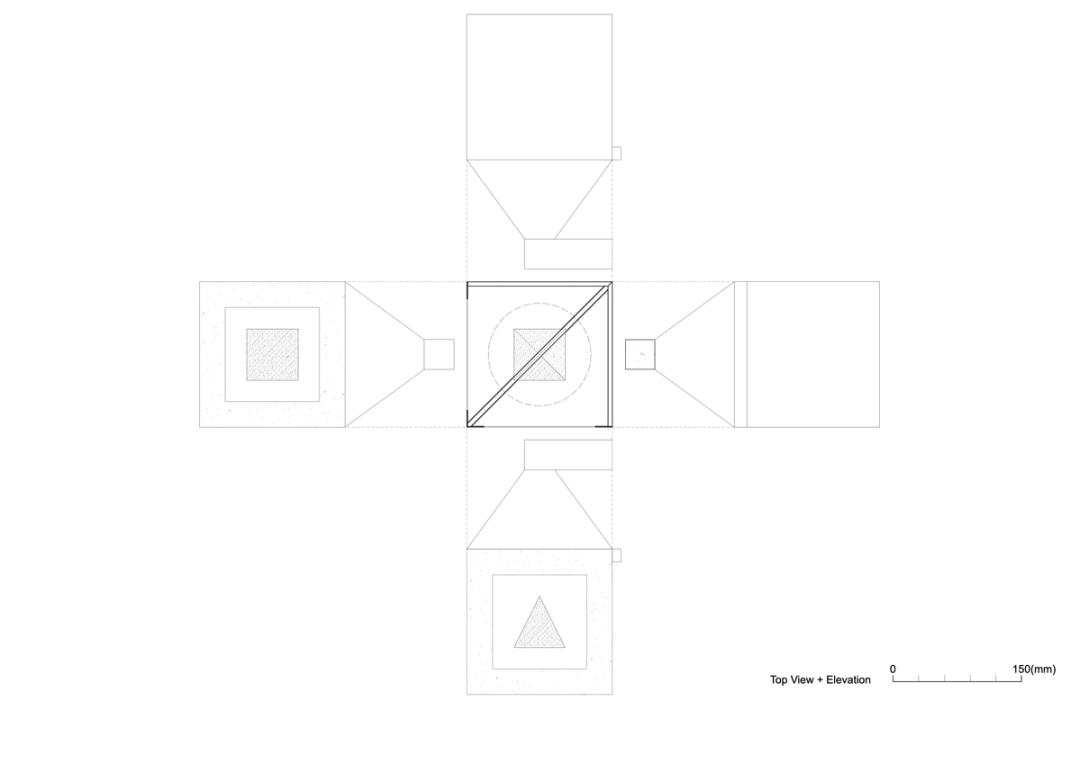
Top View + Elevation
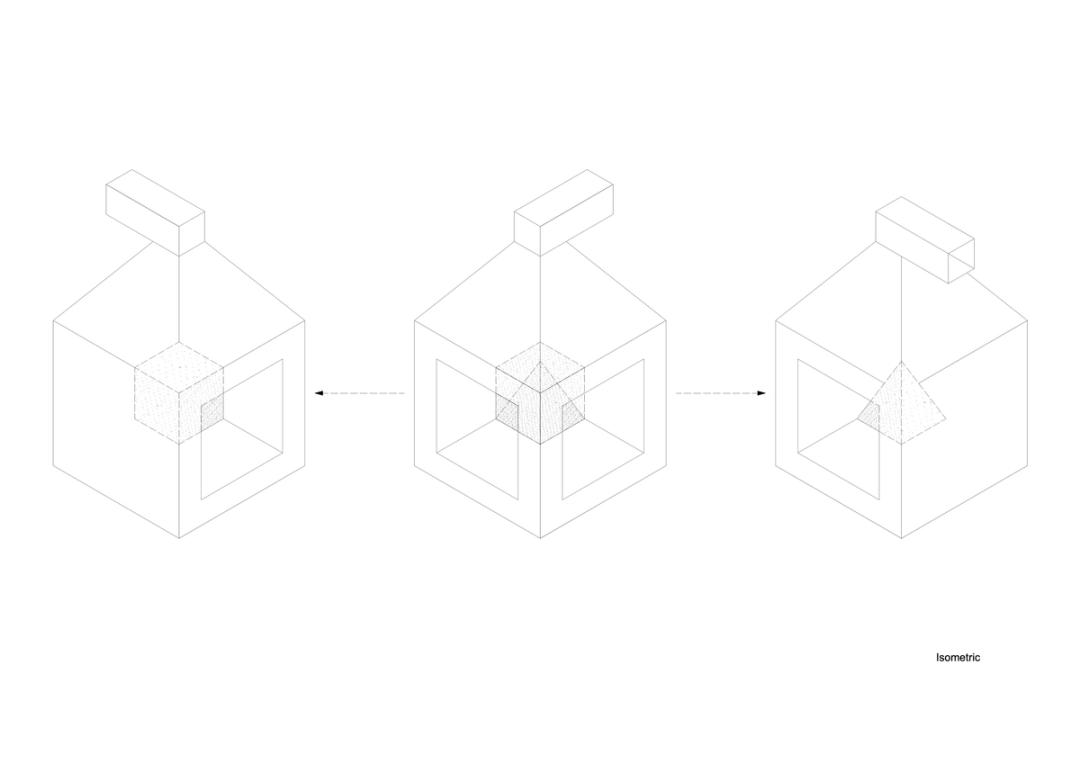
Isometric Diagram
《Drawing for the House of John Soane》 Digital Drawing,2026,Kaiyu Hosono
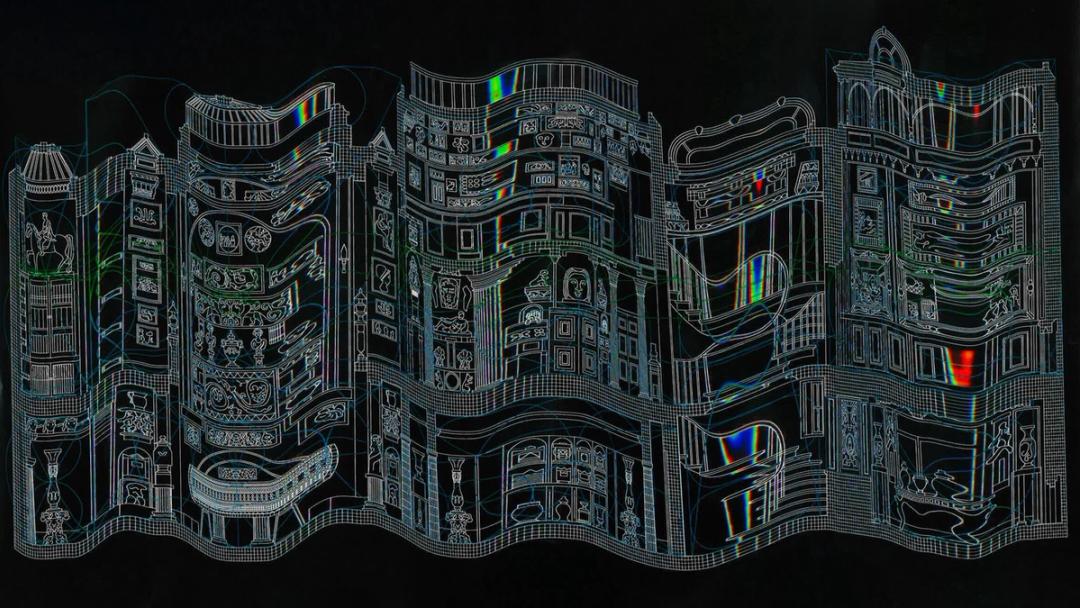
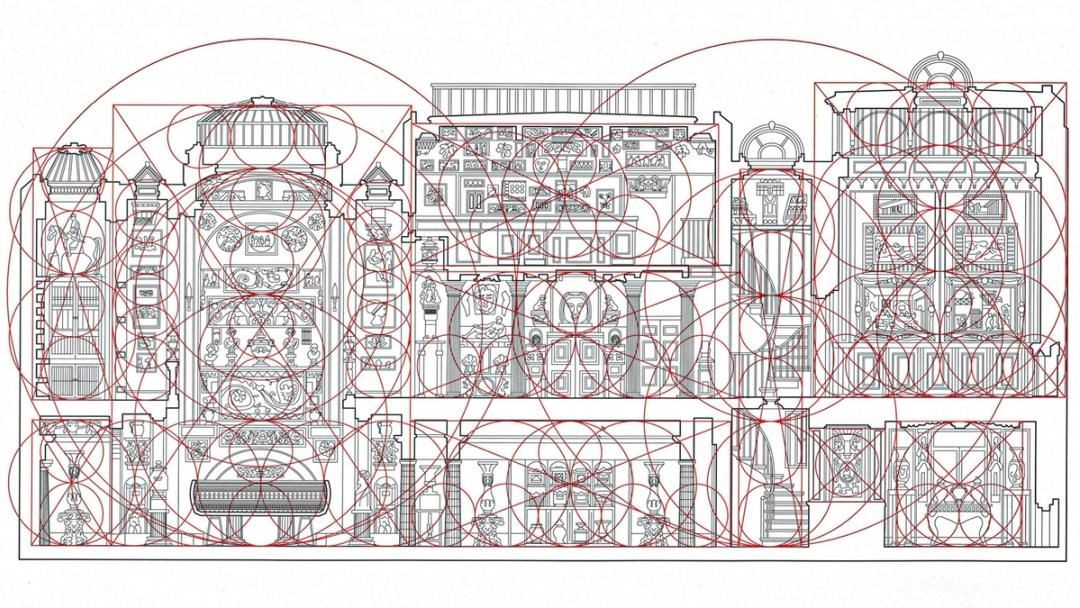
本作は、新古典主義建築家ジョン・ソーンによる自邸〈ジョン・ソーン邸〉の断面図を参照対象とし、図面への変形操作を通じて、建築表象における感覚的把握と抽象化の関係を可視化する試みである。二枚のドローイングはウィルヘルム・ヴォリンガーの『抽象と感情移入』における理論的枠組みを援用し、それぞれ「感情移入」と「抽象衝動」に対応づけられている。 一枚目は空間の歪みや重なりを恣意的に強調することで、図面は客観的な記述媒体としての役割を逸脱する。対して二枚目は幾何学的秩序や比例関係を過剰に前景化することで、建築を可測的な体系として還元する。両者を並置することで、建築理解にとって不可避な感覚的態度と抽象的態度は相対化され、建築表象が単一の読みへと回収されない多義的な構造をもつことが示される。
[Flamingo Arch, Diptych Video] (2025, Ryota Kikuchi/Koki Nakamura (TUA-film major))
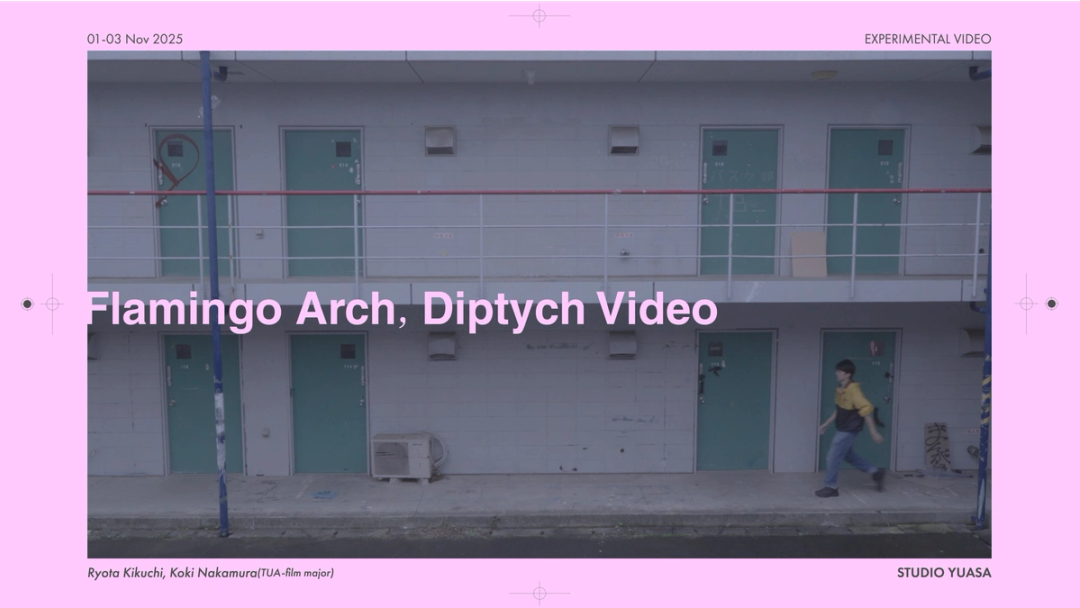
映画撮影の現場では、舞台となる空間が脚本の都合と合わない場合、スタジオという全く異なる地に美術セットを組み上げ撮影を行い、後に同質の時空として編集するという手法が広く用いられています。カメラの記録性が担保する断片的な空間の群を、片脚のみ接地している建築(Flamingo Arch)として画角内に招きいれ、実在と表象の二連画(Diptych Video)の名のもとに彼らをひとつの時空とする行為を繰り返す習作を通じて、建築と映画の連関への示唆を探りました。
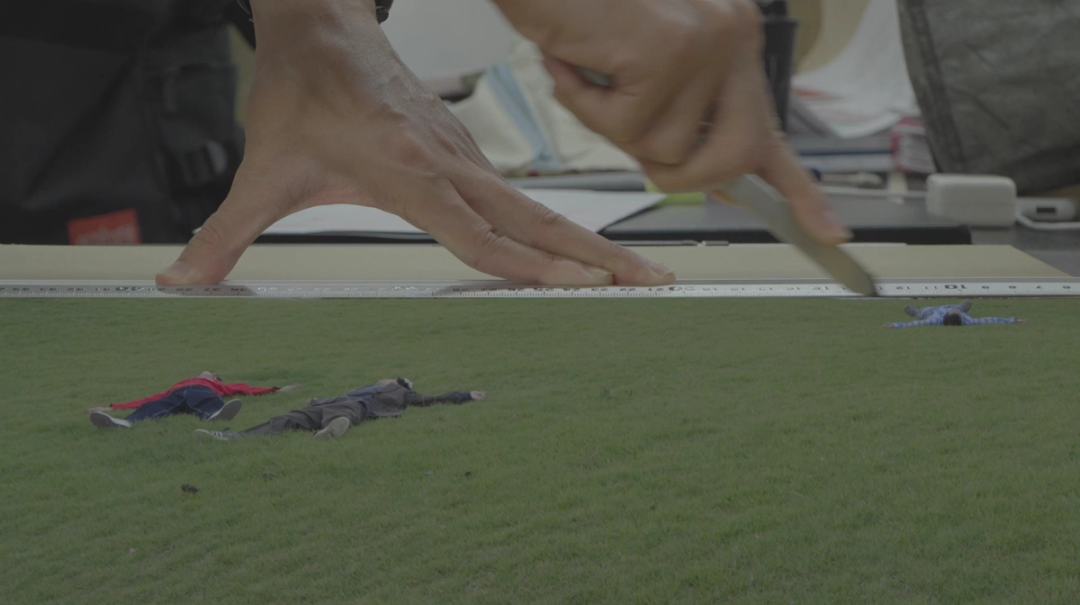
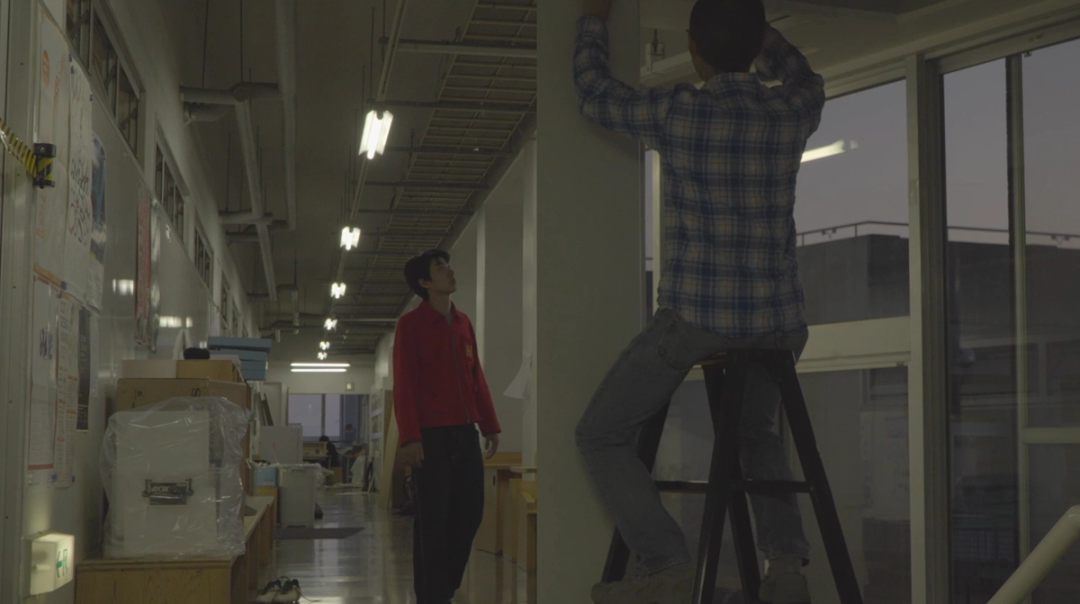
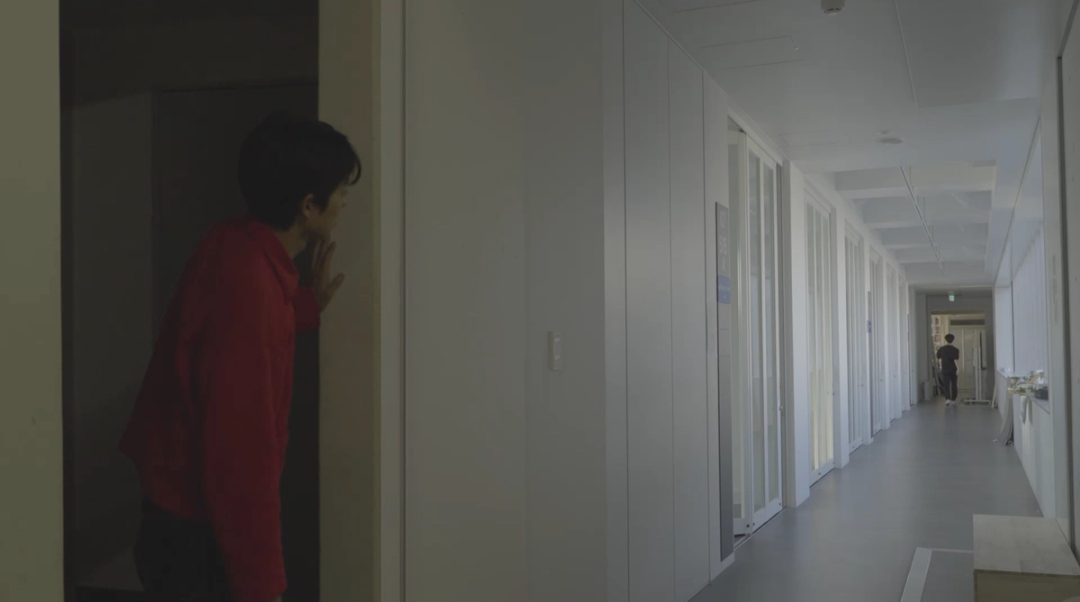
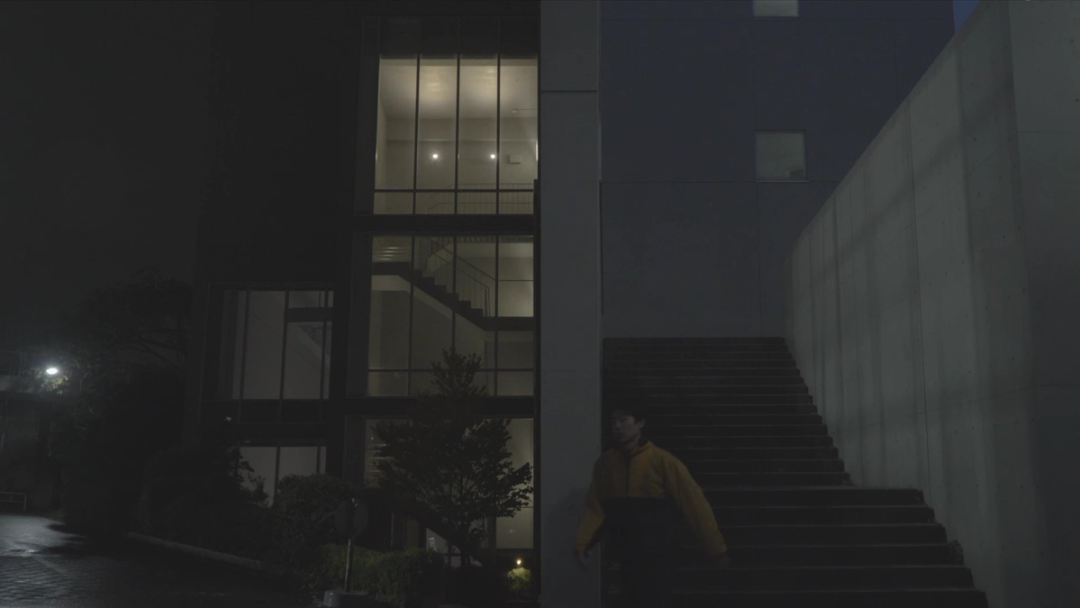
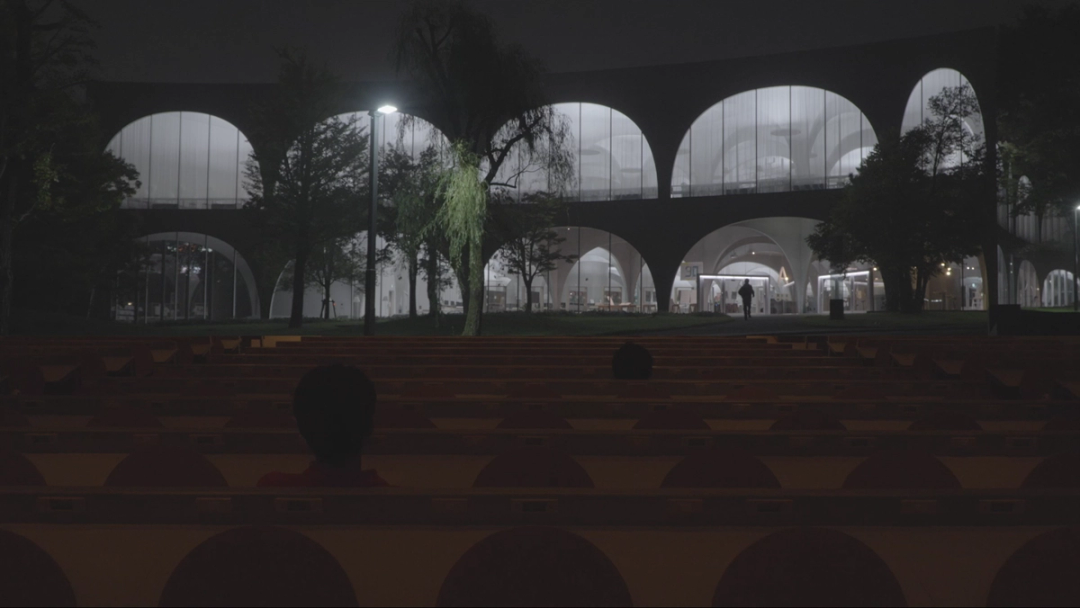
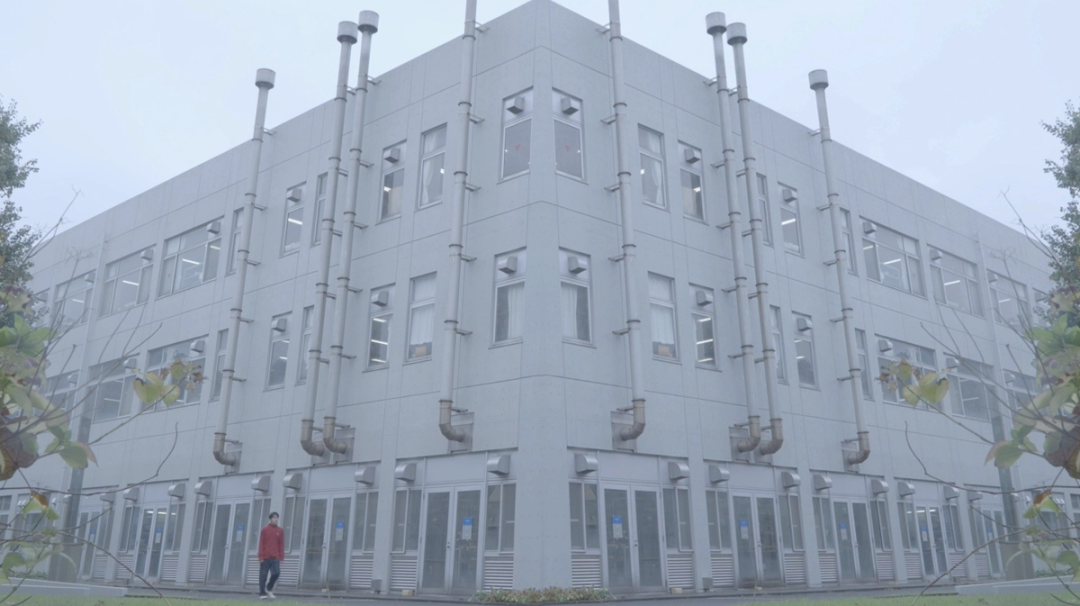
Tama Art University Art Festival 2025(Hitoki Keino, Yoshiyuki Fujiwara, Kaiyu Hosono, Koki Kawamura, Ryota Kikuchi)
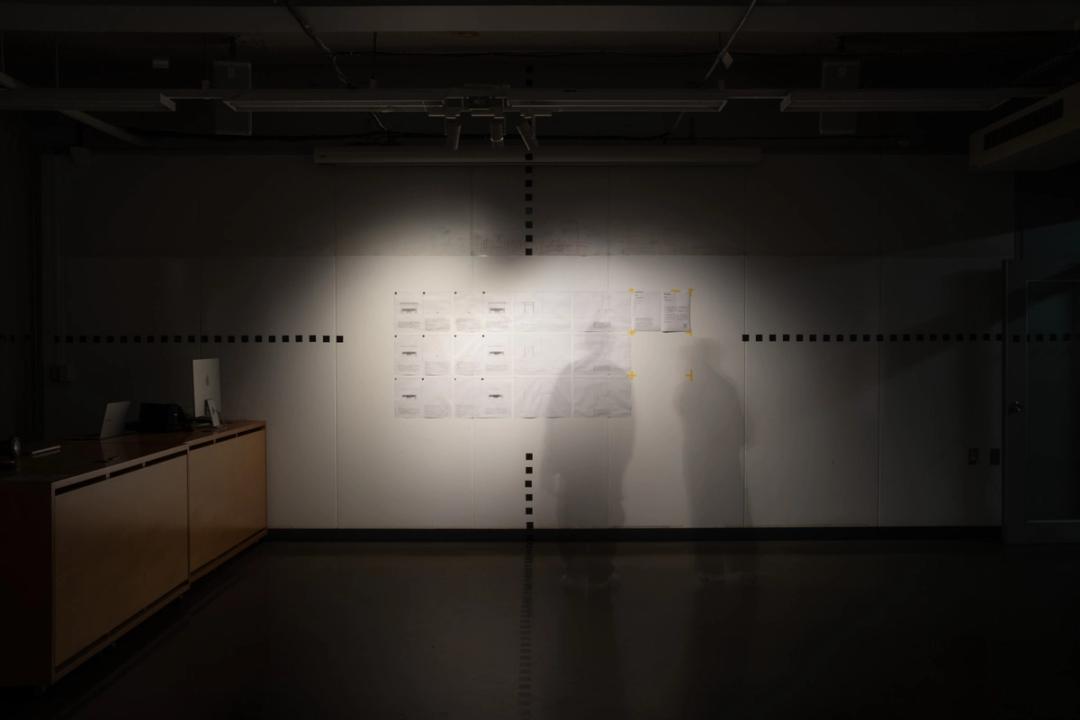
《Duplicate》 Yoshiyuki Fujiwara Digital lithograph, Paper, Masking tape,2025,photo:©️Yoshiyuki Fujiwara
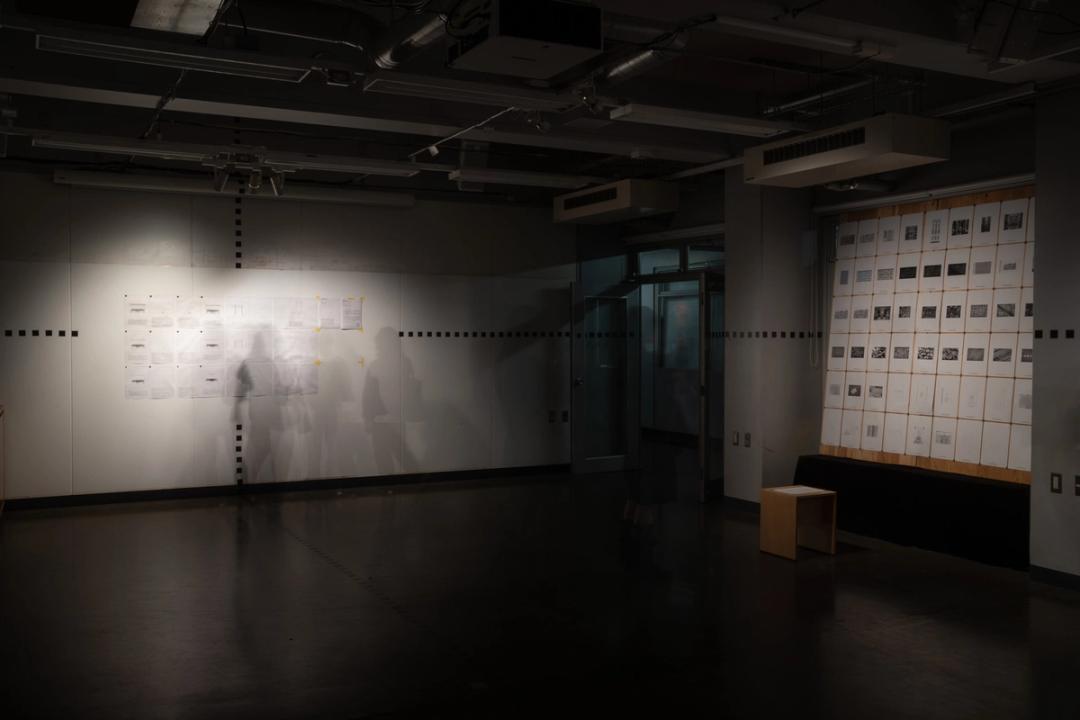
《Duplicate》 Yoshiyuki Fujiwara, 《Cartography》 Kaiyu Hosono photo:©️Yoshiyuki Fujiwara
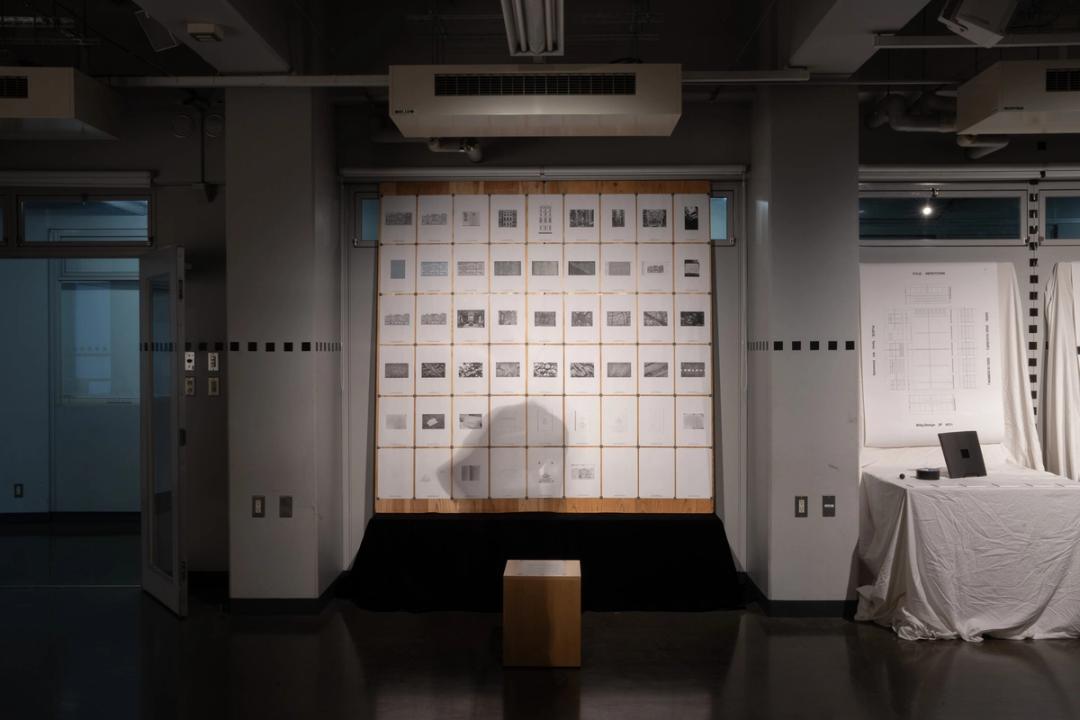
《Cartography》 Kaiyu Hosono Laser Printing, Paper, Wood Panel, 2025 photo:©️Yoshiyuki Fujiwara
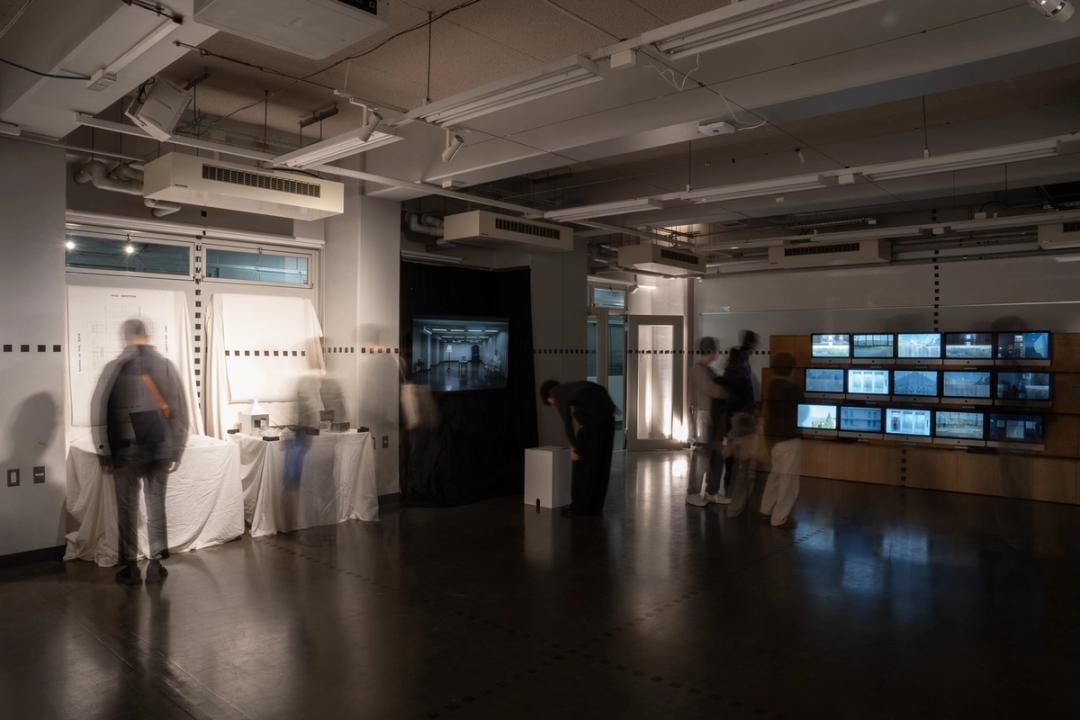
《Repetition》 Koki Kawamura, 《Untitled》 Hitoki Keino, 《Flamingo Arch, Diptych Video》 Ryota Kikuchi Koki Nakamura(TUA- Film major) photo:©️Yoshiyuki Fujiwara
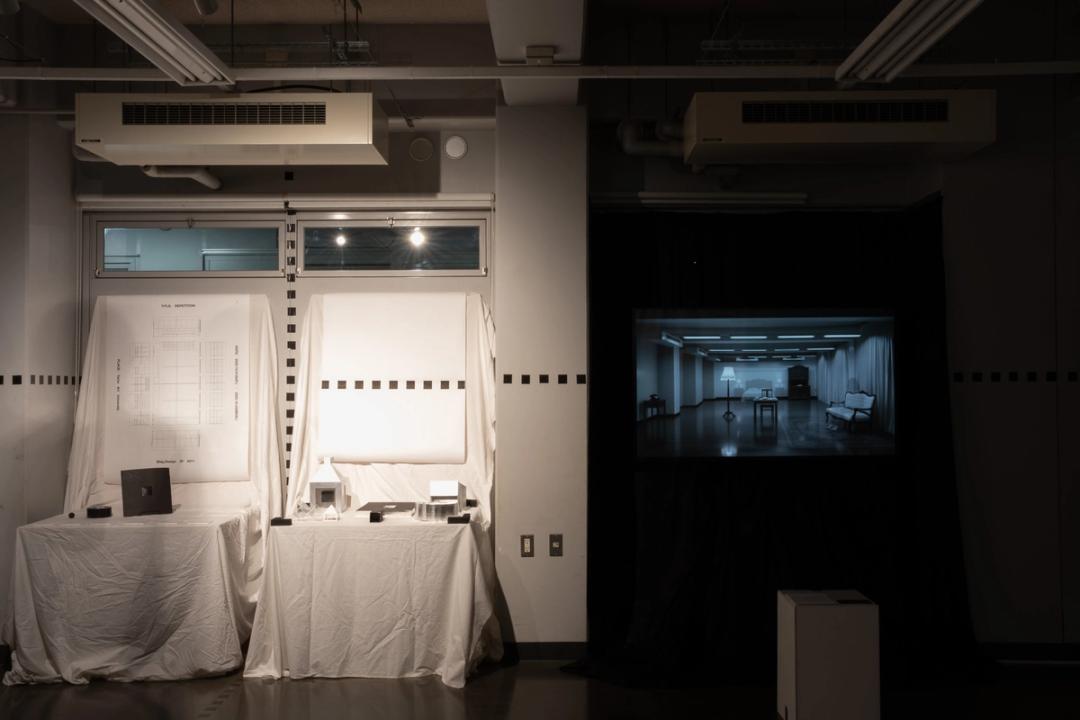
《Repetition》 Koki Kawamura Installation, Curing Tape, Laser Printing, Paper, 2025 《Untitled》 Hitoki Keino Video,Short Film,Installation,2min52sec, 2025 photo:©️Yoshiyuki Fujiwara
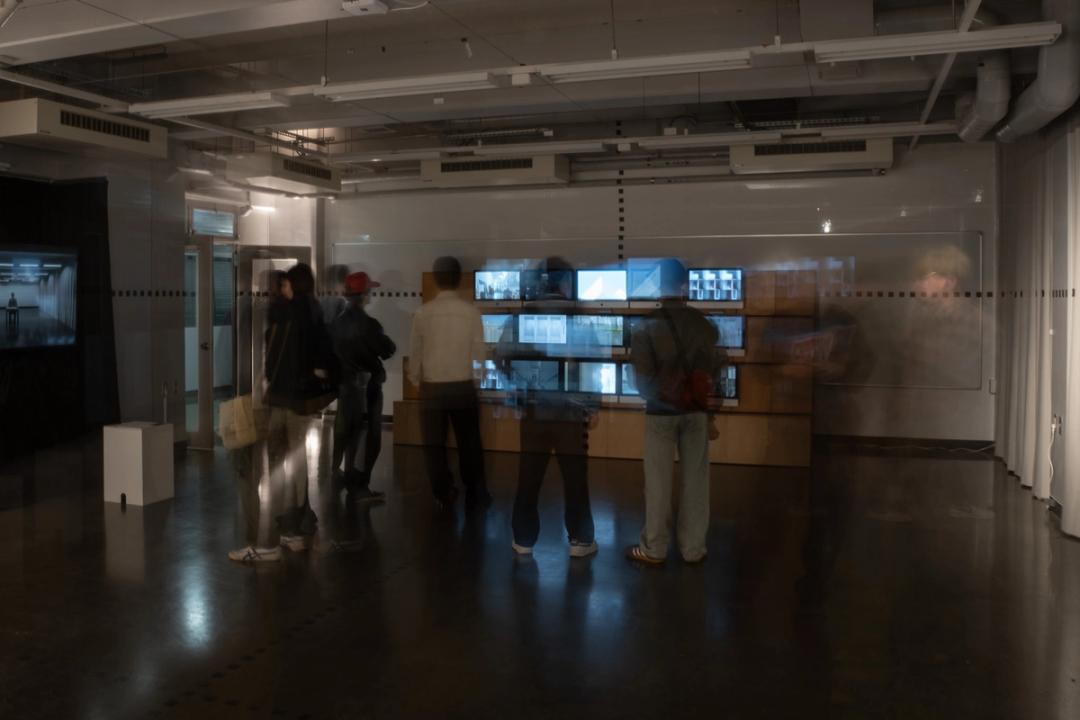
《Flamingo Arch, Diptych Video》 Ryota Kikuchi Koki Nakamura(TUA- Film major) photo:©️Yoshiyuki Fujiwara
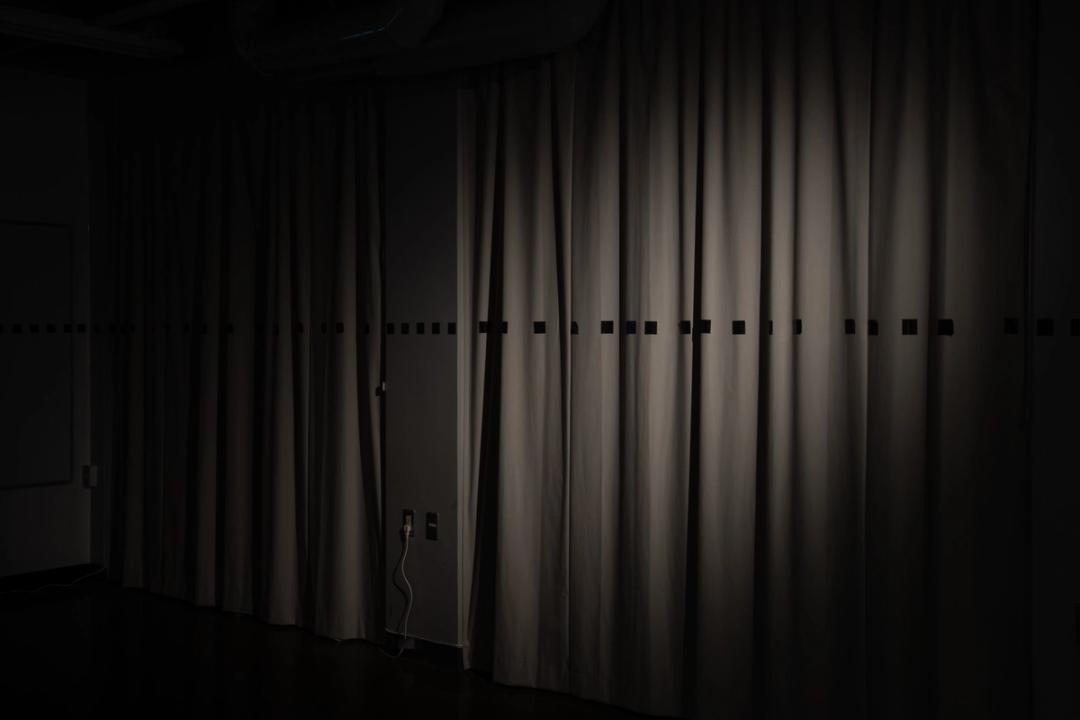
《Repetition》 Koki Kawamura Installation, Curing Tape, Laser Printing, Paper, 2025 photo:©️Yoshiyuki Fujiwara
多摩美術大学創立90周年記念事業 EXPLOSION & EXPANSION 爆発と拡張 ── 多摩美術大学の制作の現場から(2025,Yoshiyuki Fujiwara)
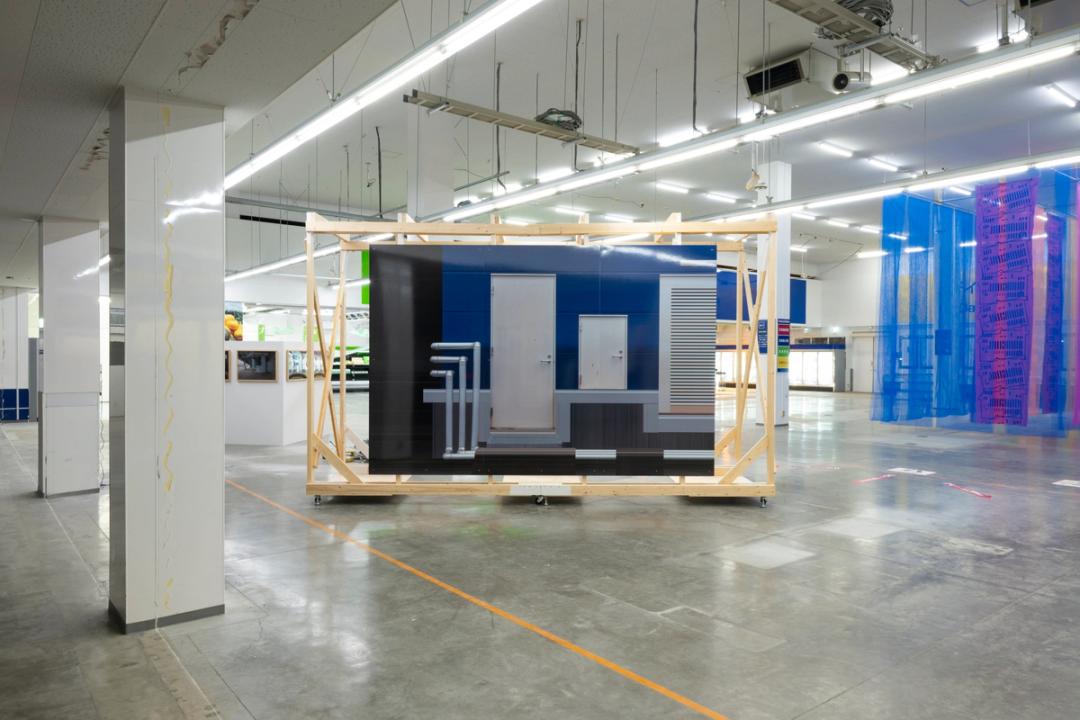
《再構築された壁》に展示された《壁と扉》,2025 かつて商業施設だったBLUE CUBEは、教育施設へと転用され、採光確保のため間仕切り壁が撤去された。藤原禎之はこの改修工事を取材し《 3枚の記録写真》に収め、間仕切り壁の廃材を再利用して2種の仮設壁《再構築された壁》と《WHITE CUBE》を制作した。元の部材をほぼそのまま組み直して作品化する方法は、既存建築の構造を活かして用途変更を 行う「コンバージョン建築」と共通する。 構造が剥き出しの《再構築された壁》は車輪が付いた可動壁だ。特定の位置にとどまらない壁は、常に「仮定・保留」され、建築の変化のプロセスを体現する。BLUE CUBE裏口を写した《壁と扉》は、ドアの向こう側にある空間を想像させる。写真にはピクセルを引き伸ば す微細な編集が施され、藤原が「意味のキャンセル」と呼ぶ抽象化が見られる。扉や配管以 外のディテールがノイズとして処理され、建築のイメージに普遍性と解釈の余地が同時に生 まれてくる。(文:渡辺 眞弓 多摩美術大学美術館 学芸員) photo:©️齋藤 彰英
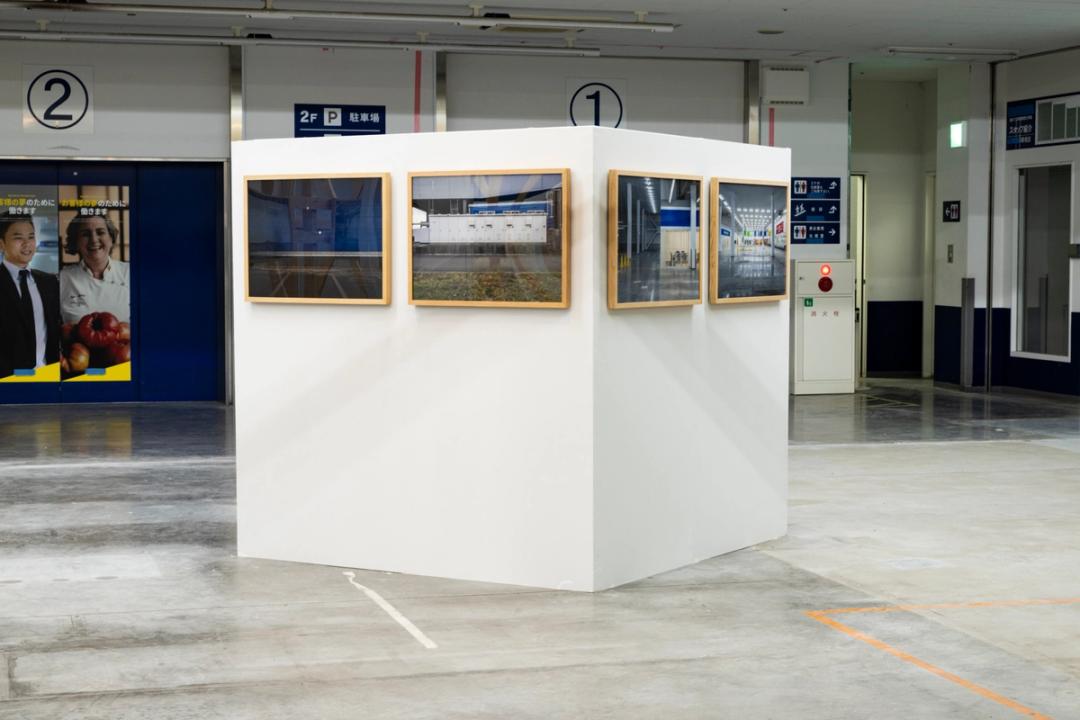
《WHITE CUBE》に展示された《 8枚の記録写真》部分,2025 《WHITE CUBE》は美術館の展示空間を外部へ反転させ「記号化」したスタティックな作品だ。撤去された壁の石膏ボードが使われ、ビス穴の補修跡が時間的厚みを付与している。そこに均等に配置された《 8枚の記録写真》はニュートラルな展示形式を踏襲し、建築の人工的な造形美を鑑賞対象として提示する。当初は既存の間柱の高さ3mの壁を想定し たが、設営中に182cmの「身体スケール」へ縮小された。この小さな箱は、巨大なスーパー マーケット跡地の中で異質な存在感を放ち、作品に価値を与えてきた美術館の権威や制度性を相対化する。これは展示空間のあり方を再考させる「ポスト・ホワイトキューブ」 ※の表明とも解釈できる。(文:渡辺 眞弓 多摩美術大学美術館 学芸員) photo:©️齋藤 彰英
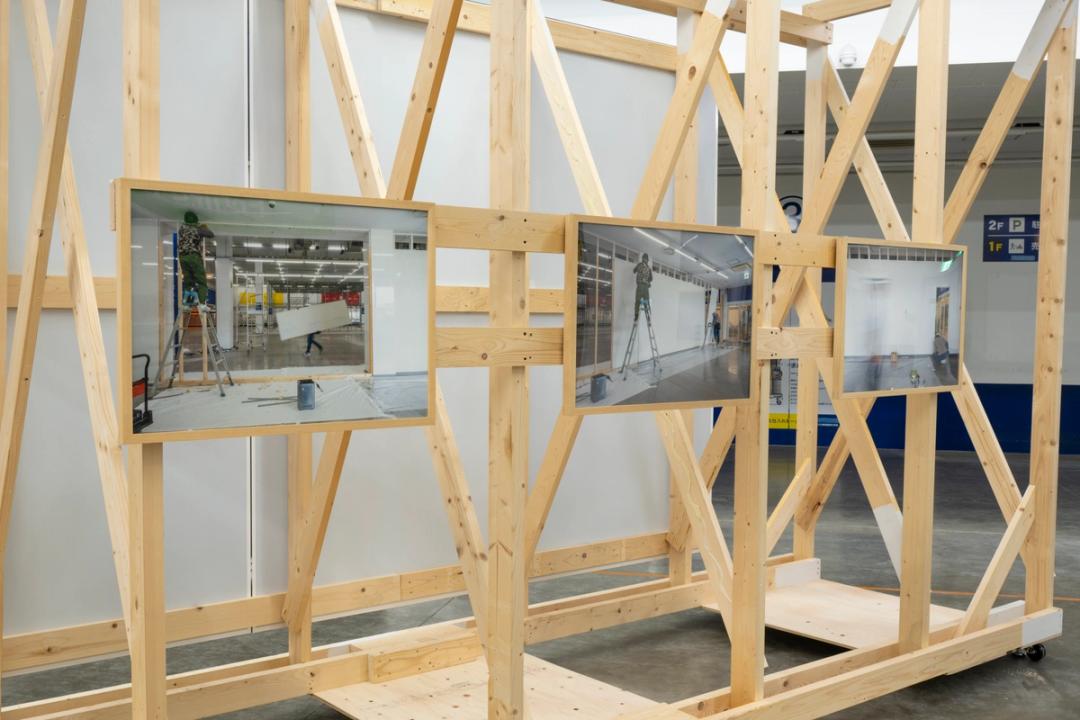
《再構築された壁》に展示された《 3枚の記録写真》,2025 photo:©️齋藤 彰英
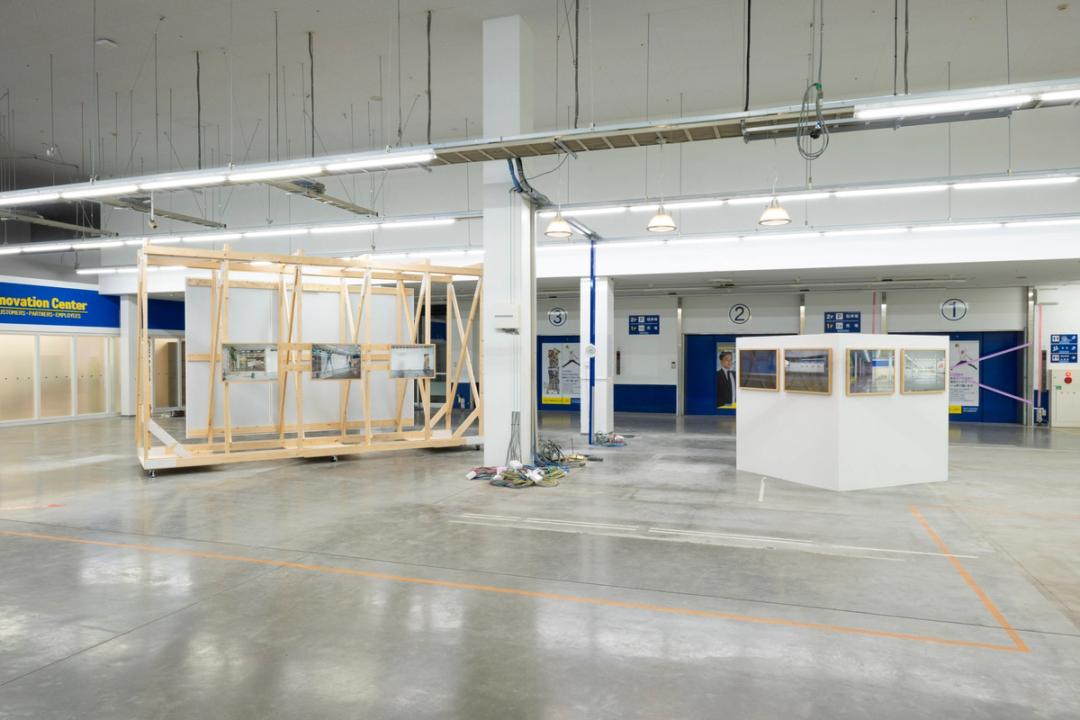
Installation view photo:©️齋藤 彰英

展覧会URL:https://museum.tamabi.ac.jp/exhibition/catalog/2025/5928.html
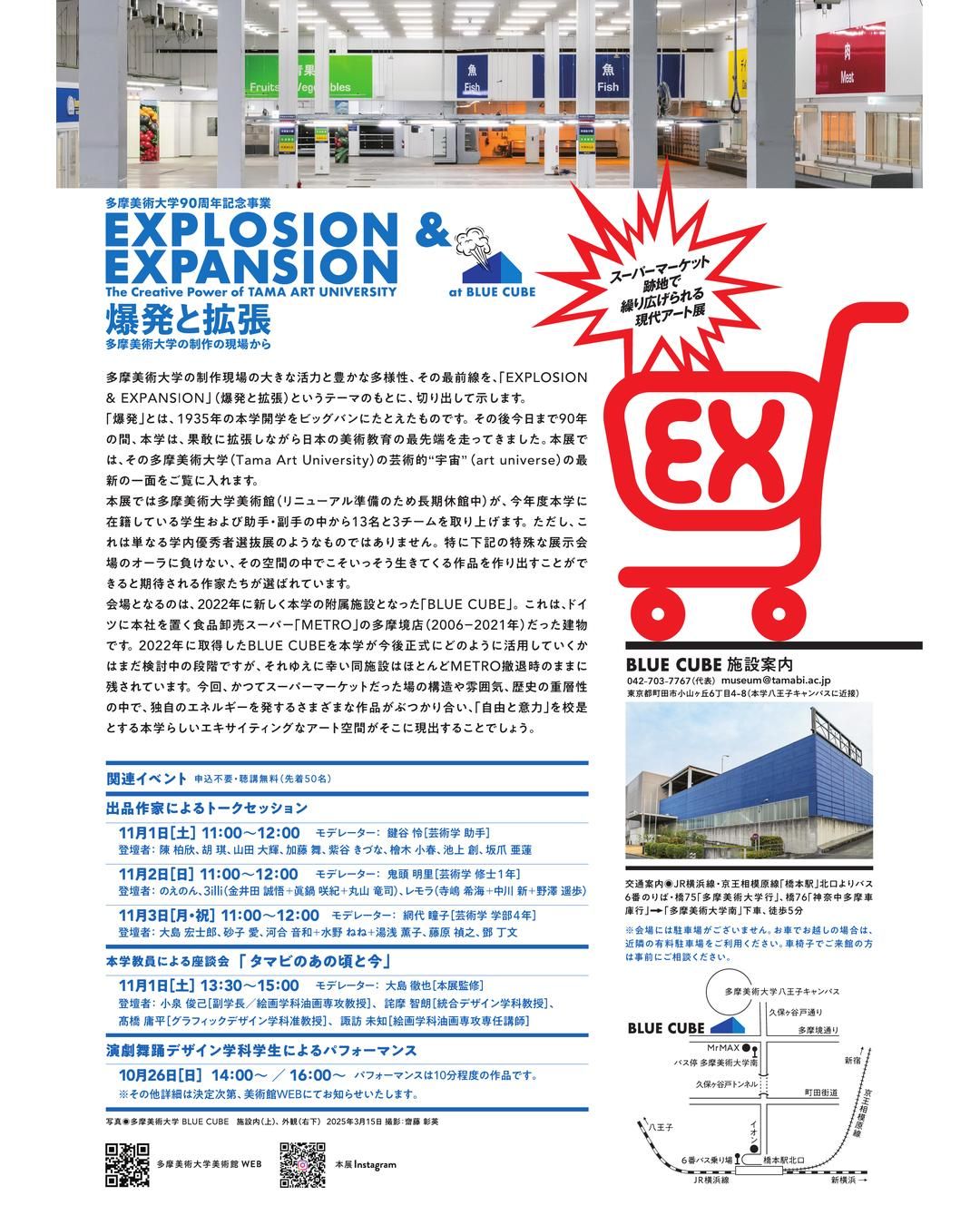
https://museum.tamabi.ac.jp/exhibition/catalog/2025/5928.html←こちらのURLから各種データがDL可能です
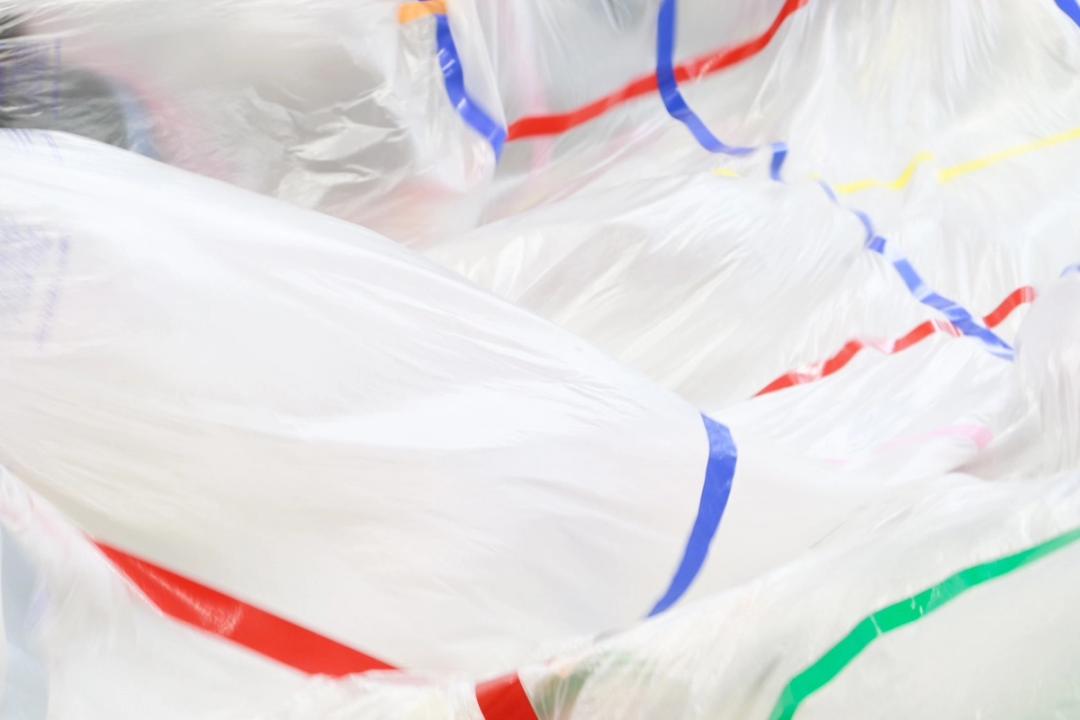
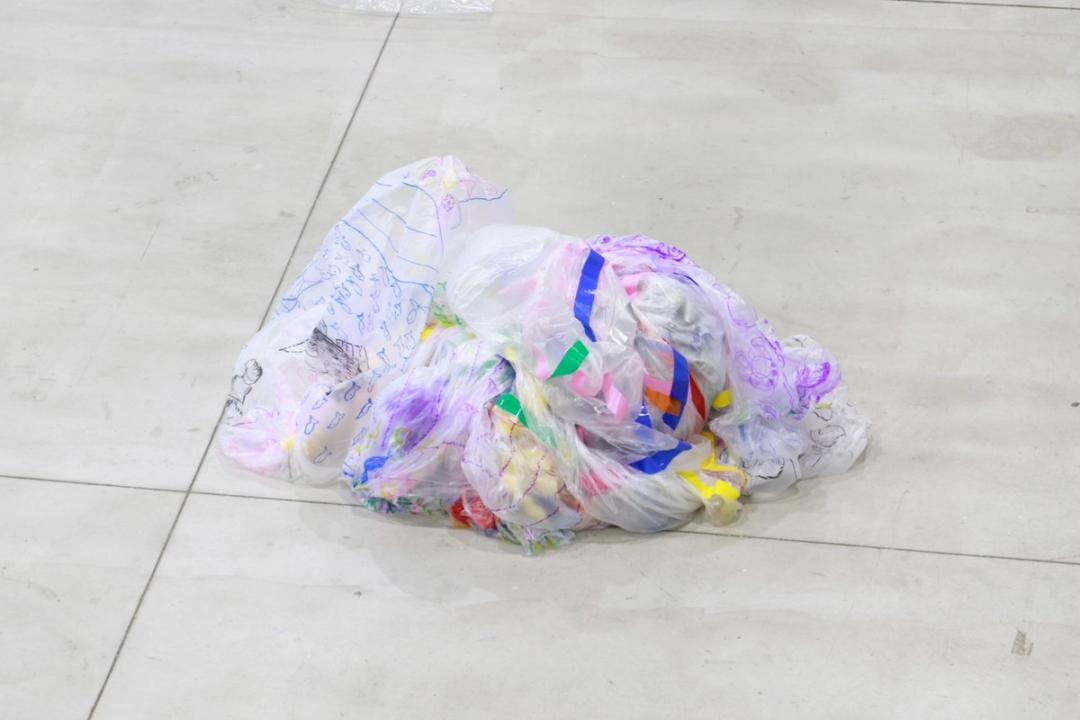
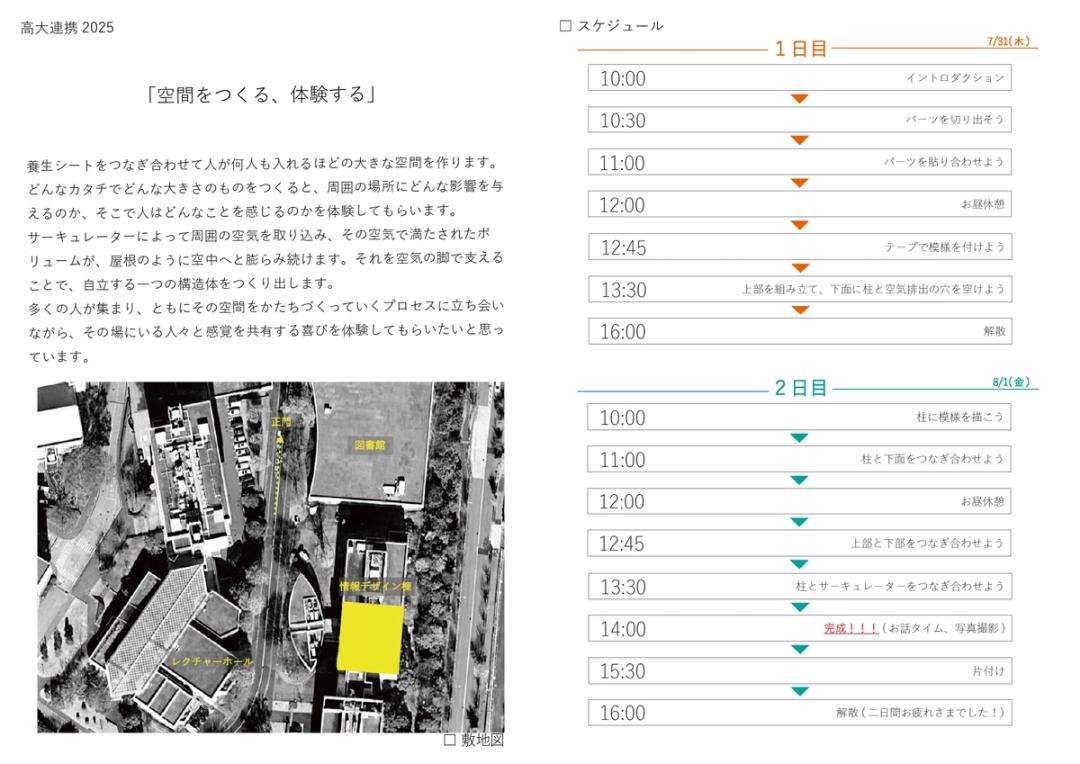
Air Monster “Huklander" High School - University Collaboration Workshop (2025, Mian Tsuyuki / Kaiyu Hosono )
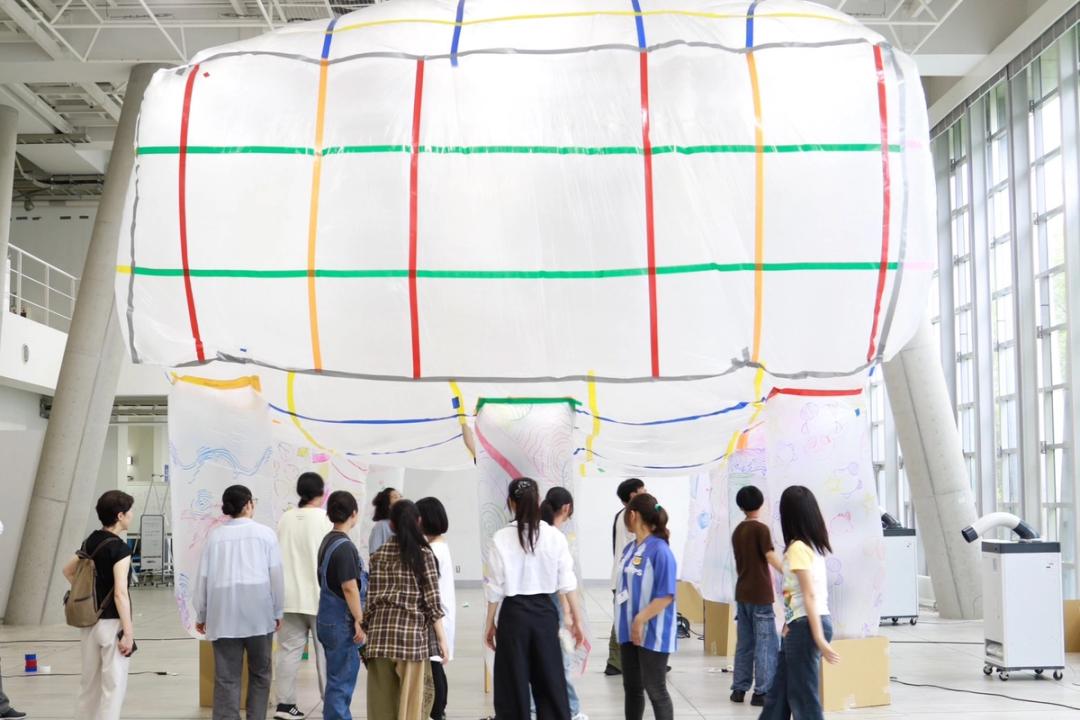
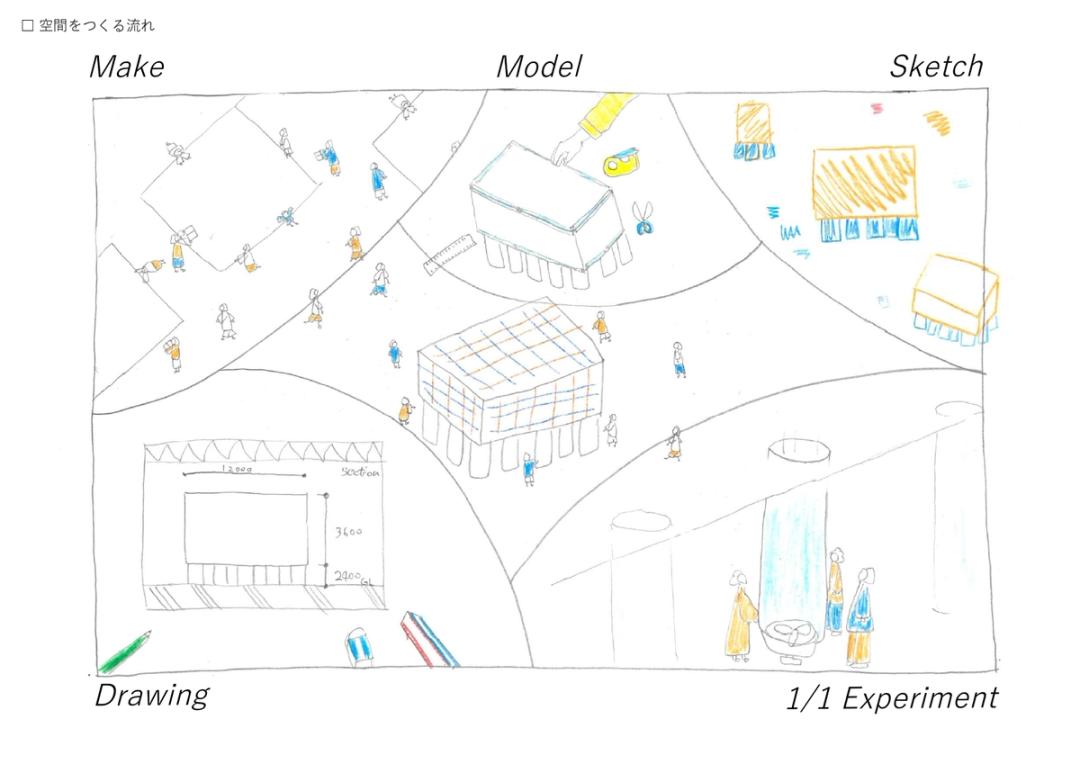
Drawing:Kaiyu Hosono
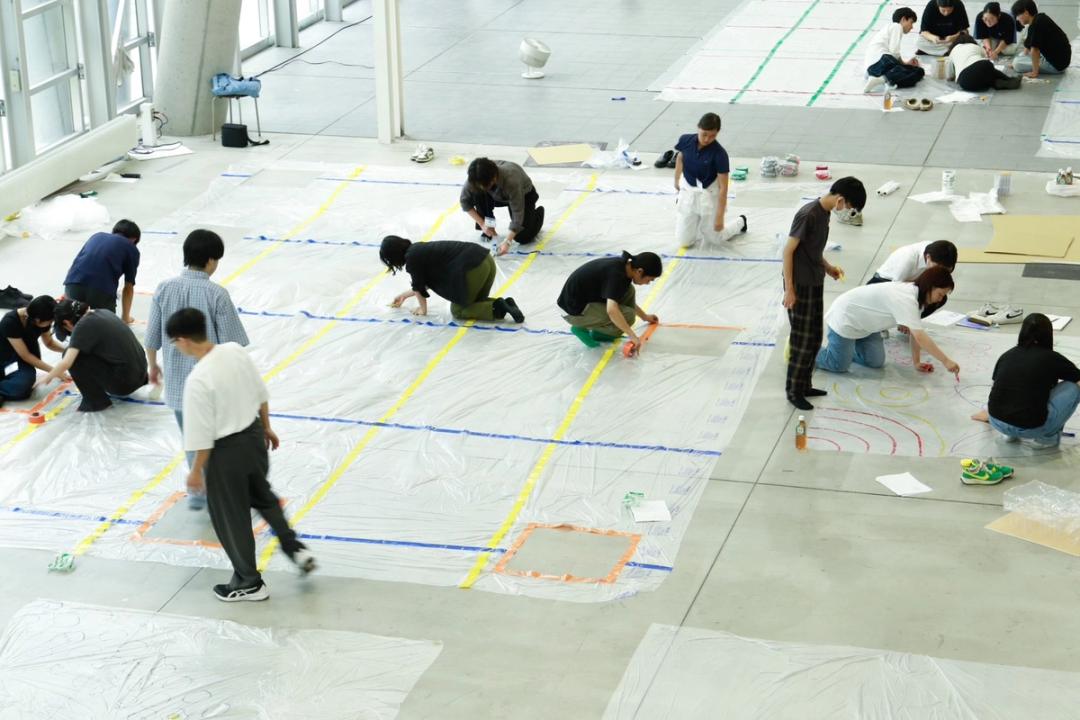
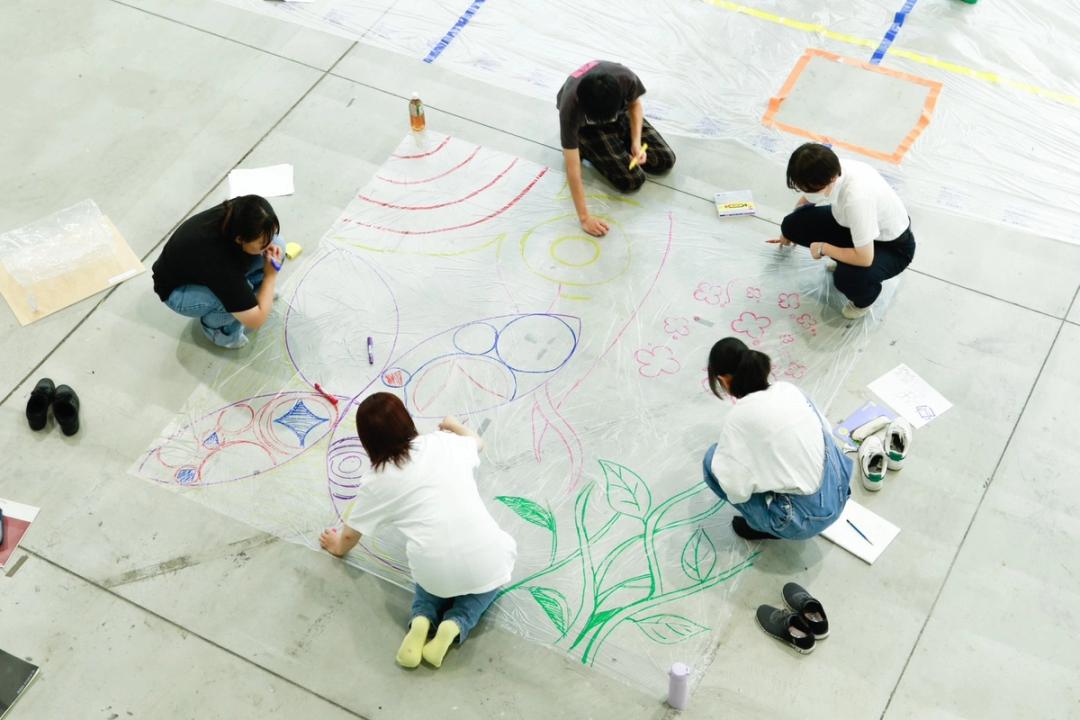
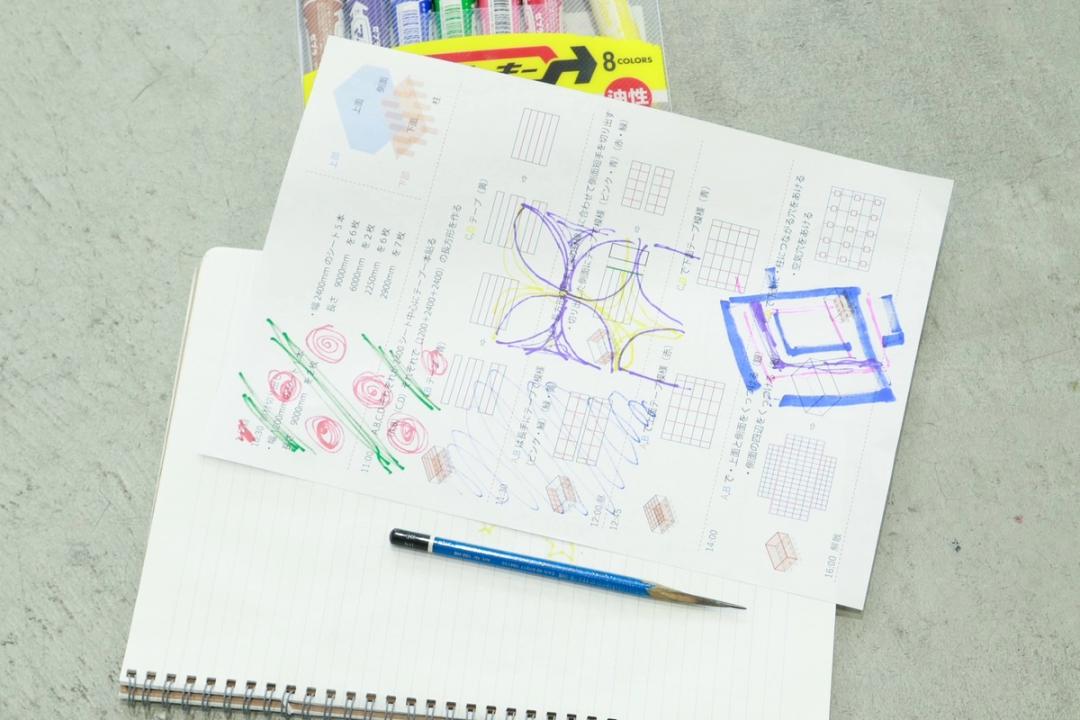
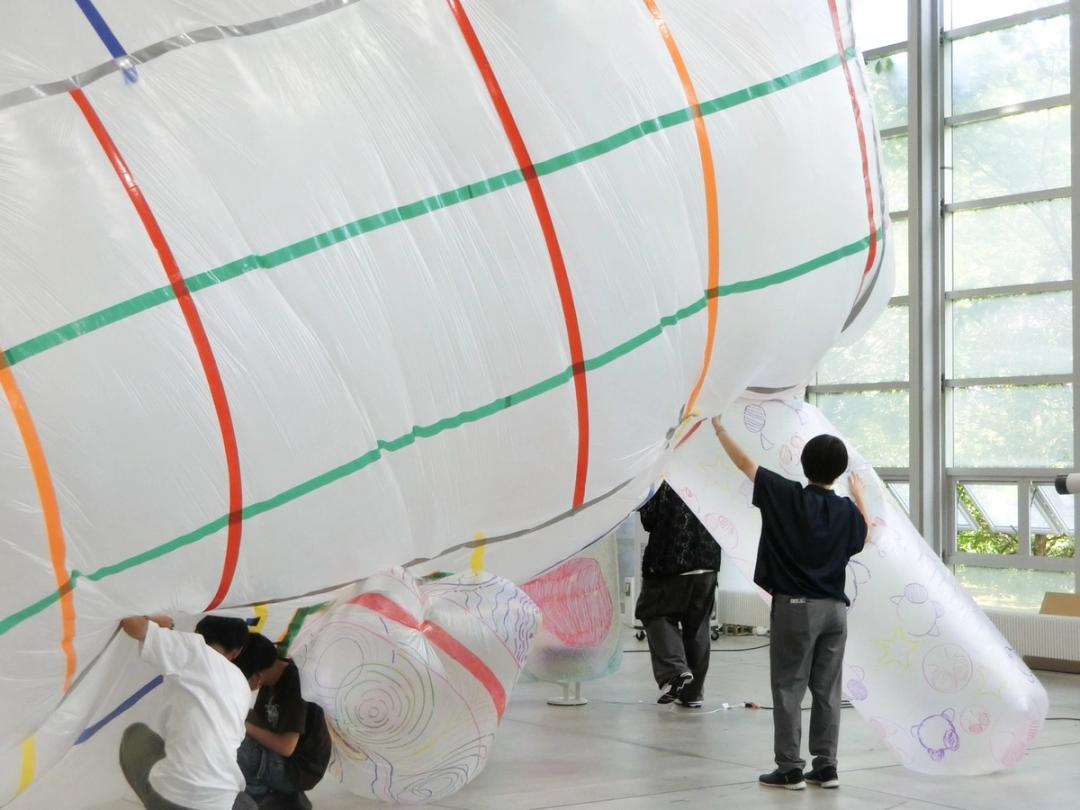
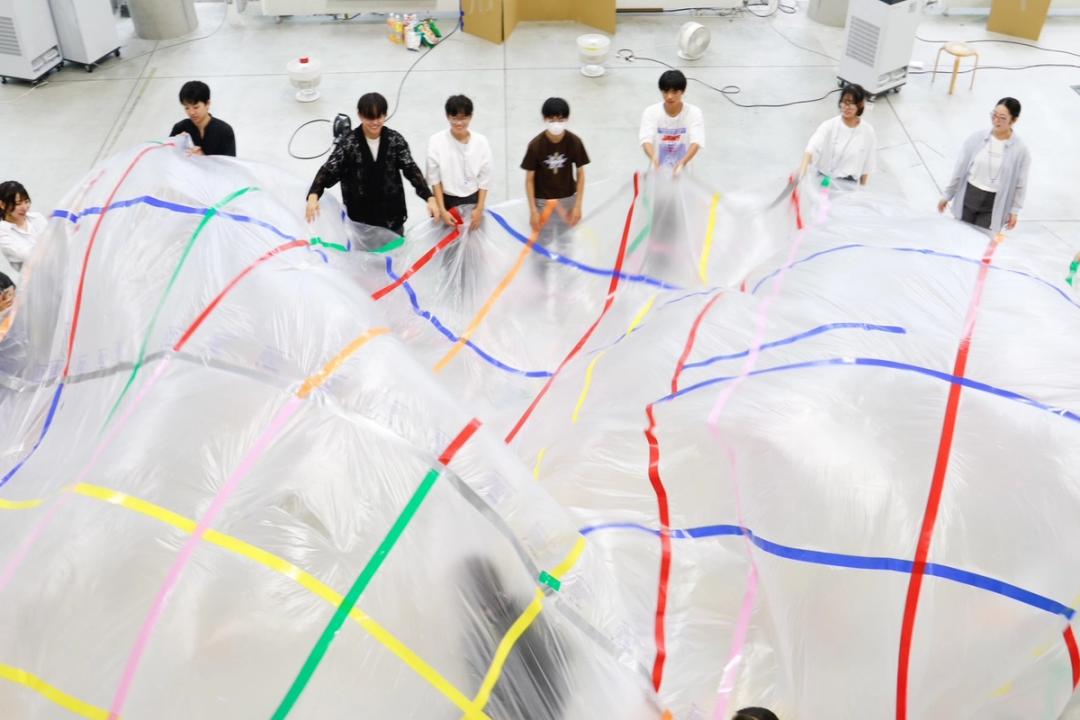
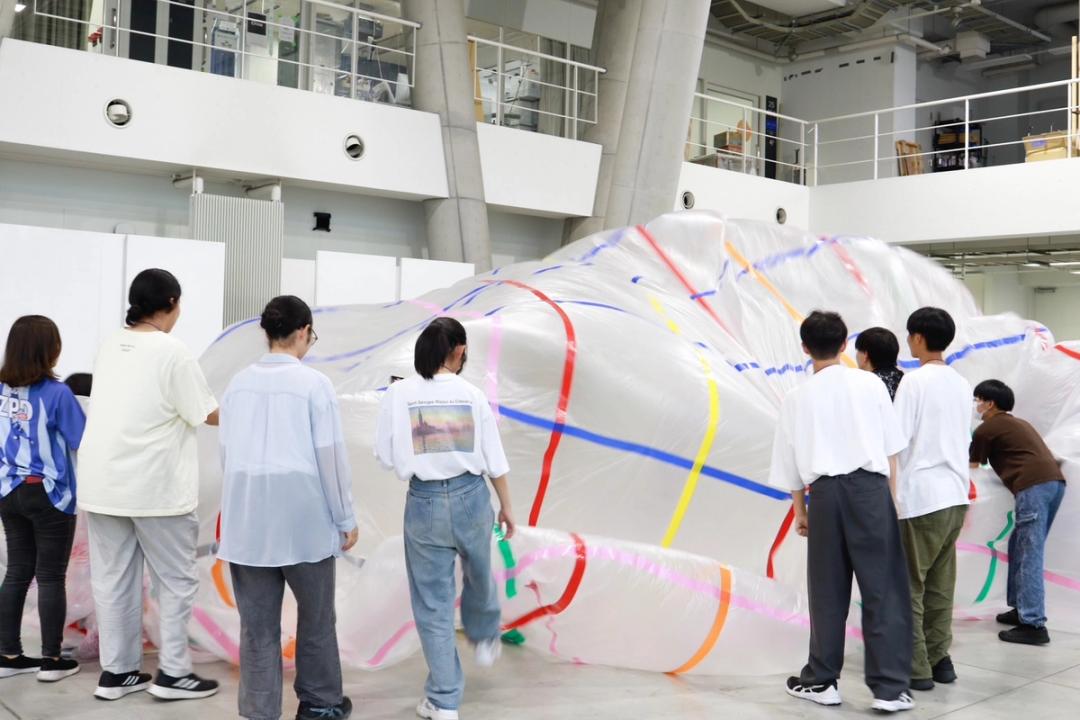
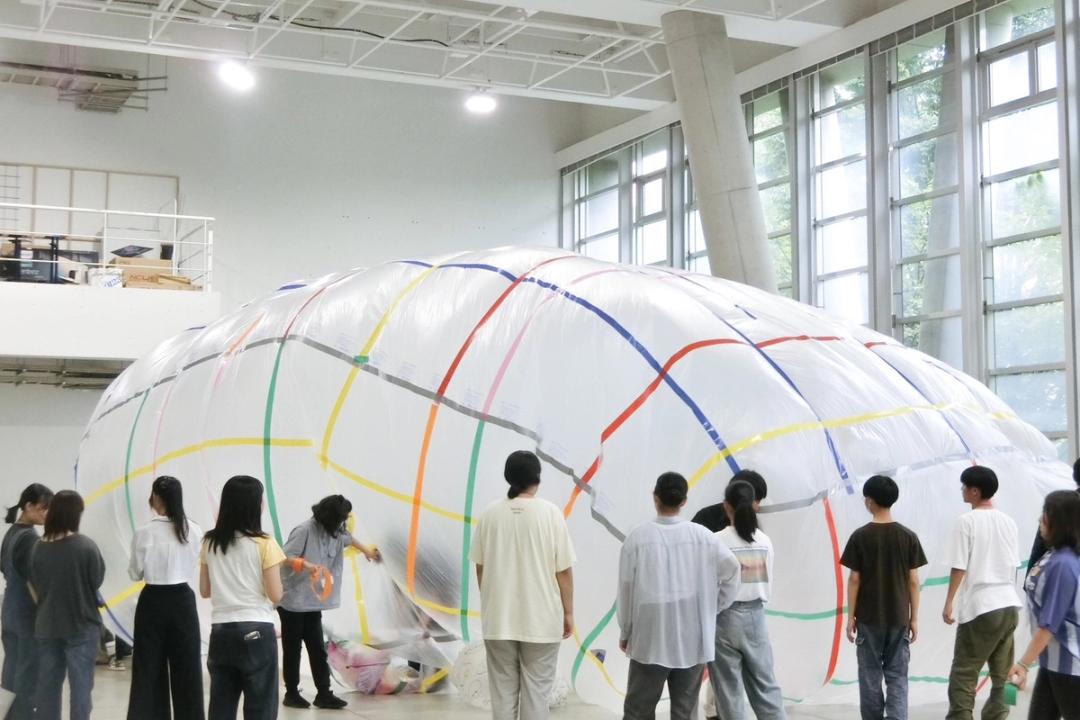
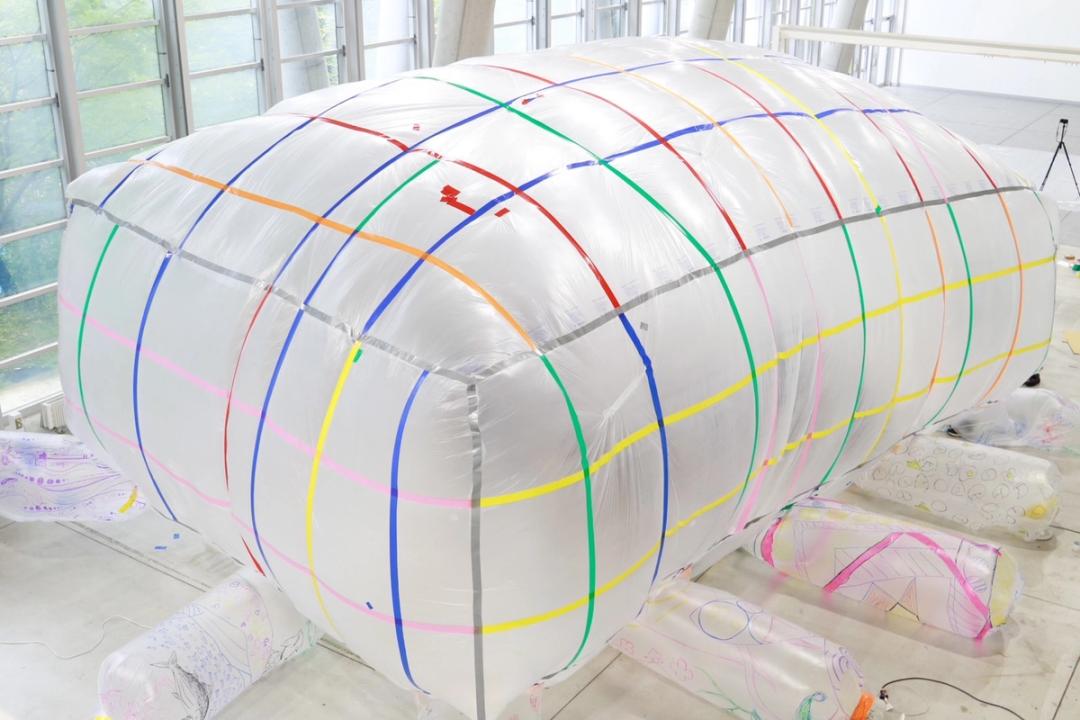
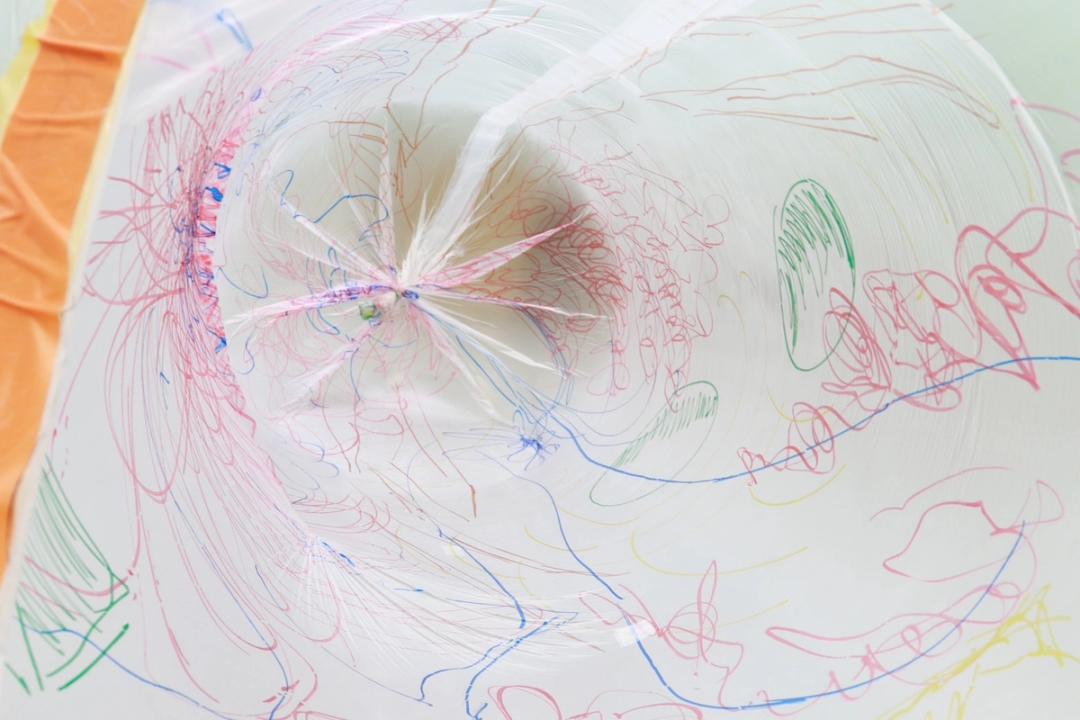
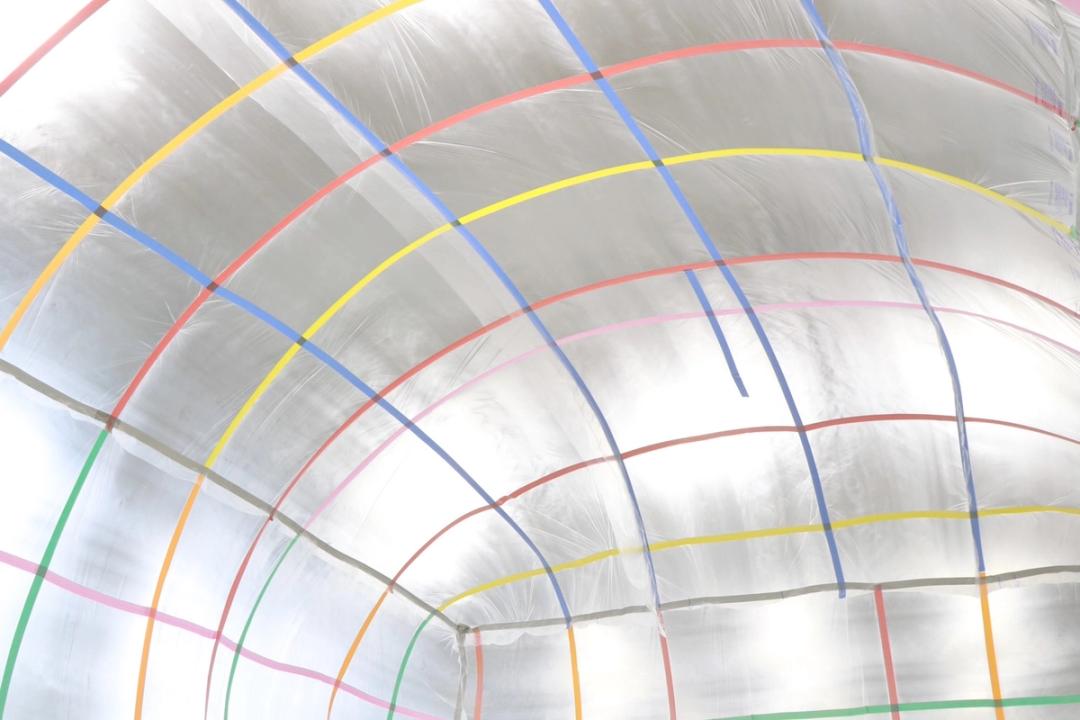
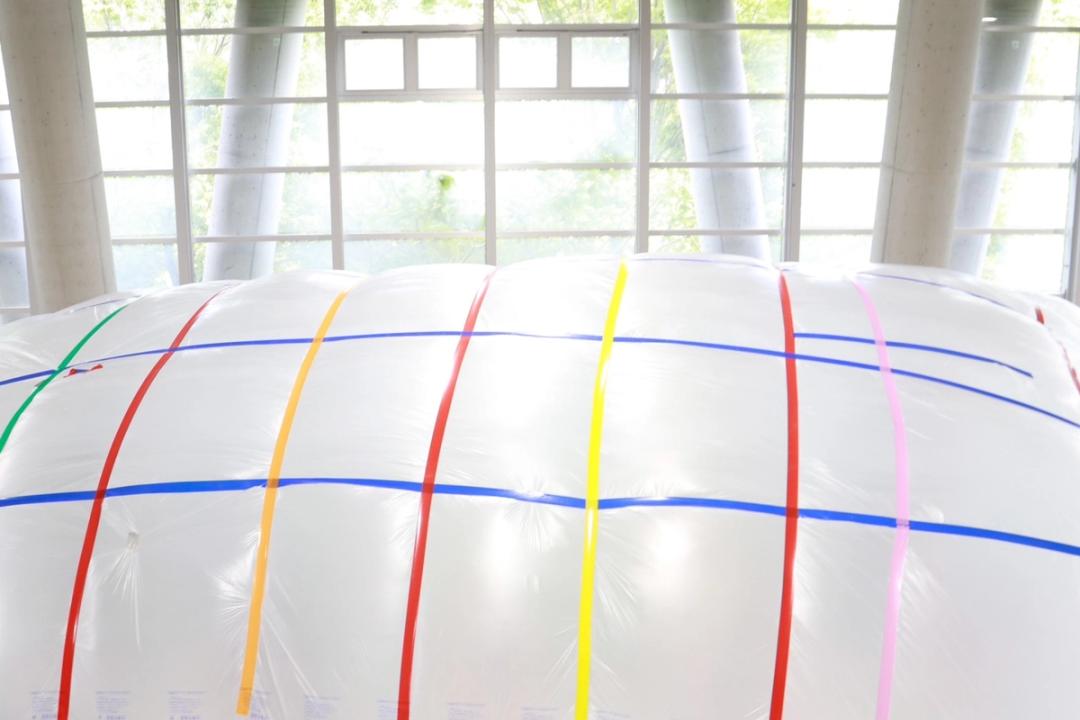
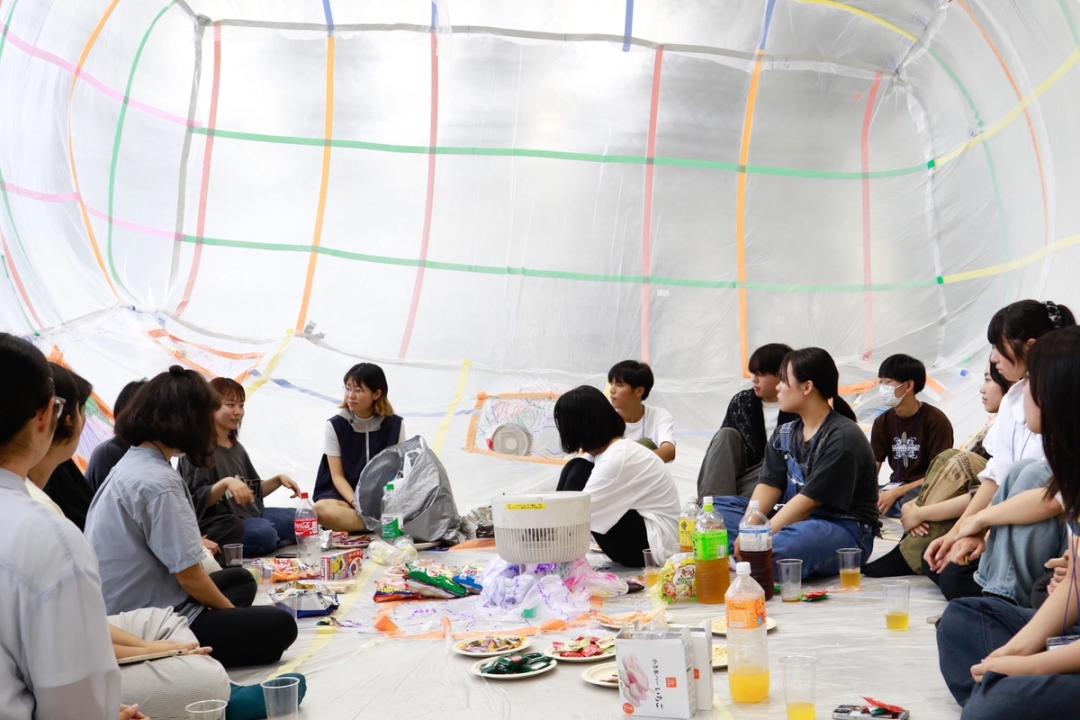
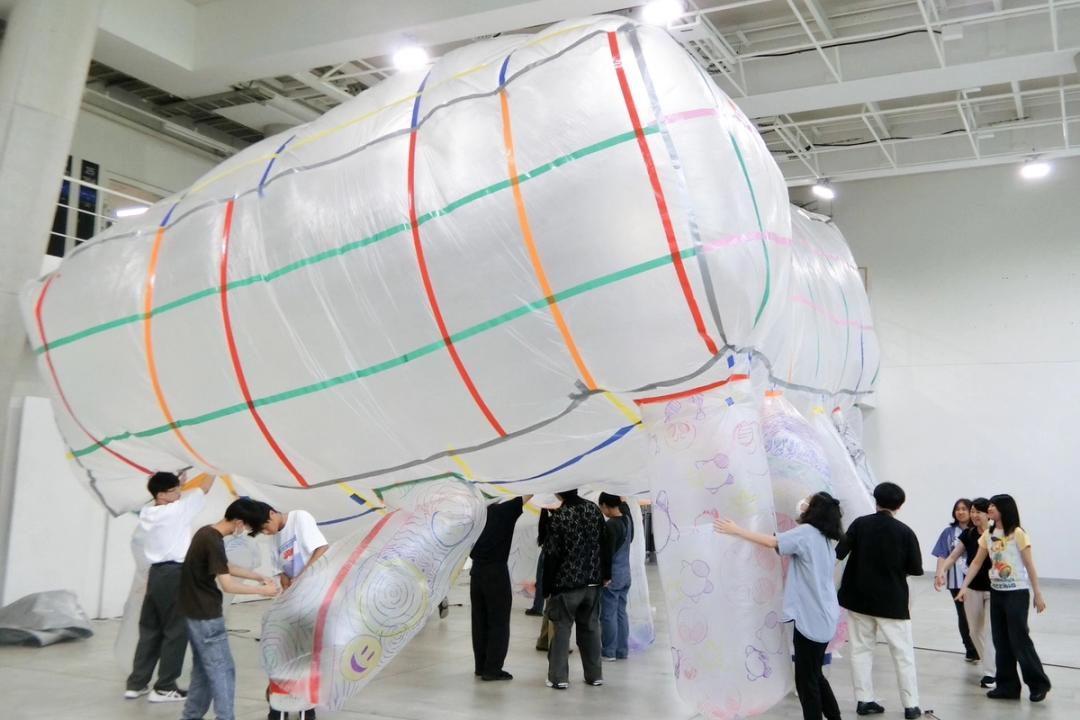
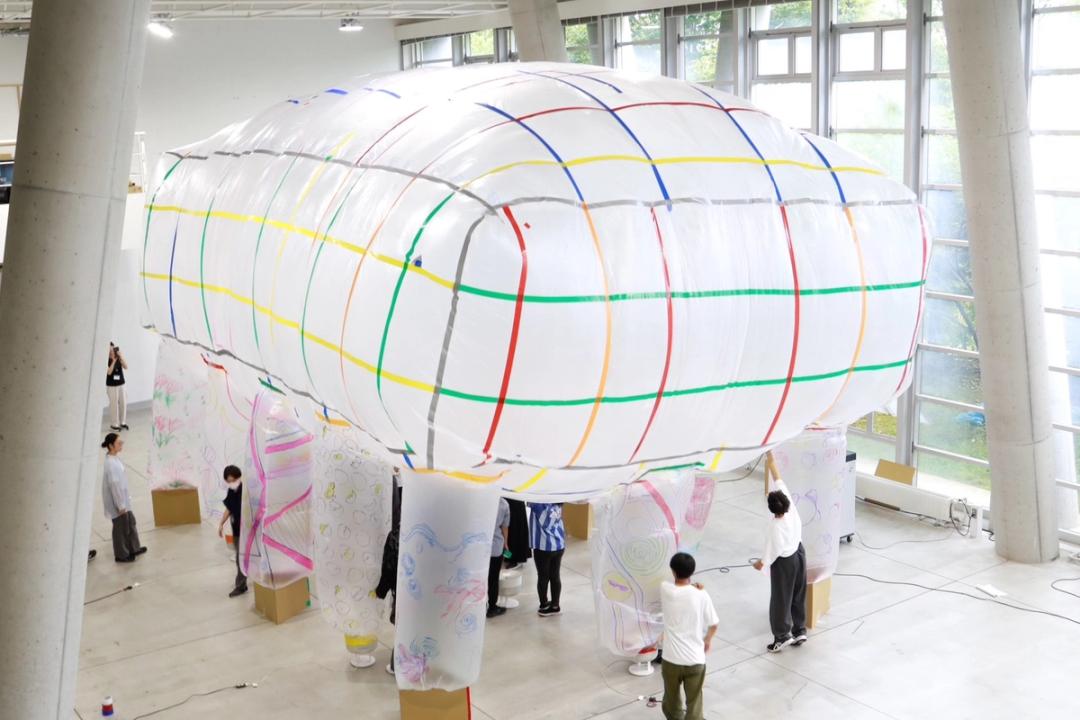
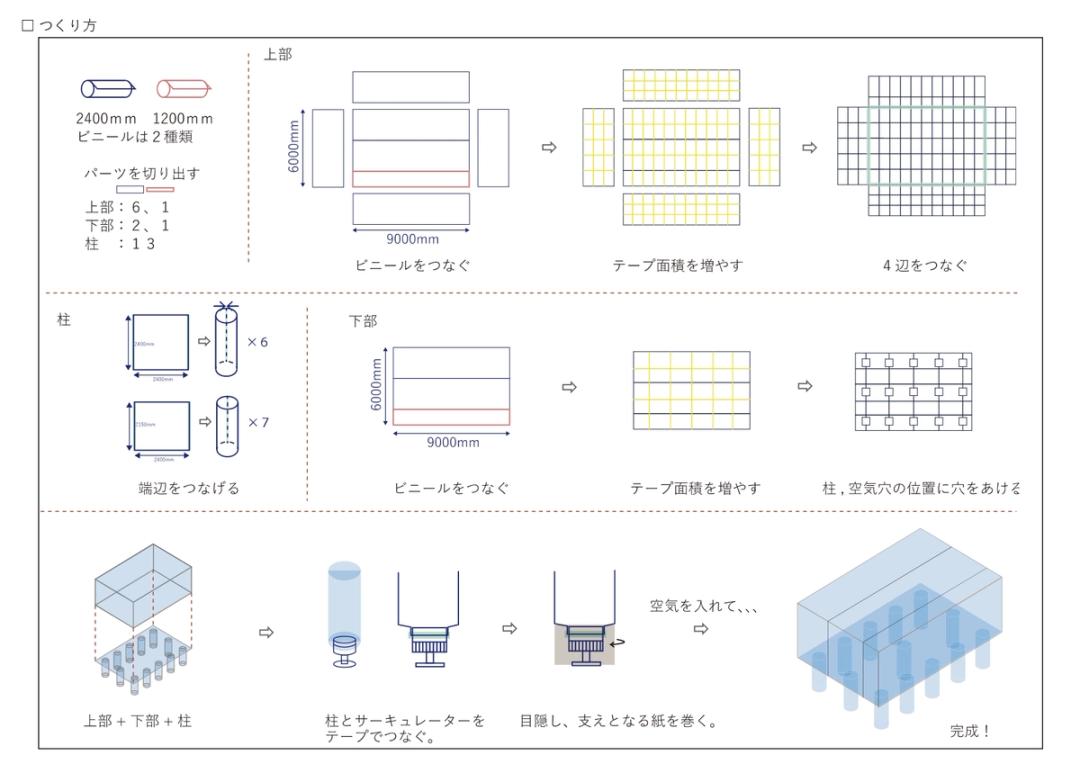
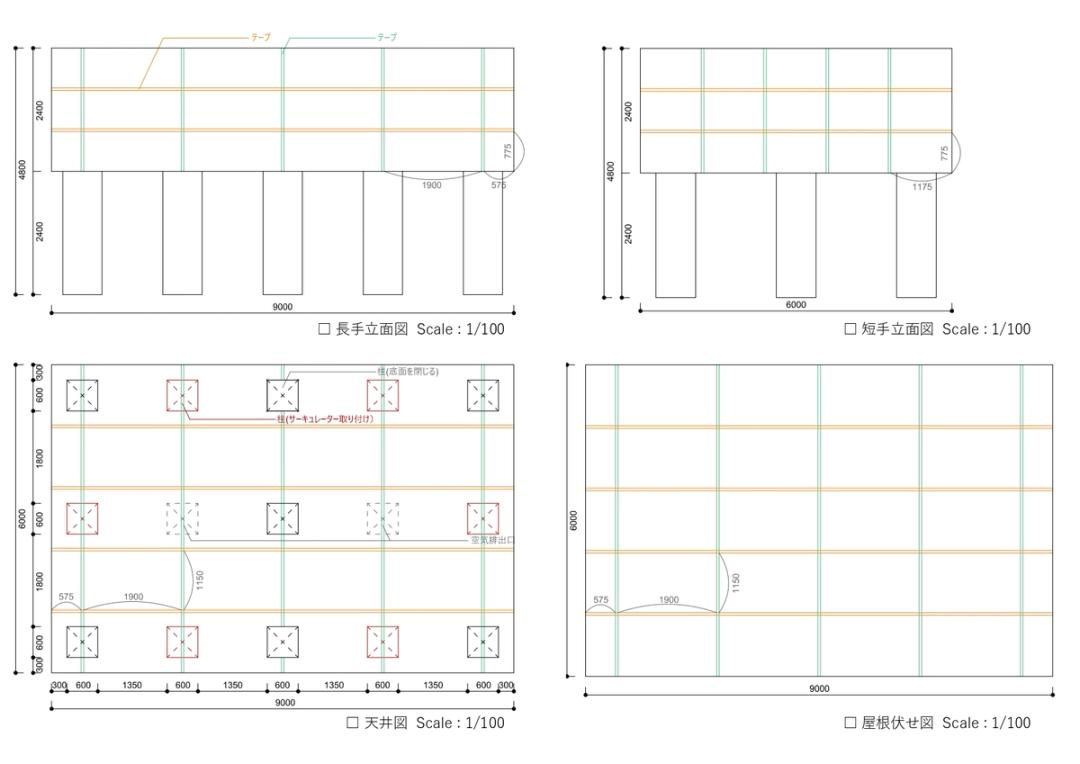
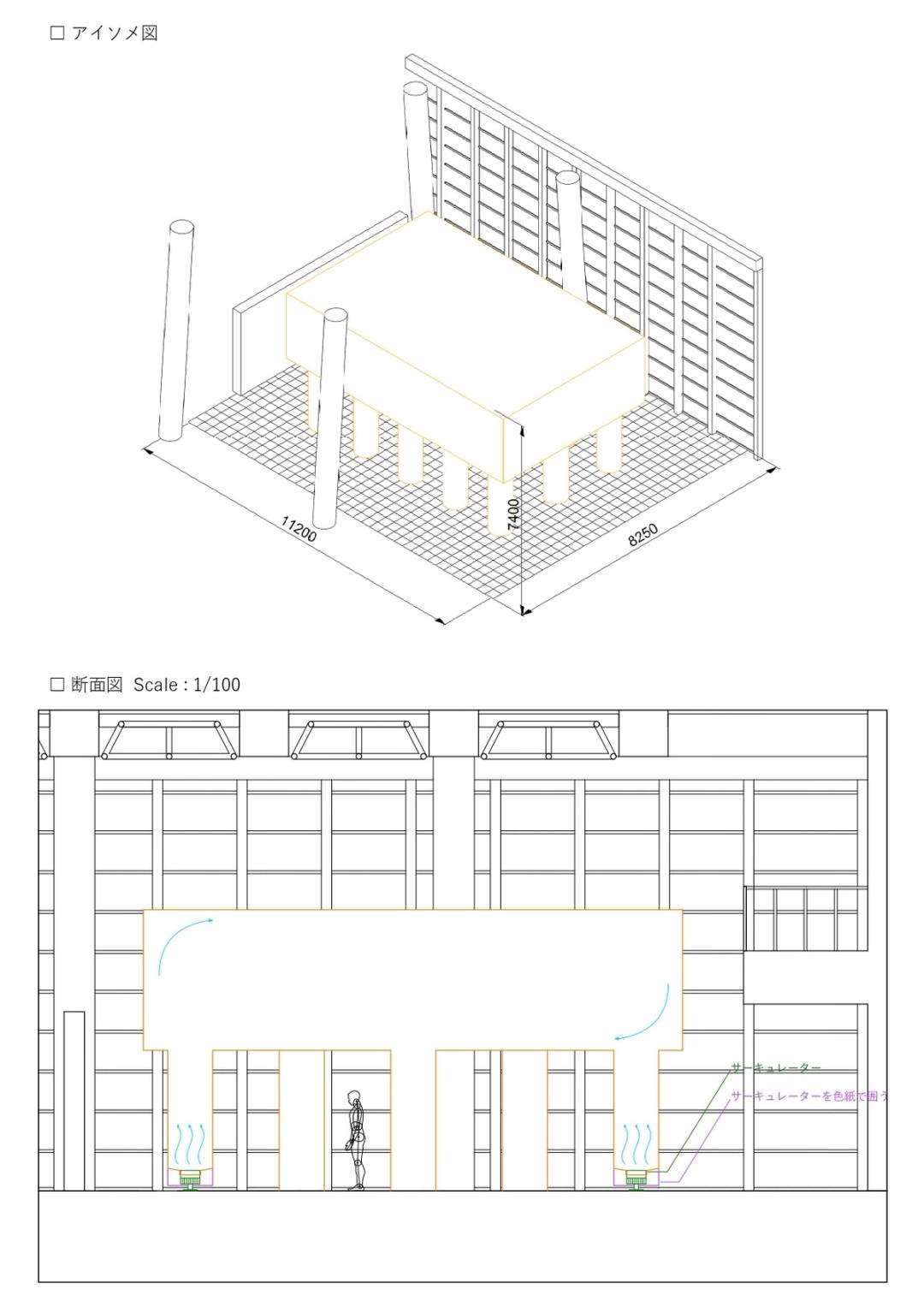
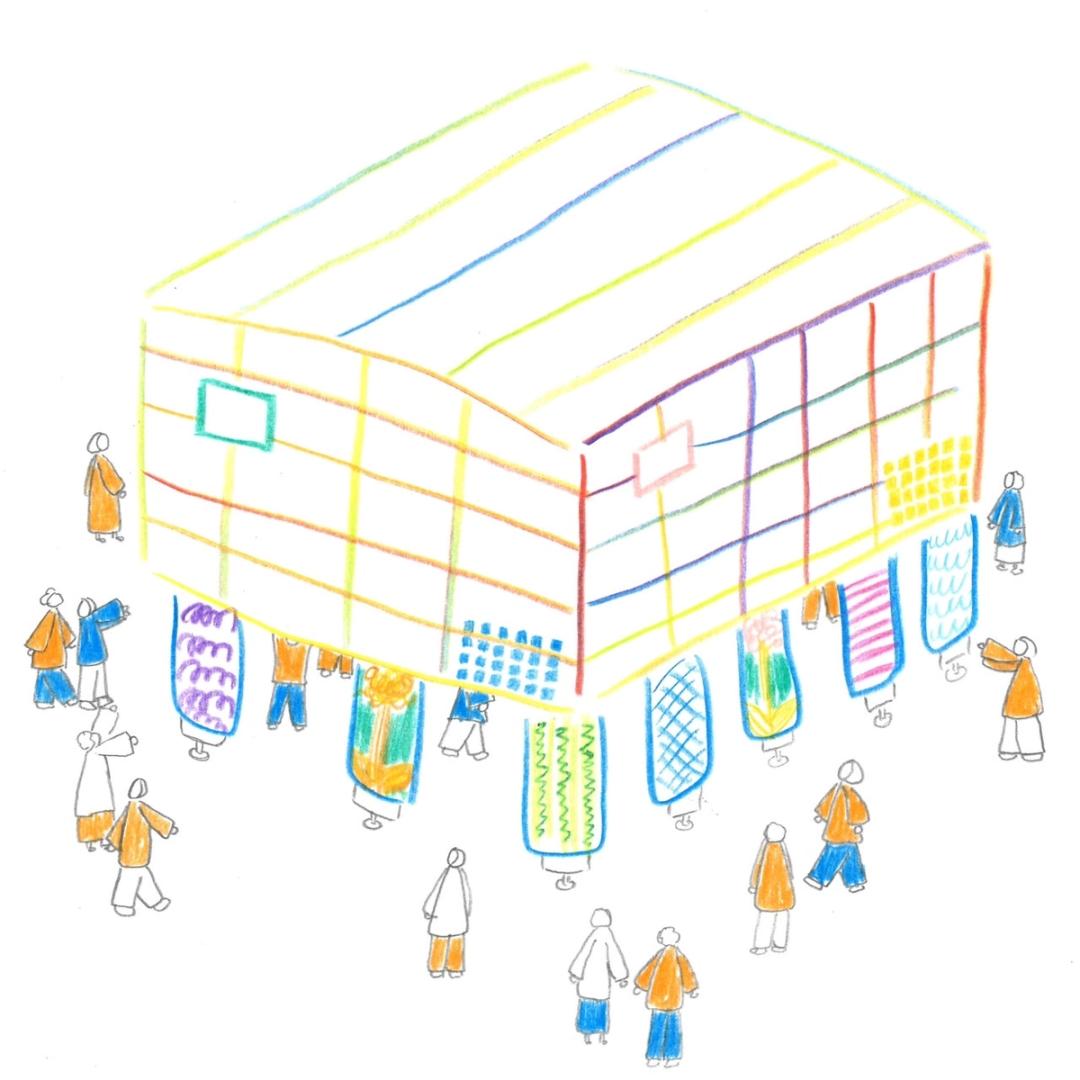
Drawing:Kaiyu Hosono
"BIKEN" Salon Cafe Project (2025-, STUDIO YUASA Koki Kawamura / Ryota Kikuchi)
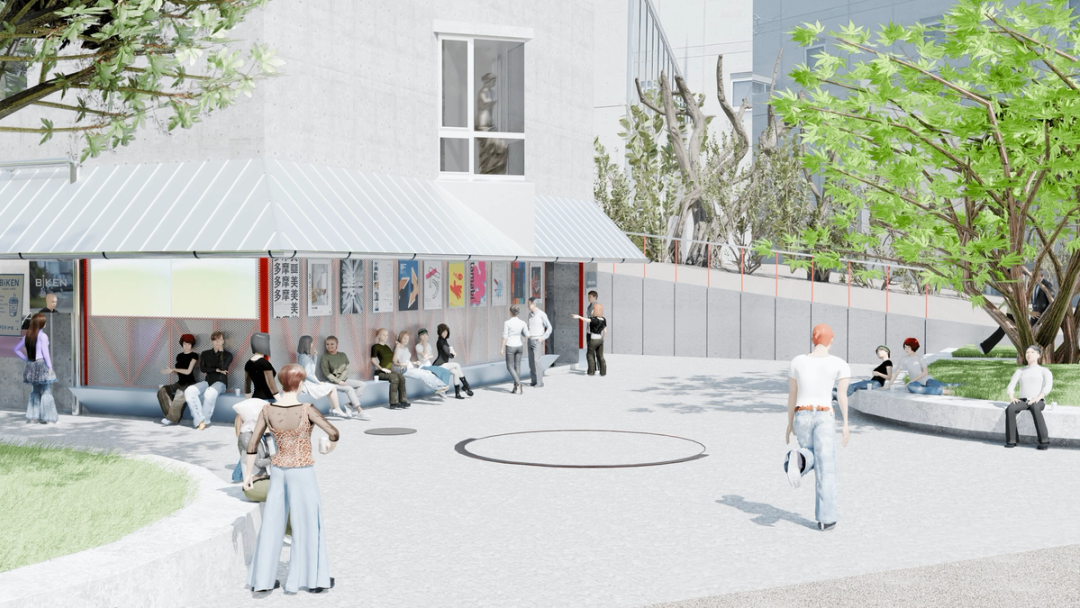
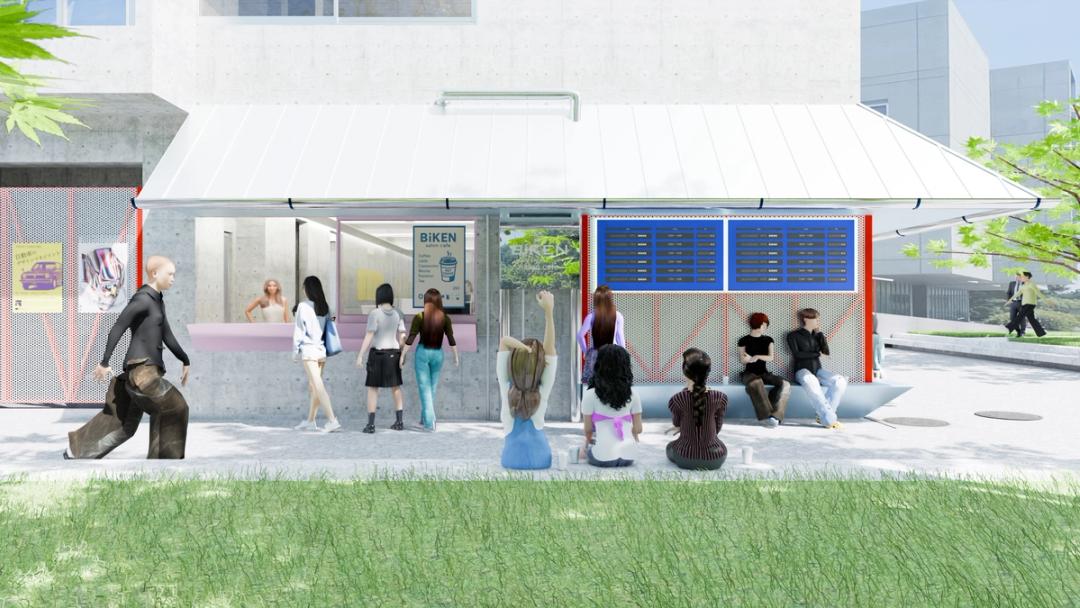
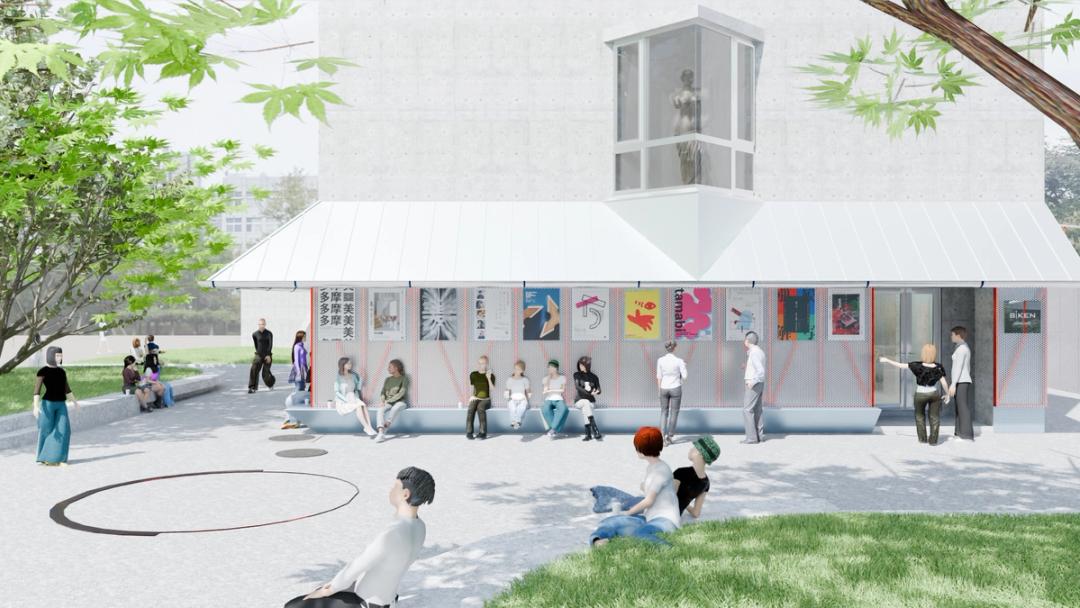
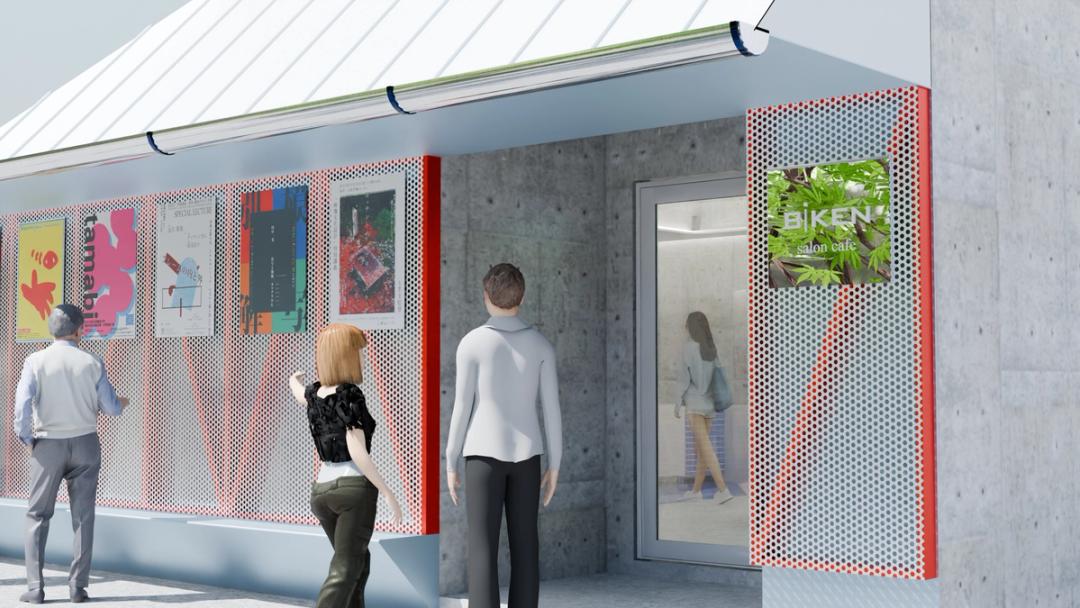
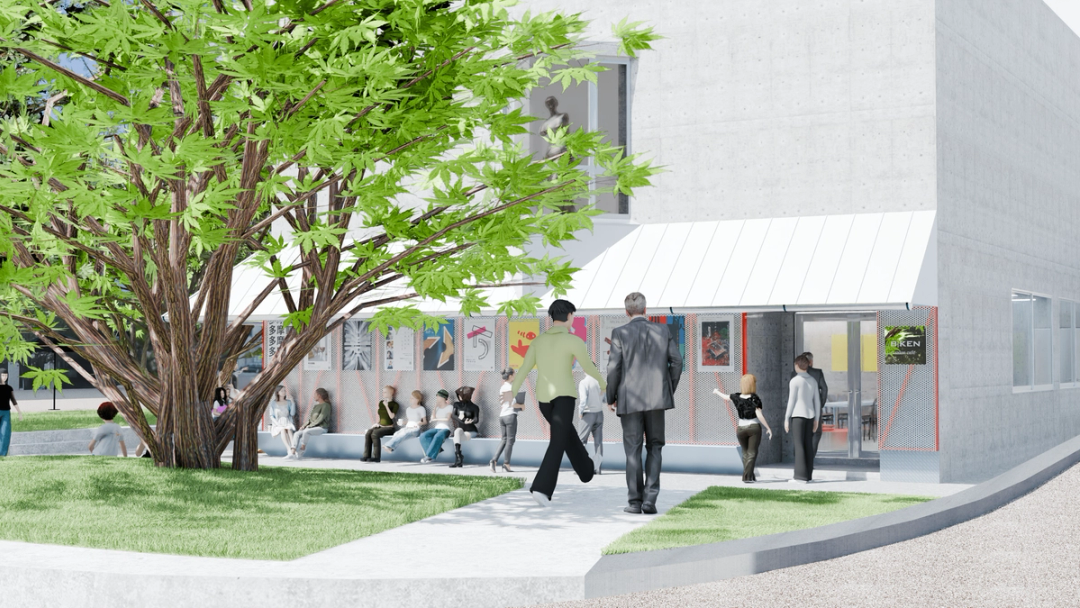
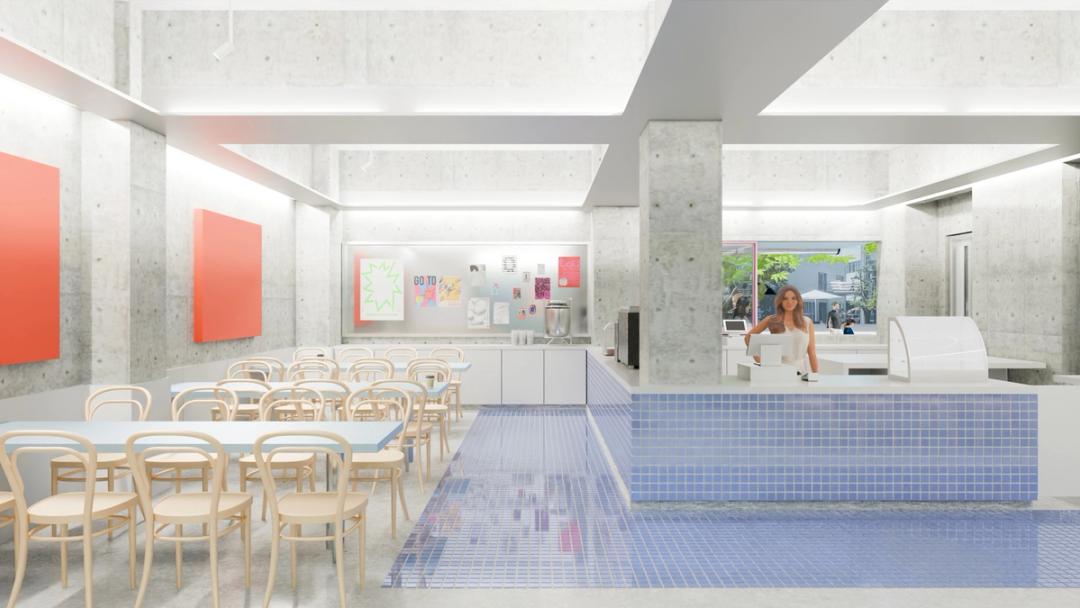
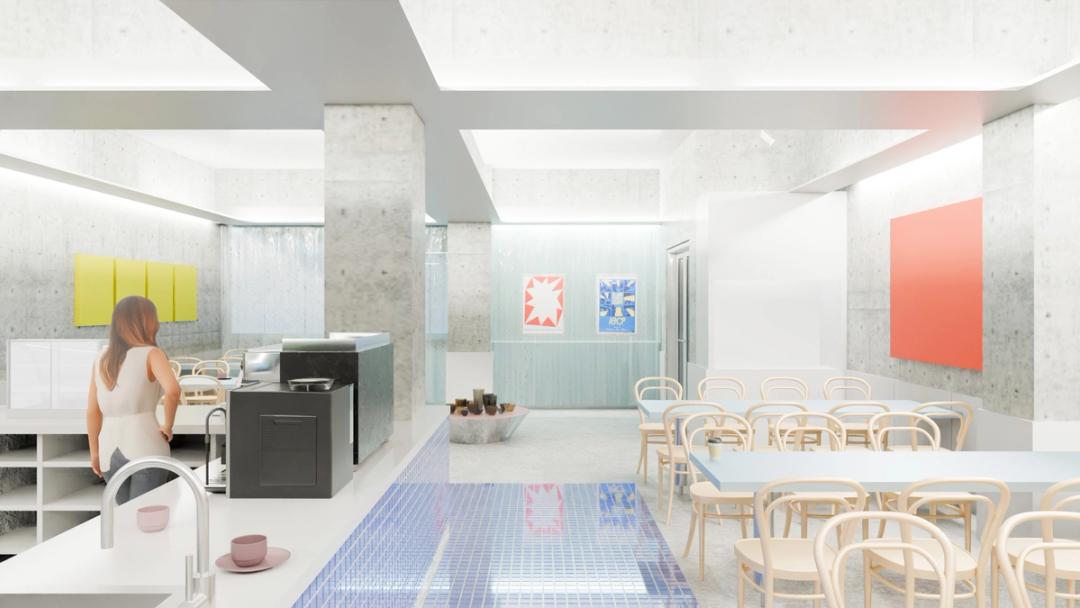
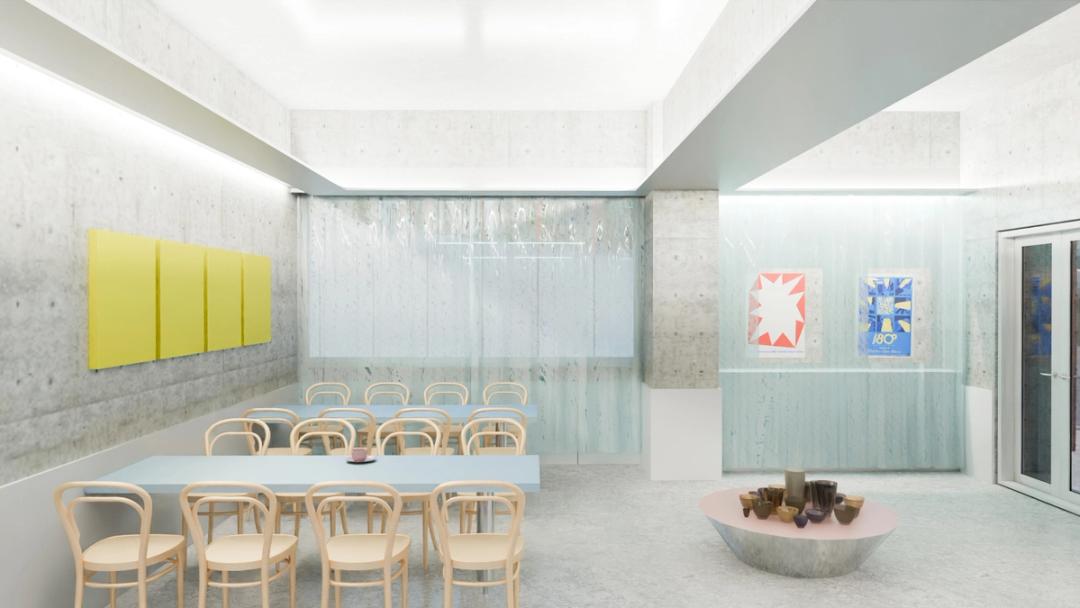
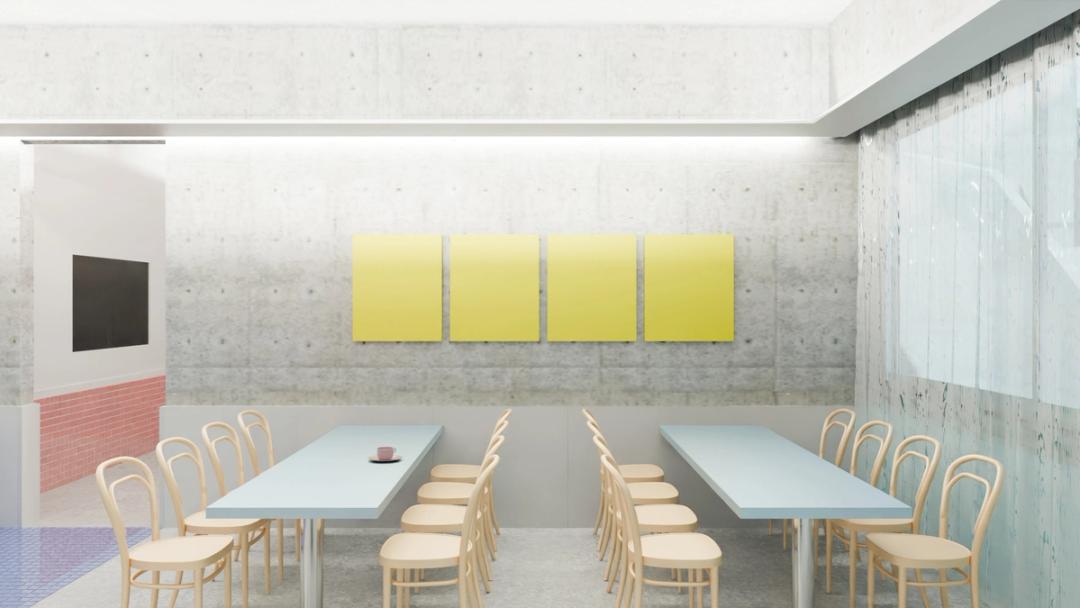
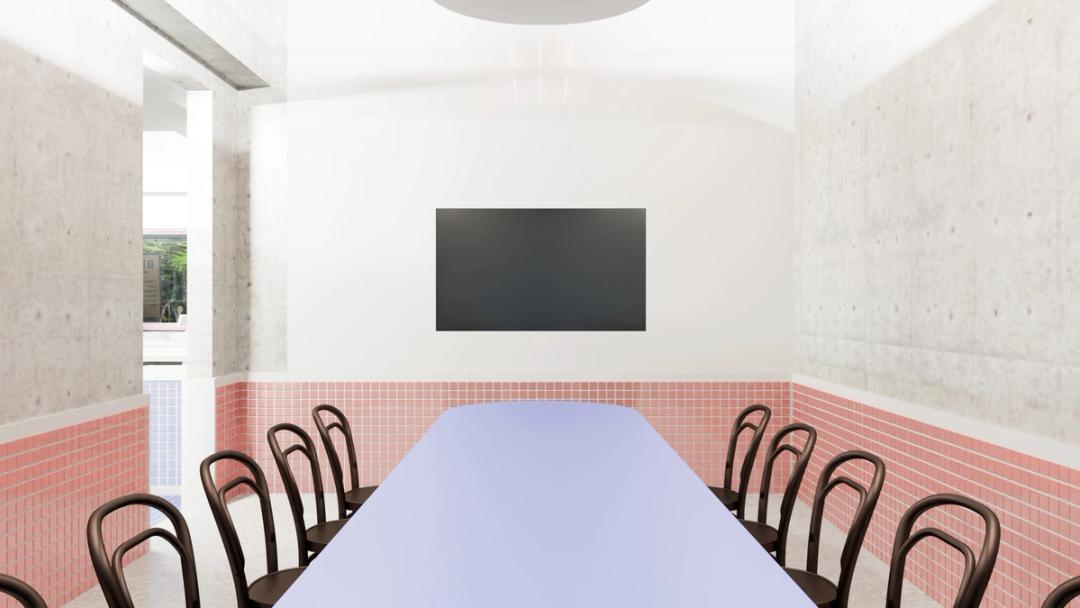
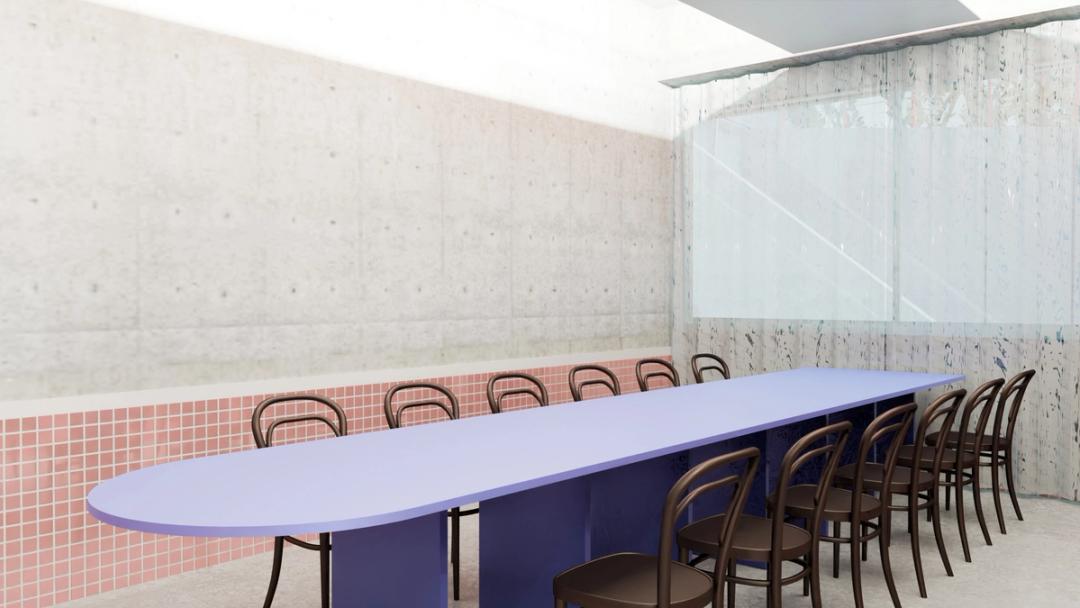
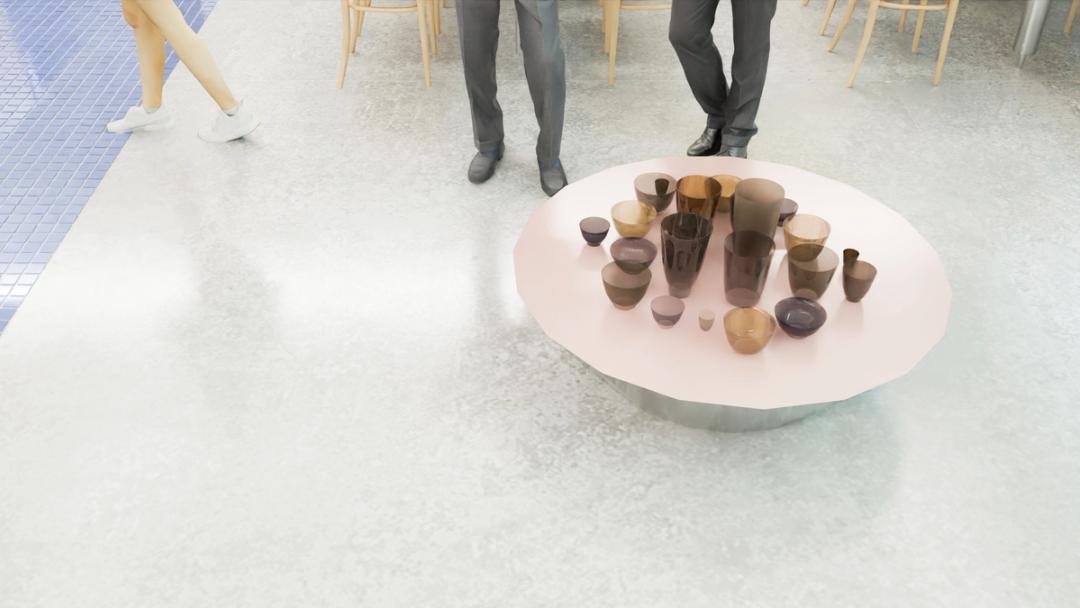
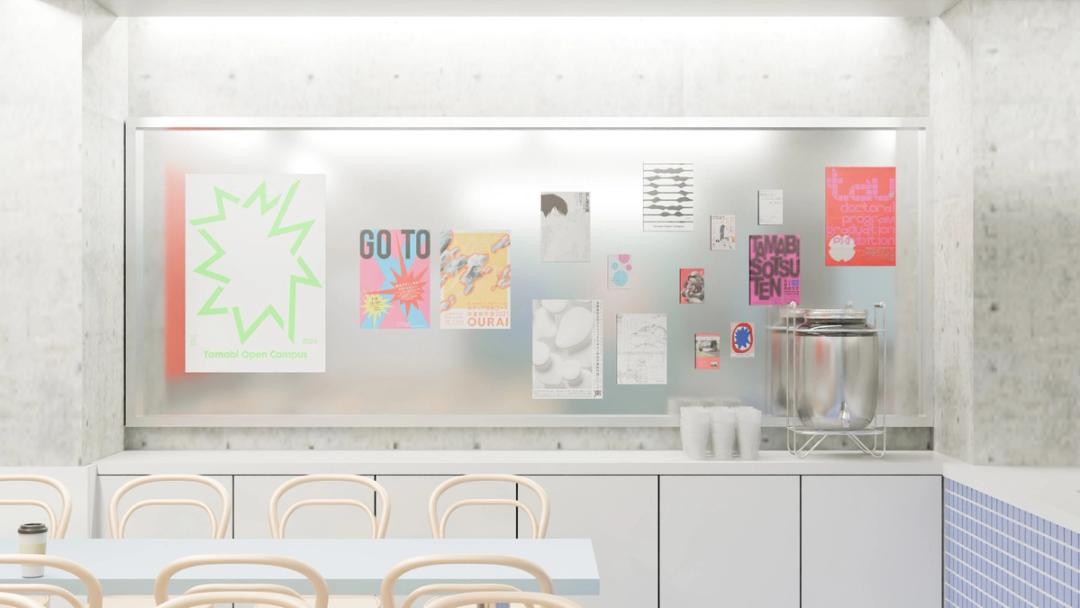
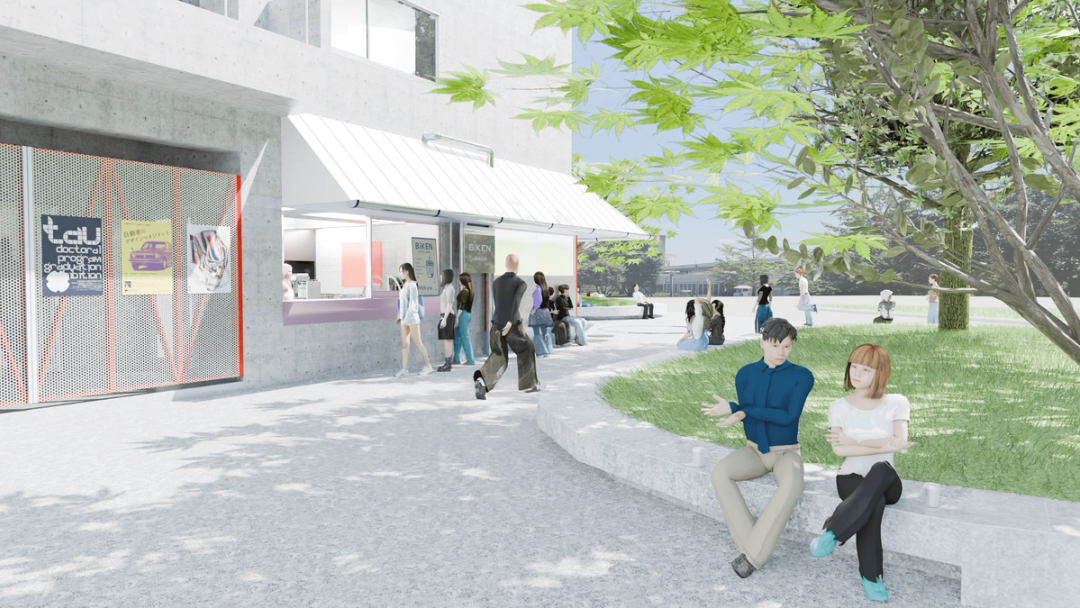
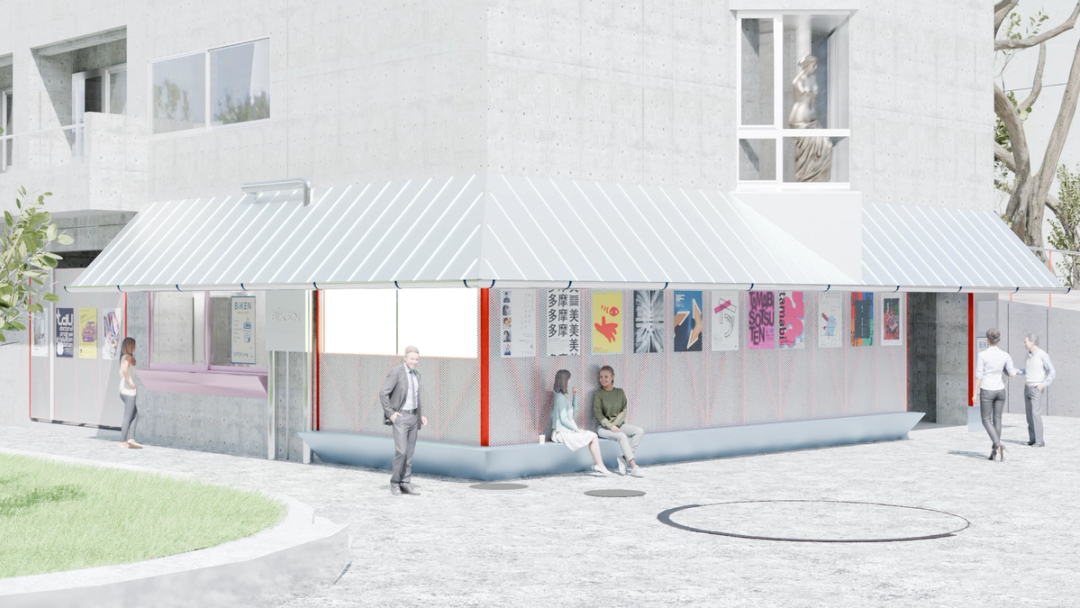
Exhibition Room B (2025, STUDIO YUASA)
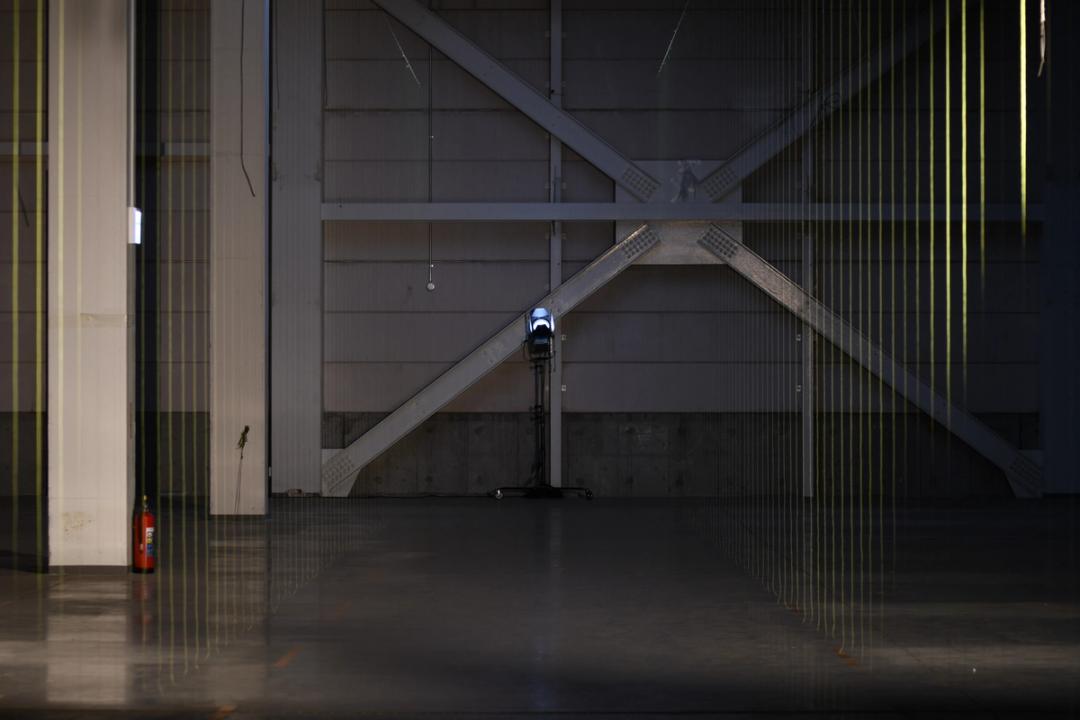
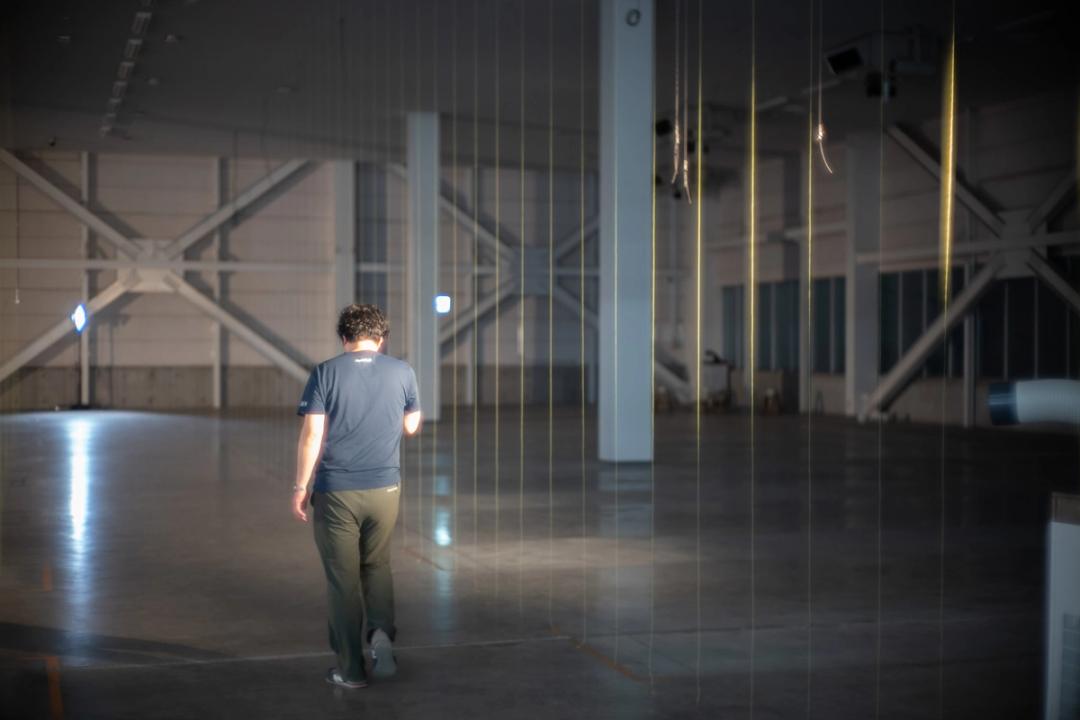
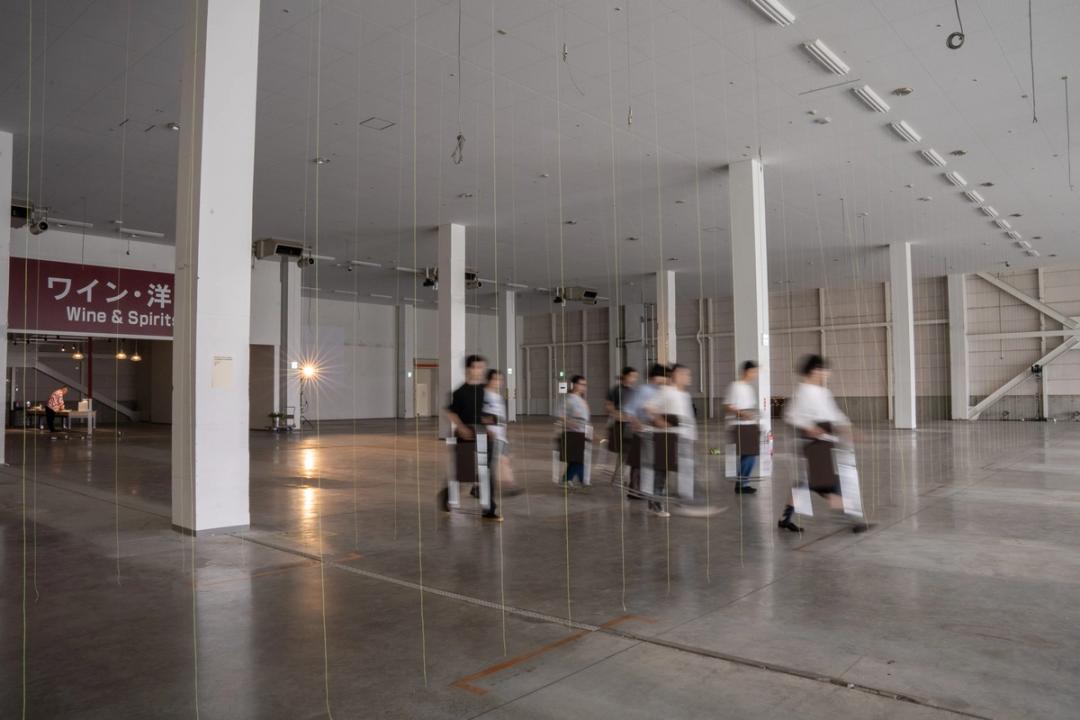
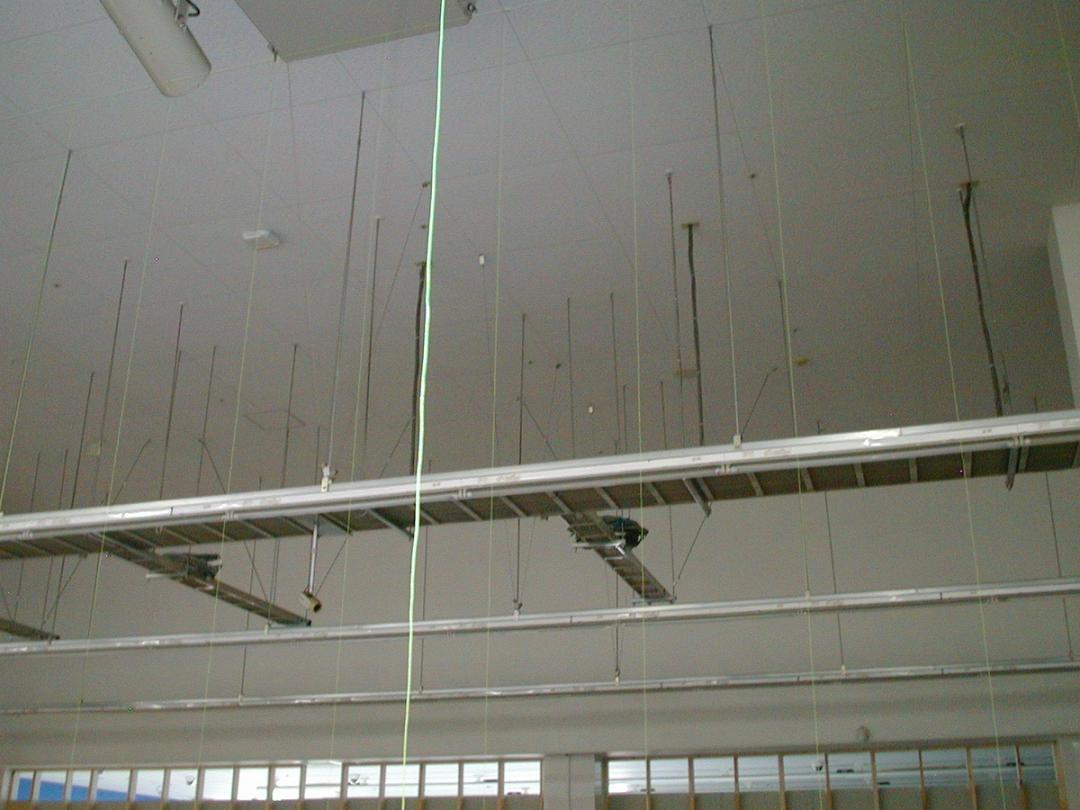
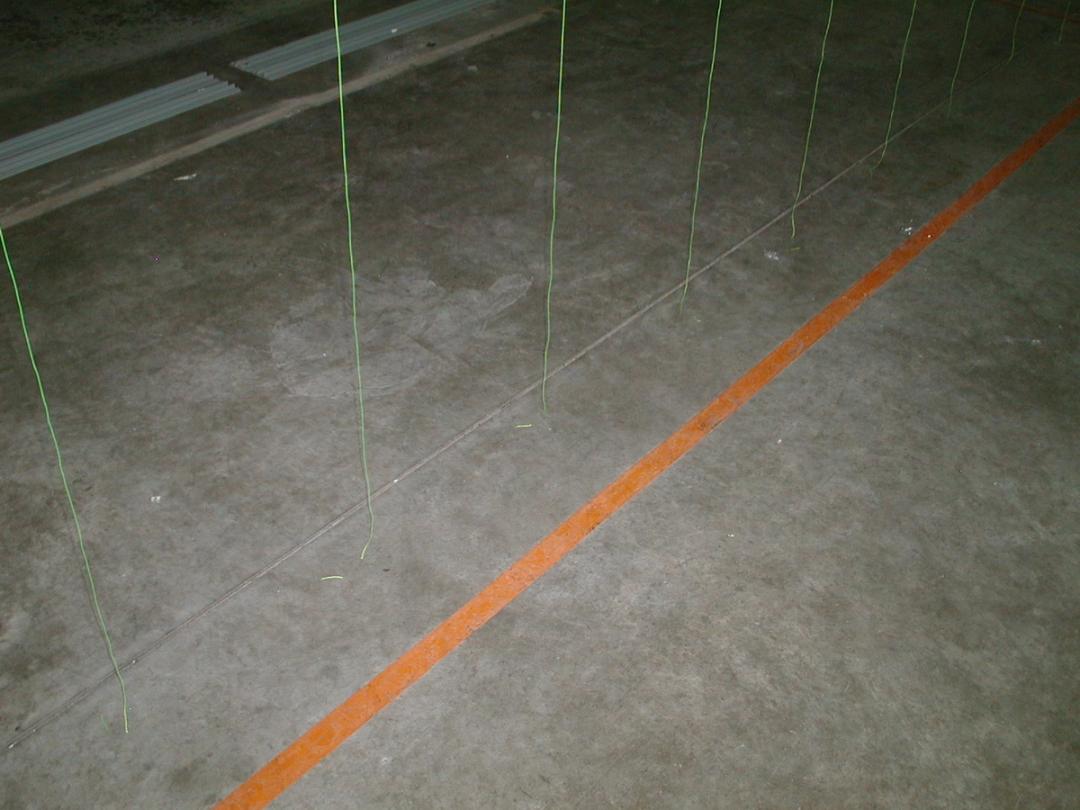
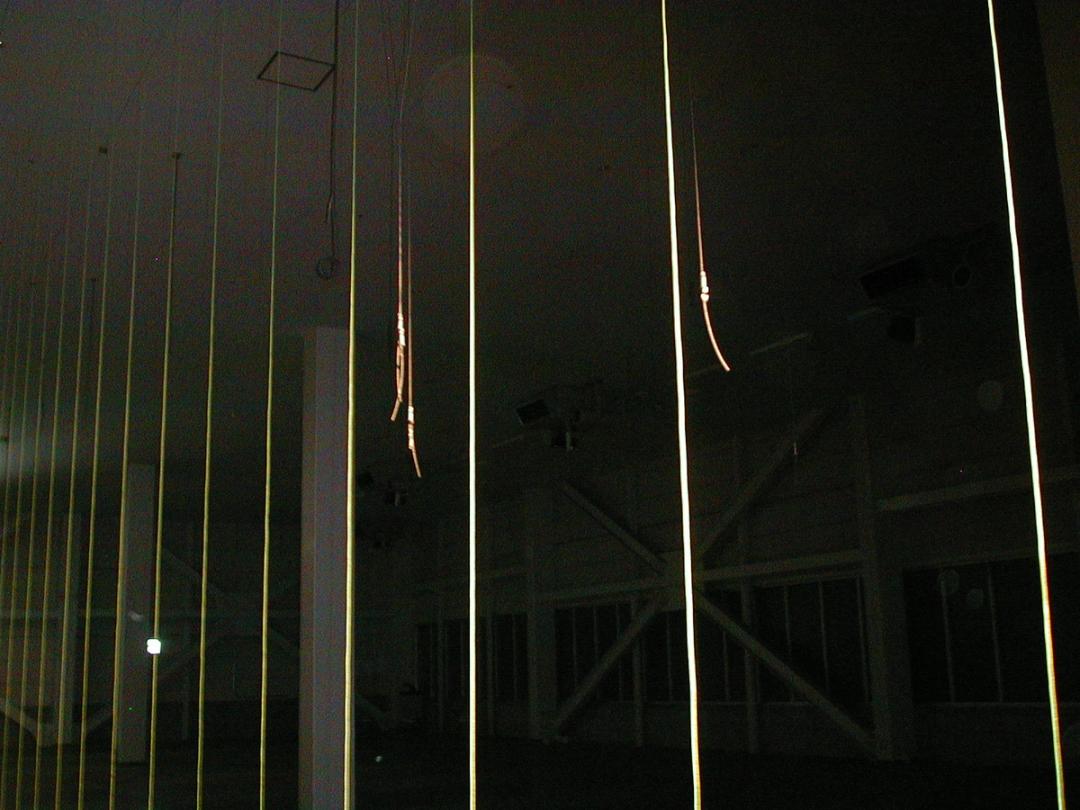
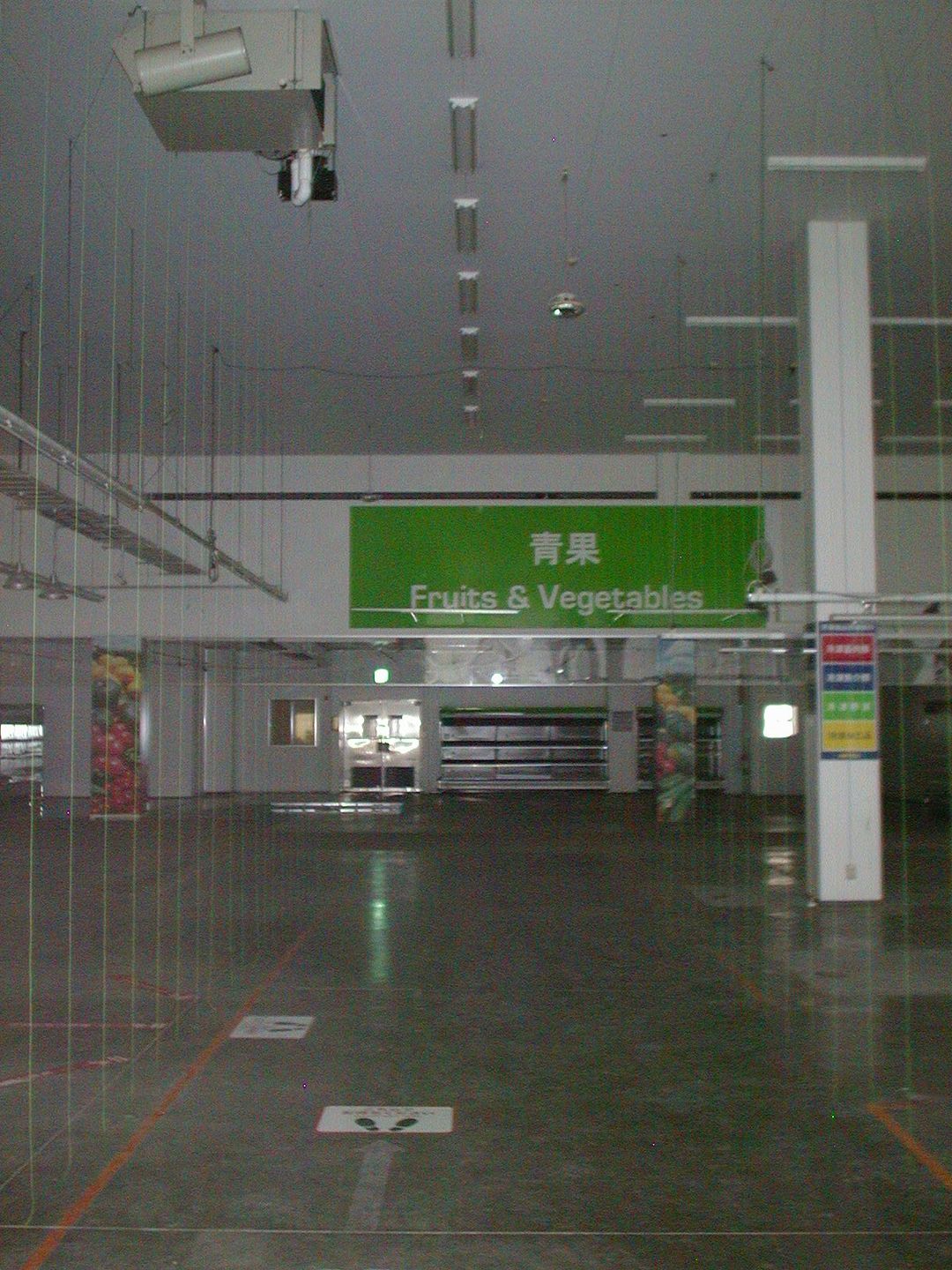
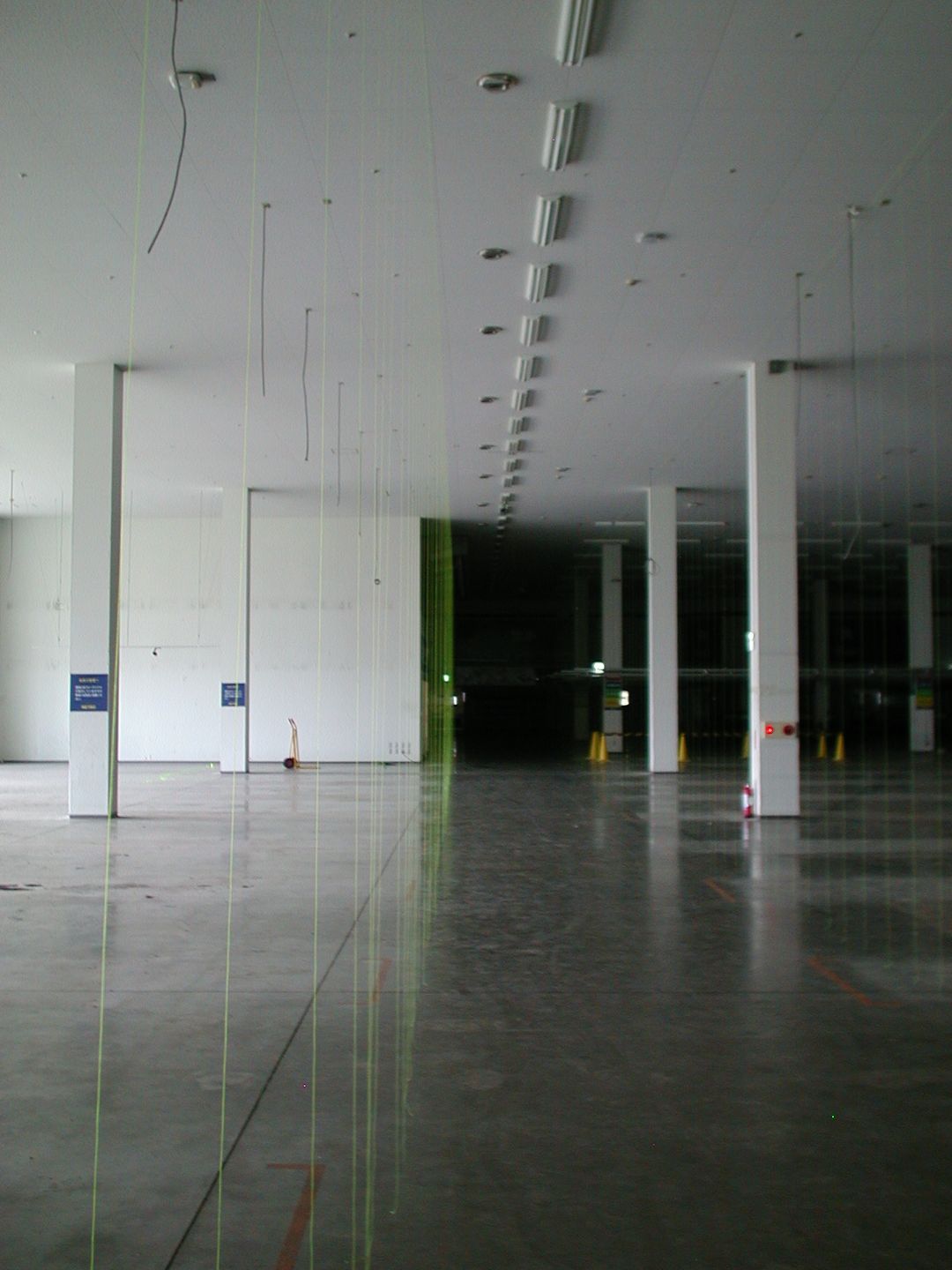
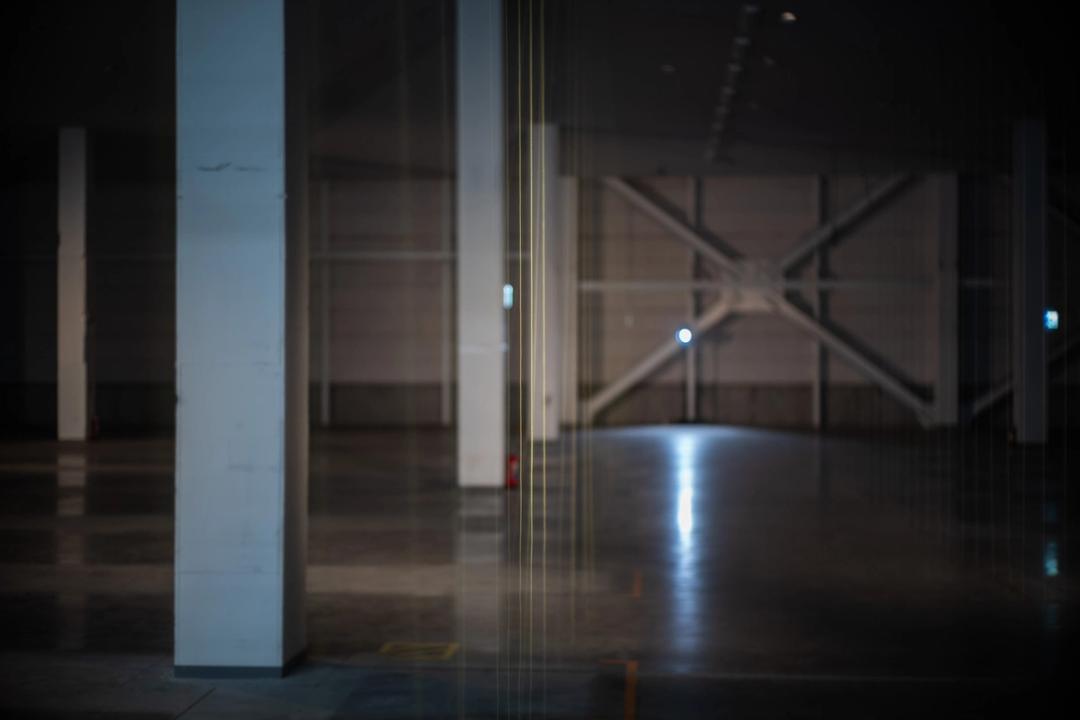
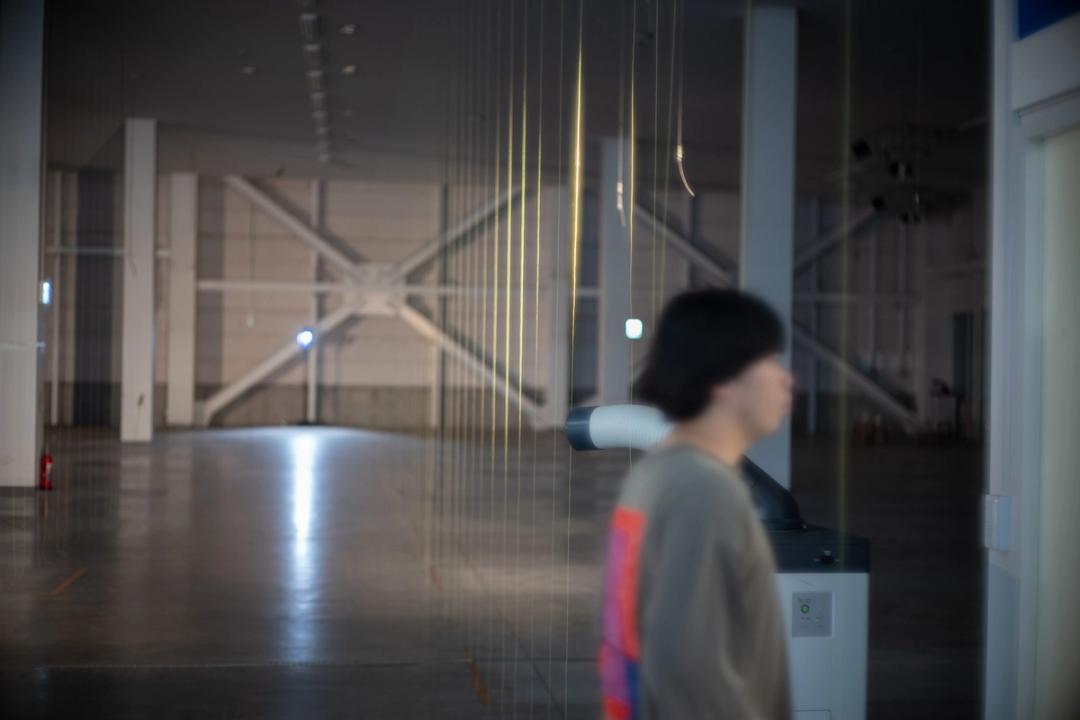
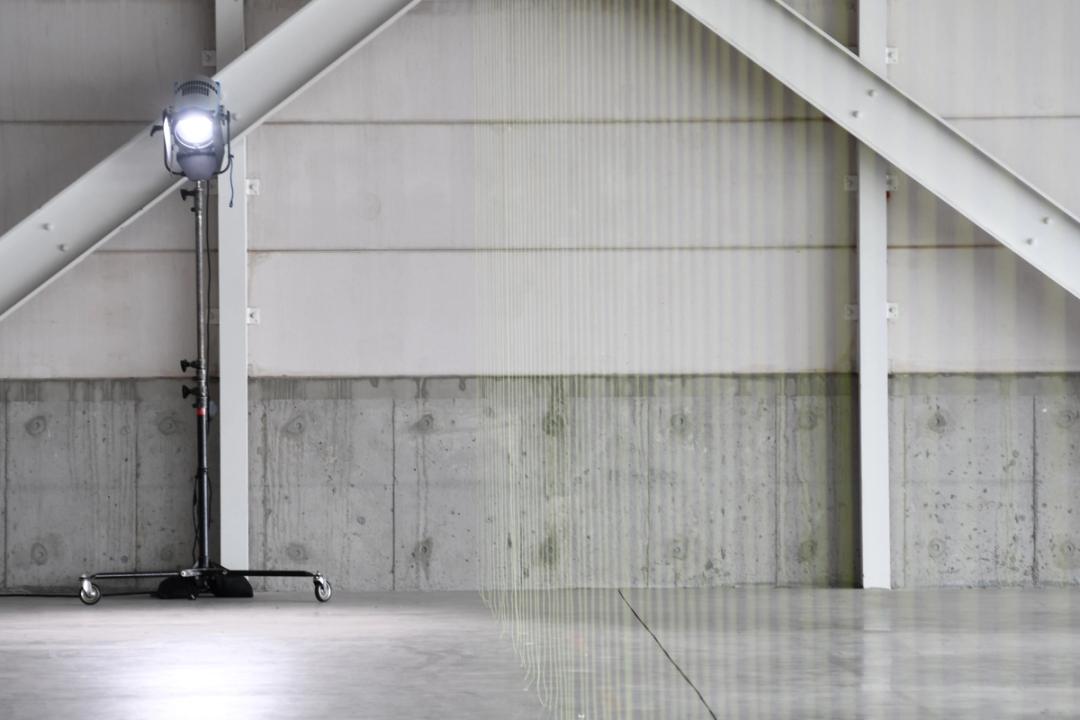
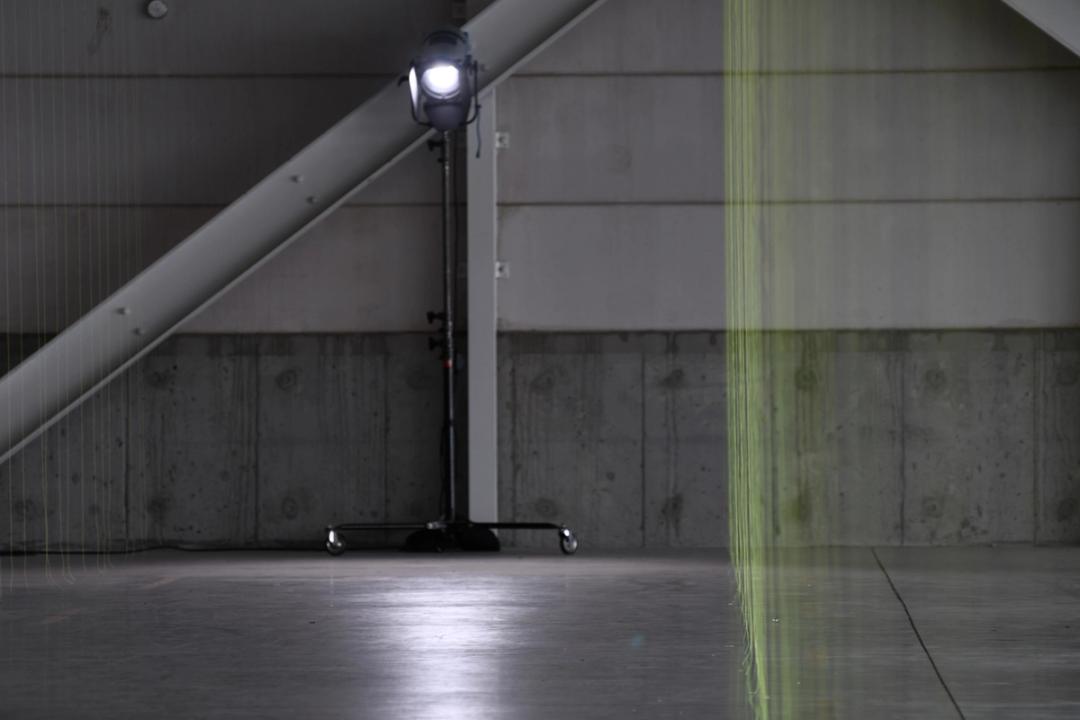
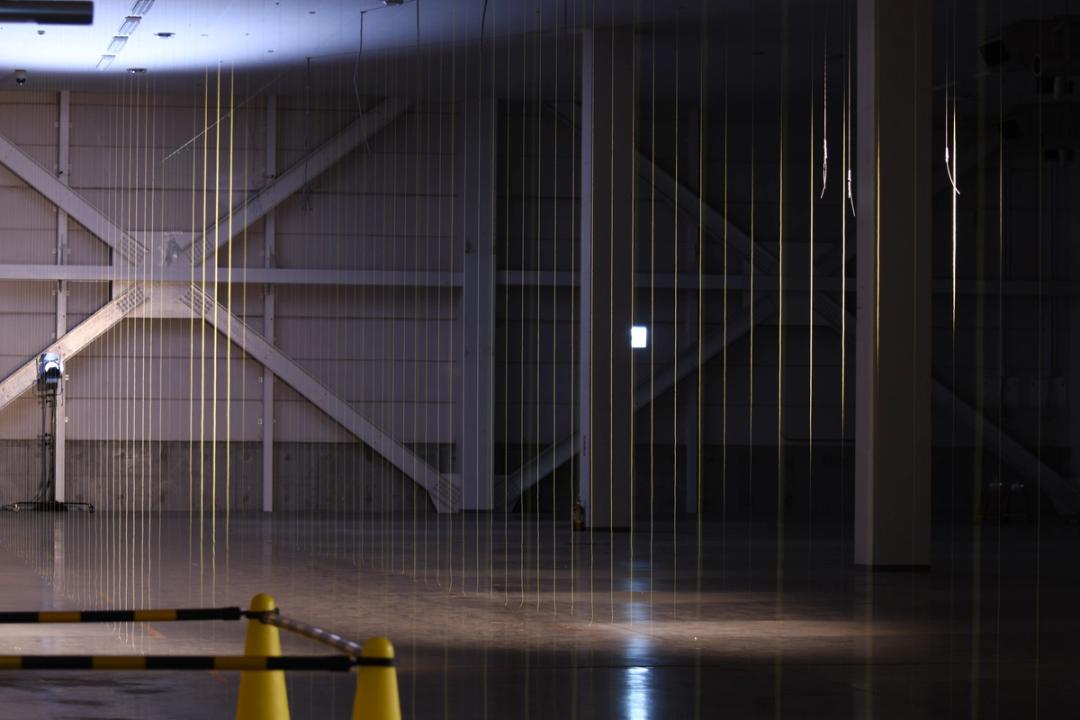
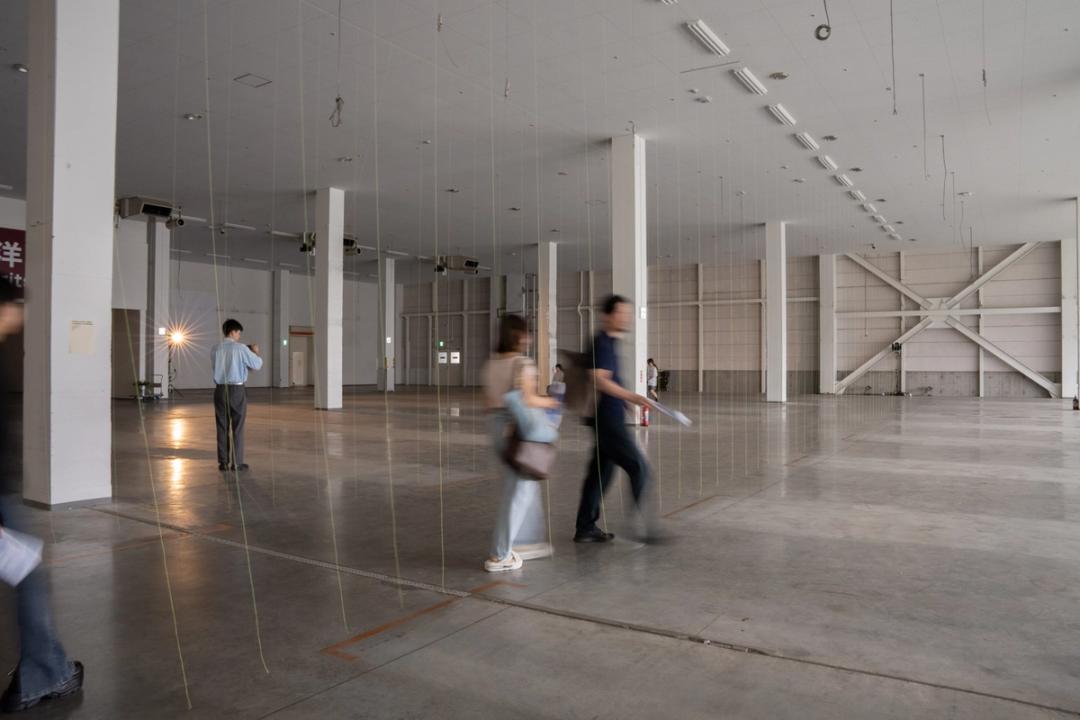
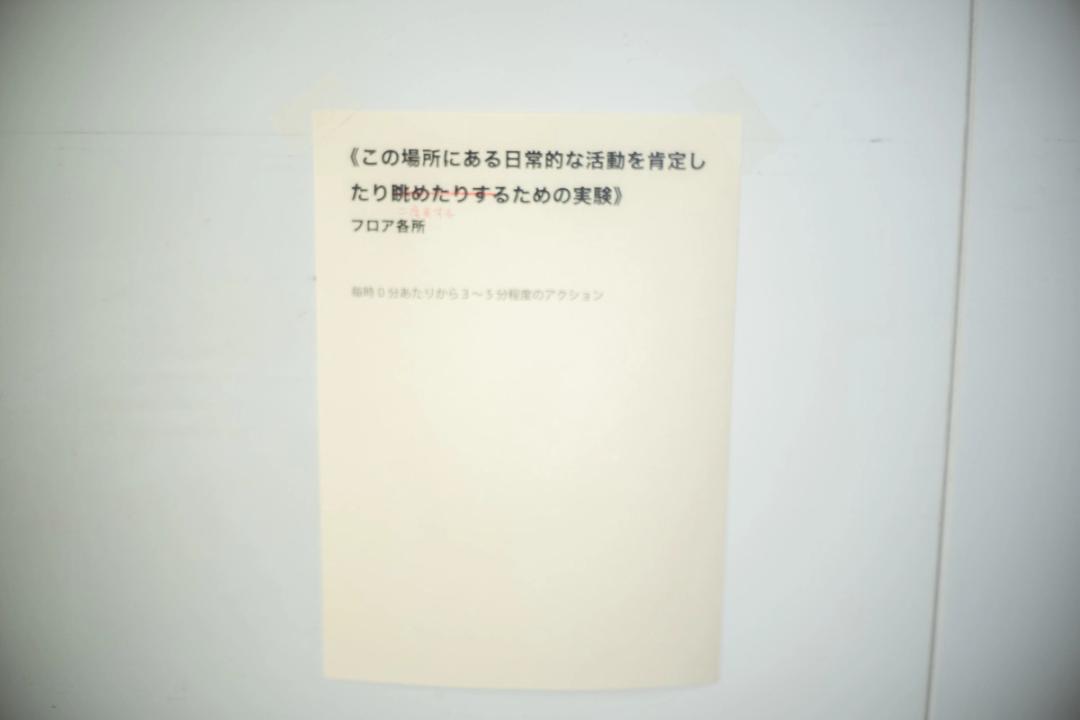
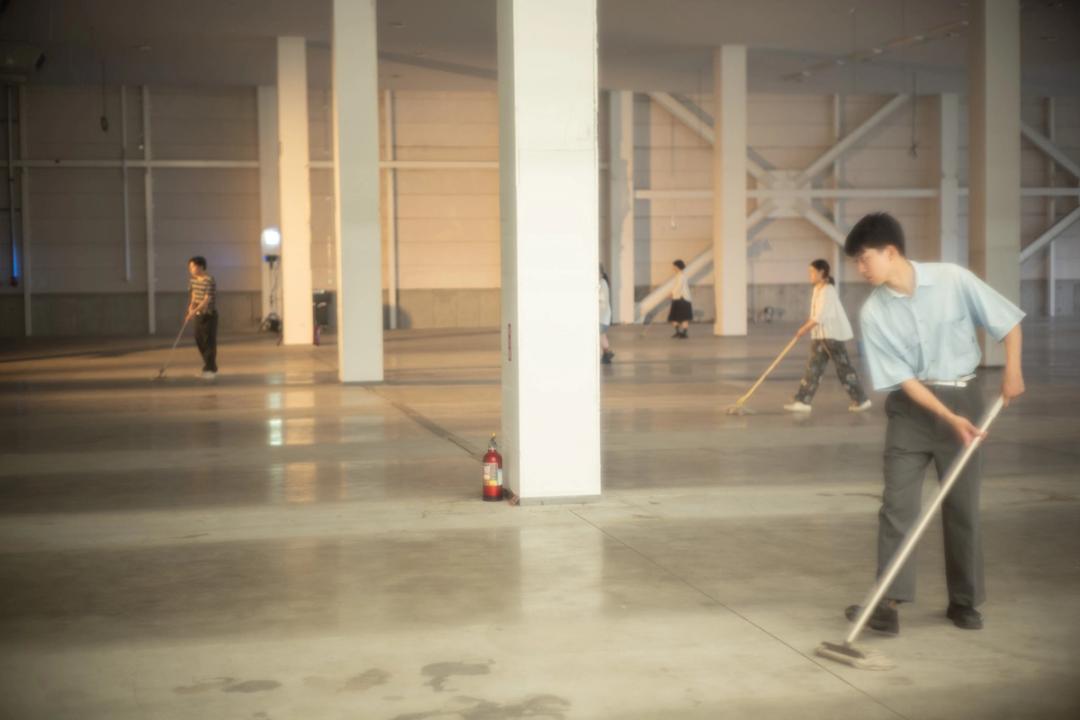
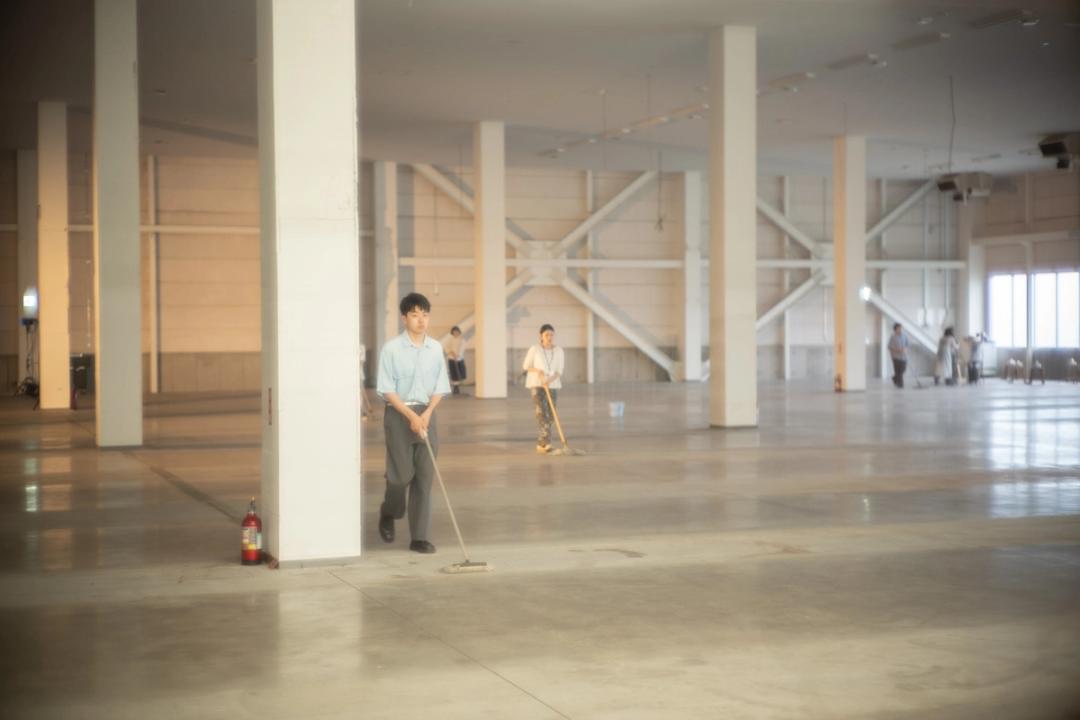
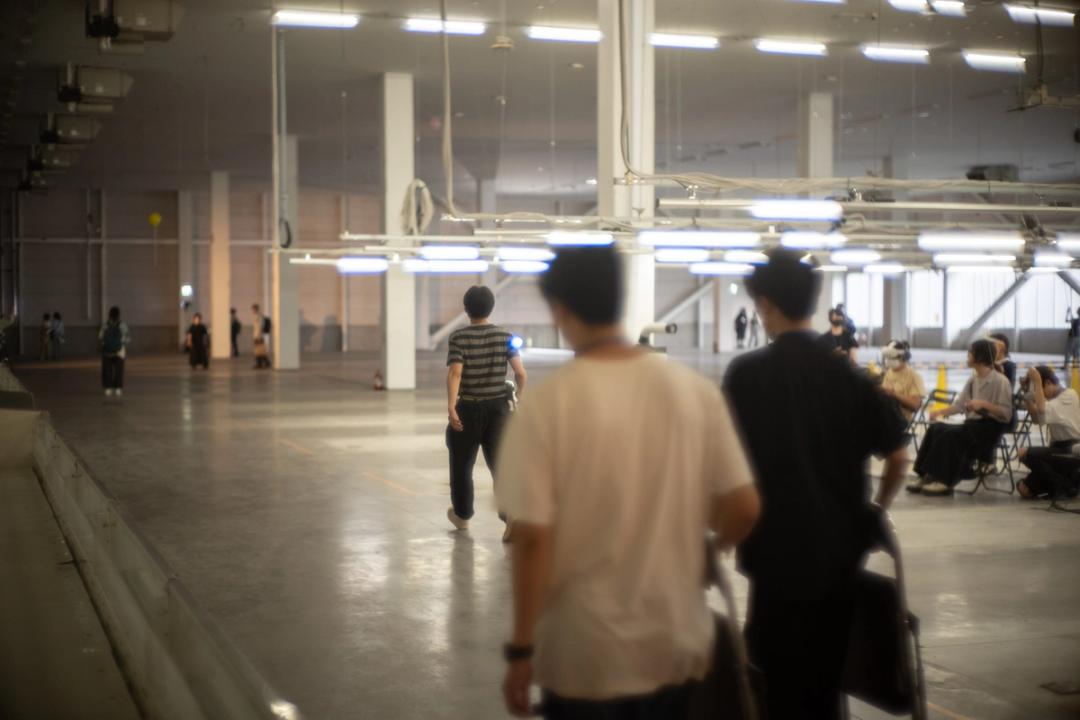
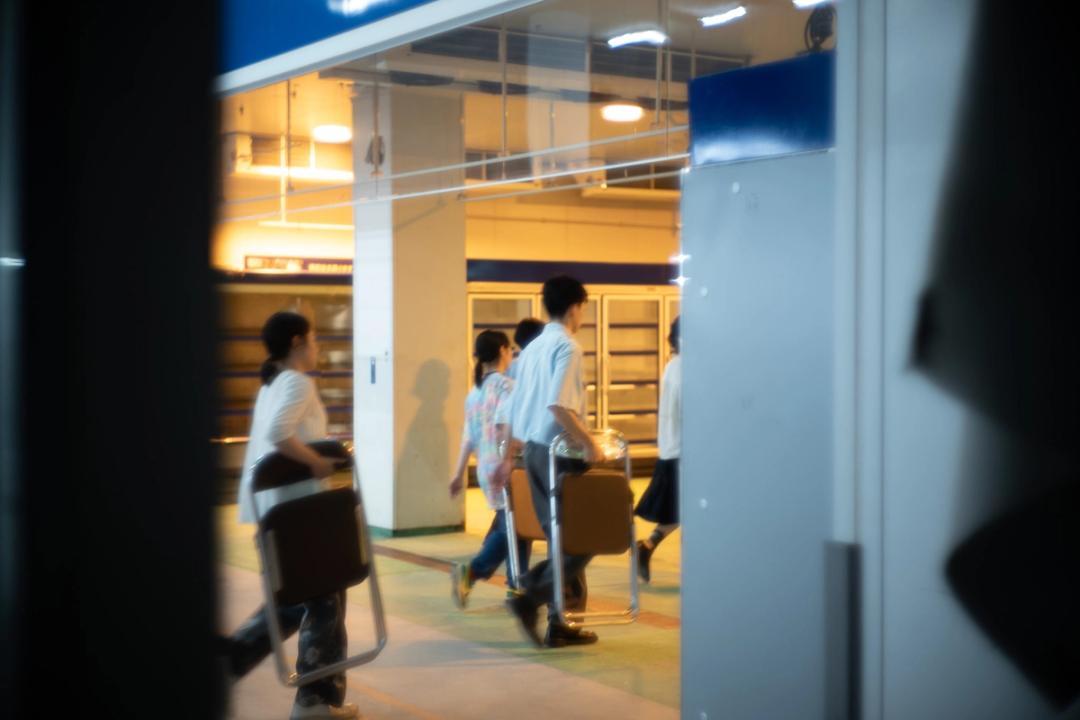
An experiment to affirm or double-check the everyday activities that take place in this location (2025, STUDIO YUASA)
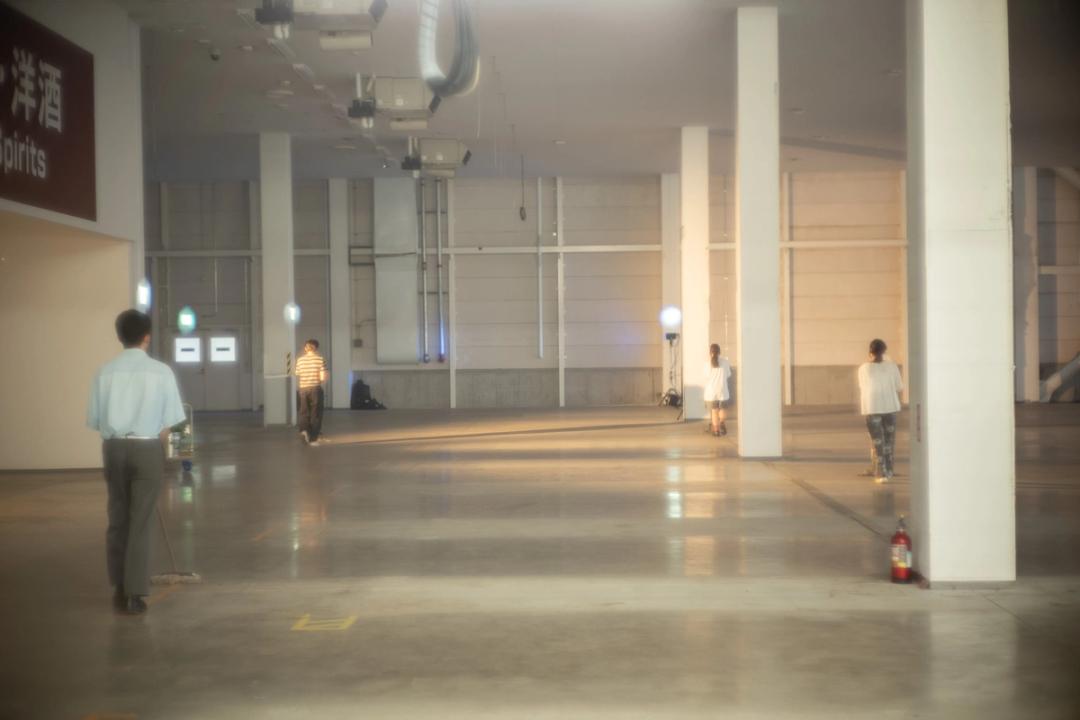
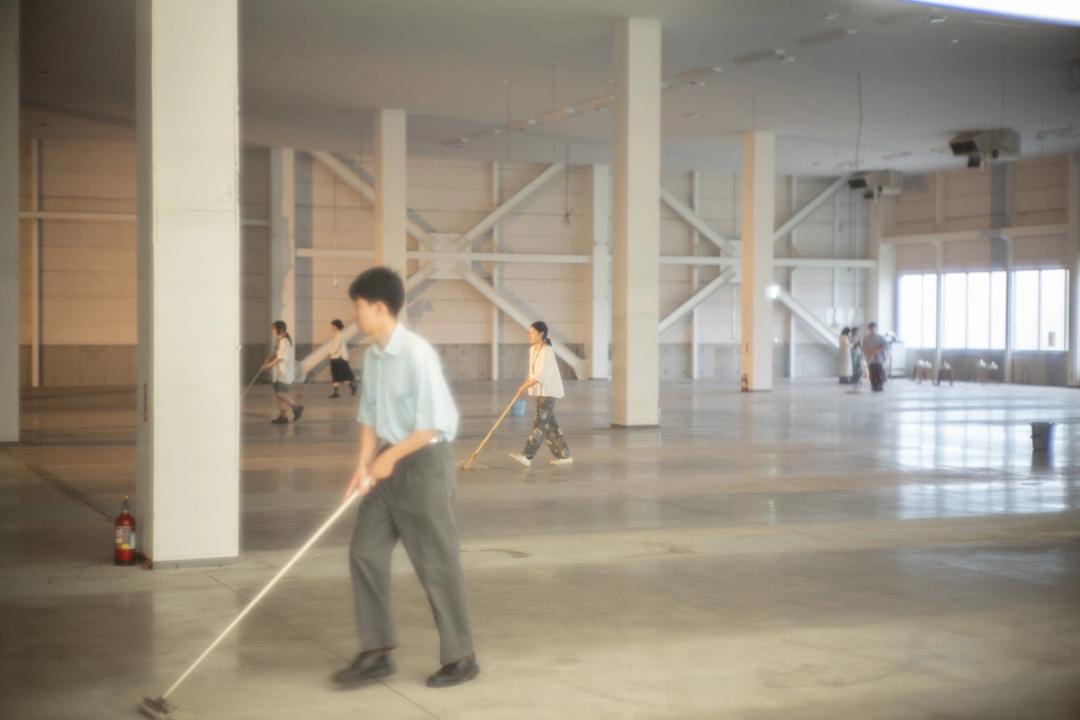
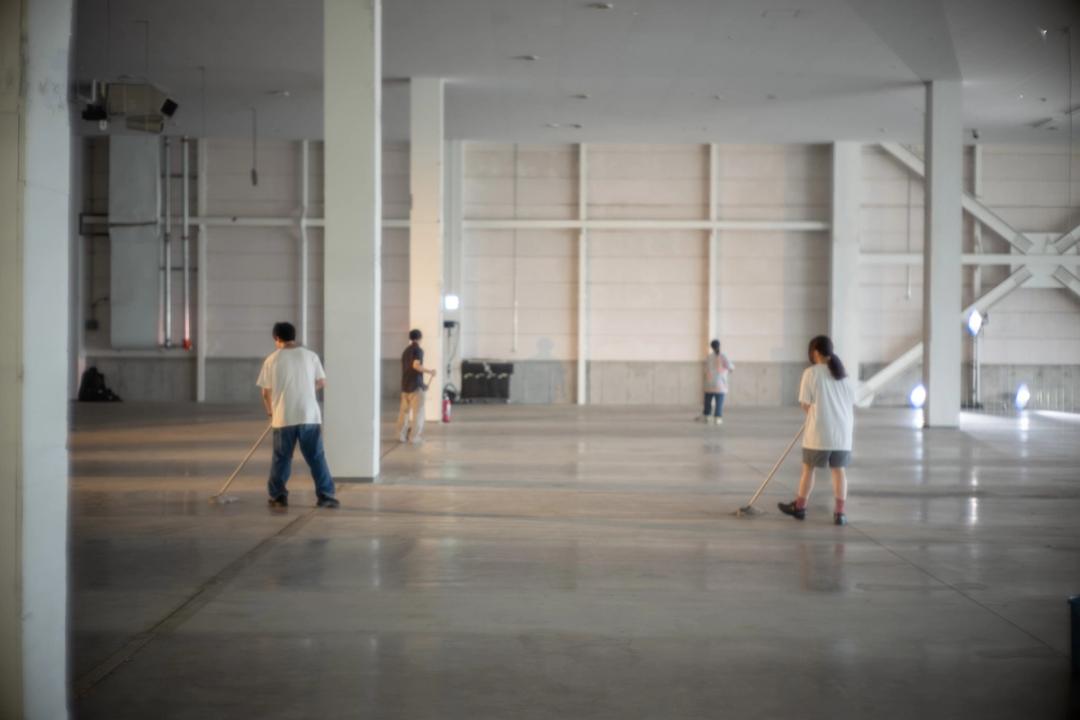
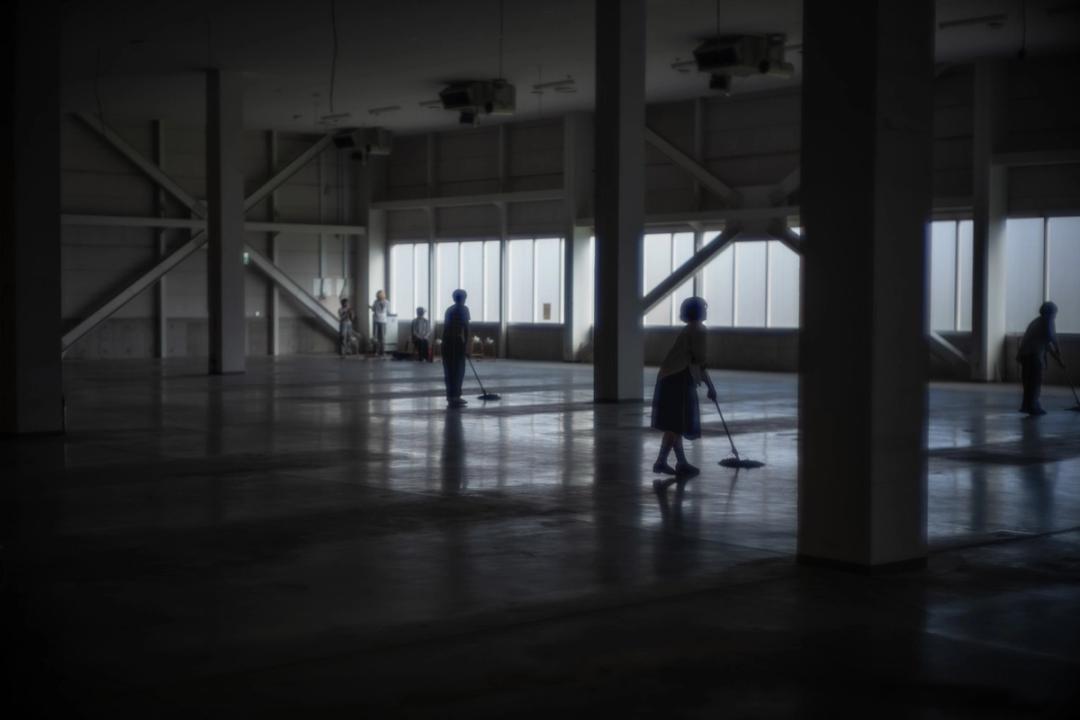
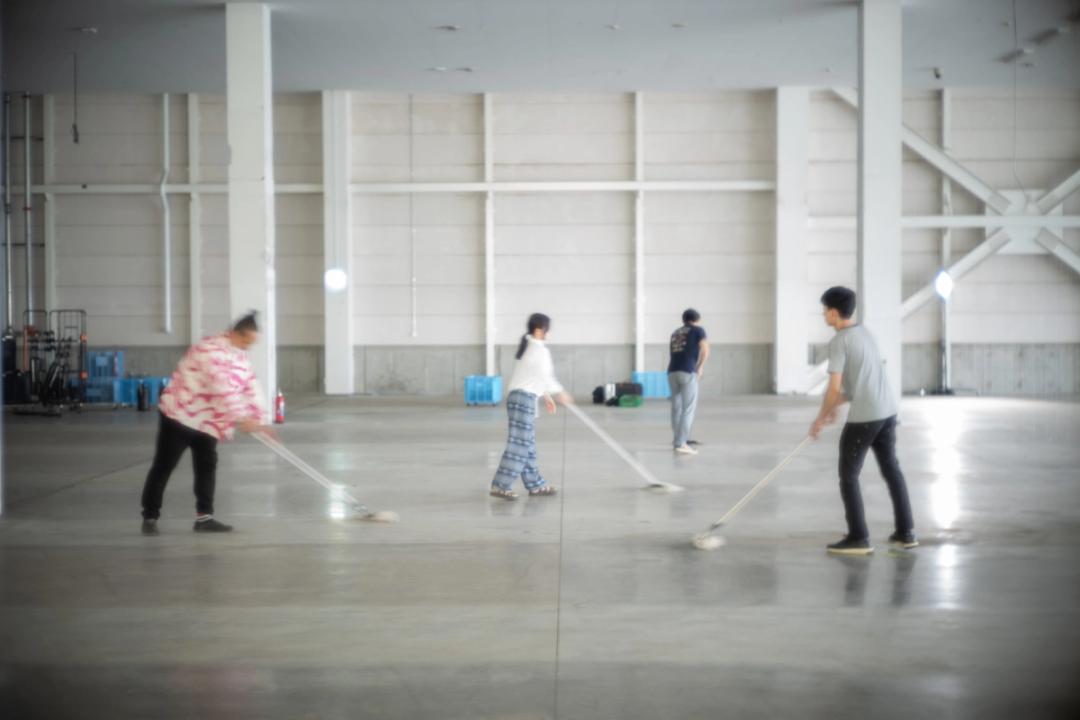
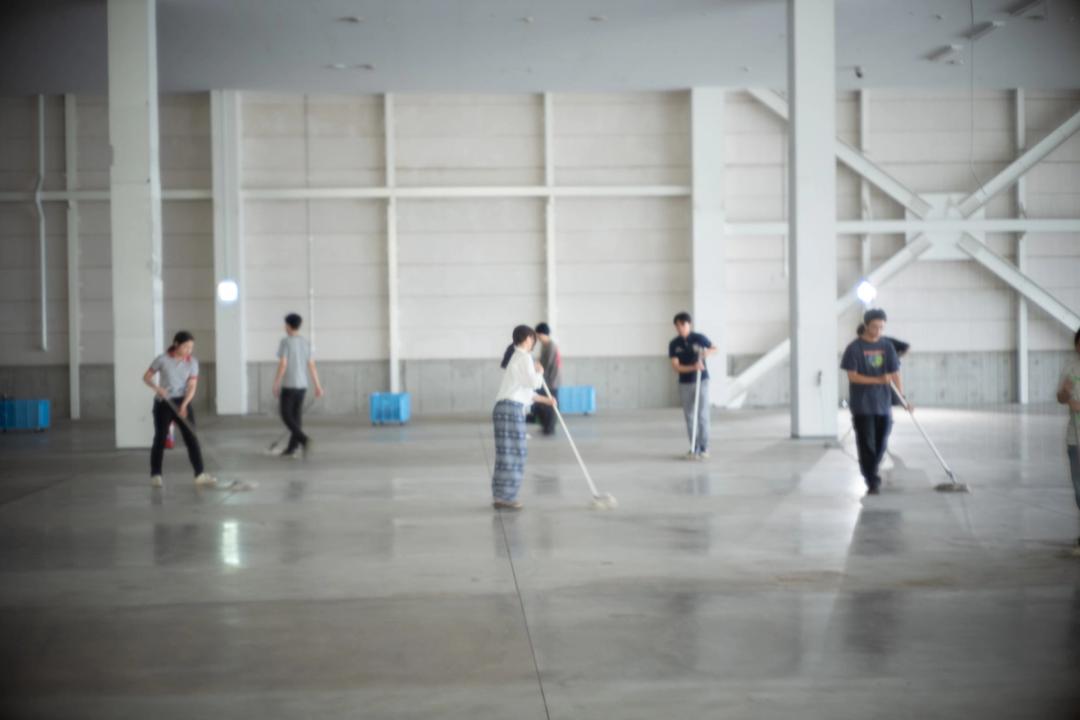
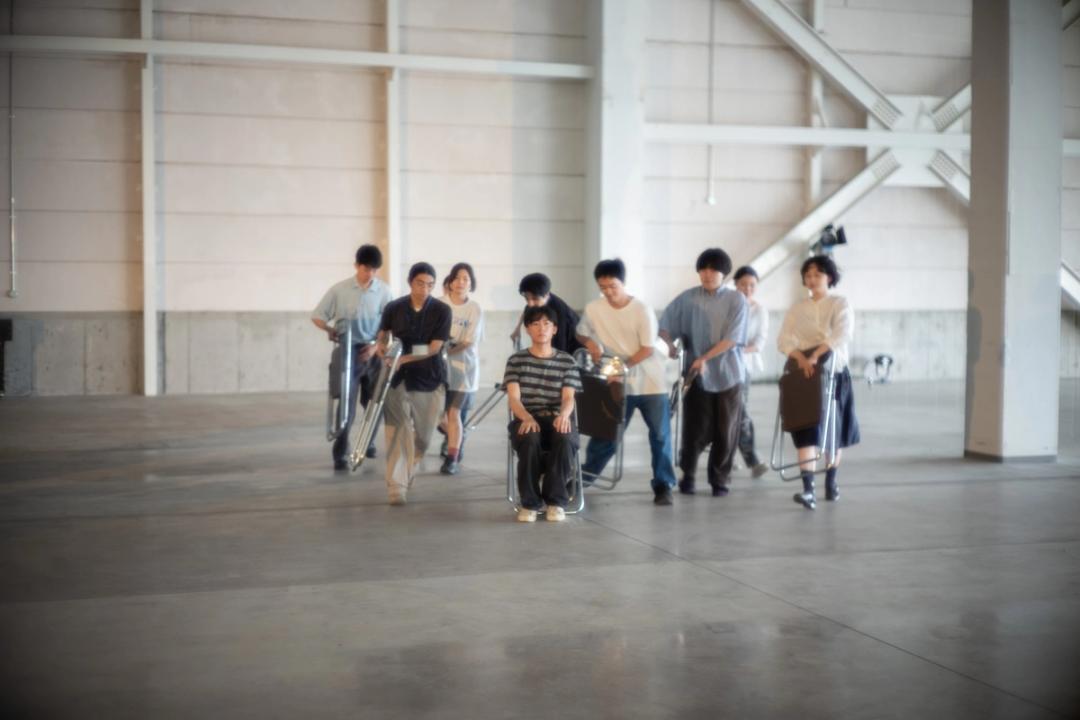
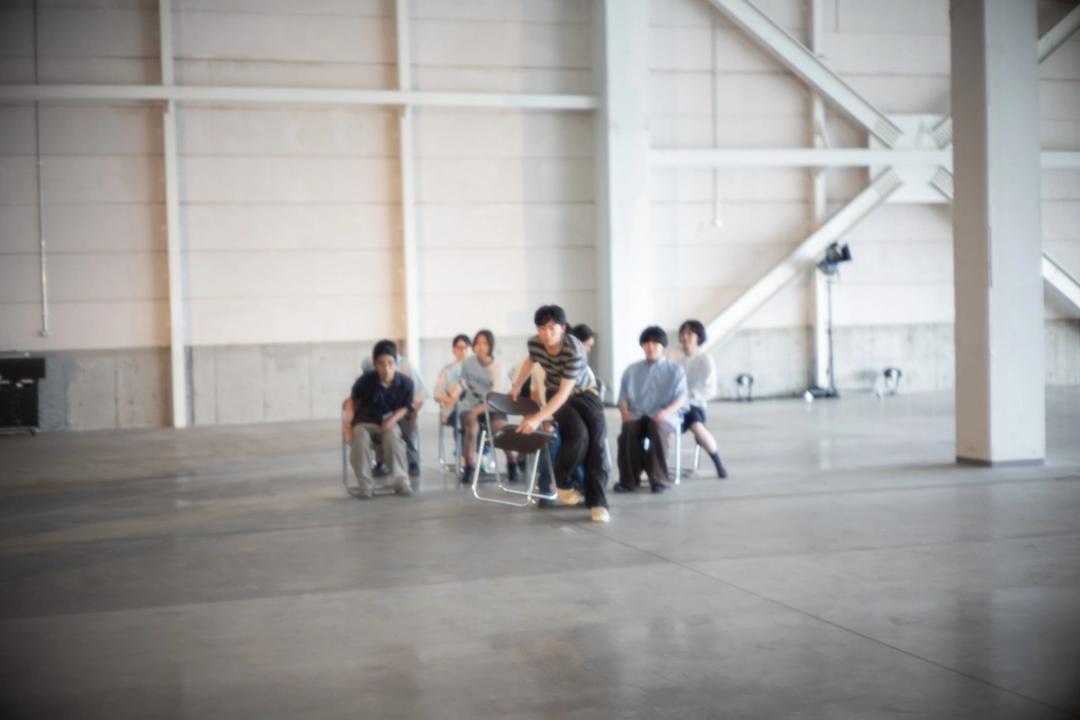
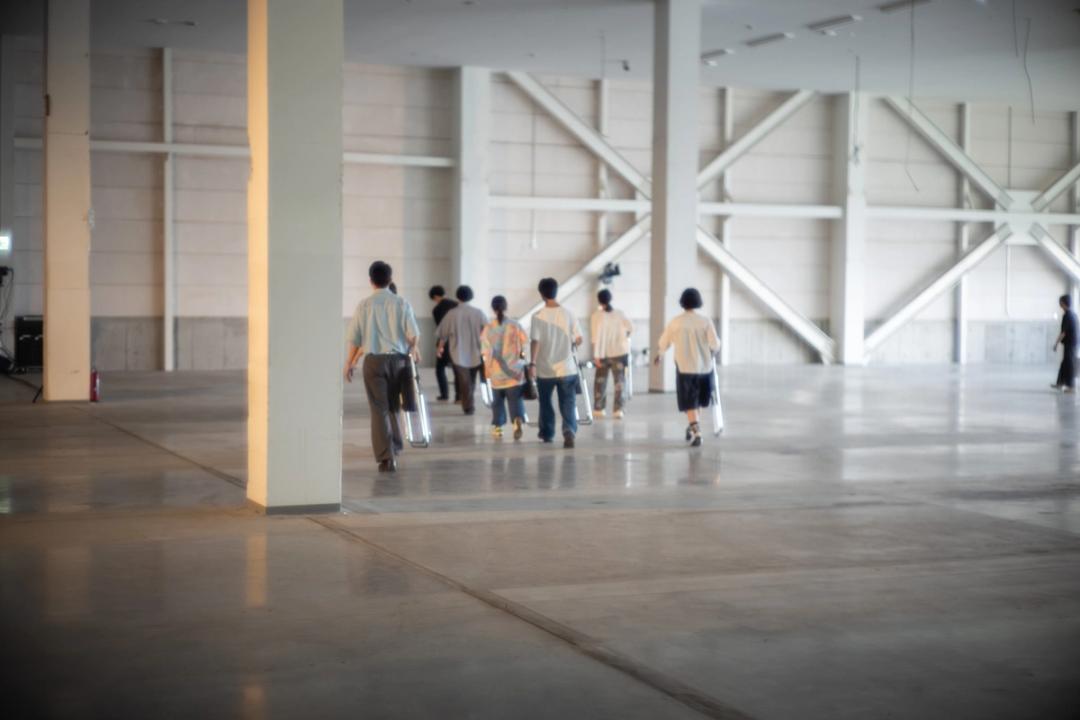
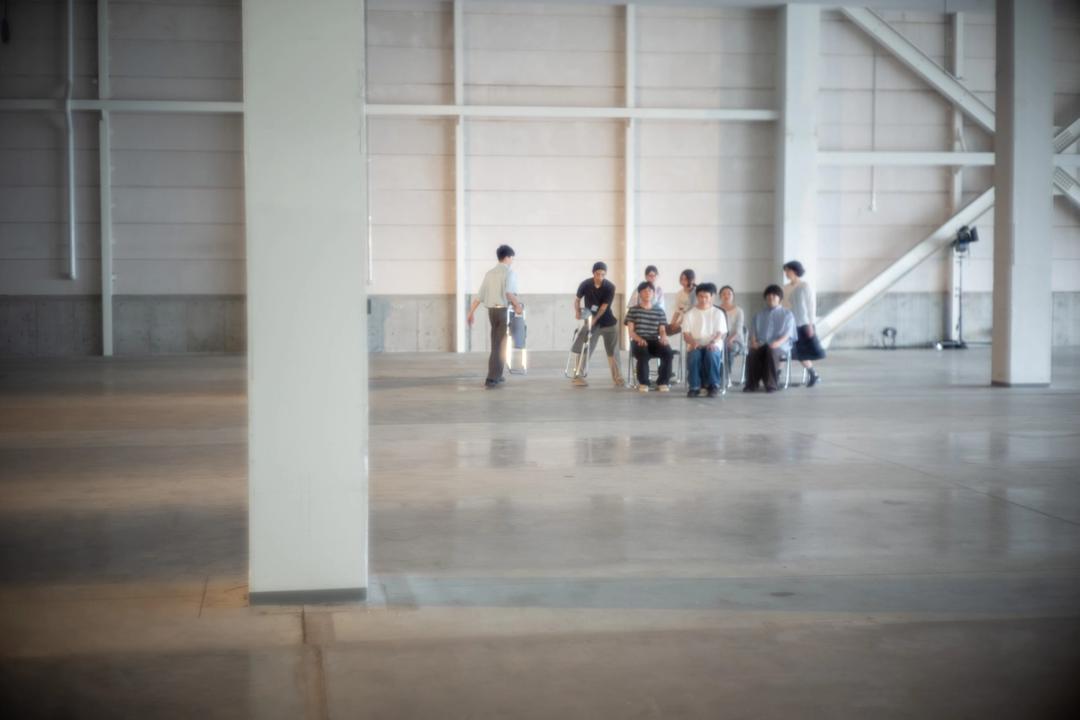
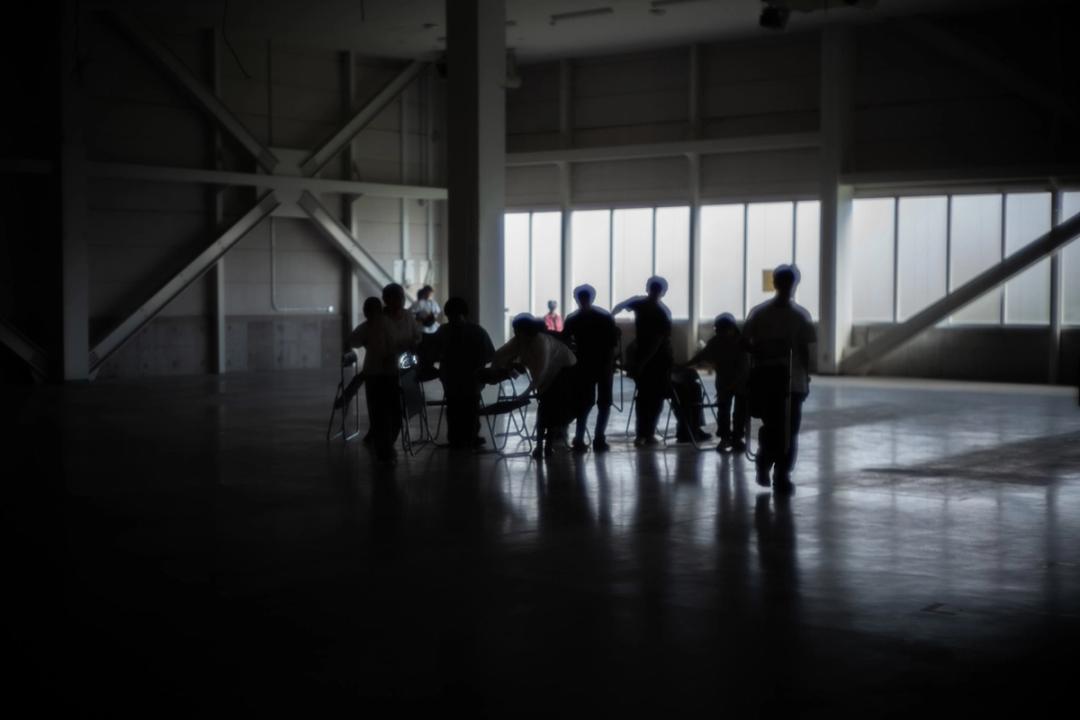
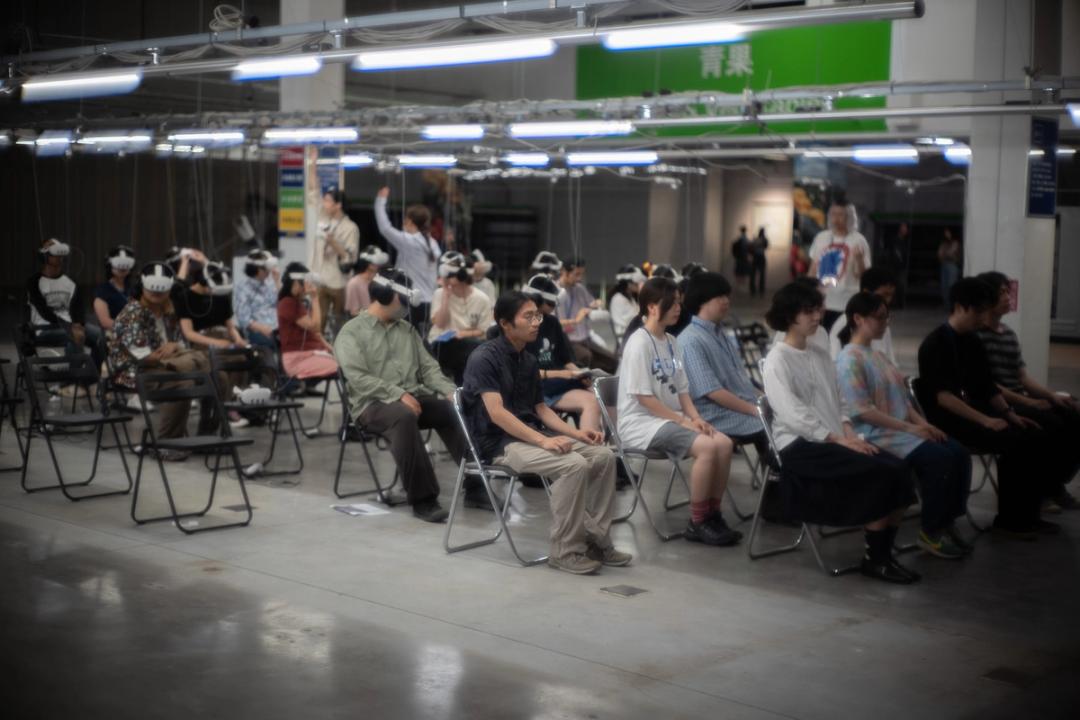
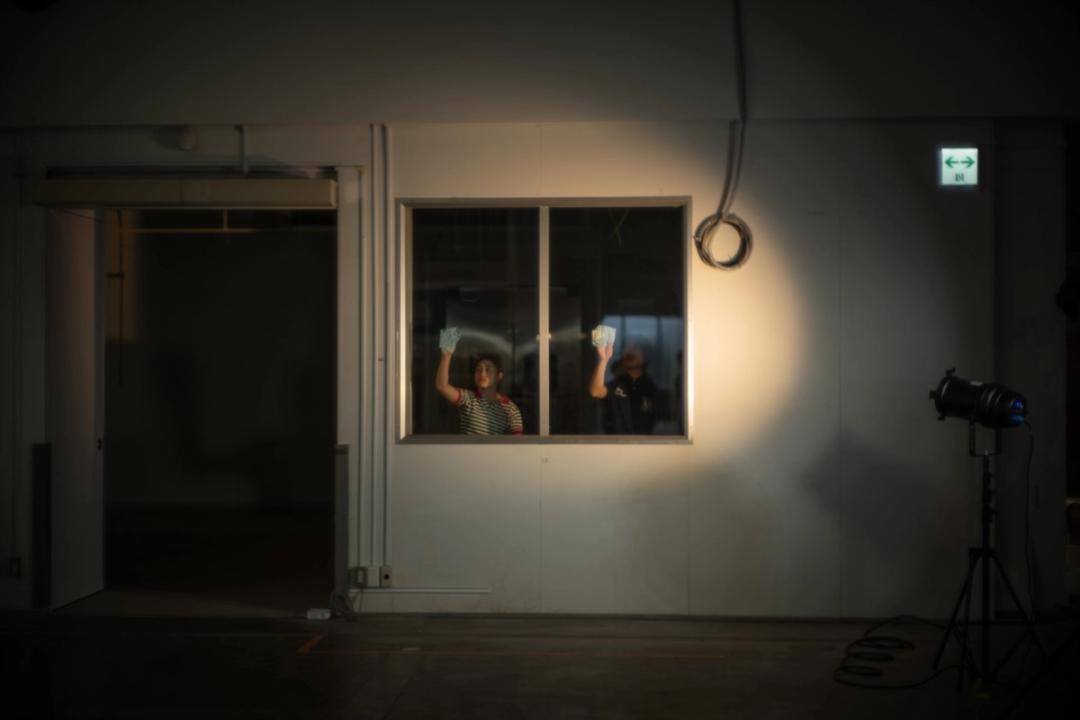
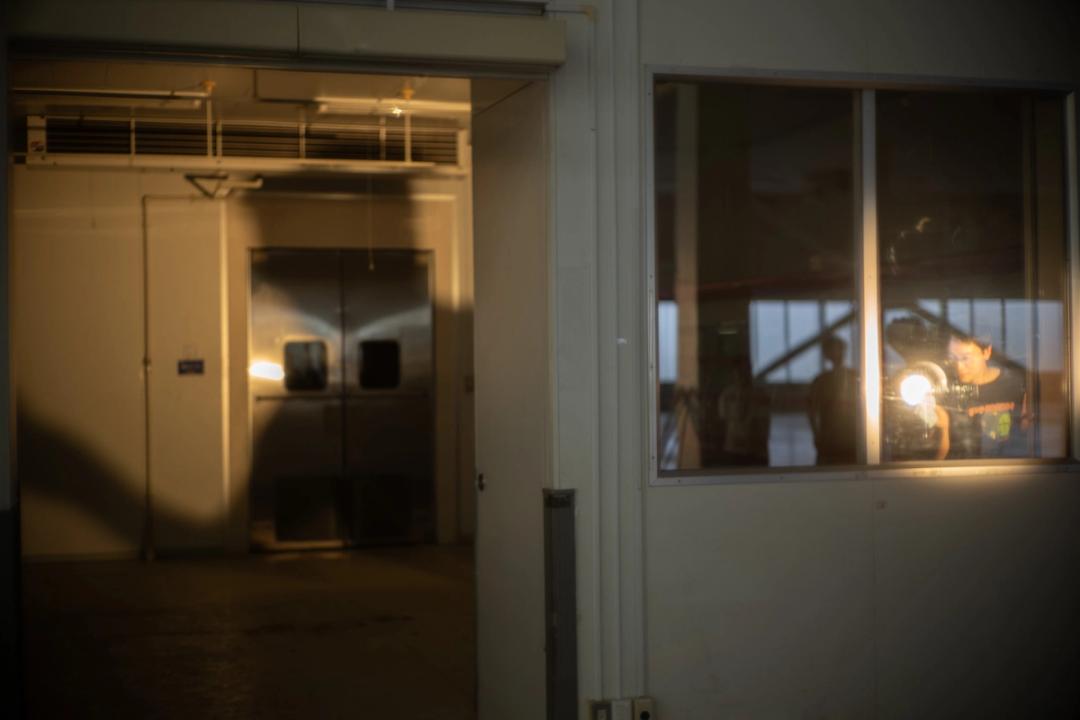
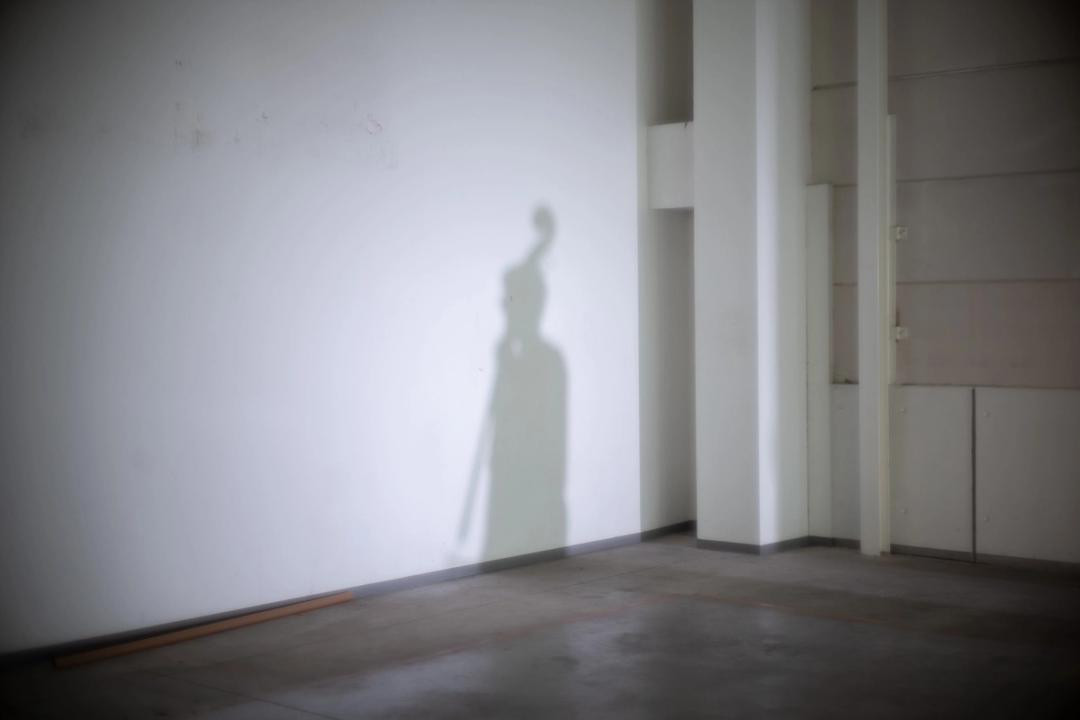
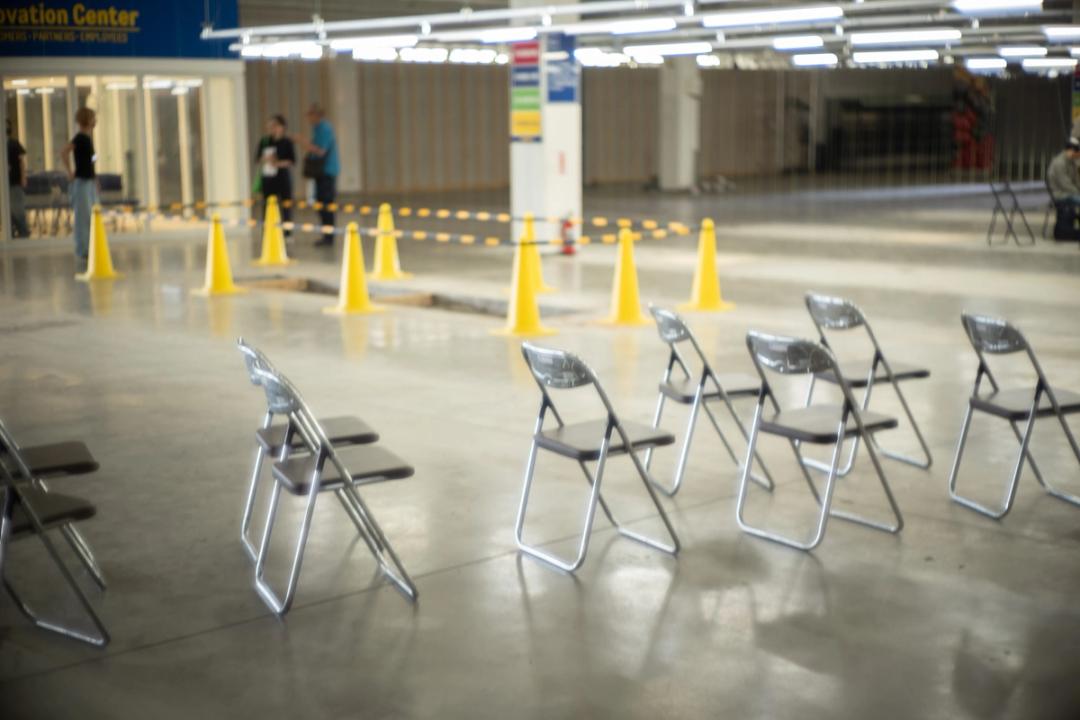
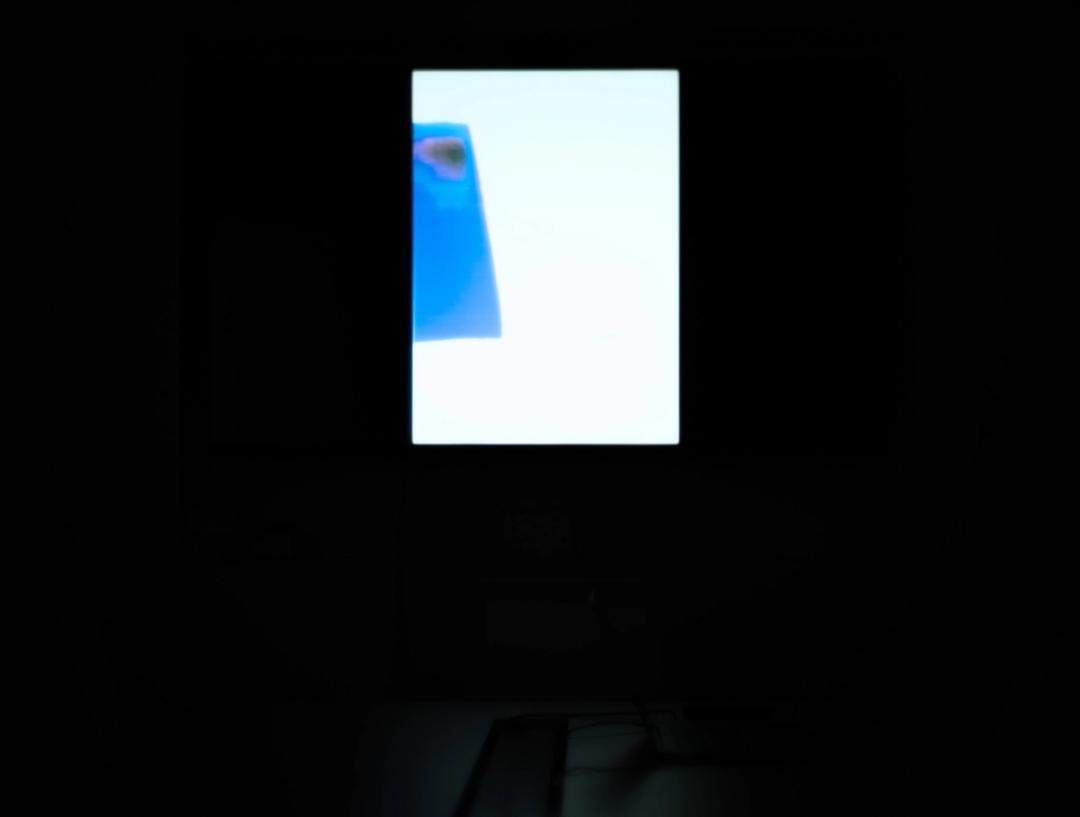
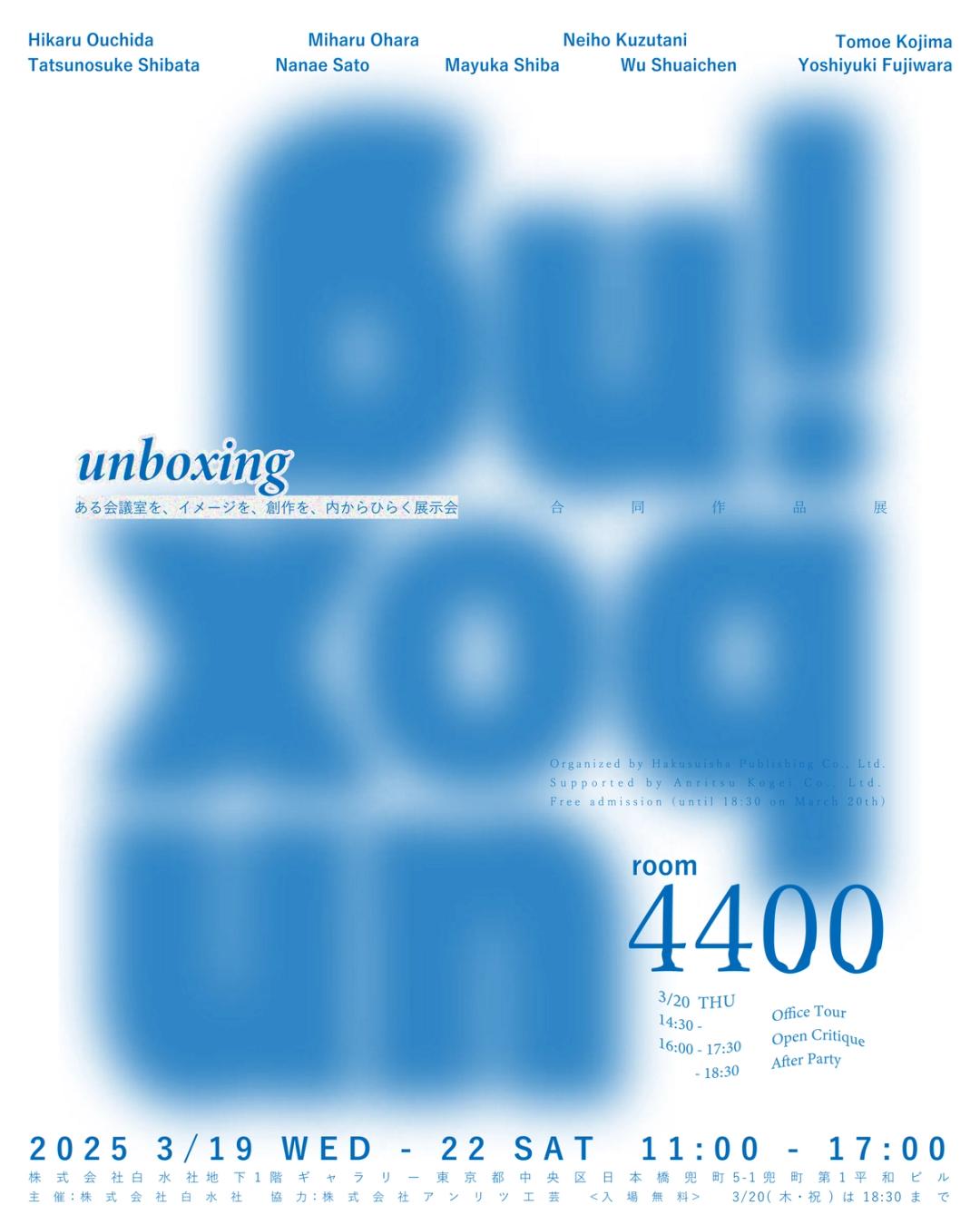
unboxing - A conference room, images, creativity, an exhibition that opens up from within (2025, Yoshiyuki Fujiwara)
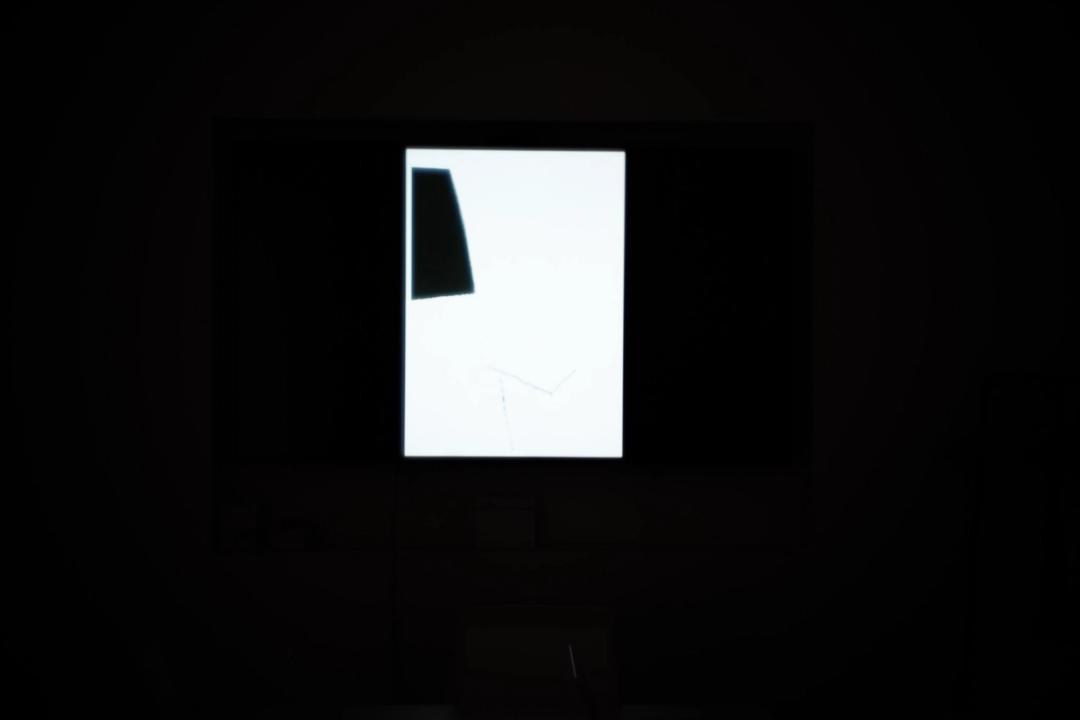
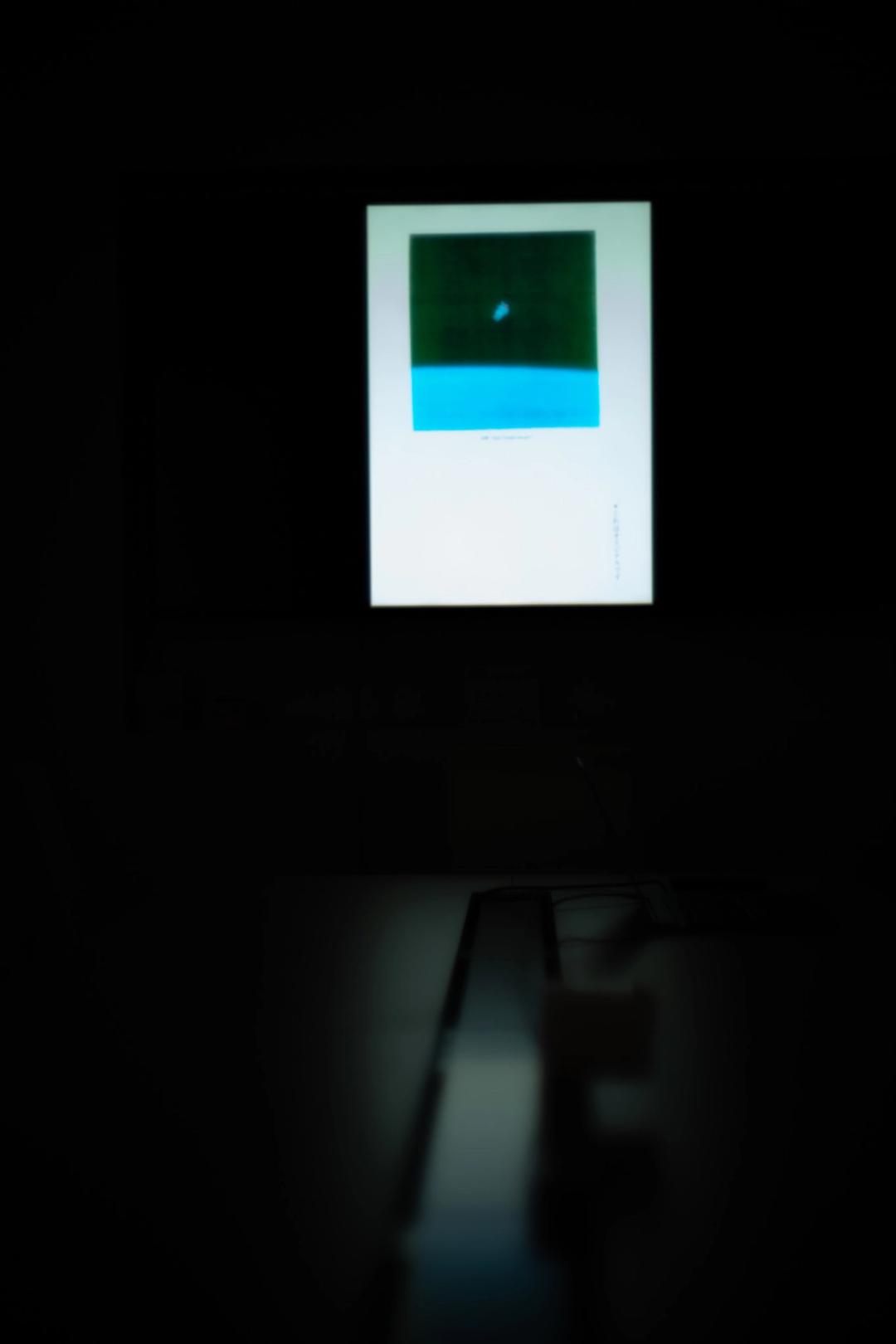
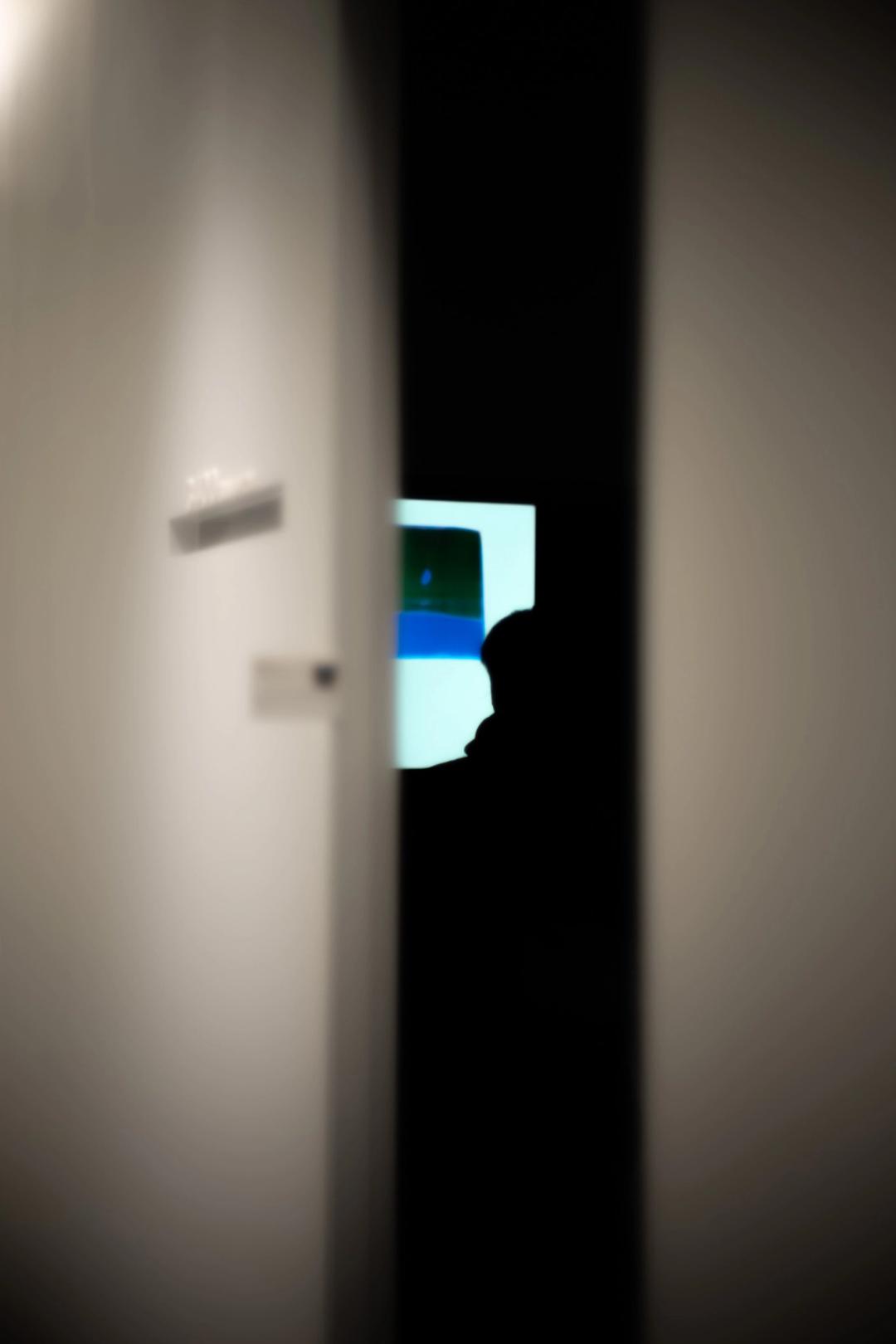
Anybody Seen the Same River Twice? (2025, Ryosuke Yuasa / Hitoki Keino / Yoshiyuki Fujiwara)
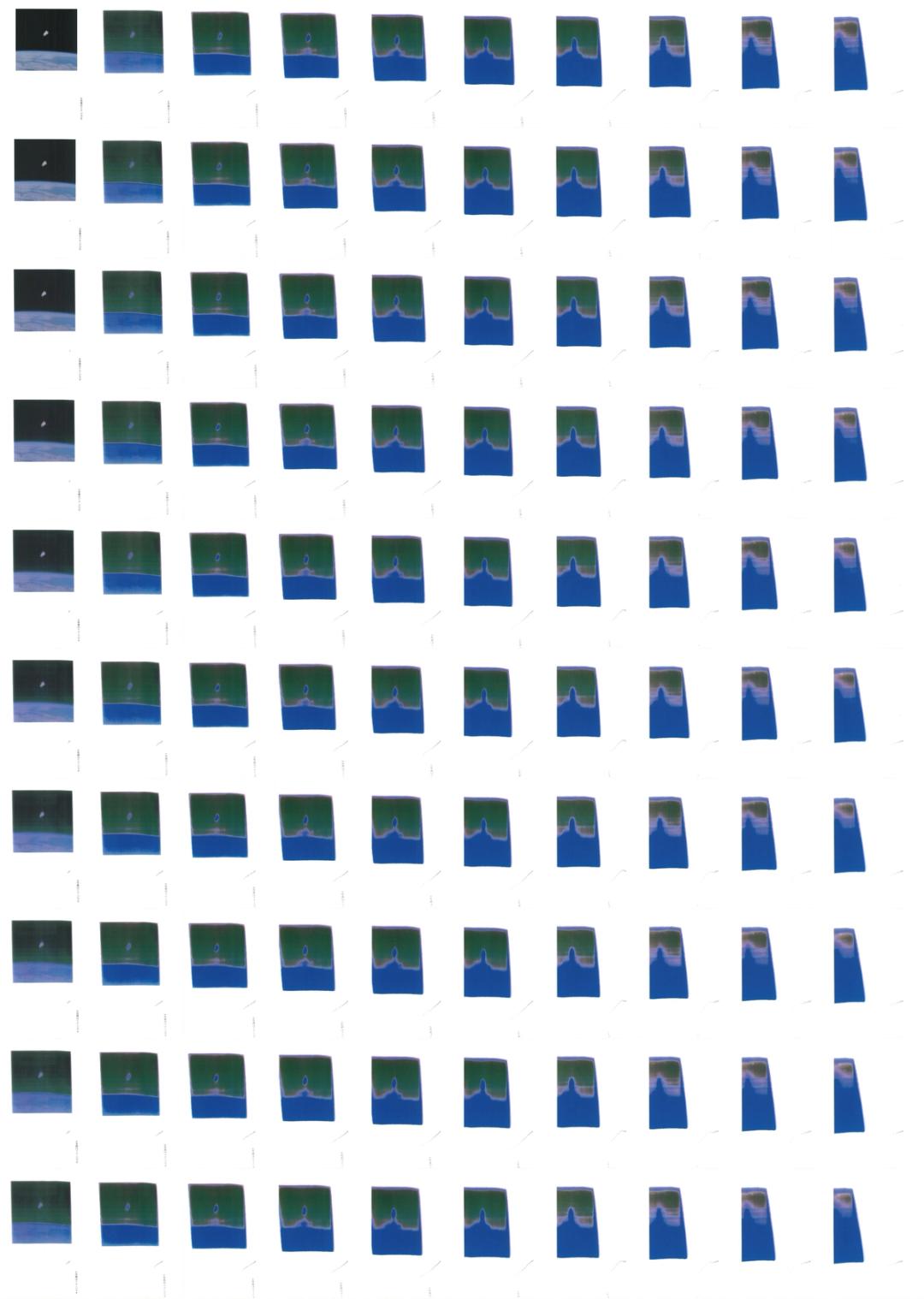
《image RUNNER》 Digital lithograph, Video, 2025, Yoshiyuki Fujiwara
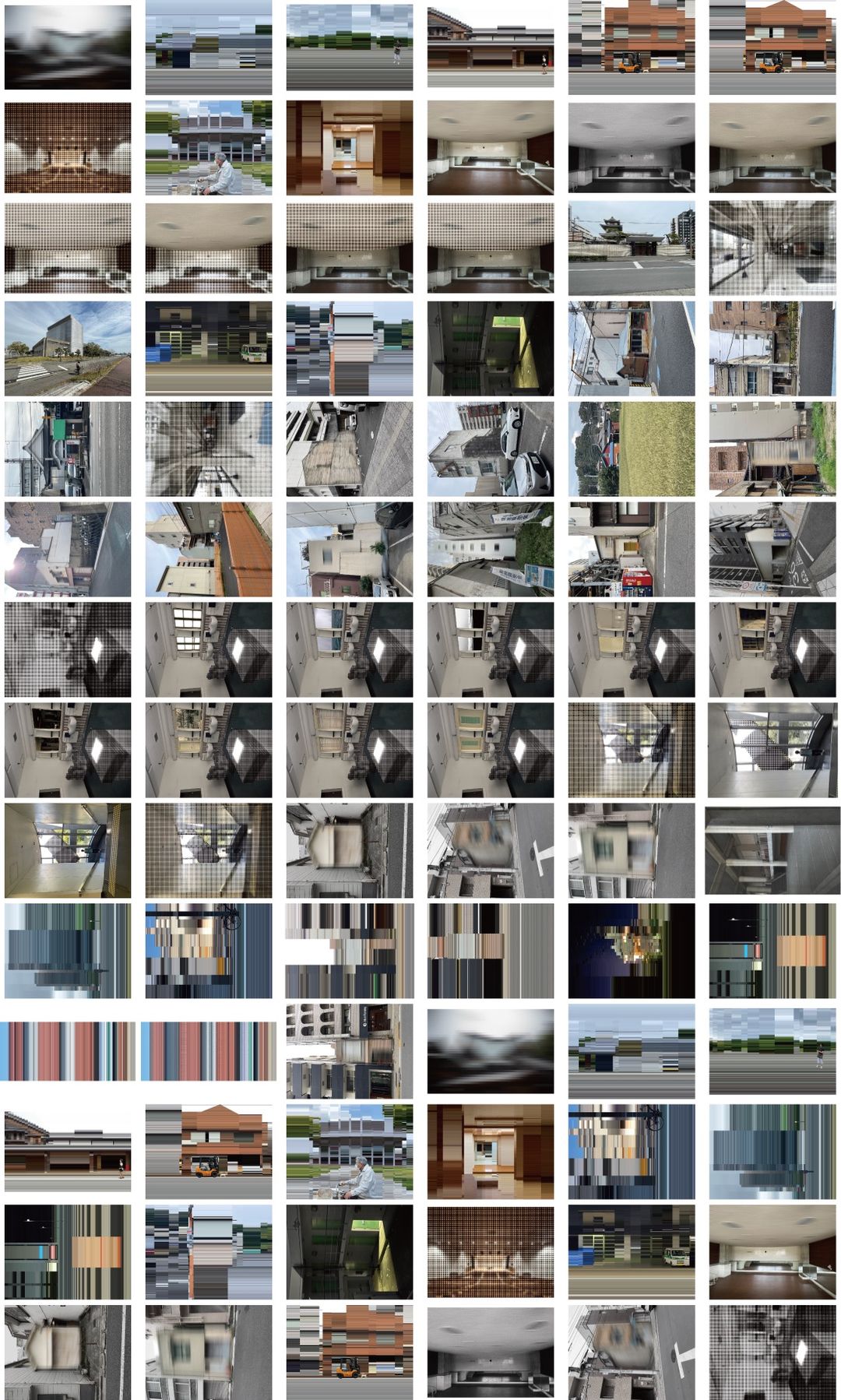
《Photo Album》 Boke/Blur/Mossic/Halftone/Stretch, 2025, Yoshiyuki Fujiwara
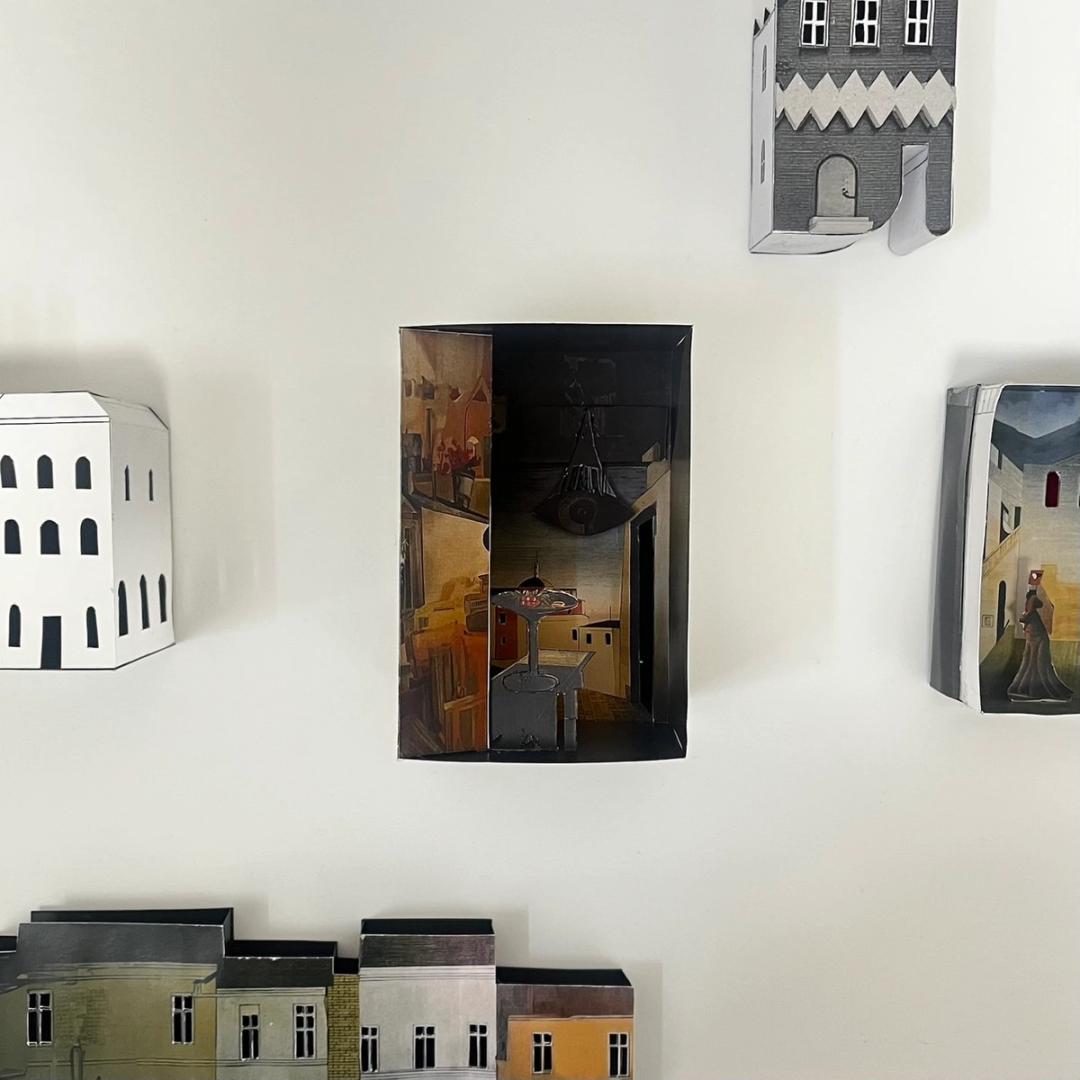
《箱模型 / Facade Model》 Collage, Relief, Depaysement, Generative AI, Framing, Layering, Pattern Language, Lineament, 2025, Hitoki Keino
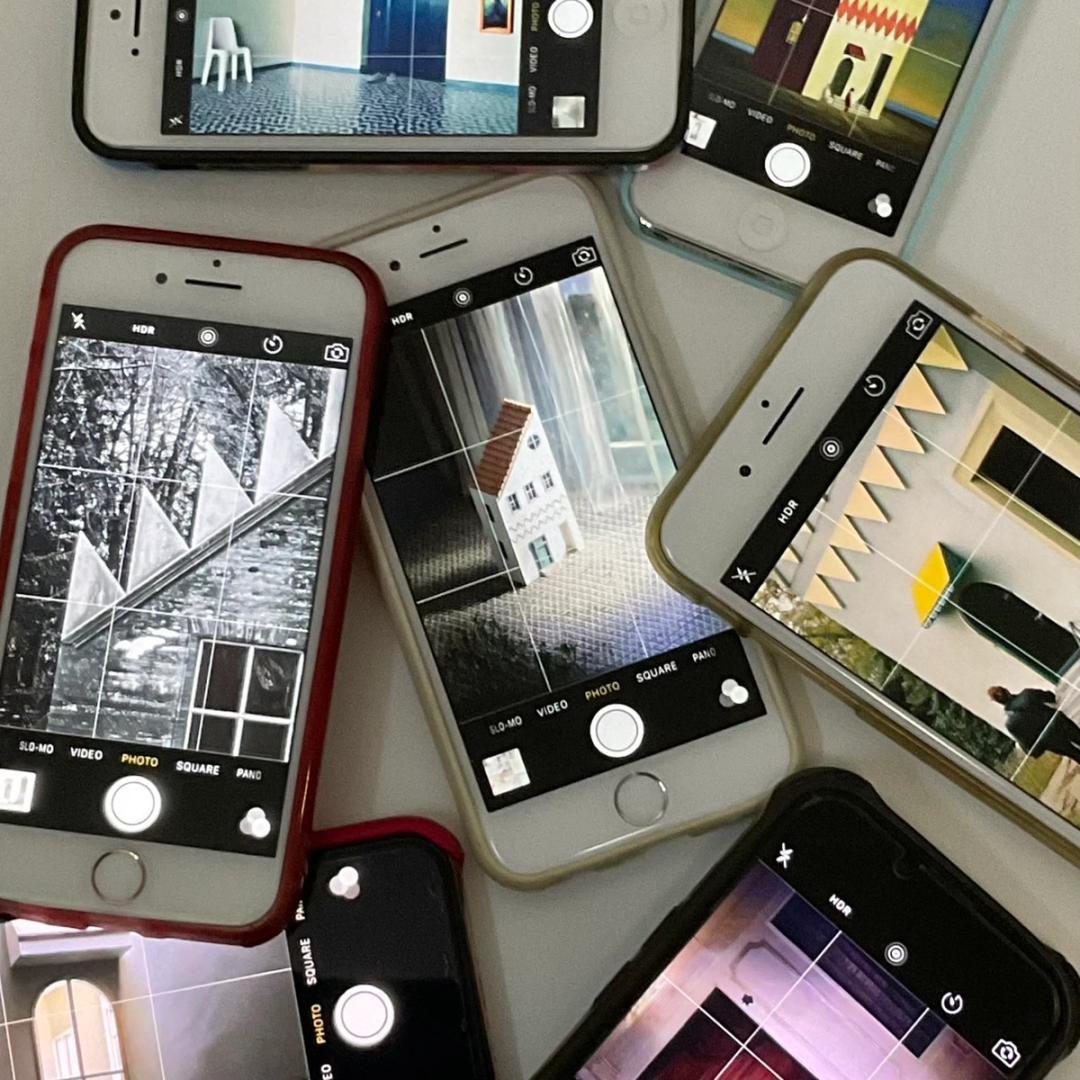
《7 iPhones》 Found Footage, Video, 2025, Hitoki Keino
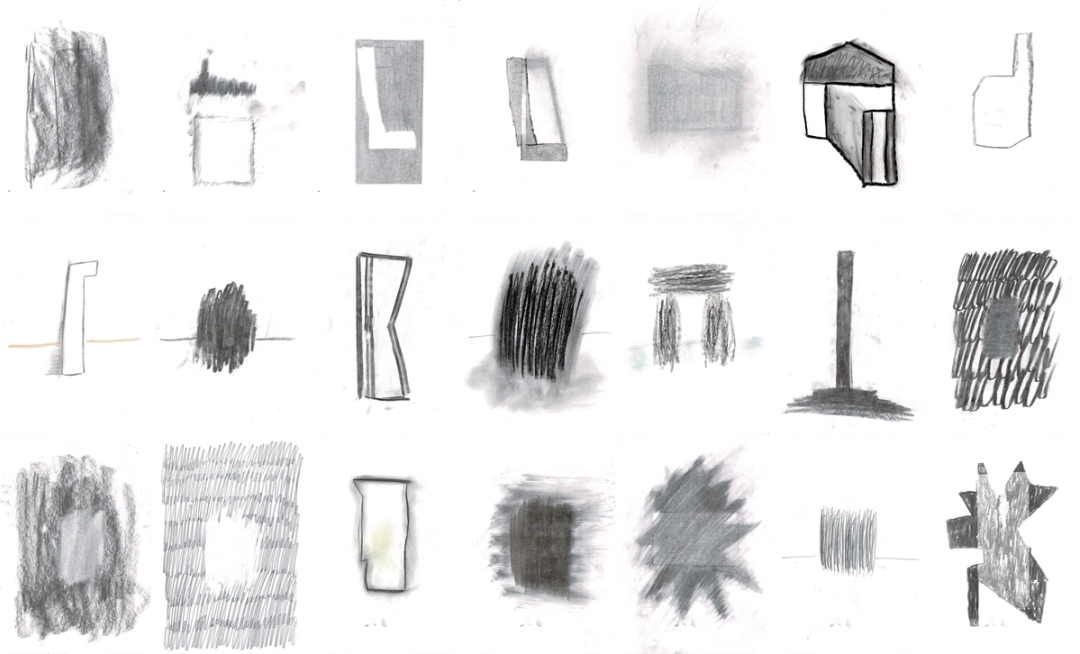
《Croquis : Layering, Repeating, Returning for Planarity》 2025, Ryosuke Yuasa
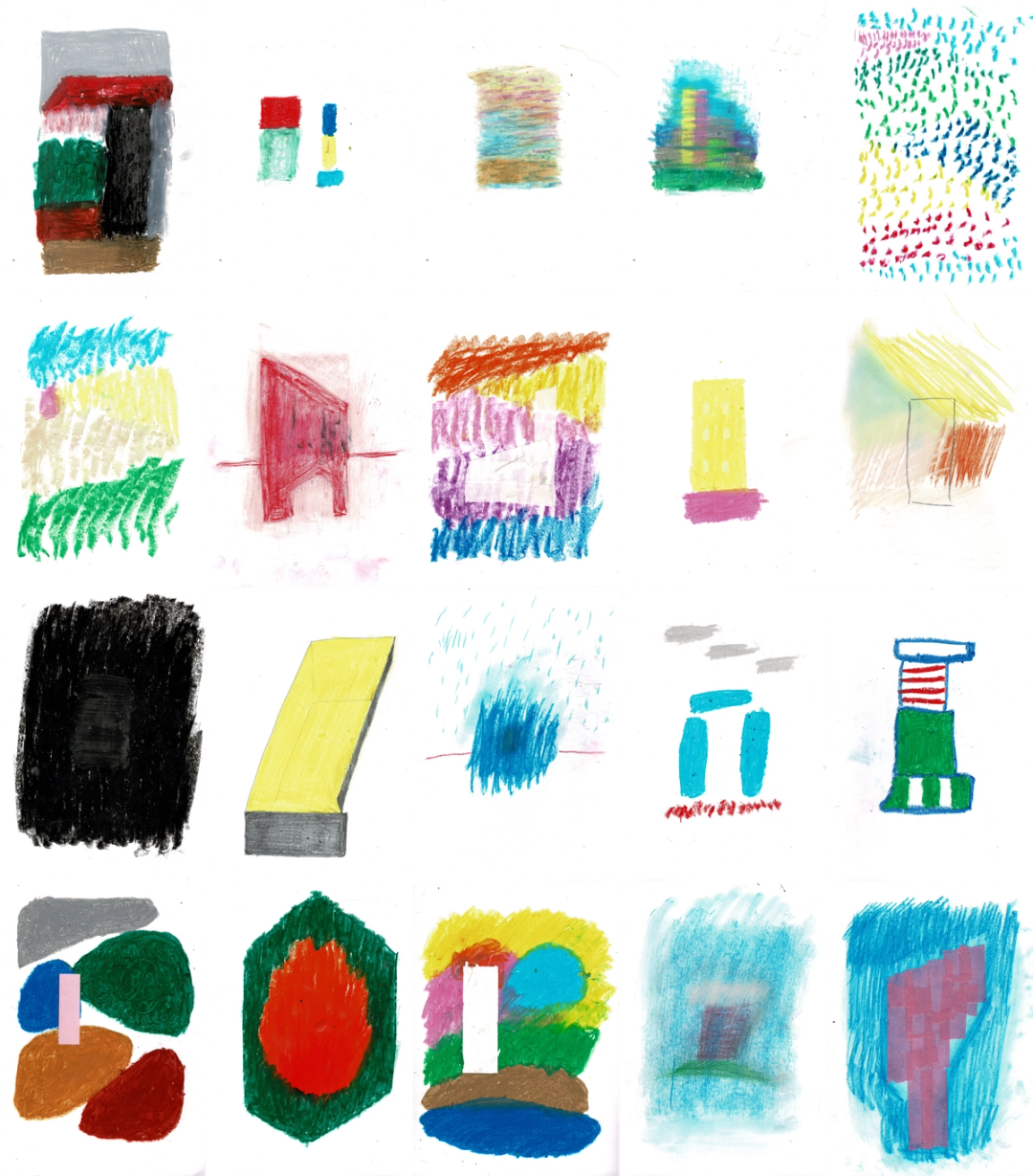
《Croquis : Layering, Repeating, Returning for Planarity》 2025, Ryosuke Yuasa
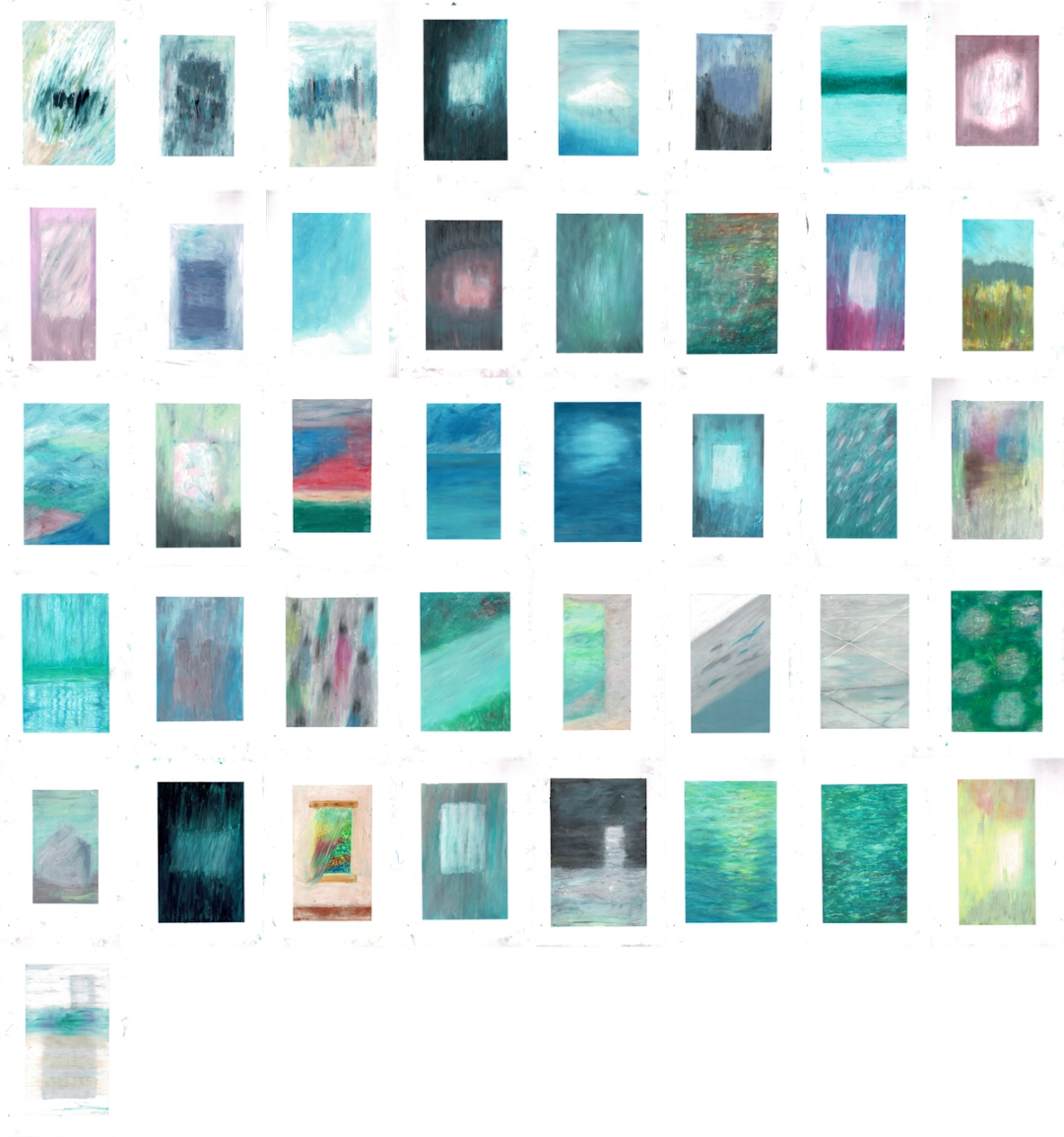
《Croquis : Layering, Repeating, Returning for Planarity》 2025, Ryosuke Yuasa
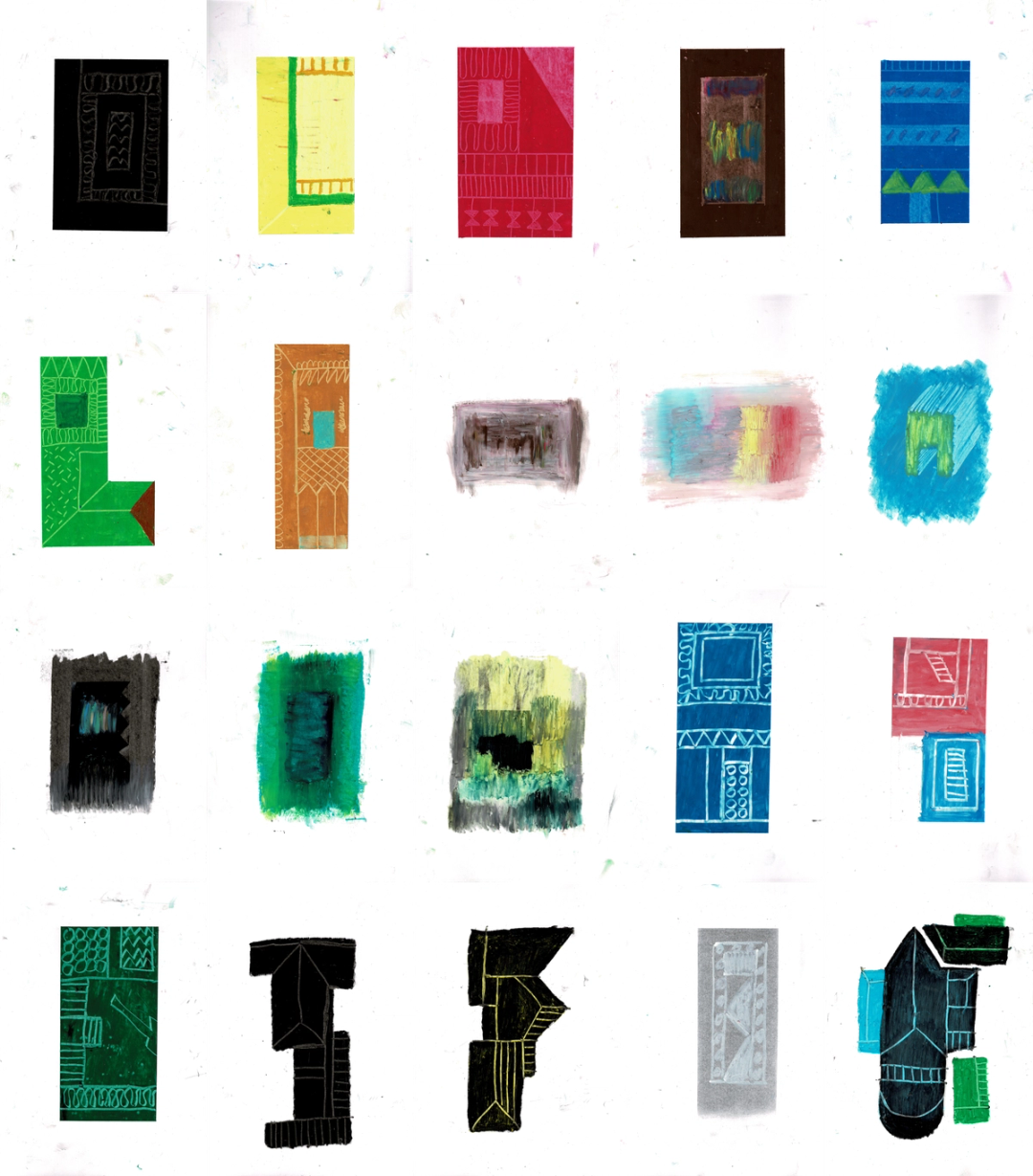
《Croquis : Layering, Repeating, Returning for Planarity》 2025, Ryosuke Yuasa
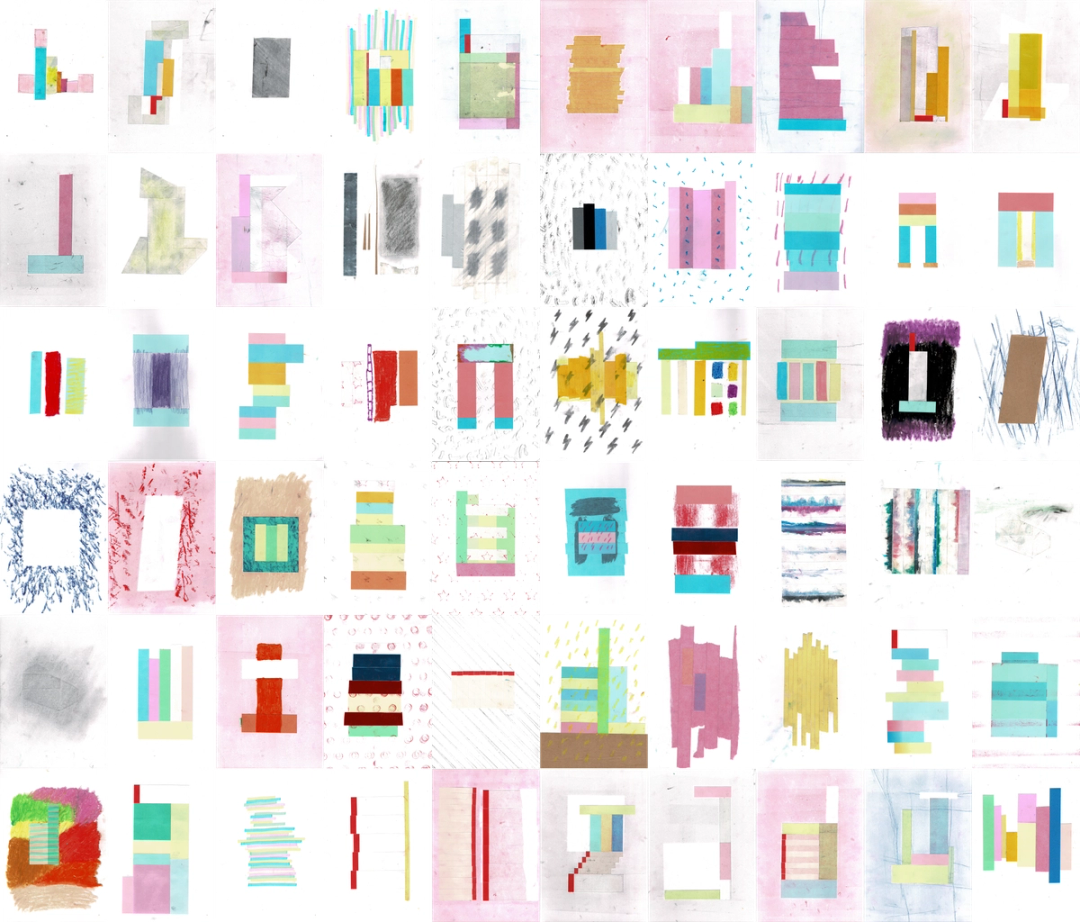
《Croquis : Layering, Repeating, Returning for Planarity》 2025, Ryosuke Yuasa
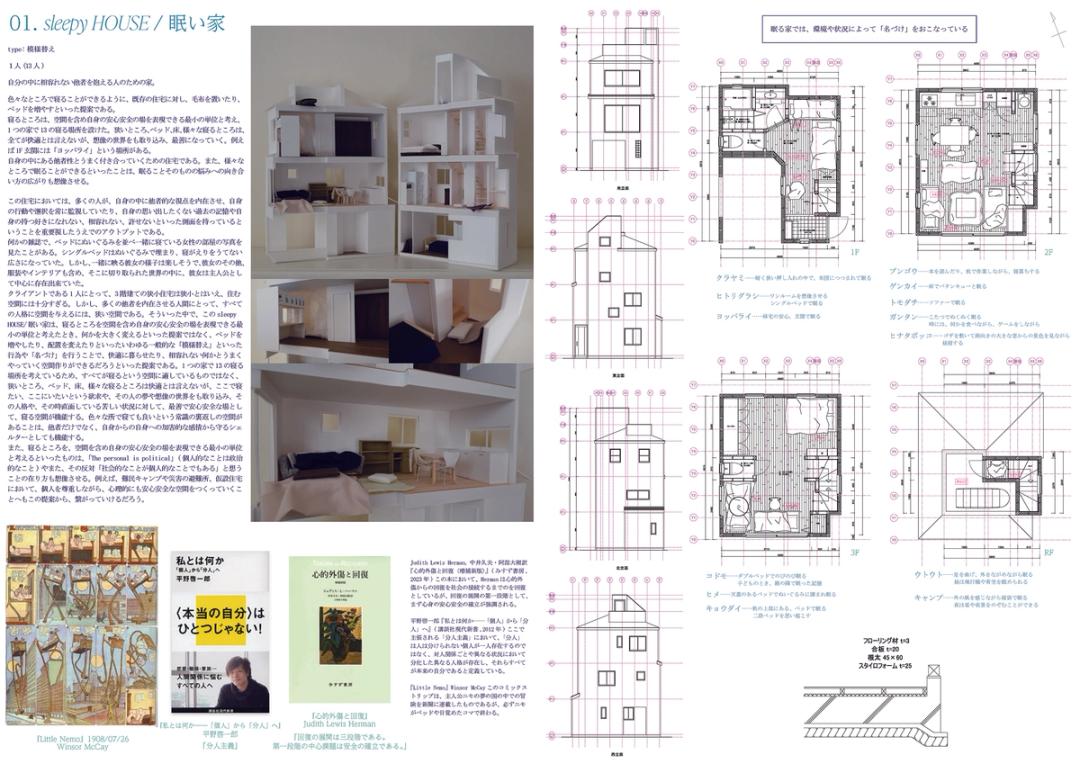
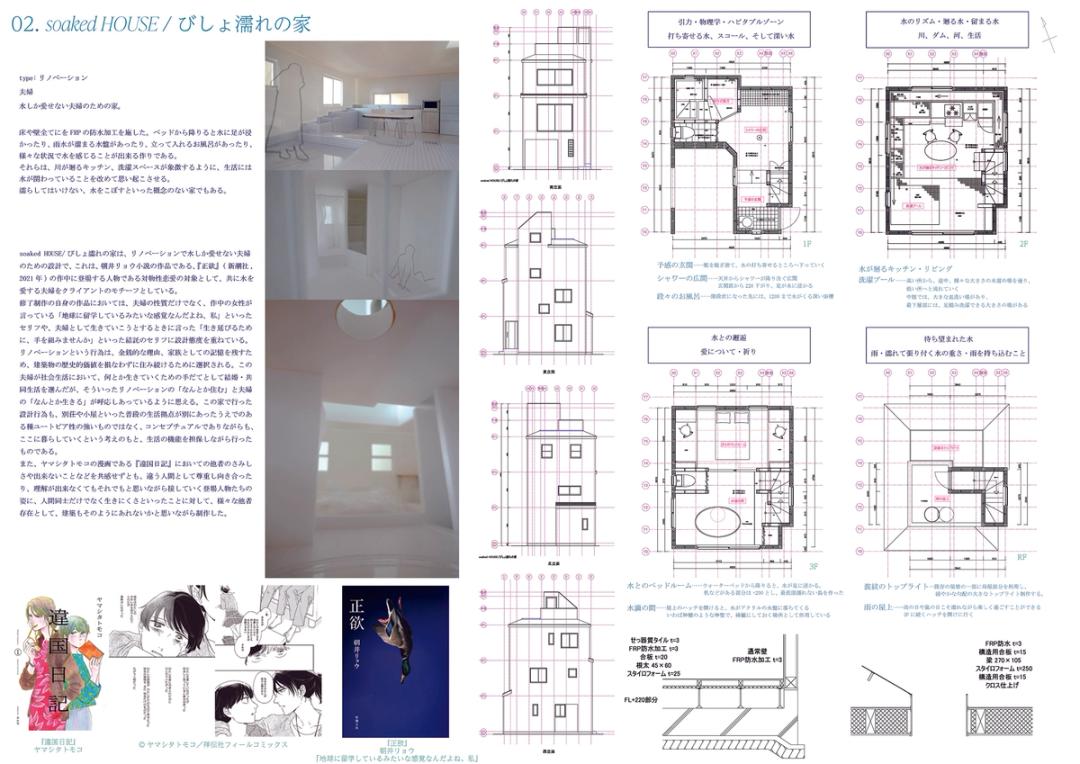
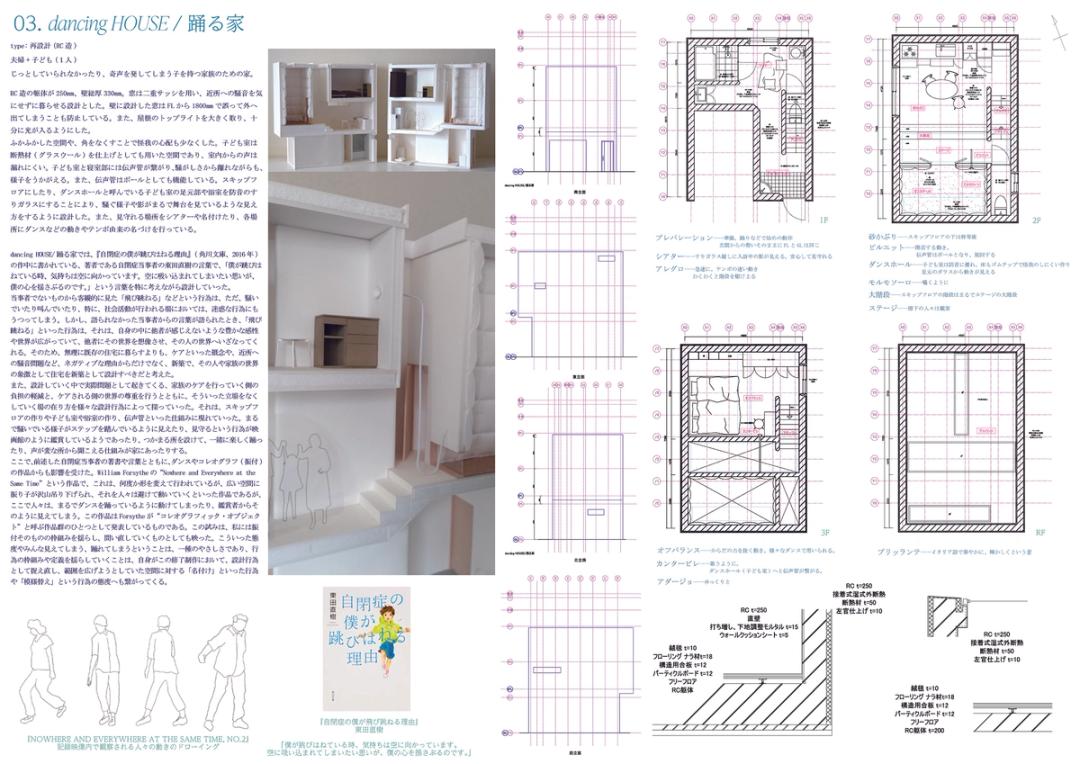
A House for Sensitivity (2025, Sumire Kawamura)
自邸である木造3階建ての狭小住宅をモチーフに、異なるクライアントを設定し「模様替え」「リノベーション」「新築」の手法で3つの住宅を制作した。住宅は人々のシェルターやユートピアとなりうるとともに、内外、様々な状況や要因によって、簡単に逃げられない所という性質も帯びてしまう。そういったやりきれなさを軽くすることは、例えば、布を一枚をかけたり、部屋に愉快な名前を付けるなど、状況を大きく変えずとも、些細なことからも出来るだろう。そして、誰かの生きづらさを豊かに何とかしようとするとき、空間の在り方は再発見される。『やさしい家』は、家にある水をこぼすという概念、騒いではいけないといった不和、ベッドで寝なくてはといった常識が無くなり、むしろそれが楽しげに見え、してはいけないが肯定できるように映る。そういった幸福な逆転により、この住宅において個人のアウトサイダーな部分は受け入れられ、生きるため、楽しみ尽くすために必要不可欠なものとなる。 この作品は、皆が多少なりとも持っているいびつさへの提案であり、それが抑圧されず、解放され、日常に許され存在すること、また「The personal is political」といったスローガンやその反対を想うこと、共同体について考えながら制作した。「名づけ」や「模様替え」といったことも設計行為(他者や自身からの行為)として示すことにより、再定義していく試みでもある。
Referential Practice (2024, Hitoki Keino, Yoshiyuki Fujiwara)
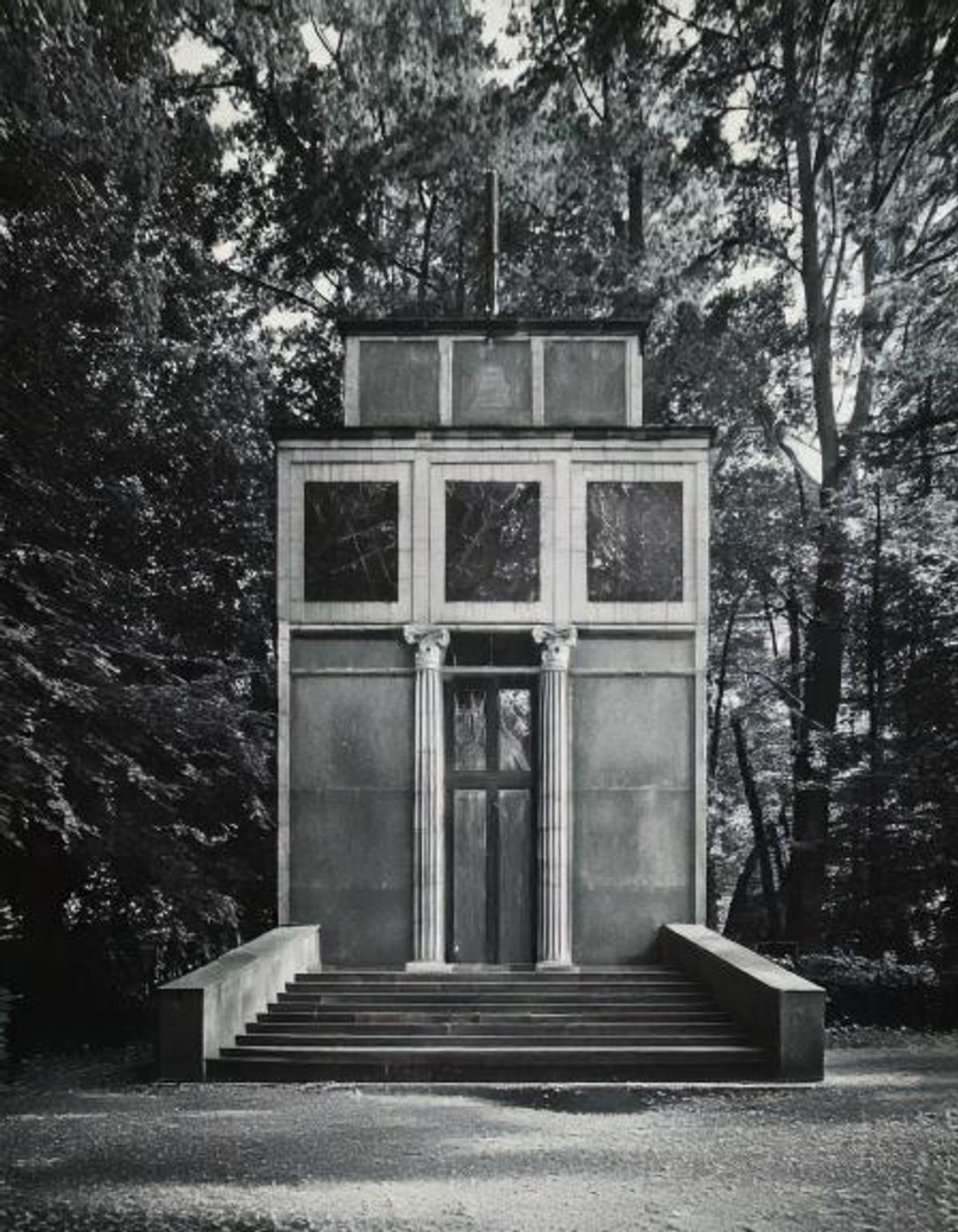
《Transition》 kling,photo editing,video,collage, 2024, Hitoki Keino
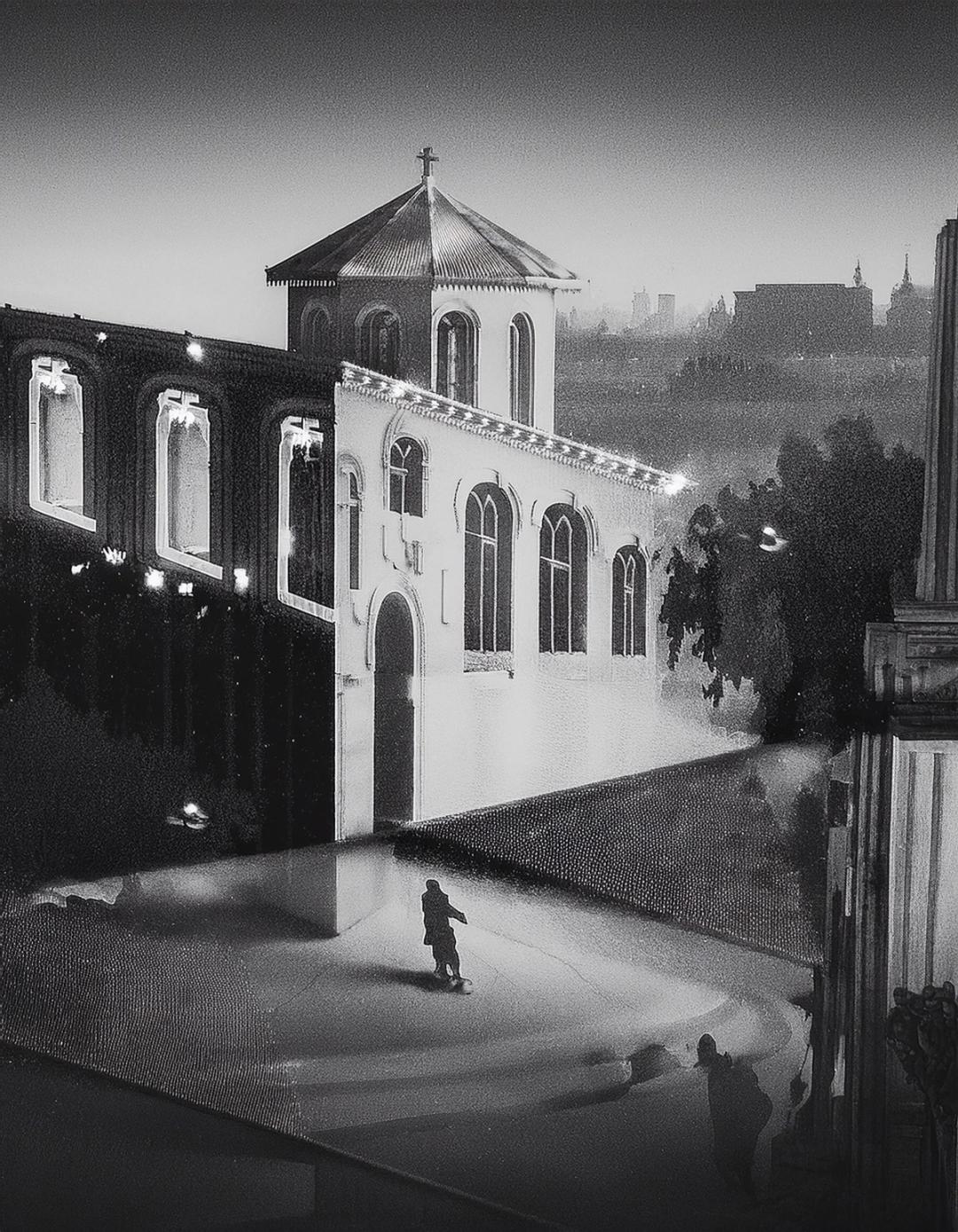
《Surrealism collage》 luma,video, 2024, Hitoki Keino
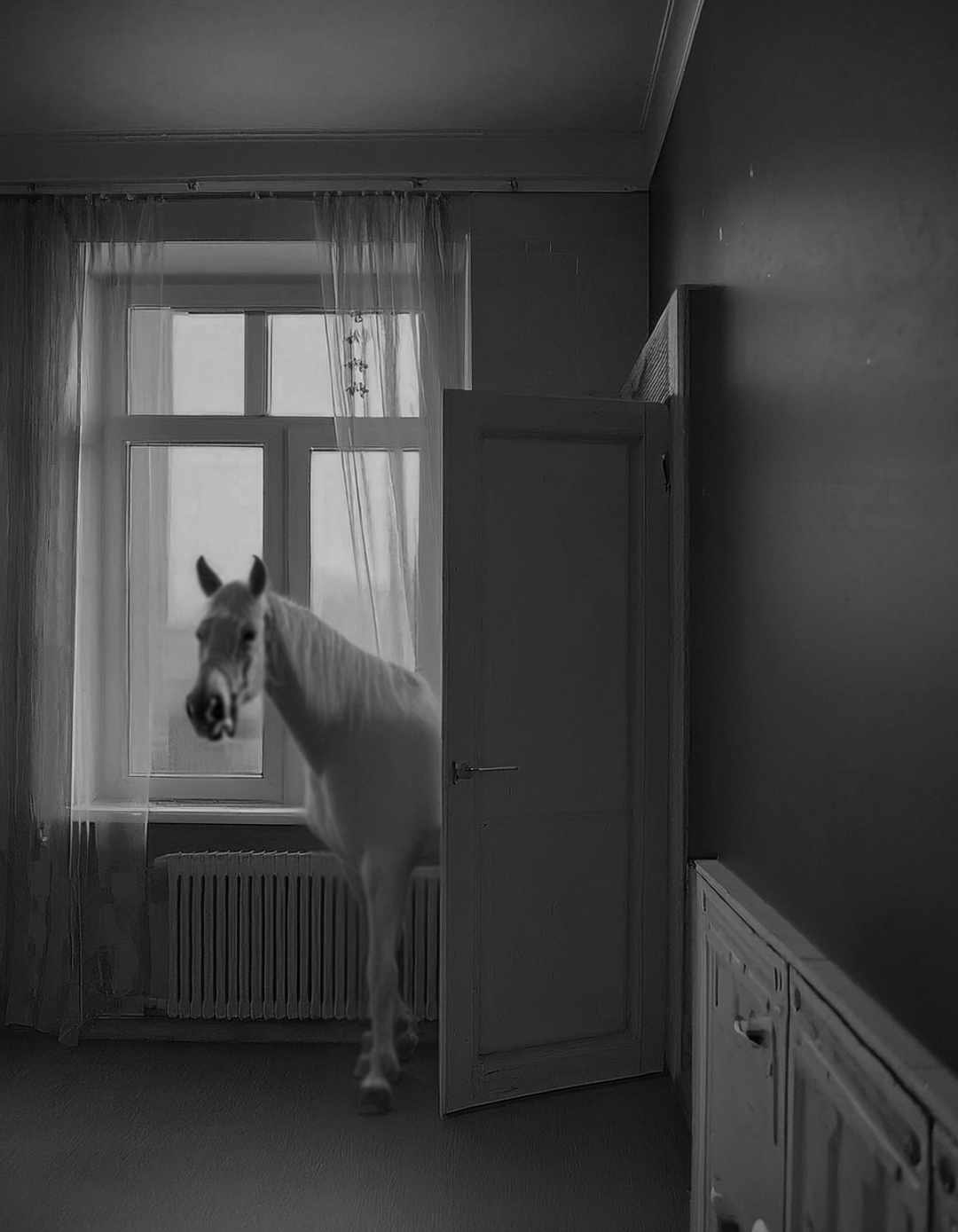
《Depaysement expanding space》 collage,kling,video, 2024, Hitoki Keino
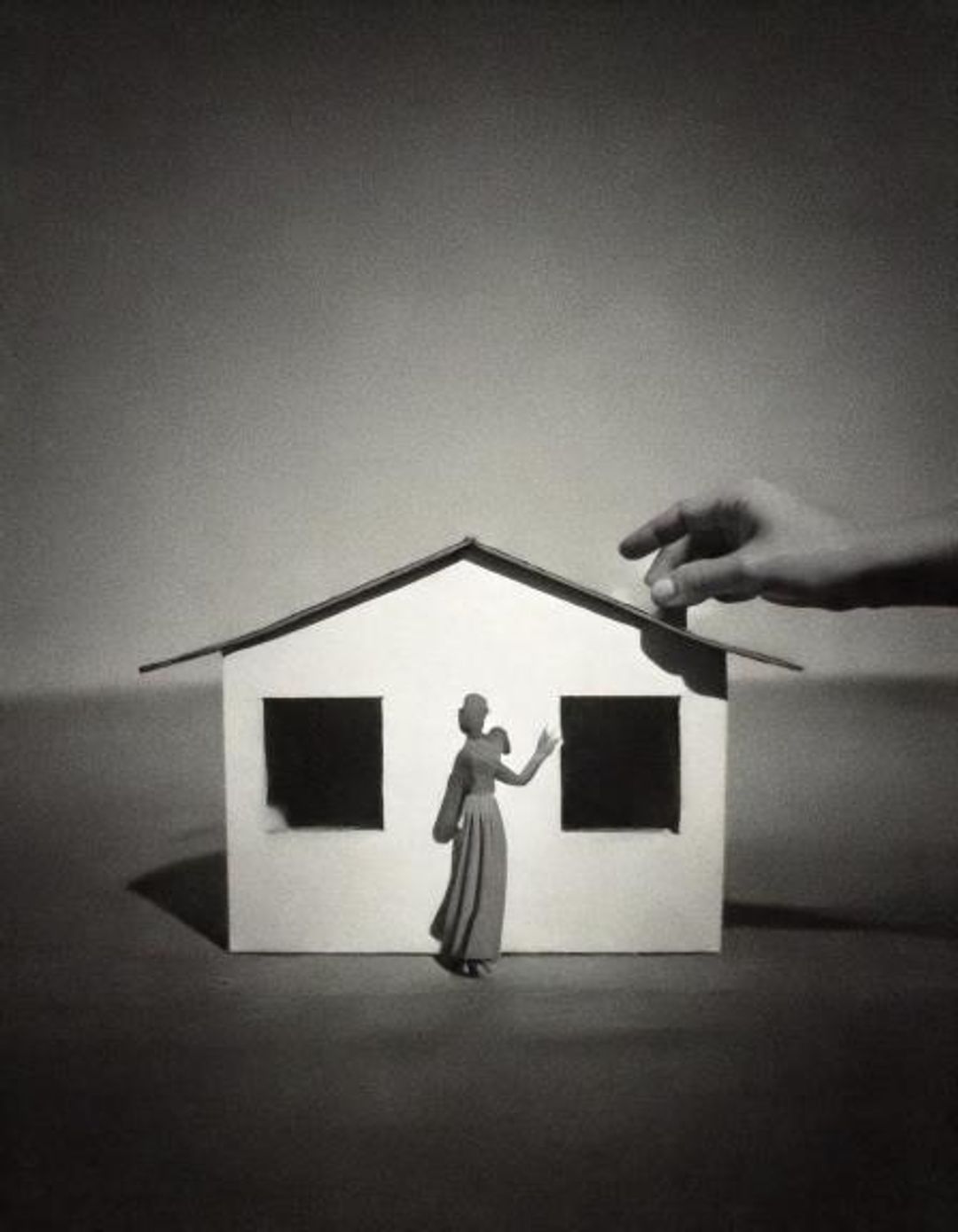
《Facade model house》 model,collage,kling,video, 2024, Hitoki Keino
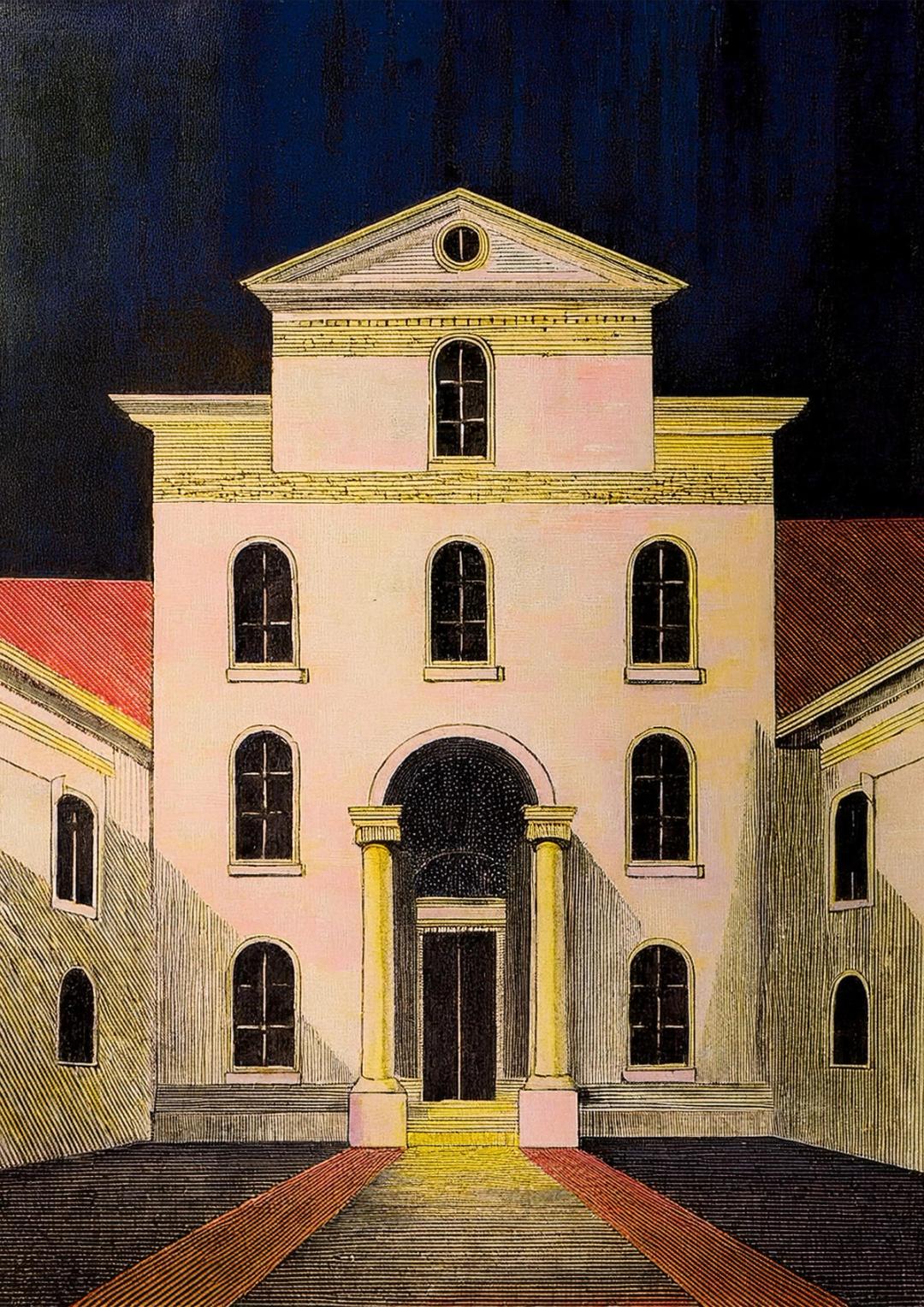
《Facade top model》 lineament,runway,drawing,video, 2024, Hitoki Keino
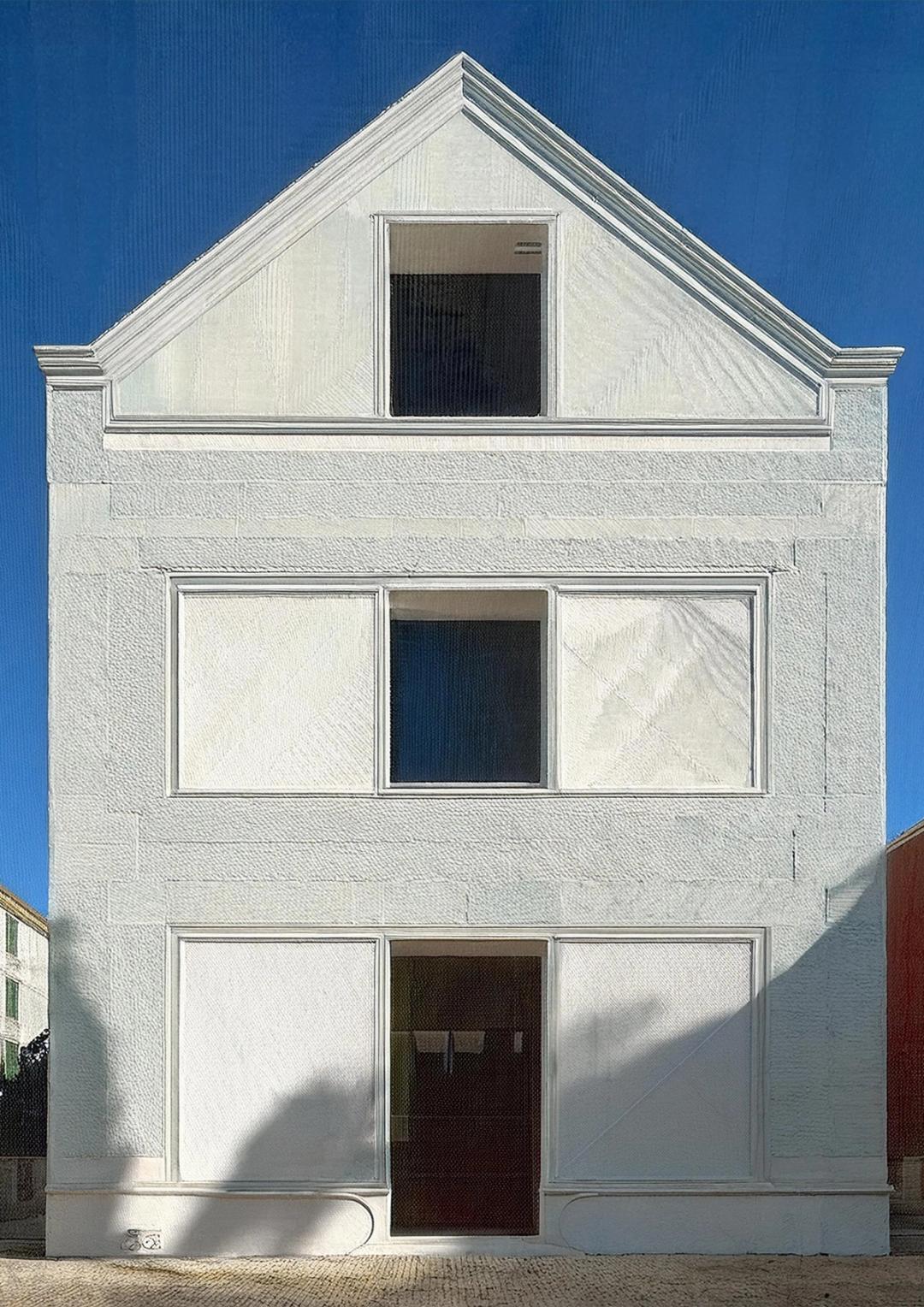
《Facade top model》 lineament,runway,drawing,video, 2024, Hitoki Keino
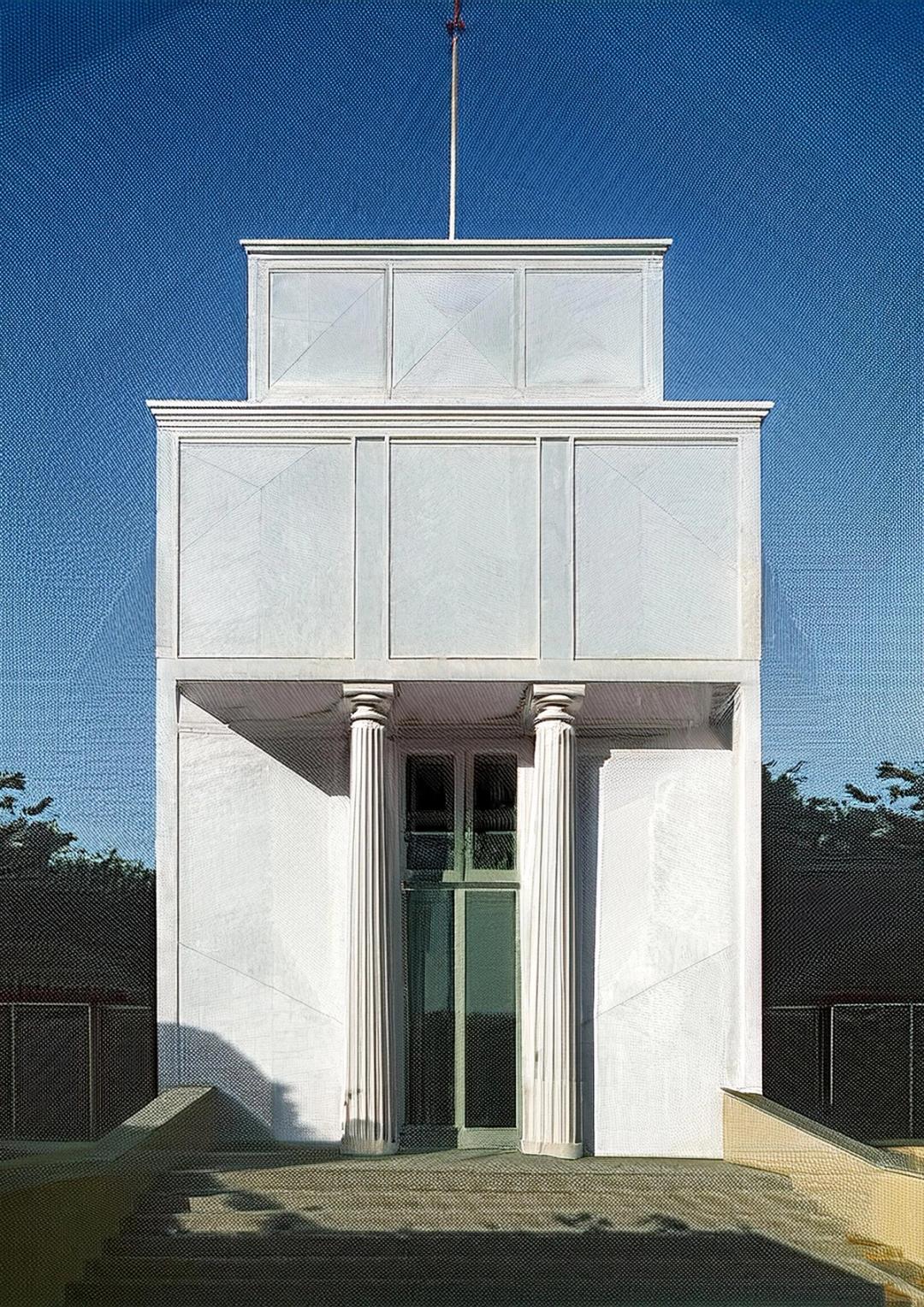
《Facade top model》 lineament,luma,drawing,video, 2024, Hitoki Keino
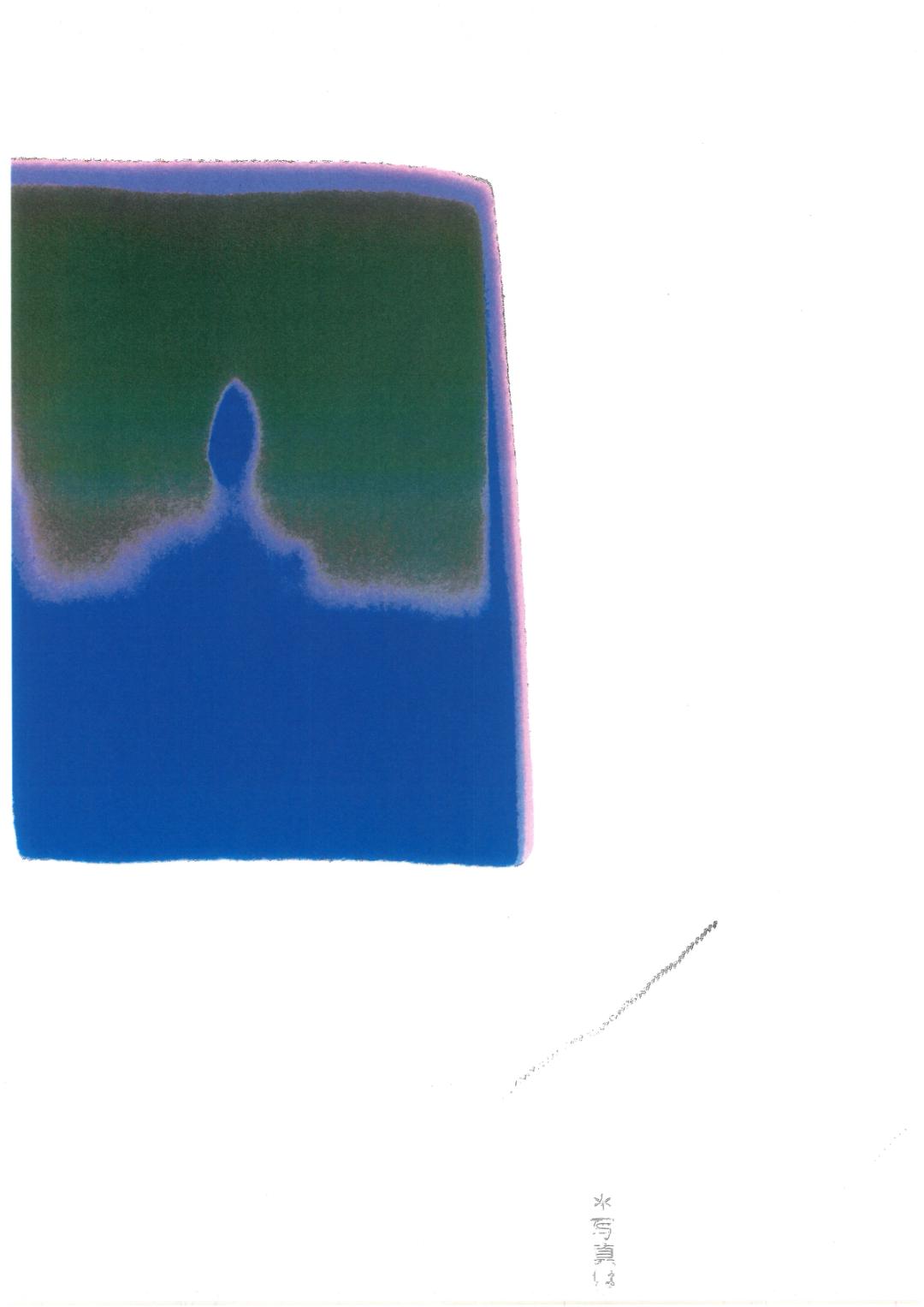
《image RUNNER》, 2024, Yoshiyuki Fujiwara
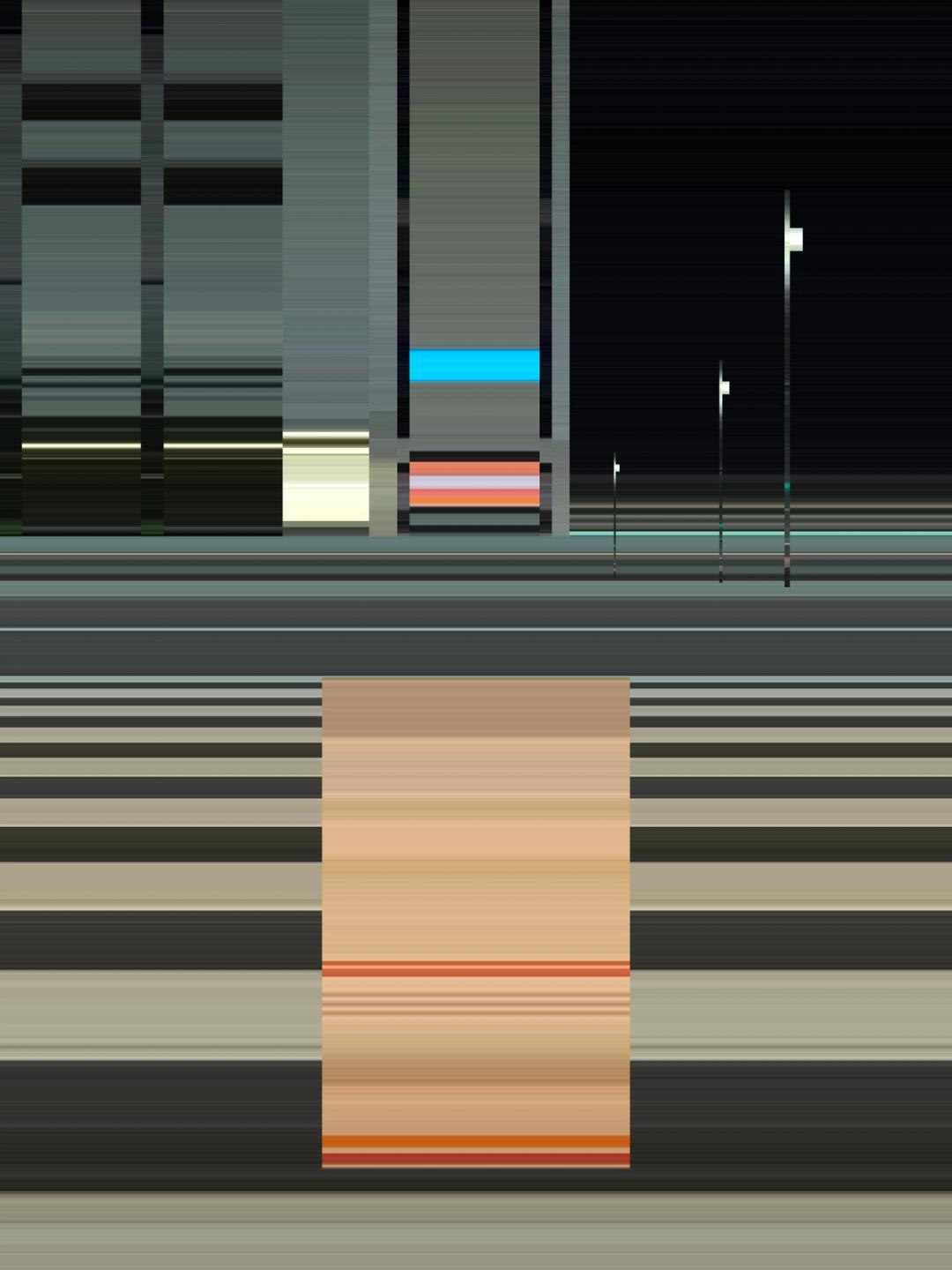
《STRIP》 Photo editing, 2024, Yoshiyuki Fujiwara
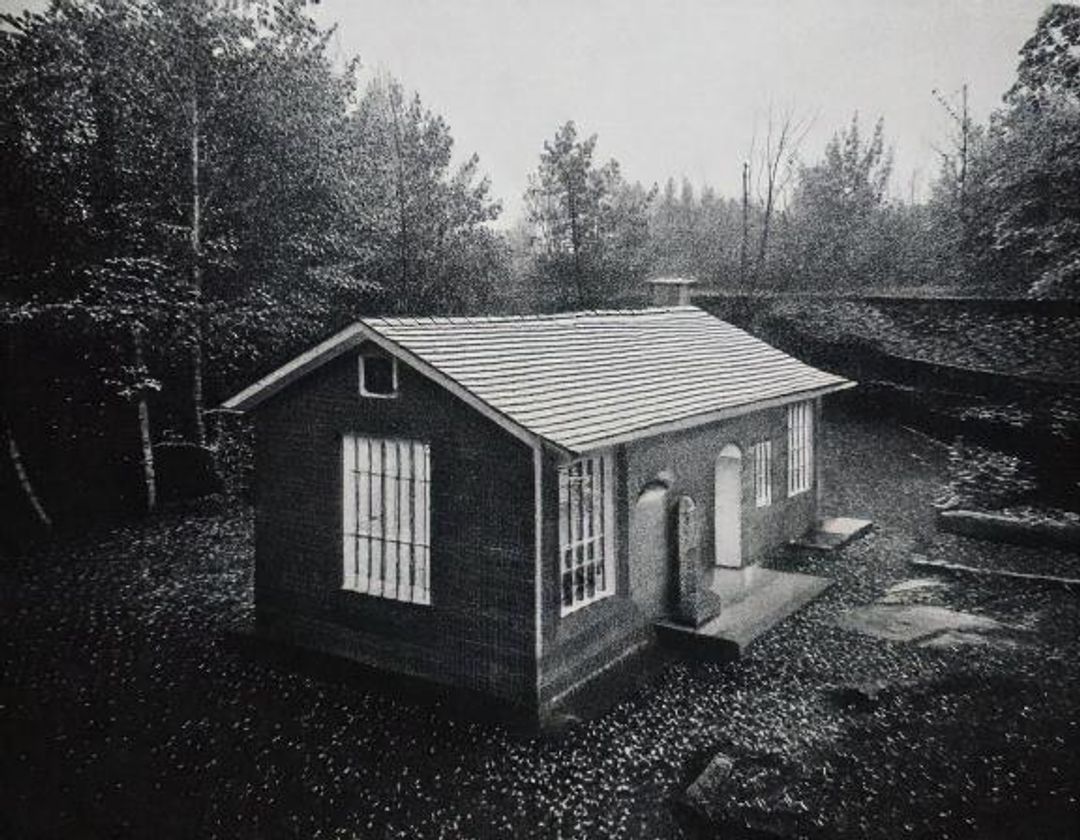
《Photo Editing》 model,collage, 2024, Hitoki Keino
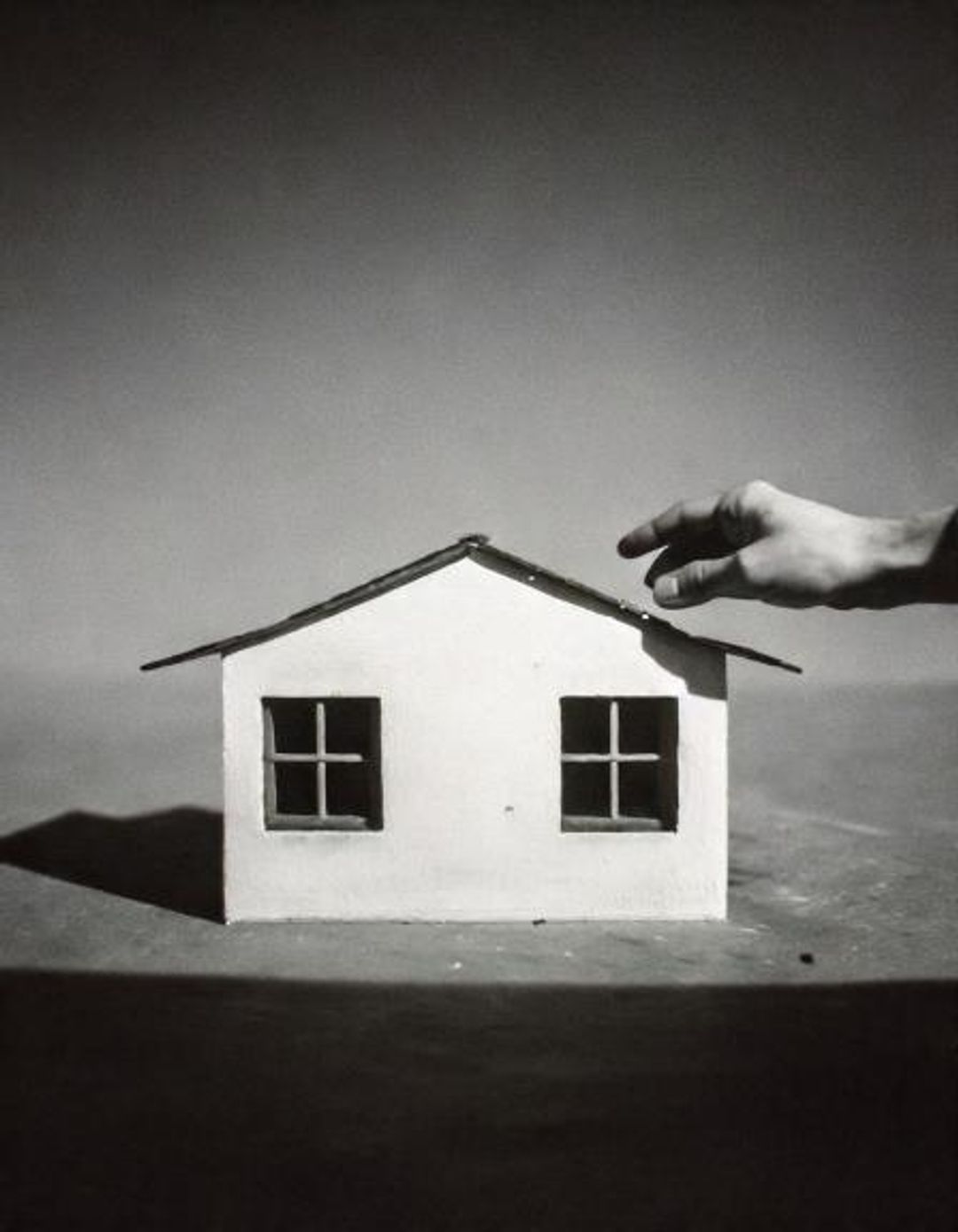
《House model》 photo editing,model, collage, 2024, Hitoki Keino
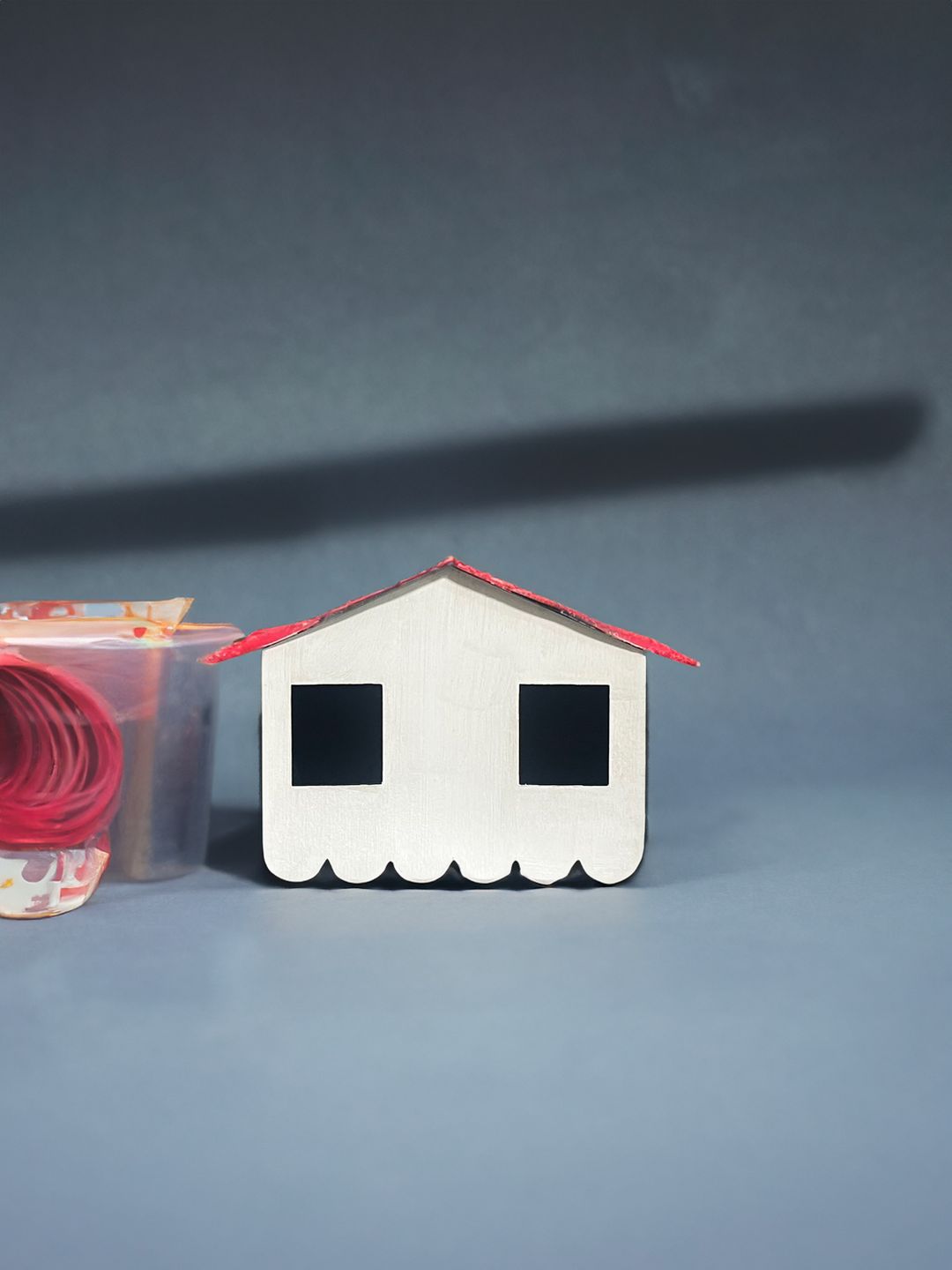
《Teble top model》 photo editing,model, collage, 2024, Hitoki Keino
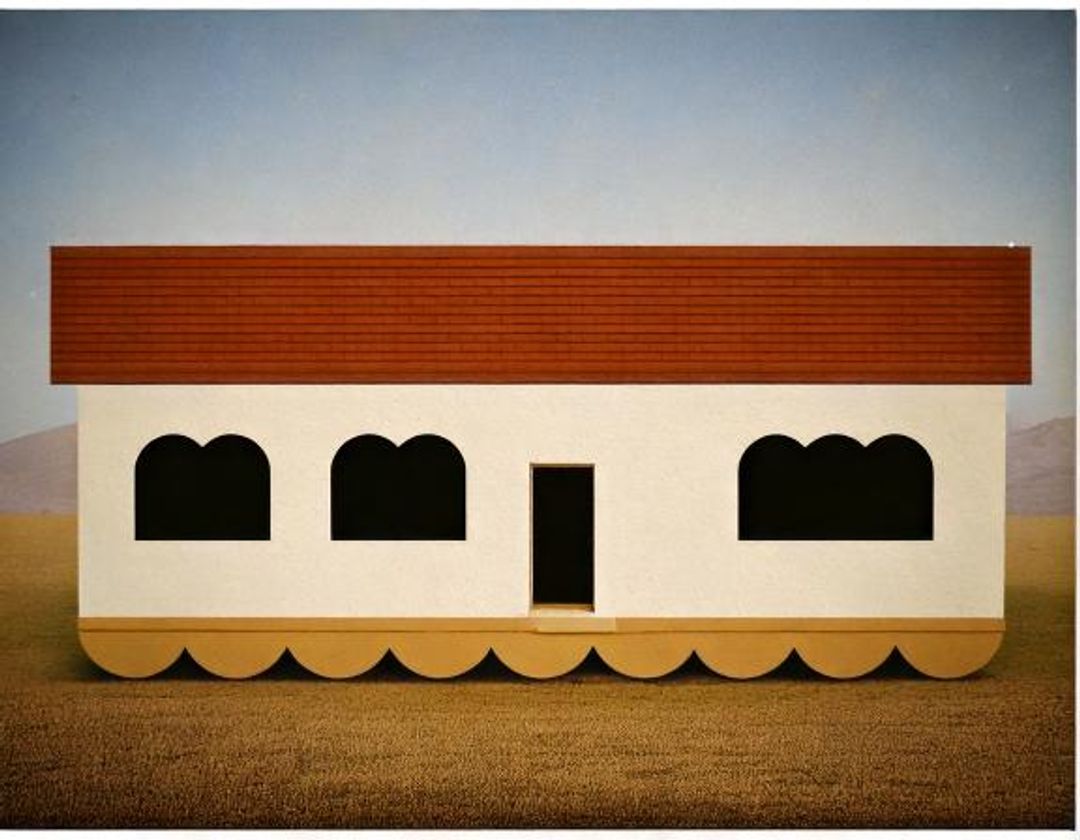
《Pattern top model》 facade pattern, collage, 2024, Hitoki Keino
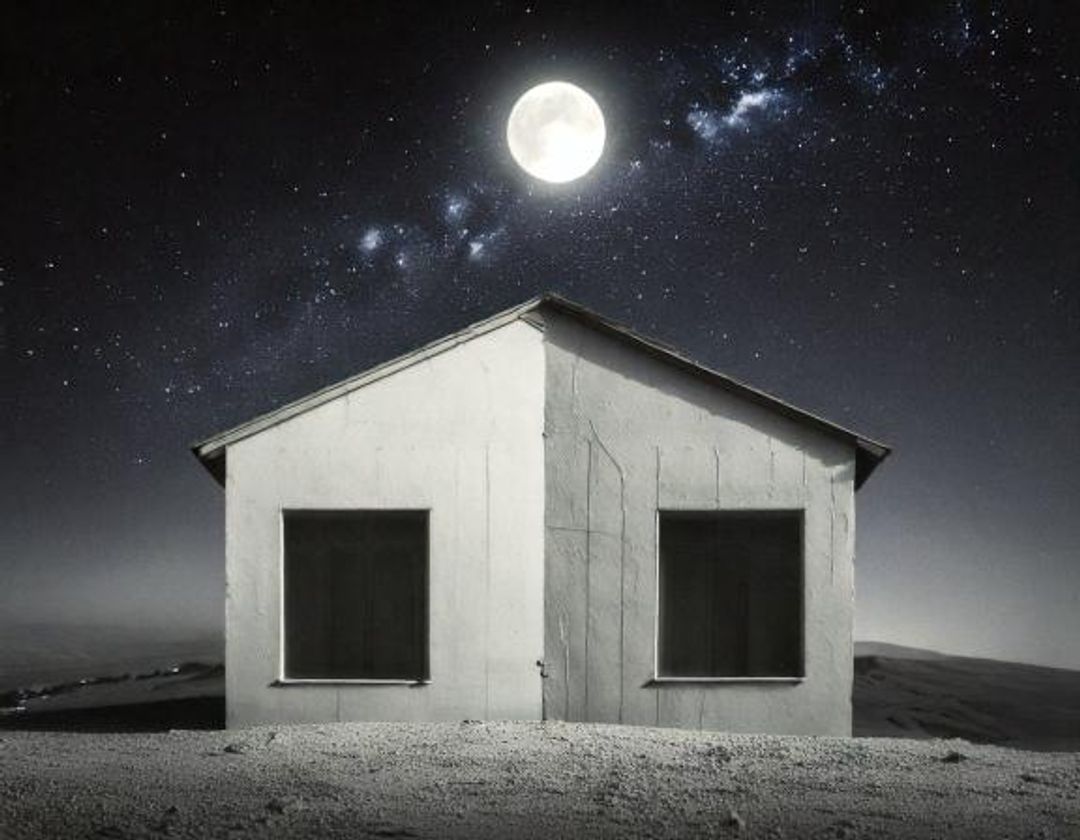
《Surrealism house》 model, collage, 2024, Hitoki Keino
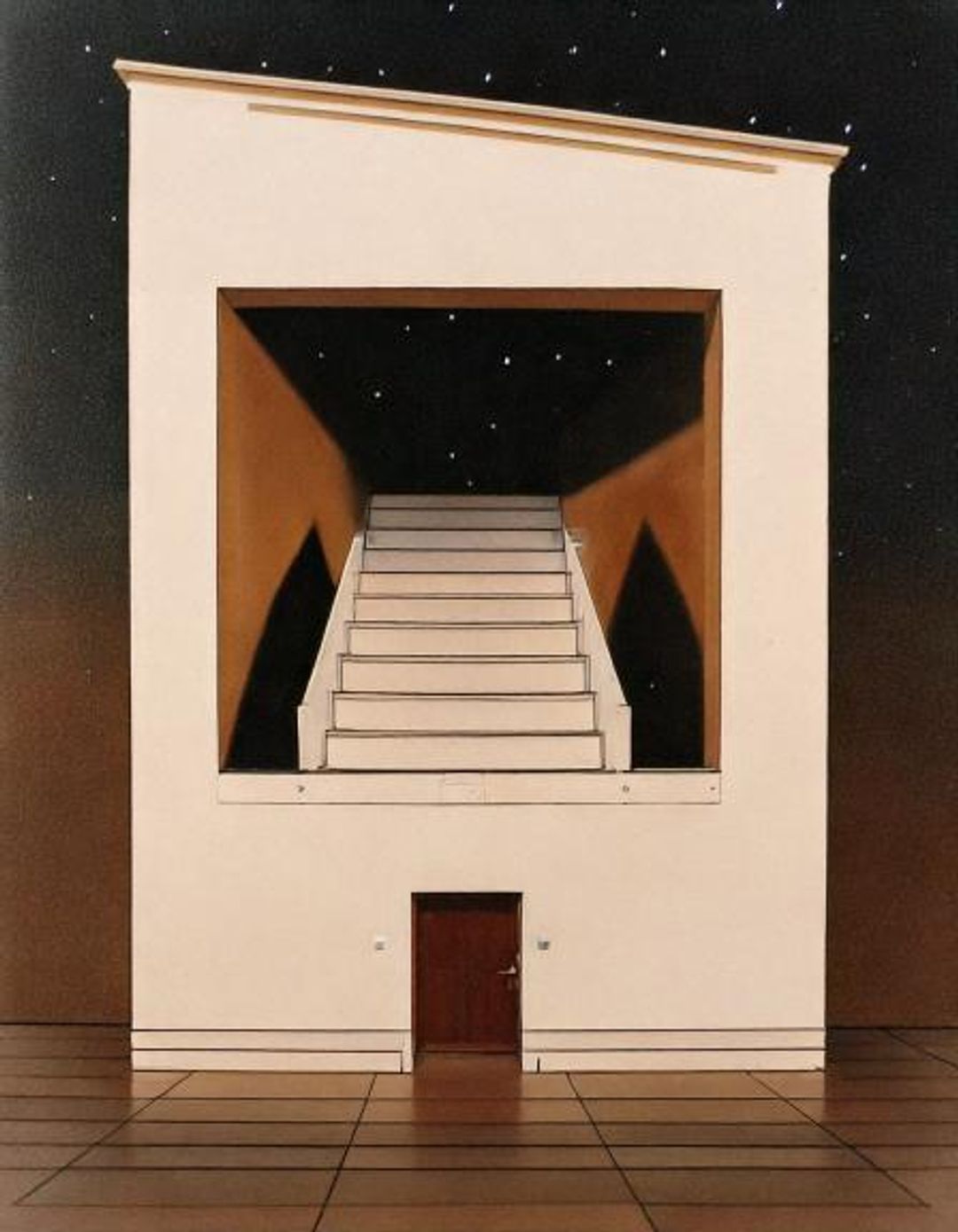
《Untitled》 2024, Hitoki Keino
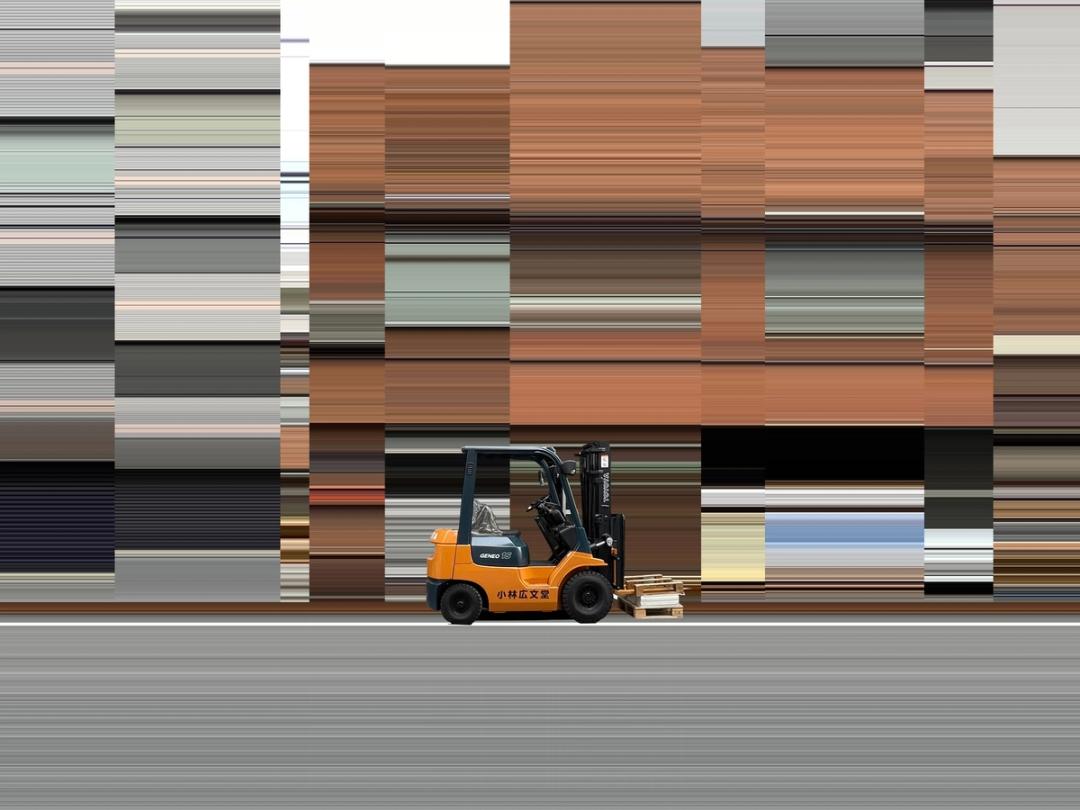
《STRIP / Scale figures》 Photo editing, 2024, Yoshiyuki Fujiwara
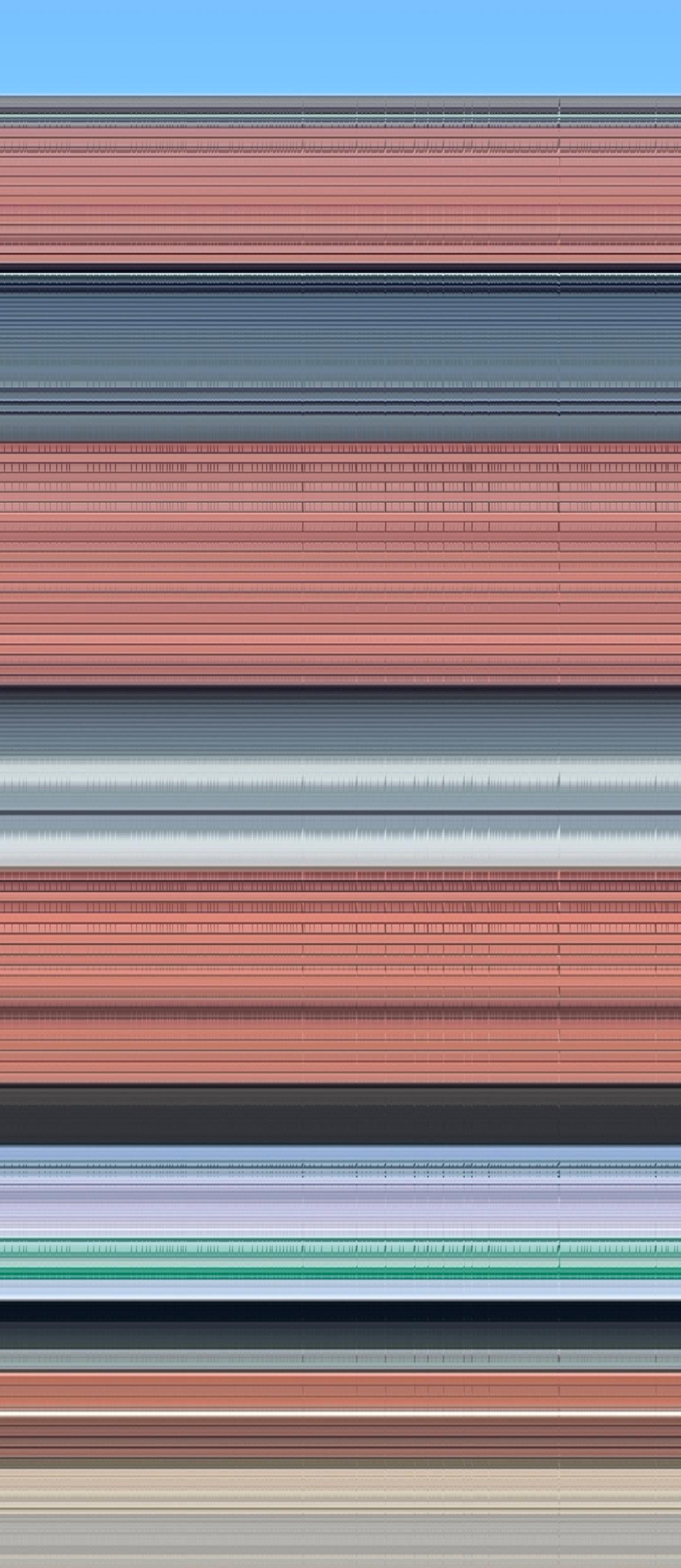
《STRIP / Wall》 Photo editing, 2024, Yoshiyuki Fujiwara
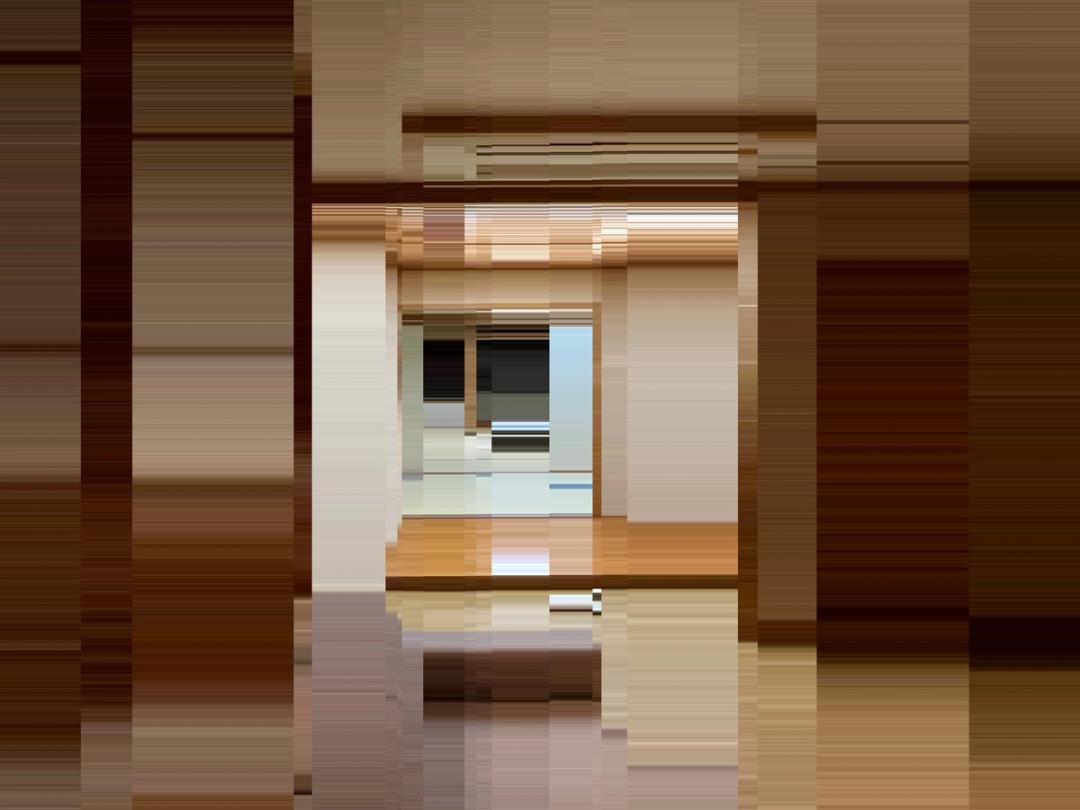
《STRIP / Depth》 Photo editing, 2024, Yoshiyuki Fujiwara
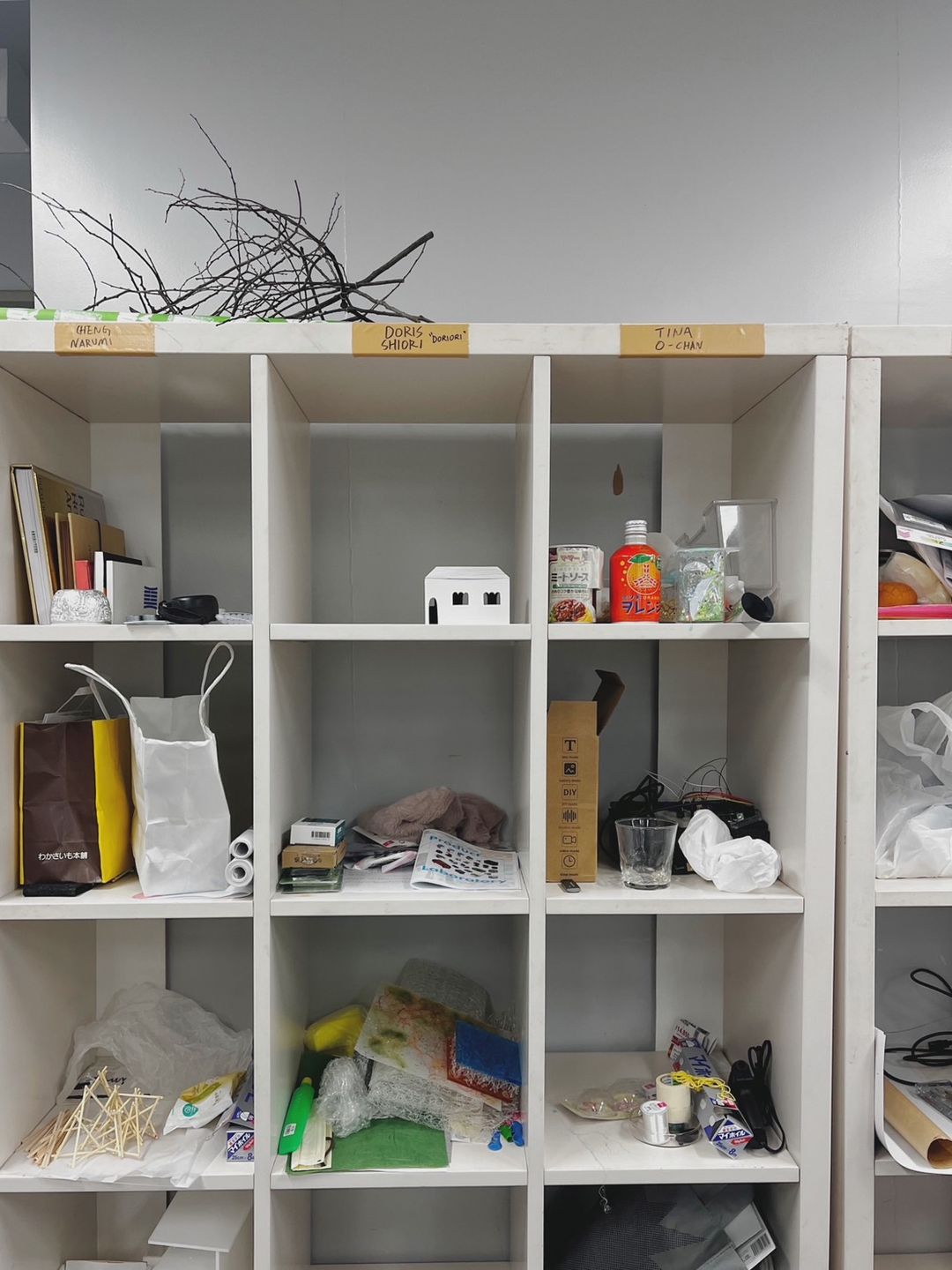
《Surrealism model》 collage, 2024, Hitoki Keino
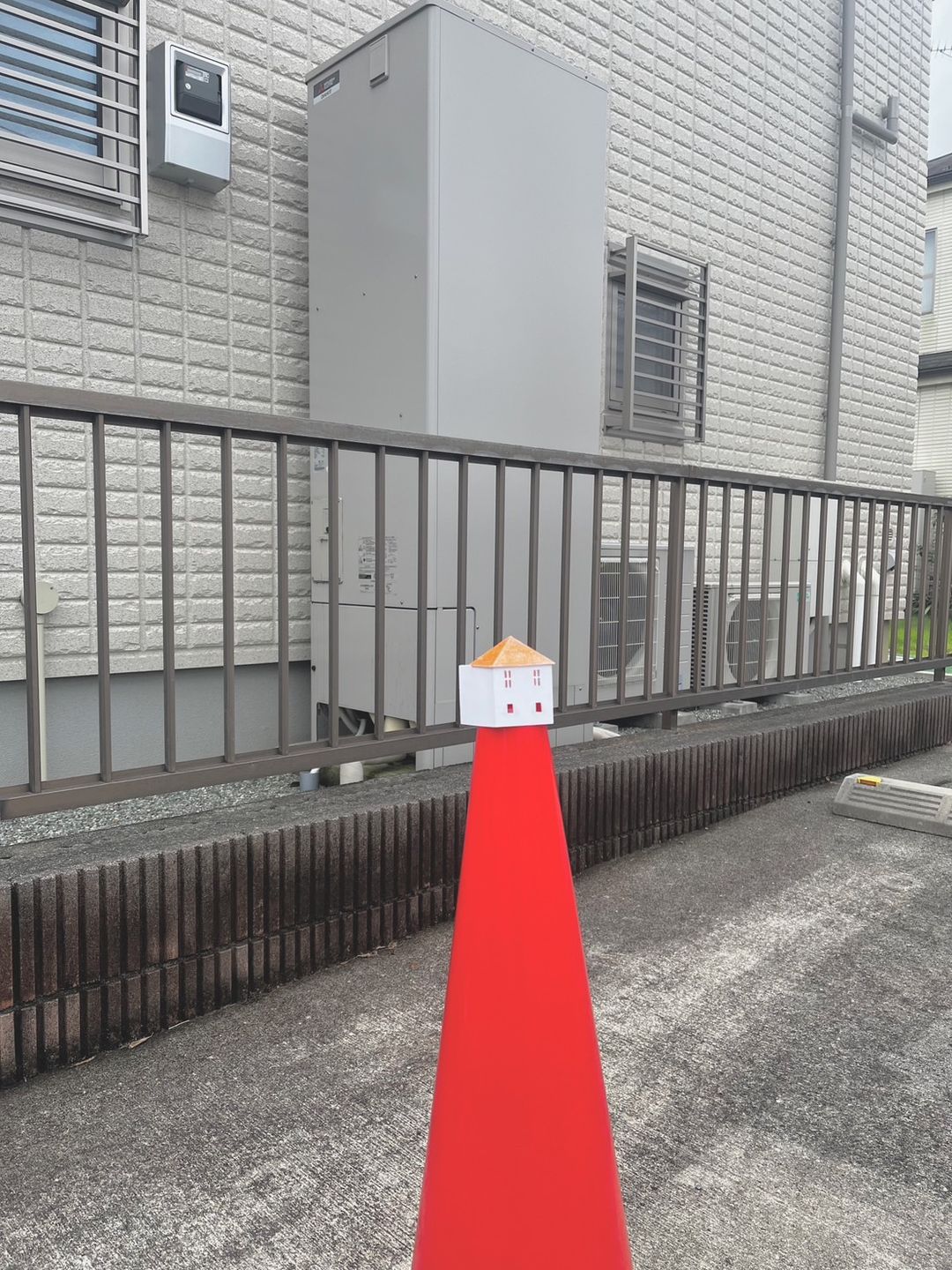
《mpressionism model》 drawing,collage, 2024, Hitoki Keino
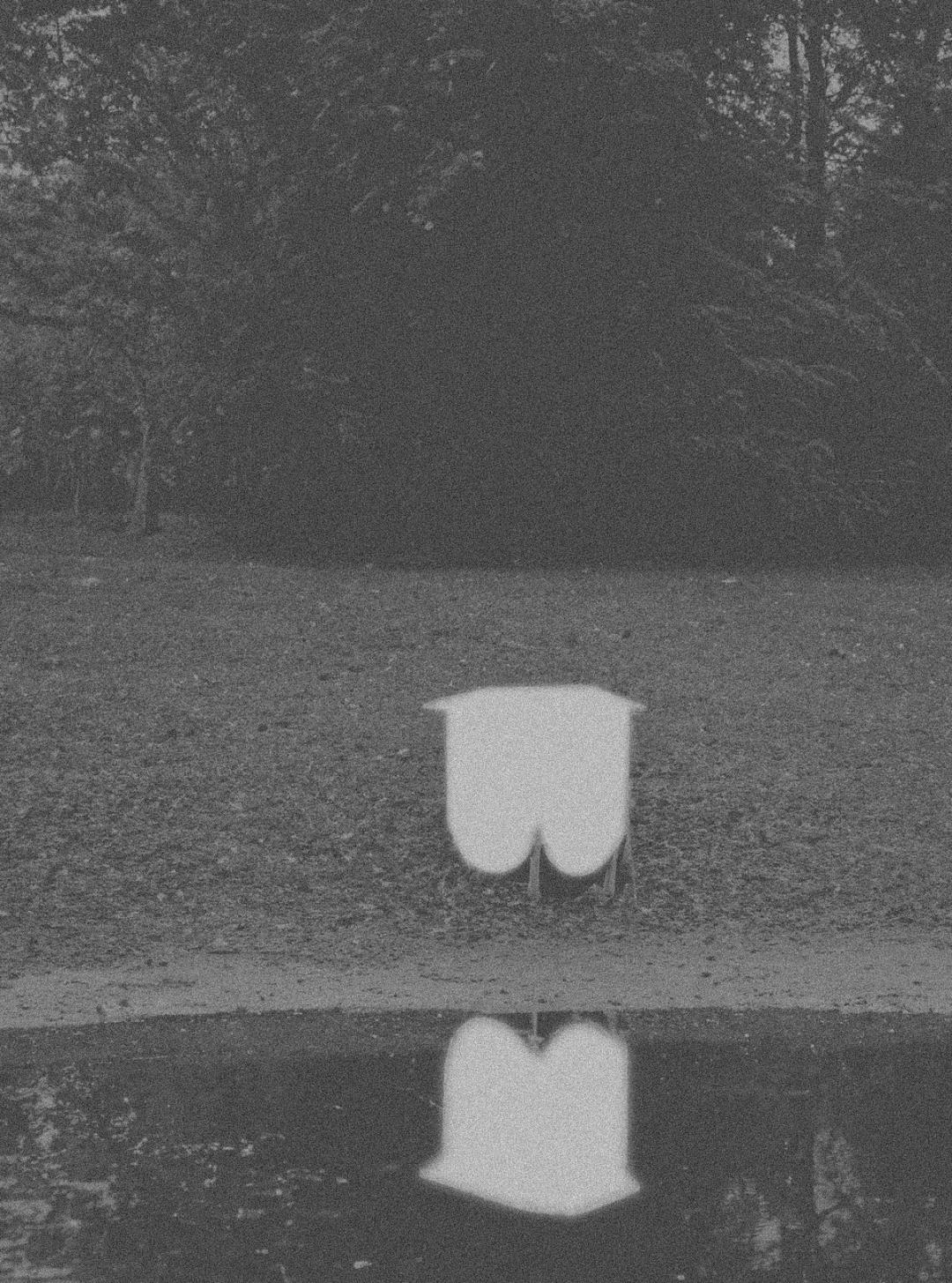
《Ghost model》 blurring,noise,collage, 2024, Hitoki Keino
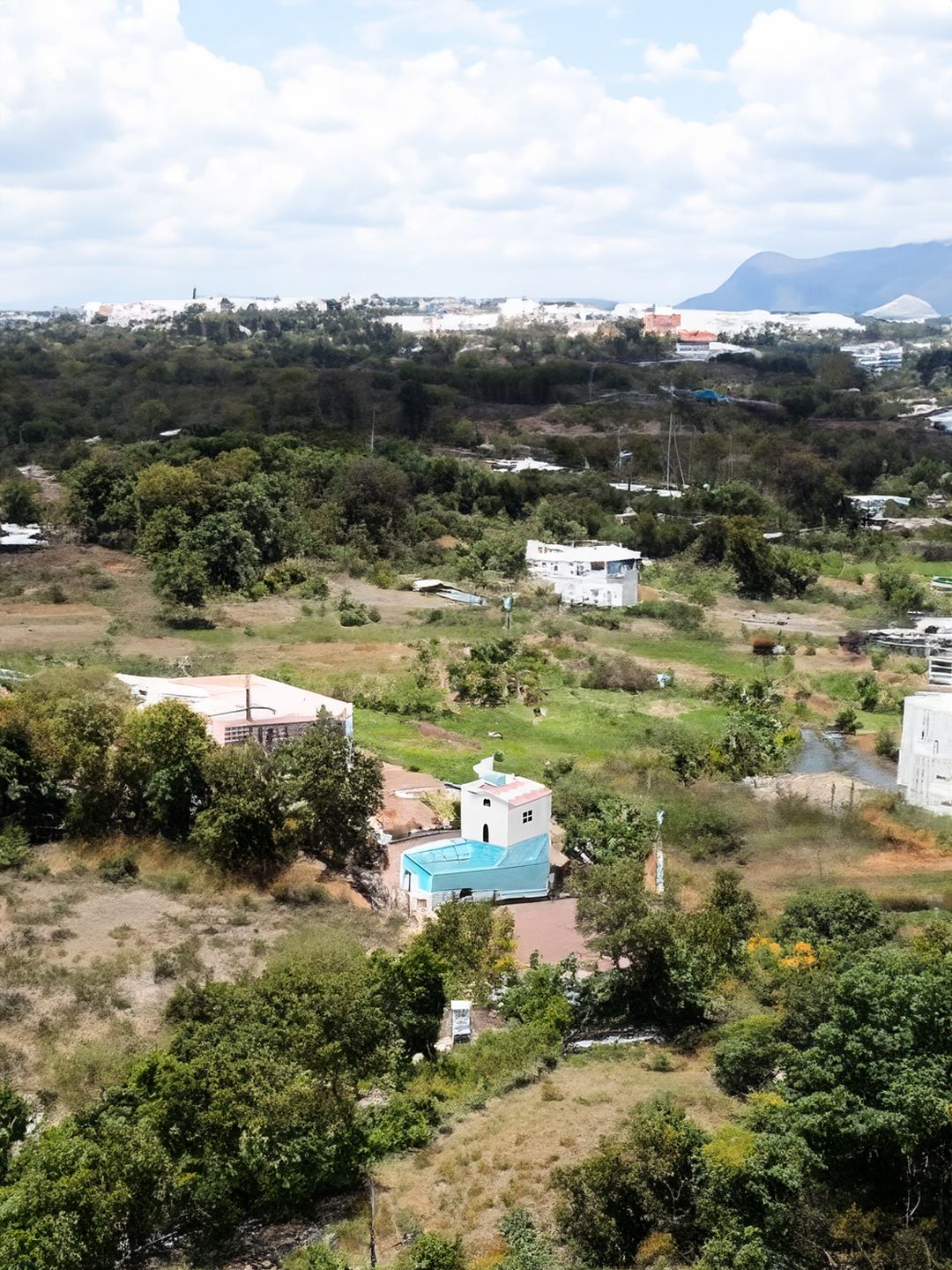
《Photo Editing noise》 blur,color Inversion,collage, 2024, Hitoki Keino
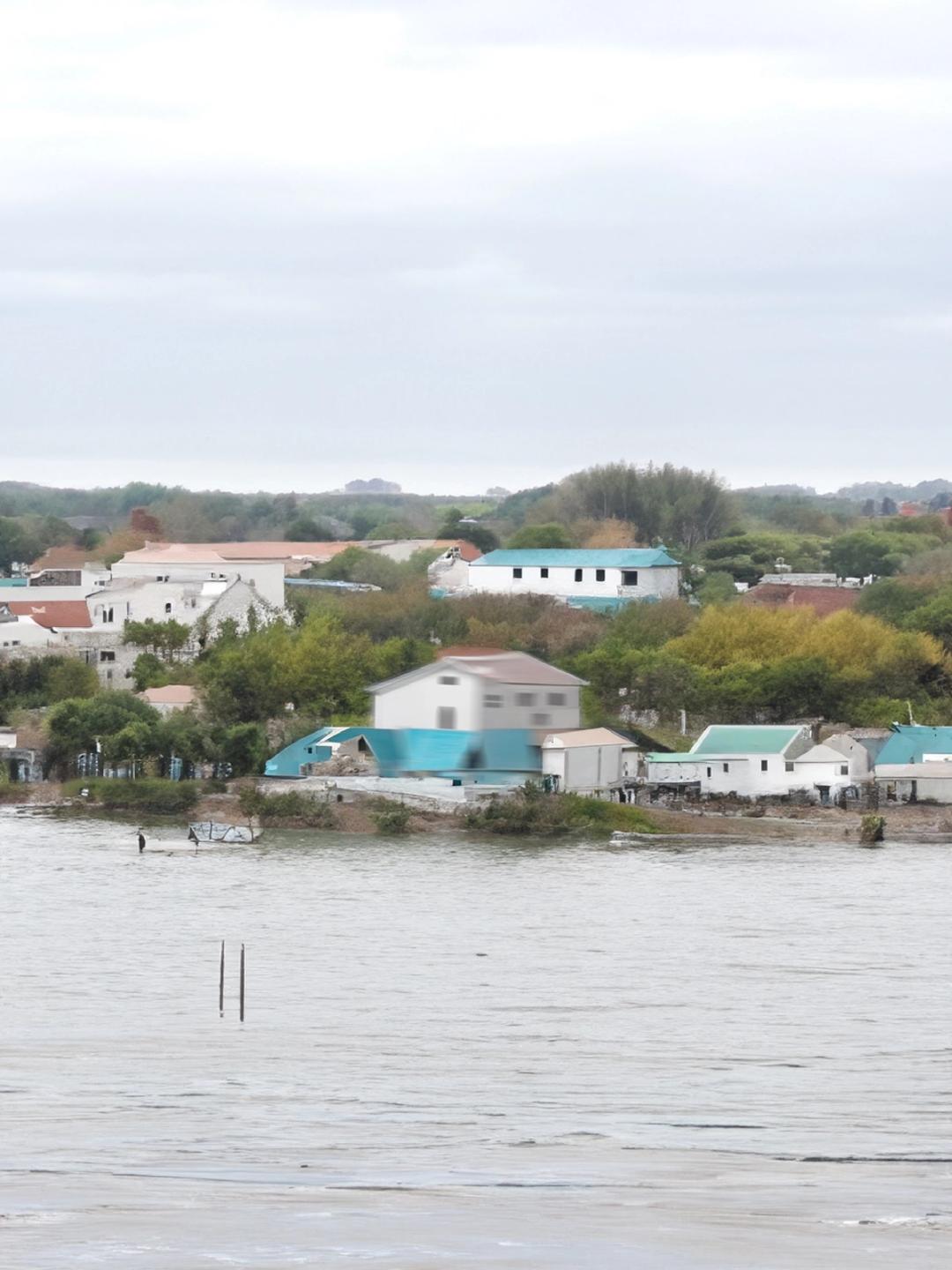
《Photo Editing noise》 blur,collage, 2024, Hitoki Keino
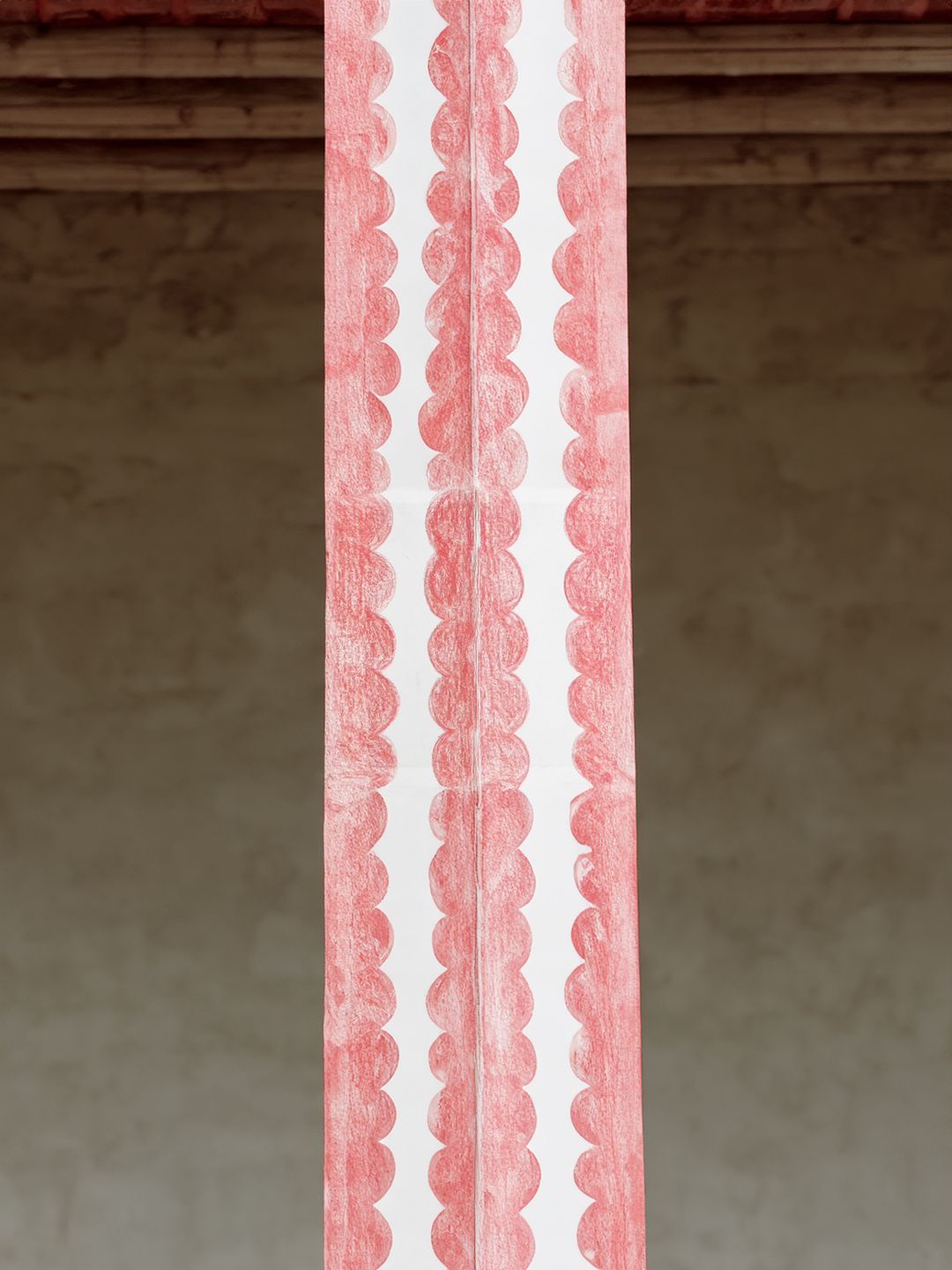
《Pattern top model》 column,wall pattern, 2024, Hitoki Keino
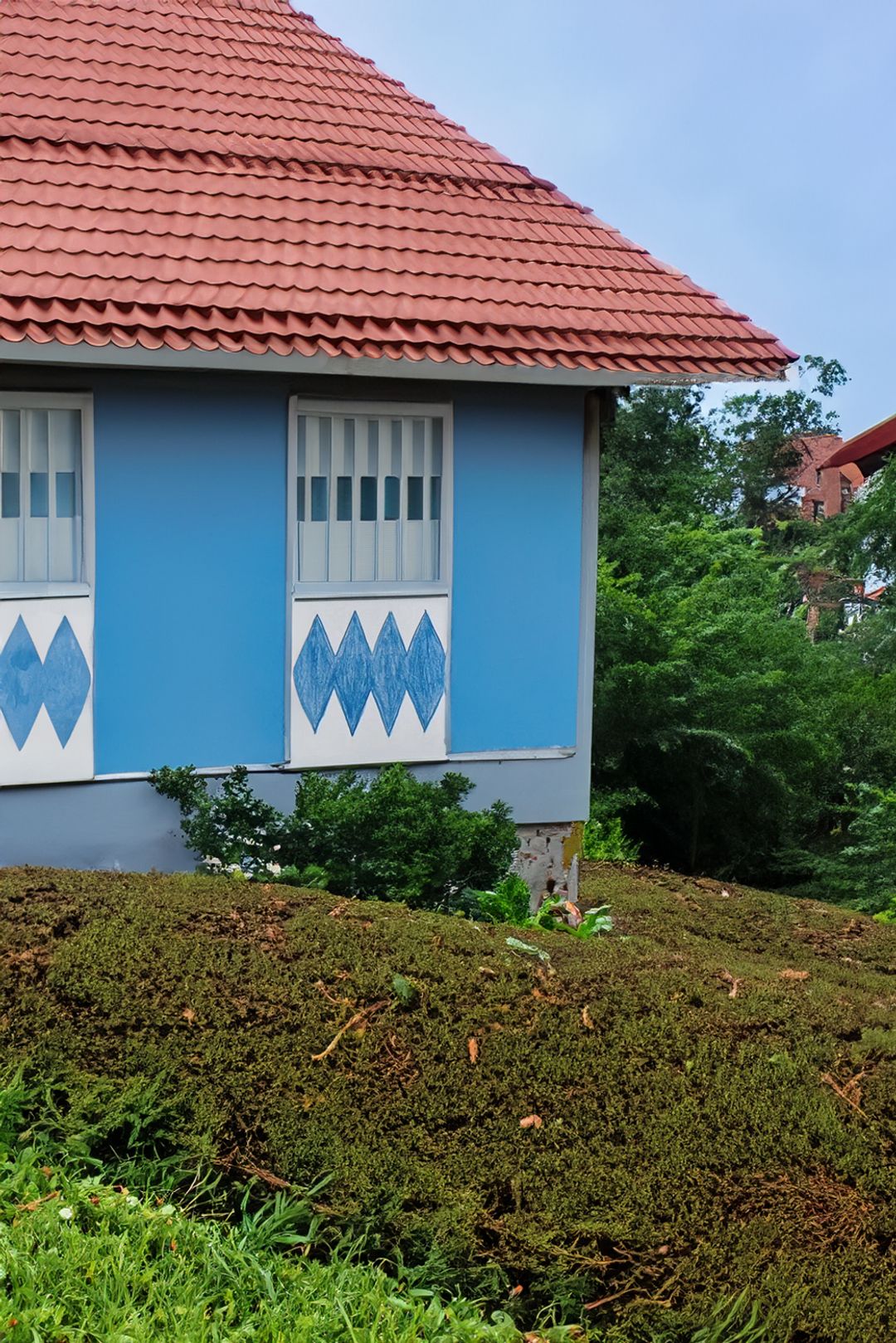
《Wall pattern》 geometric patterns,collage, 2024, Hitoki Keino
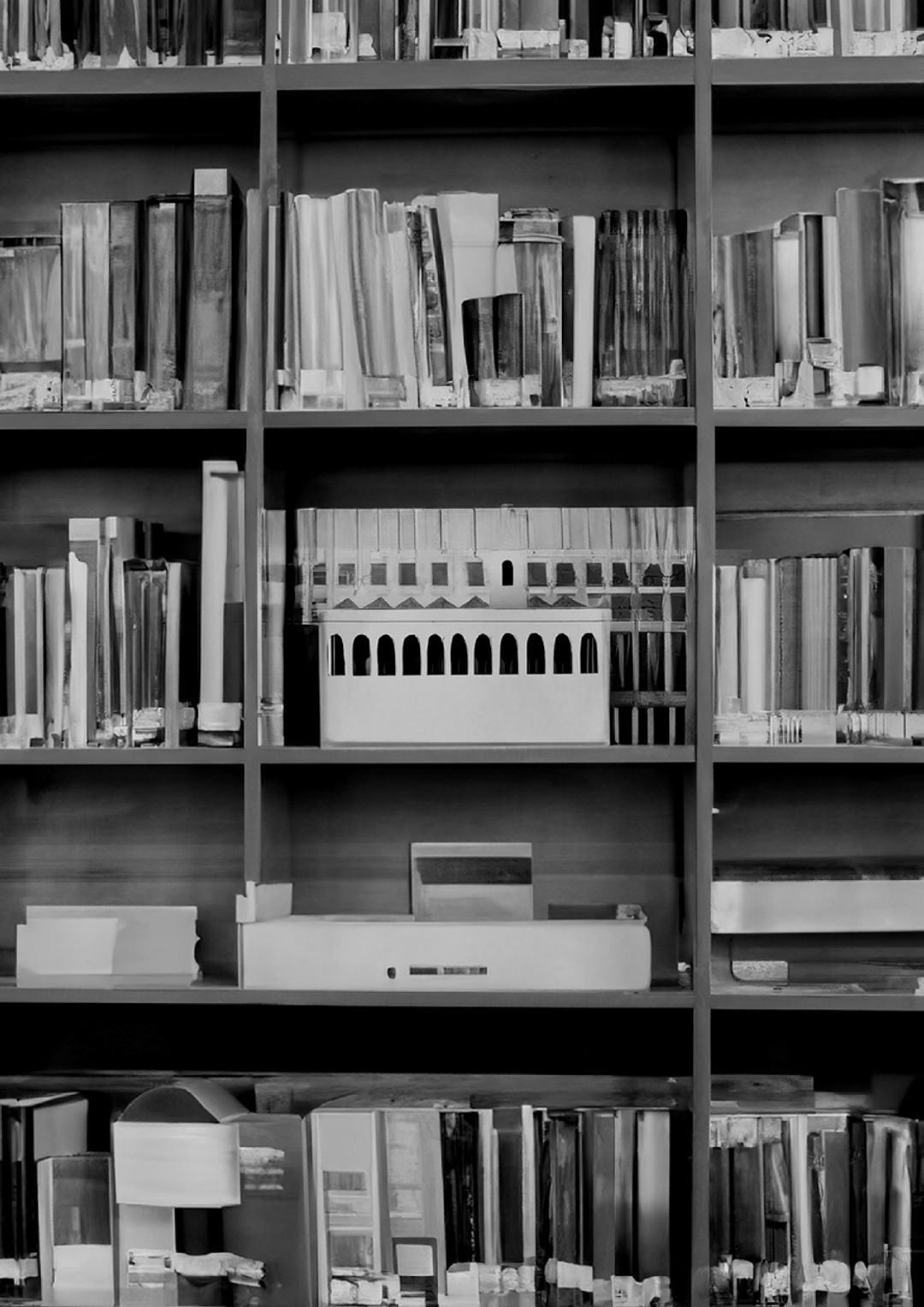
《Models in the bookshelf》 collage, 2024, Hitoki Keino
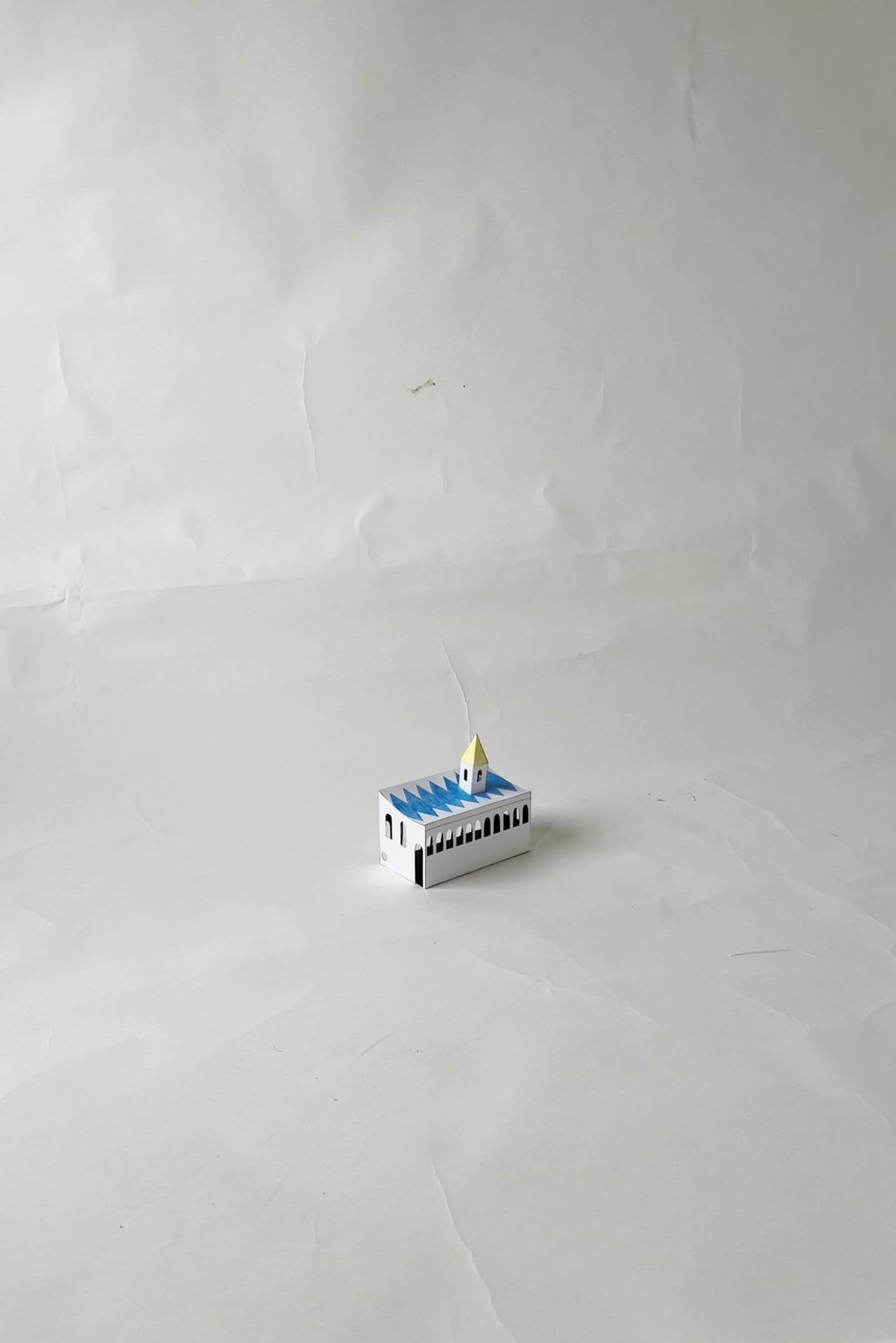
《Surrealism model》 drawing,collage, 2024, Hitoki Keino
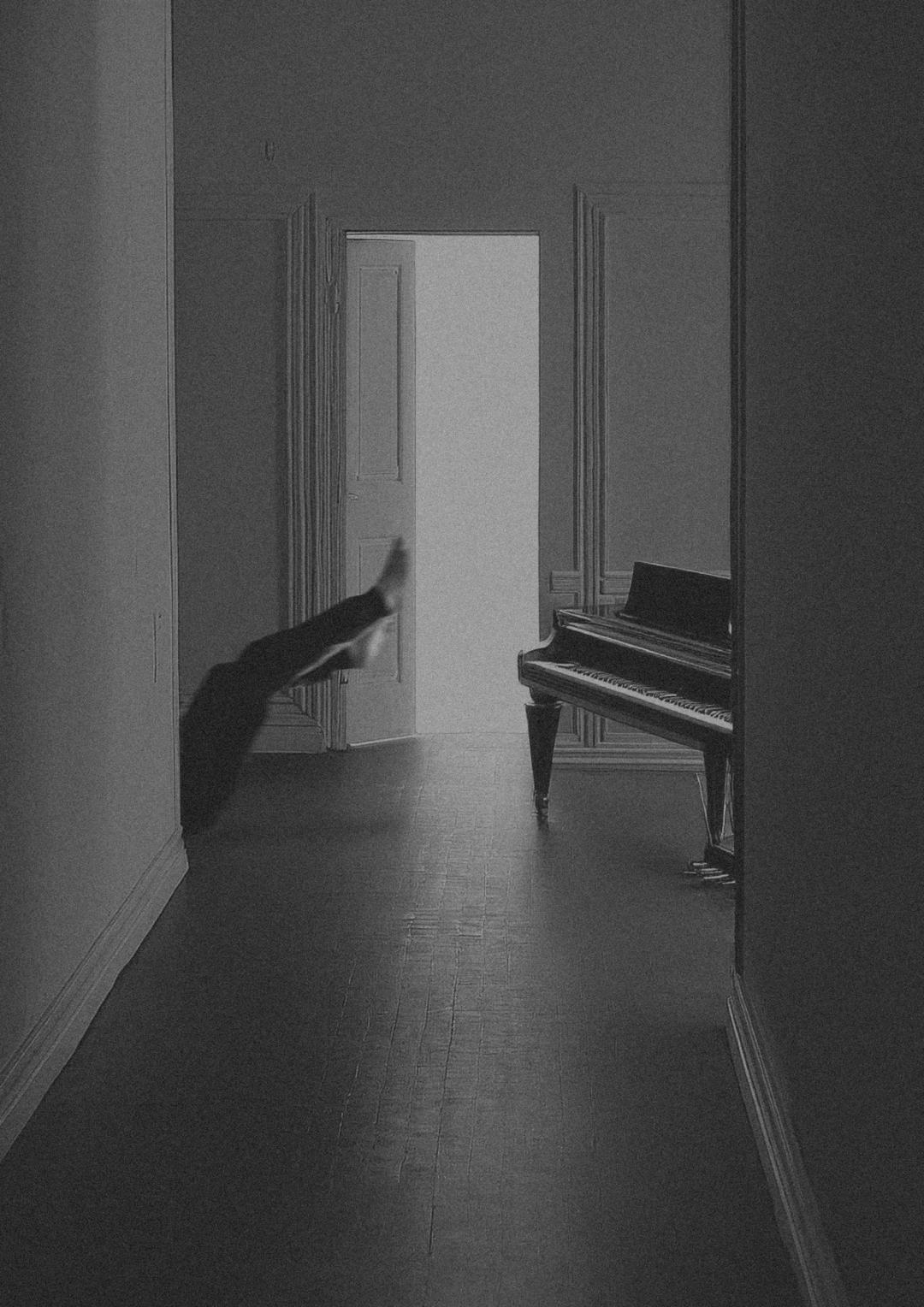
《Depaysement expanding space》 chromatic aberration, 2024, Hitoki Keino
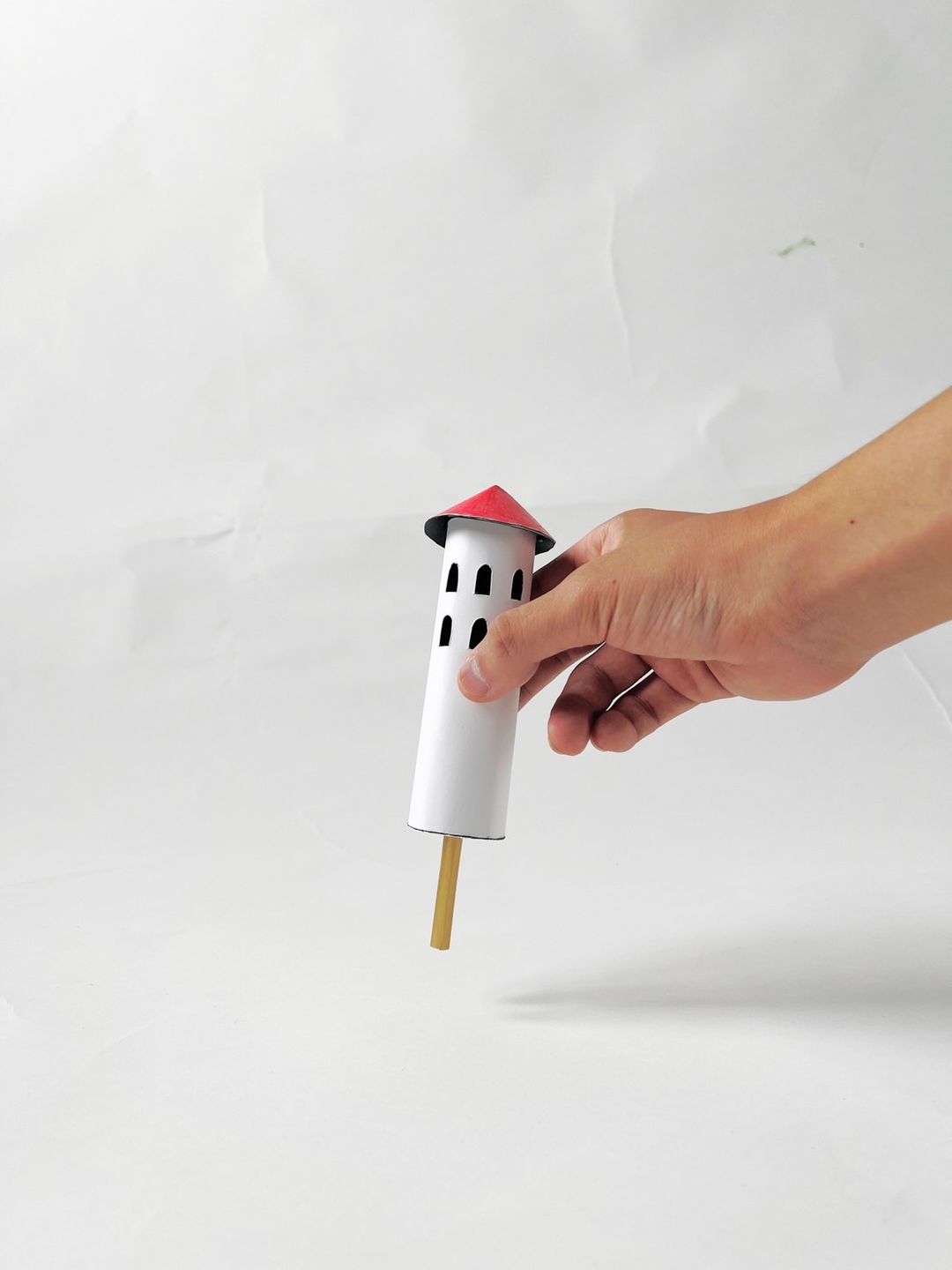
《Surrealism model》 collage, 2024, Hitoki Keino
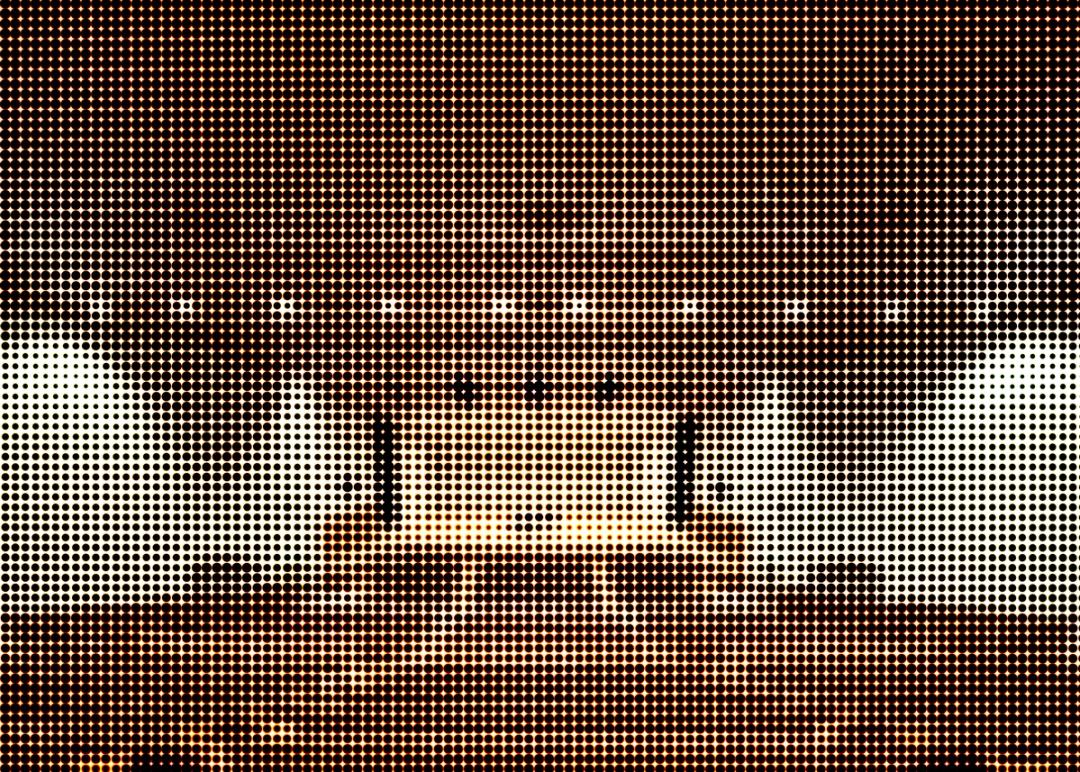
《Halftone》 Photo editing, 2024, Yoshiyuki Fujiwara
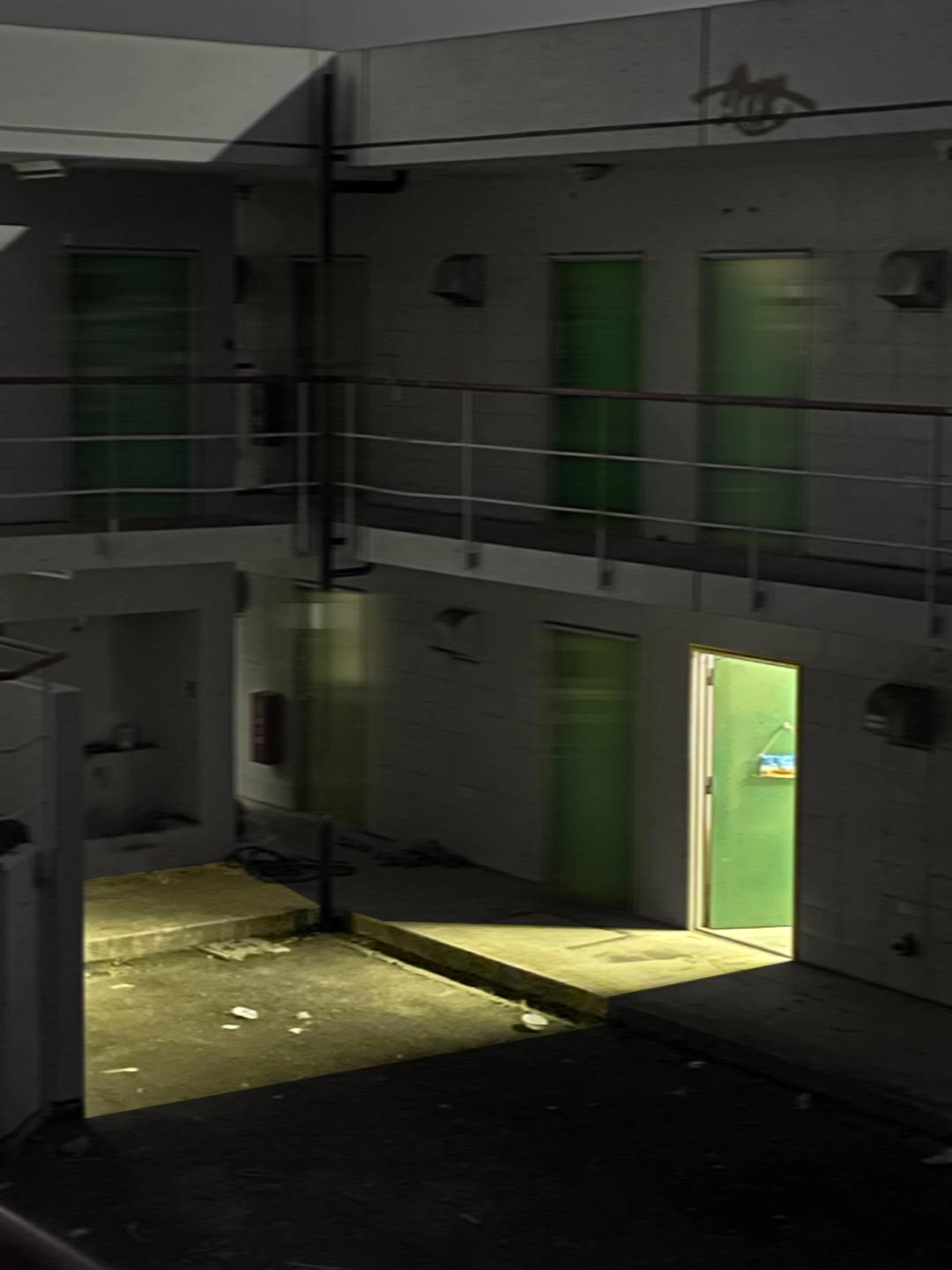
《Blur》 Photo editing, 2024, Yoshiyuki Fujiwara
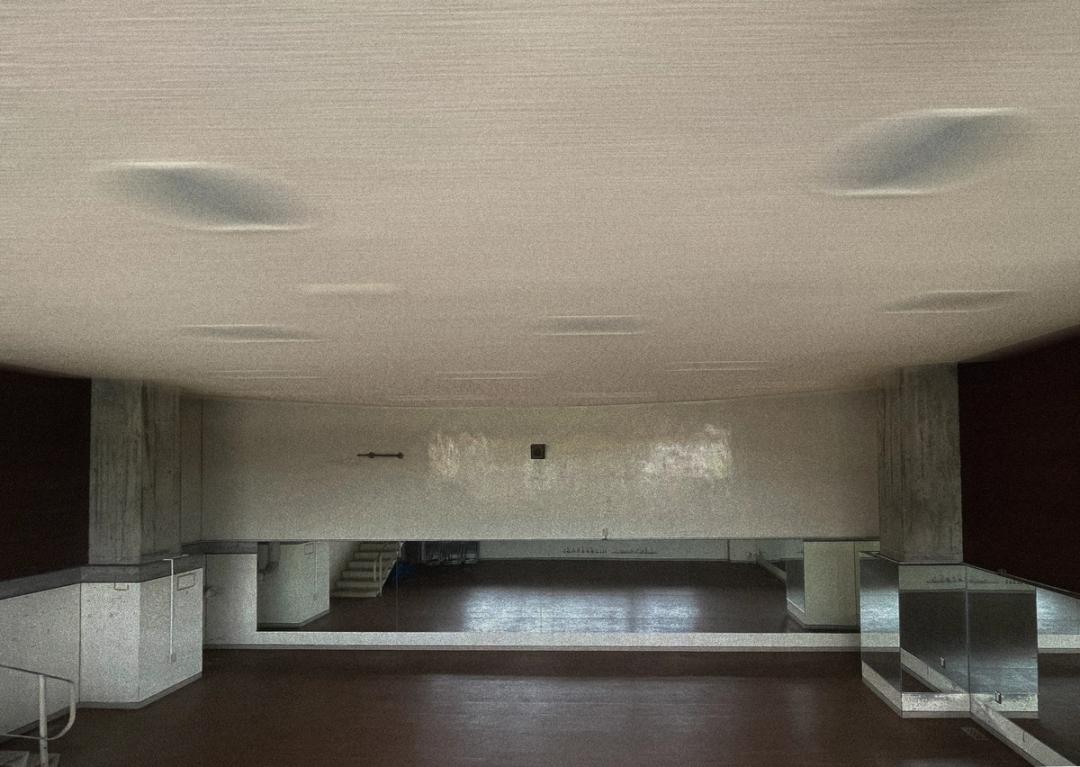
《Blur》 Photo editing, 2024, Yoshiyuki Fujiwara
《Bokeh》 Photo editing, 2024, Yoshiyuki Fujiwara
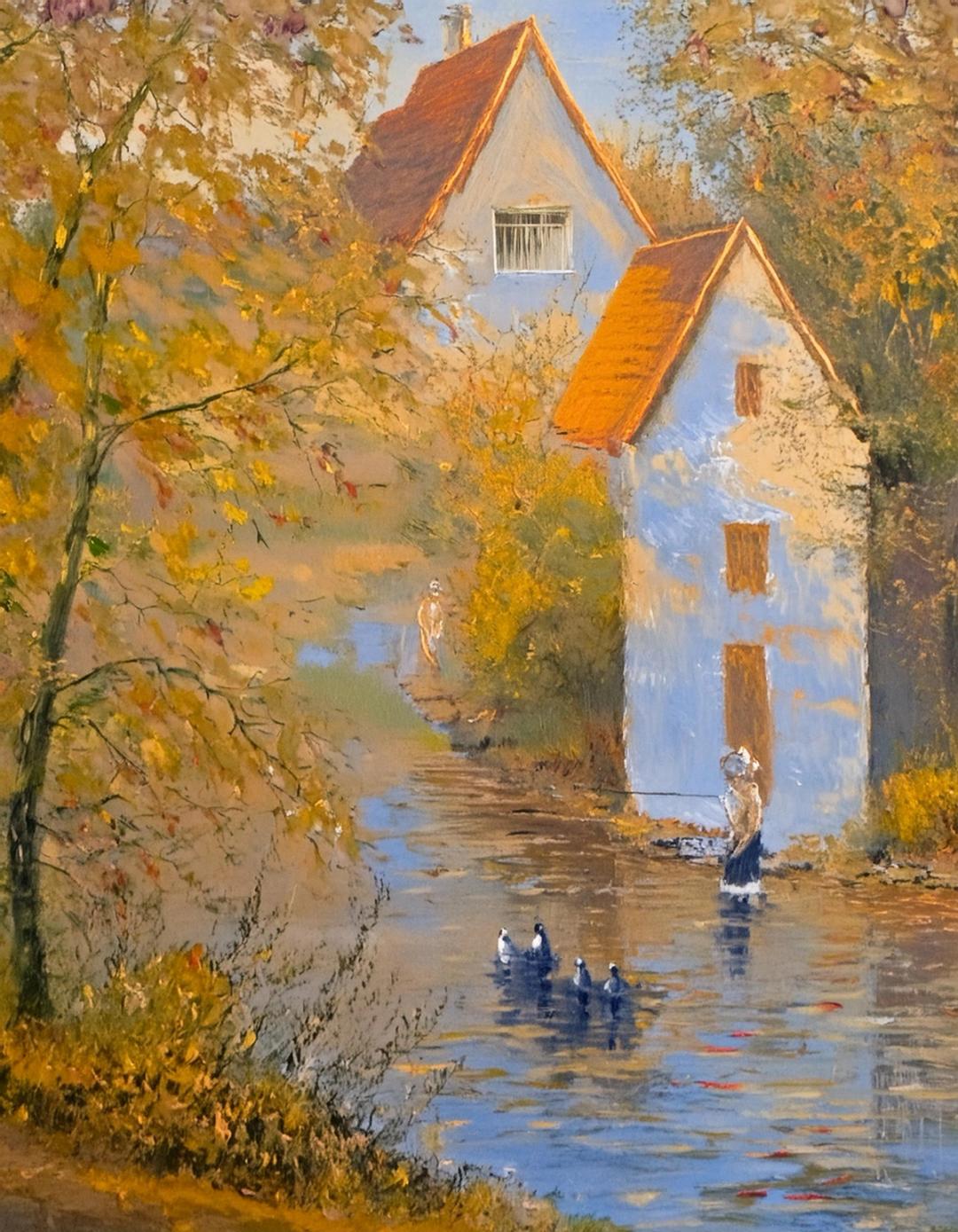
《impression》 collage, 2024, Hitoki Keino
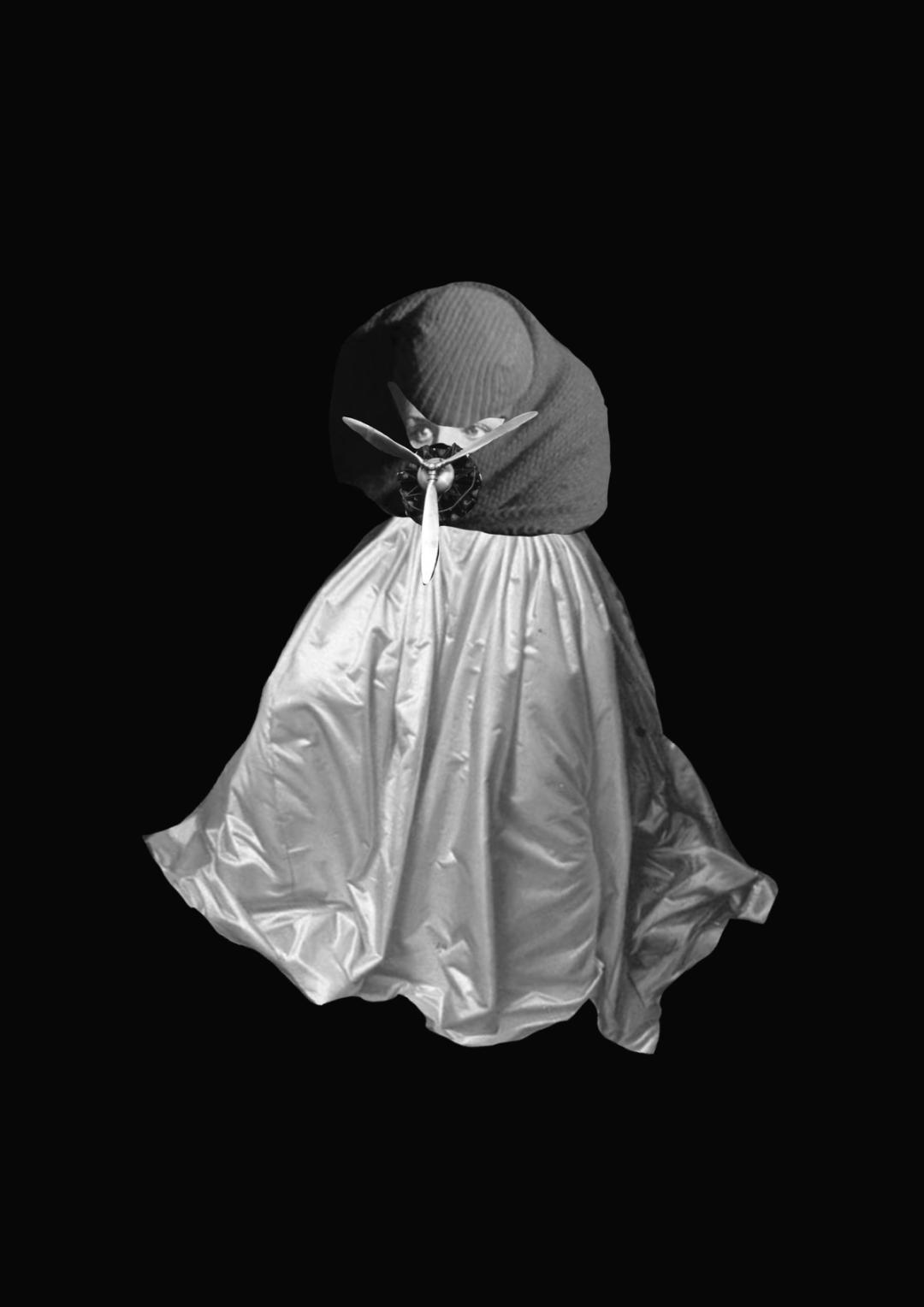
《潜伏》 incubation, photocollage, 2024, Hitoki Keino
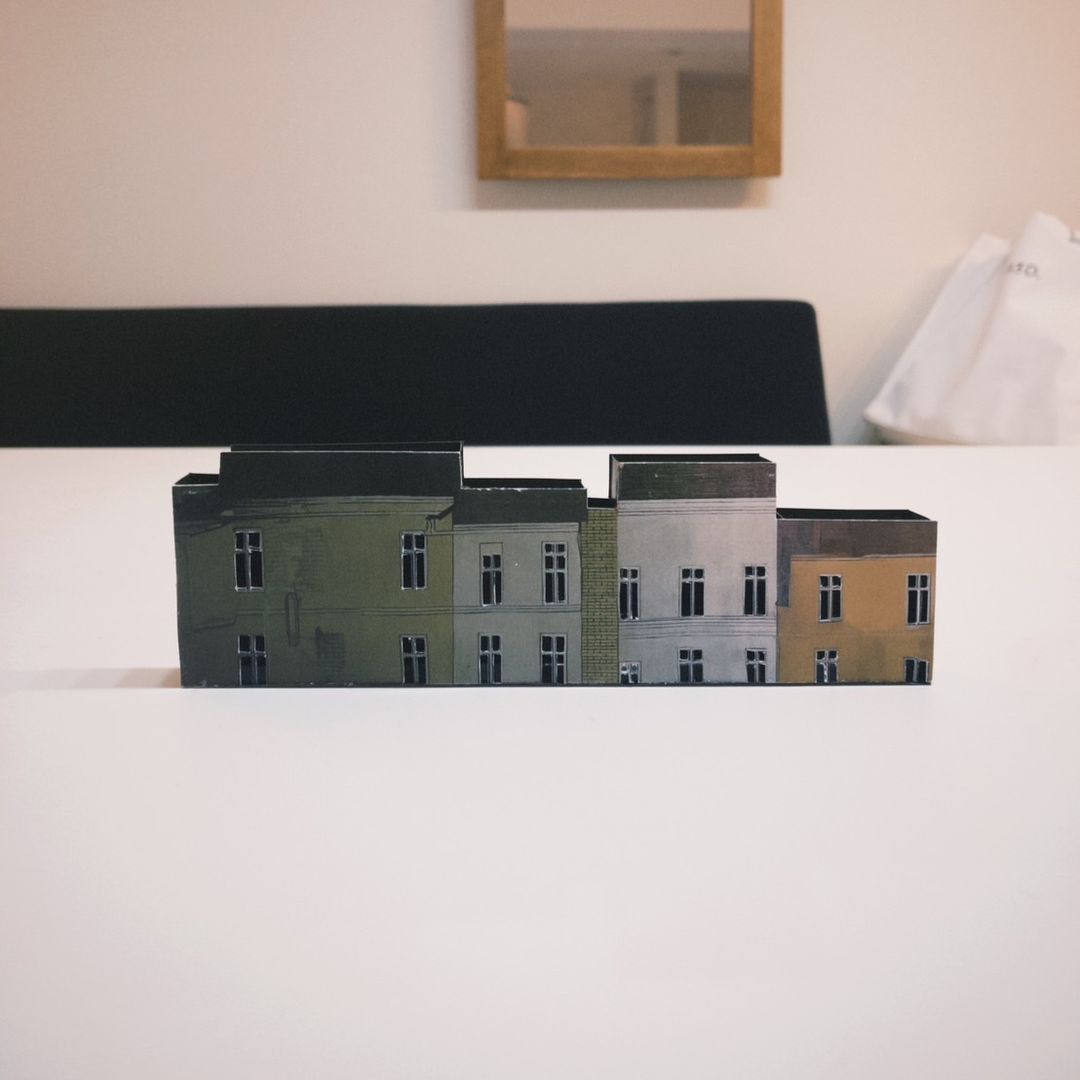
《model》 collage, 2024, Hitoki Keino
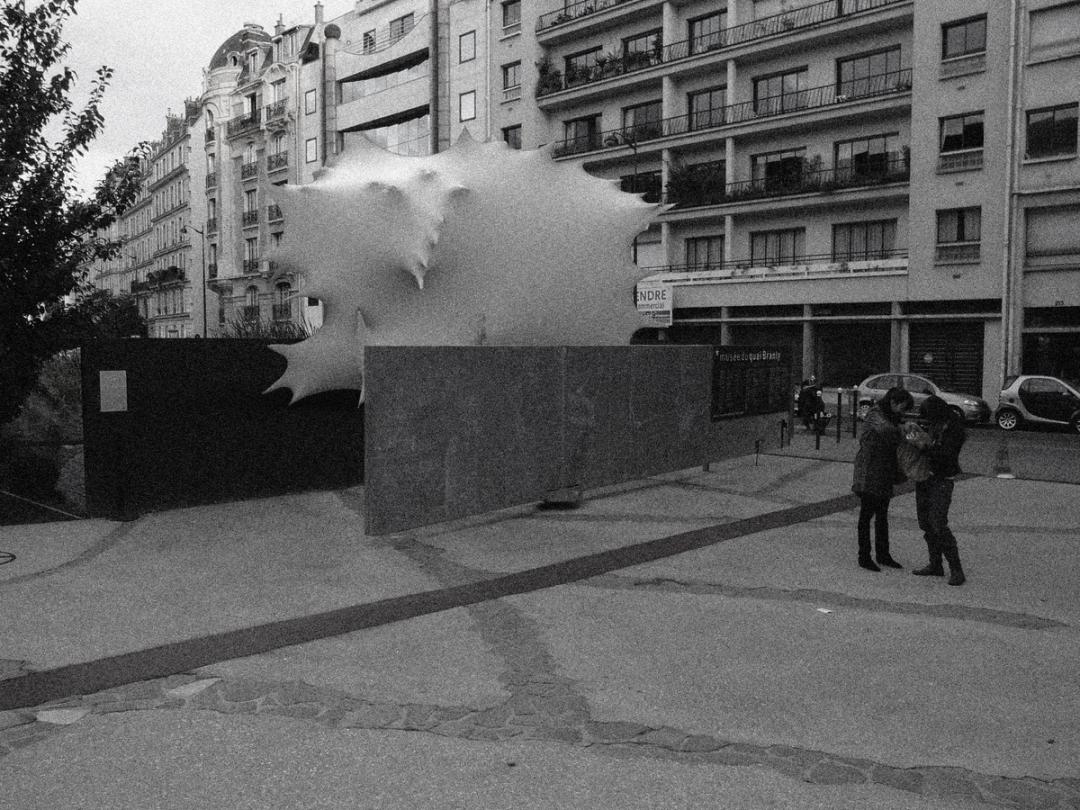
《Missing Object》 2024, Yoshiyuki Fujiwara
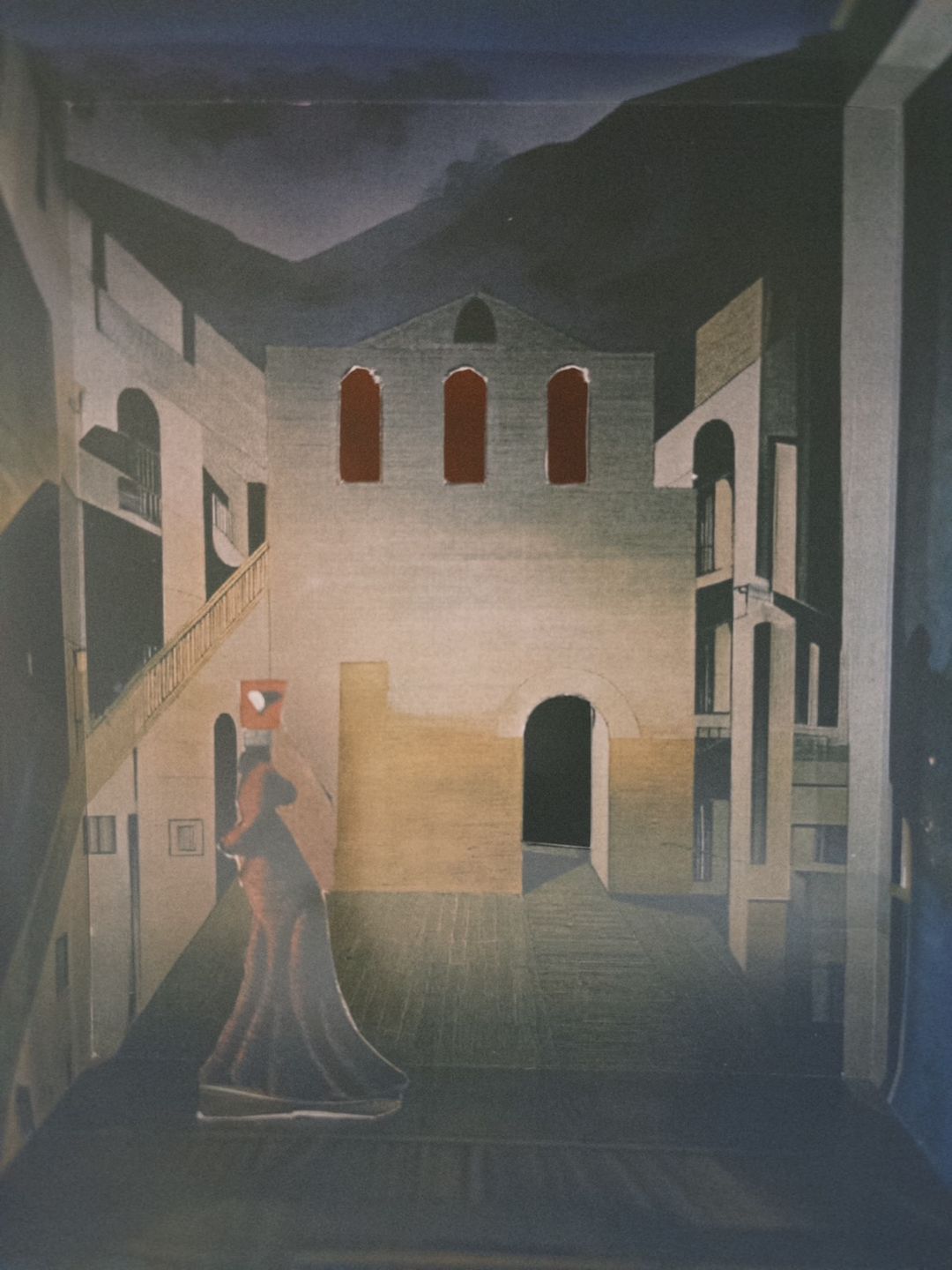
《Box Model》 2024, Hitoki Keino
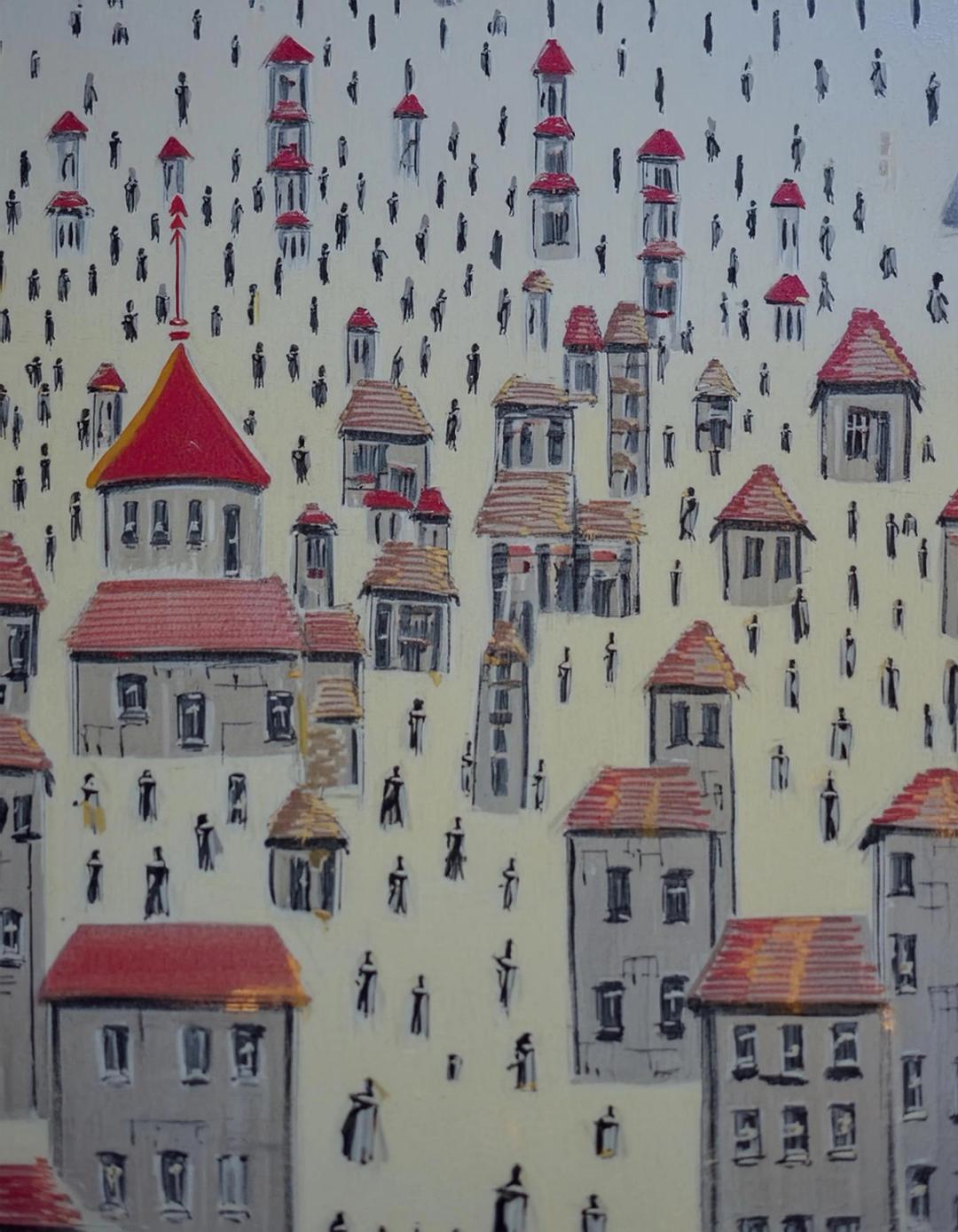
《Untitled》 2024, Hitoki Keino
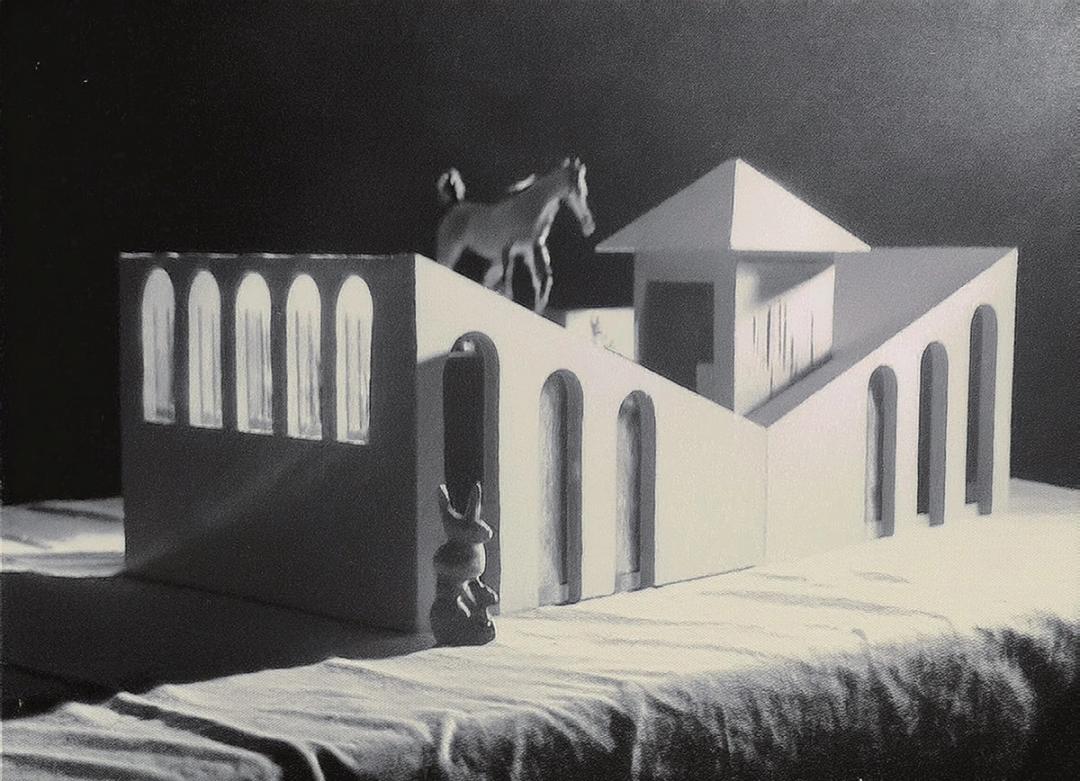
《Tabletop Model》 2024, Hitoki Keino
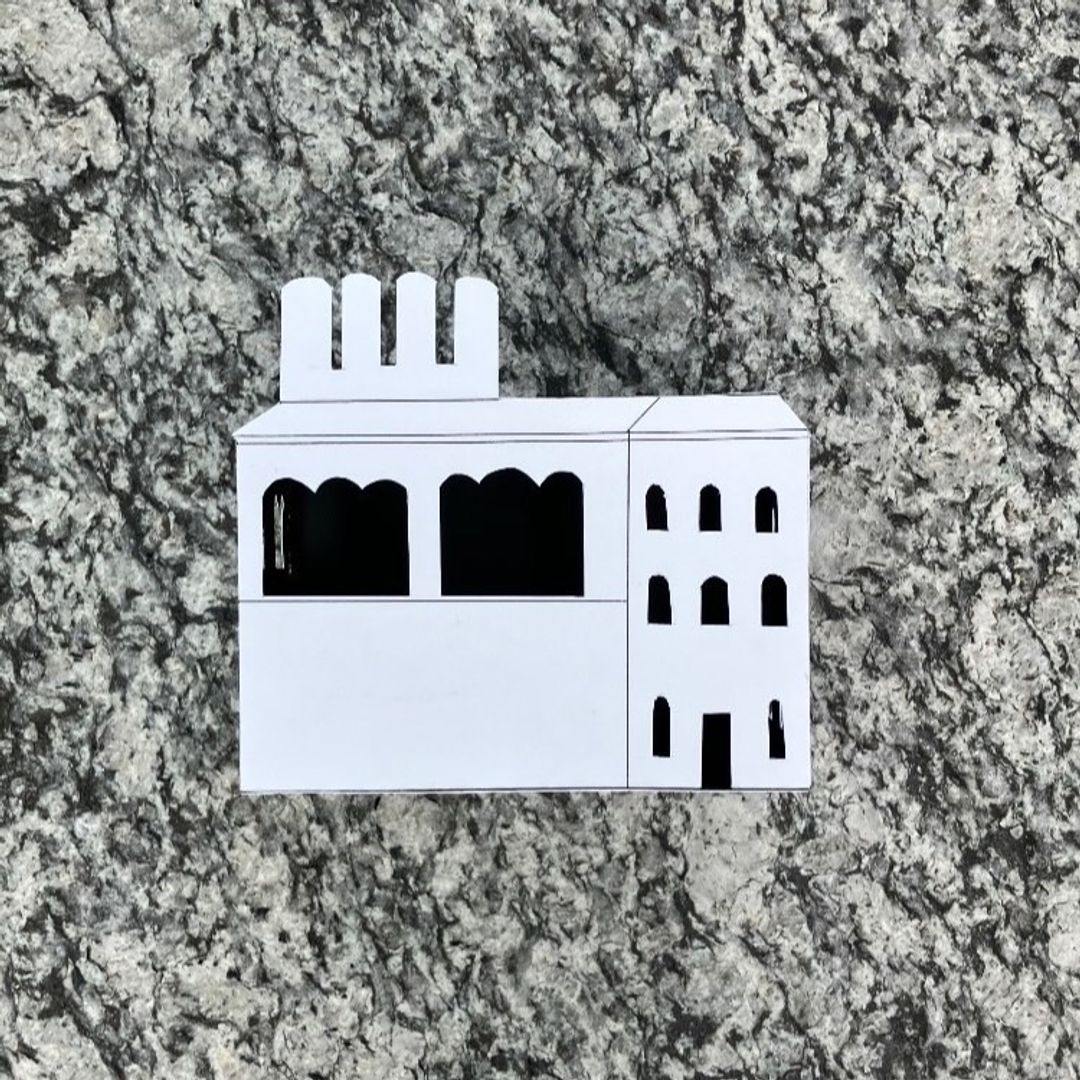
《surrealism model》 2024, Hitoki Keino
Introduciton
"An Apple Filling the Room"
窓が一つあるだけの小さな部屋いっぱいに大きなりんごが描かれた絵画があります。デペイズマン、「異郷の地に送る」という意味をもつシュルレアリスムの手法を使用したルネ・マグリットの作品で、そこにあるはずもない、現実には存在し得ないサイズのリンゴが画面いっぱいに部屋を埋め尽くし、このりんごはりんごであってりんごではないかもしれないという疑念を生じさせながら、それでも僕たちが知っているりんごというイメージが、この絵画を見る人の目と記憶とイメージを揺さぶります。STUDIO YUASAでは、この大きなりんごを部屋の中に見るような想像力と、この大きなりんごのようななにかを創作する力を養うことを目標に研究・制作をします。
ぼくたちの身の回りに存在するすべて、世界を構成するあらゆる要素は創作のモチーフです。人間がつくりだしてきたあらゆる芸術が表象するイメージも、その背景を含みながら見つめ直し僕たちの創作に紐づけます。それらはきっと、今僕たちがつくりだすものが、連綿と続く地球と人間の時間と結びついているという癒しと希望を、結びついてしまうという縛りとこわさを、教えてくれます。それらを知った上で、どう自由に思考できるかを考えたいと思います。
例えば、人が人のために作り出す建築や空間や家具、そのスペースやオブジェクトが、今起きている出来事や事象、その状況を捉え直すユーモアをもって存在することができたなら、肯定も否定もせずに、自分が抱えるものやとりまく状況すら許容するものとして認識できるかもしれません。それには、自由な思考がくれるしなやかなつよさと優しい眼差しをもって、目の前の世界を見ることが必要なのだろうと想像しています。
In a small room with nothing but a single window, there is a painting that depicts an enormous apple filling the entire space. This is a work by René Magritte, employing the Surrealist technique of dépaysement—which means “to send to a strange land.” The apple, impossibly large for such a room and inconceivable in real life, completely overtakes the space. It raises doubt: is this truly an apple, or something that only resembles one? And yet, the image of an apple—as we know and remember it—shakes our perceptions, our memories, and our imaginations.
At STUDIO YUASA, we aim to cultivate the kind of imagination that can envision such a giant apple in a room, and the creative power to bring something like that apple into being.
Everything around us—every element that makes up the world—is a potential motif for creation. The vast array of images represented in human-made art, along with the histories and contexts behind them, become material for our creative exploration. These connections remind us, perhaps, that what we create today is inevitably tied to the enduring timelines of both the Earth and humanity. This realization can bring comfort and hope—but also a sense of entanglement, even fear. And so, we seek to understand these links, while also asking: how can we continue to think freely?
Take, for instance, architecture, spaces, or furniture—things made by people for people. If these objects and environments could exist with a sense of humor that reinterprets present events and situations, then perhaps they could offer us a way to accept—not judge or deny—the realities we face, both personal and collective. We imagine that to do so requires a supple strength and a gentle gaze—gifts of a truly free mind—that allow us to see the world before us with clarity and compassion.
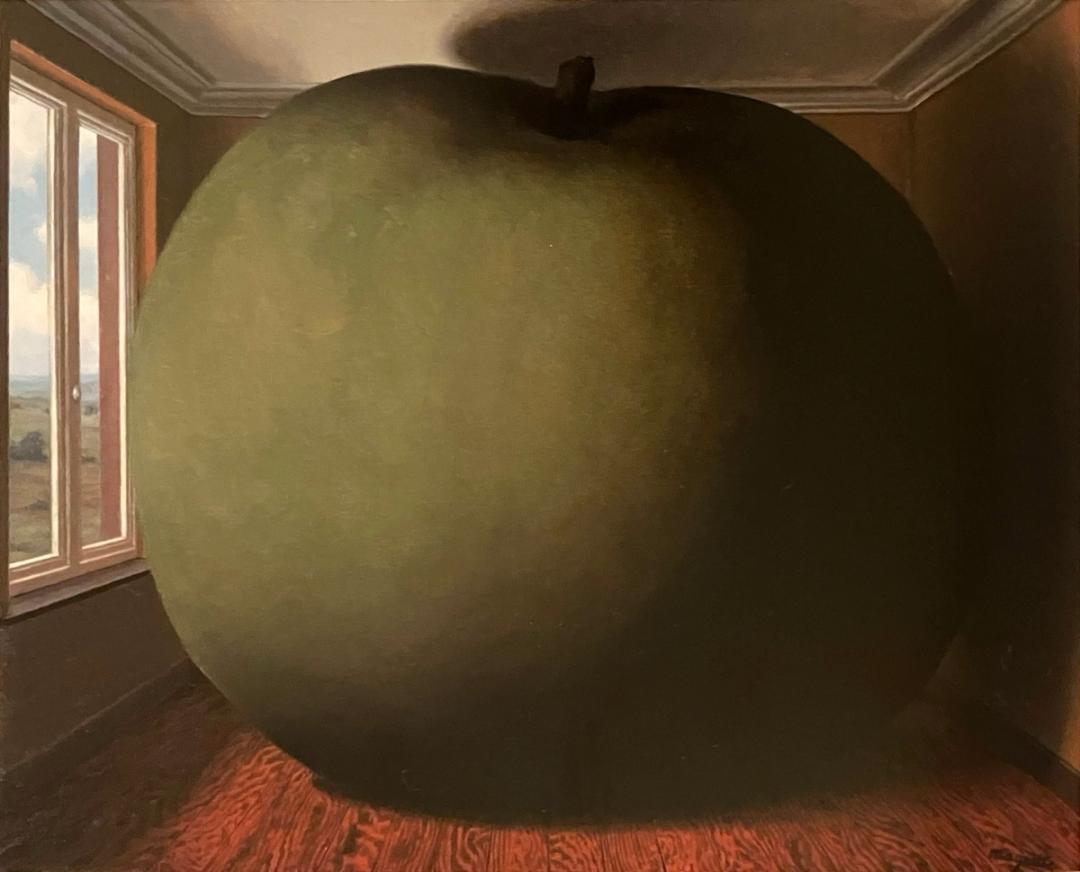
René Magritte『The Listening Room』(1952)
Approach
”語り方と示し方”
STUDIO YUASAでは、美学と表象をテーマに、建築や空間をどのように捉え、どのように示し、どのように語ることができるのかを探究します。私たちの身の回り、空間には、無数の要素が同時に存在しています。そうした世界を構成するあらゆるものの中から、あなた自身が、何を見出し、どう関係づけ、何を示し、どのように語るのかを考えてください。
この研究室では、歴史に学ぶことを重視します。過去の作品や表現、出来事や運動を調べ、建築や空間がこれまでどのように描かれ、経験され、意味づけられてきたのかを読み解きます。人々がそれぞれの時代のなかで何を見て、何を感じ、何を表現しようとしたのか。その背景にはどのような社会や感覚や欲望があったのか。そうした問いに向き合うことは、いま自分が空間を表現するとはどういうことかを考えるための基盤になります。歴史を参照することは、過去の形式をなぞることではありません。むしろ、過去にあった多様な思考や表現を知ったうえで、なおいま自分たちがどのように自由に考えられるかを問うことが、この研究室の課題です。私たちがこれからつくるものは、過去から切り離されて存在することはできません。けれども同時に、その接続を引き受けながら、別の見方や別の関係を立ち上げていくことに挑戦しましょう。
STUDIO YUASAでは、活動の軸を、Research(研究)/Visualize(視覚化)/Verbalize(言語化)、の三つに置きます。
Researchでは、対象を調べ、読み、観察し、自分自身の問いを見つけます。
Visualizeでは、その問いをドローイング、模型、写真、映像、インスタレーション、編集、展示などを通して、見えるかたちへと置き換えます。
Verbalizeでは、自分の制作が何を考え、何を示し、何を問おうとしているのかを、言葉によって記述し、他者と共有可能な思考へと開きます。
調べることはつくることに接続し、つくることは語ることに接続し、語ることは再び調べ直すことへと戻っていきます。この循環を通して、表現の密度と思考の解像度を高めていきます。
建築のように、人が人のためにつくるものは、単なる機能や形式に留まりません。それらは、いま起きていることを捉え直し、見過ごされている関係をあらわにし、矛盾や違和感を別の角度から示すための装置にもなりえます。肯定か否定かという二項対立的態度ではなく、複雑な現実を複雑なまま受け止め、そのなかに想像力や距離、ユーモアを差し込むこと。そうした実践として空間表現を考えていきます。
年度ごとの活動は、スタジオで設定するテーマやメンバーの興味をもとに進めます。各自はそのテーマに応答しながら、自らのリサーチと制作を展開してください。成果物の形式は、建築設計、空間提案、模型、ドローイング、写真、映像、テキスト、展示、出版、インスタレーションなど、テーマに応じて適切な方法を選び、自分の問いにふさわしい表現を模索してください。制作した成果は、発表、展示、記録、アーカイブを通して共有します。
STUDIO YUASAで取り組むのは、建築をつくることだけではなく、空間を読み、示し、語ることです。リサーチによって世界との接点を見つけ、視覚化によって思考をかたちにし、言語化によってその意味をひらくこと。その往復のなかから、自分自身の表現の方法を見つけ出してください。
”Representation and Articulation”
At STUDIO YUASA, we explore how architecture and space can be perceived, presented, and articulated through the lenses of aesthetics and representation. Within the spaces that surround us, countless elements coexist simultaneously. From among these, you are asked to consider what you discover, how you relate them, what you choose to show, and how you choose to speak.
In this studio, we place particular emphasis on learning from history. By studying past works, expressions, events, and movements, we examine how architecture and space have been depicted, experienced, and given meaning. What did people see, feel, and attempt to express in their respective times? What kinds of social conditions, sensibilities, and desires lay behind them? Engaging with these questions provides a foundation for considering what it means to express space today.
To reference history is not to imitate past forms. Rather, it is to understand the diverse modes of thought and expression that have existed, and to ask how we might think freely in the present. What we create cannot exist independently of the past. At the same time, we take on this connection as a condition, and attempt to establish new ways of seeing and new relationships.
At STUDIO YUASA, our activities are structured around three axes: Research / Visualize / Verbalize.
In Research, you investigate, read, observe, and formulate your own questions.
In Visualize, you translate those questions into visible forms through drawing, models, photography, video, installations, editing, and exhibition.
In Verbalize, you articulate what your work considers, what it presents, and what it seeks to question, opening it as a form of thought that can be shared with others.
These processes are not linear but cyclical. Research leads to making; making leads to speaking; speaking returns to research. Through this circulation, the density of expression and the resolution of thought are refined.
Architecture, like other forms created by people for others, is not limited to function or form. It can reframe what is happening, reveal overlooked relationships, and present contradictions or discomforts from alternative perspectives. Rather than adopting a binary stance of affirmation or negation, we aim to engage with complexity as it is, introducing imagination, distance, and humor into it. We approach spatial expression as such a practice.
Each year’s activities develop based on themes set within the studio and the interests of its members. While responding to these themes, each participant is expected to pursue their own research and production. Outcomes may take various forms—architectural design, spatial proposals, models, drawings, photography, video, text, exhibitions, publications, or installations—selecting the most appropriate medium for the question at hand.
The results of these practices are shared through presentations, exhibitions, documentation, and archives. What we undertake at STUDIO YUASA is not only to produce architecture, but to read, show, and speak space. Through research, we locate points of connection with the world; through visualization, we give form to thought; through verbalization, we open its meaning. Within this iterative process, you are expected to discover your own mode of expression.
/People
Studio Director :
湯浅良介 YUASA Ryosuke
Cohort 3-2026 :
奥川司 OKUGAWA Tsukasa
川村彩良 KAWAMURA Sara
後藤健太 GOTO Kenta
清田幹翔 SEIDA Kanto
Cohort 2-2025 :
川村幸輝 KAWAMURA Koki
菊池凌楽 KIKUCHI Ryota
露木美杏 TSUYUKI Mian
細野開友 HOSONO Kaiyu
Paula Antonia (Exchange Student / Berlin University of the Arts)
Cohort 1-2024 :
川村すみれ KAWAMURA Sumire
慶野仁希 KEINO Hitoki
藤原禎之 FUJIWARA Yoshiyuki
/Contact
STUDIO YUASA
5th Floor, Design Building
Tama Art University, Hachioji Campus
1723-2 Yarumizu, Hachioji, Tokyo 192-0394
Japan
Mail: studioyuasa@gmail.com
Instagram: @studioyuasa